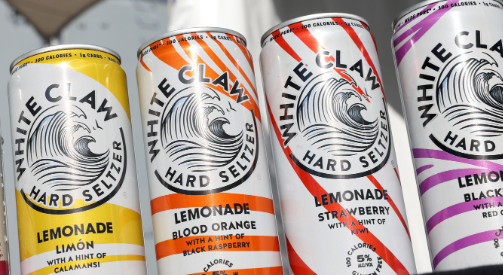
White Claws and other hard seltzers are generally lower in calories and sugar than many traditional beers and cocktails, but they are still alcoholic beverages that carry health risks. Because they contain alcohol, regular consumption can lead to liver stress, empty calories, and potential health complications if consumed in excess.
The rise of hard seltzers transformed the alcoholic beverage industry over the past decade, capturing a massive share of the market by marketing themselves as a lighter, cleaner alternative to heavy craft beers and sugary mixed drinks. At the center of this trend is White Claw, a brand synonymous with the hard seltzer phenomenon. As health-conscious consumers look for ways to enjoy a social drink without derailing their fitness goals, a common question arises: are White Claws bad for you?
Answering this question requires moving past the sleek, minimalist marketing and examining the biochemistry of alcohol, the exact nutritional profile of hard seltzers, and how the human body processes these beverages. While a single can of hard seltzer may fit comfortably into a balanced lifestyle, viewing them as a "health drink" or a free pass for consumption is a mistake.
Understanding the Anatomy of a White Claw
To determine whether White Claws are detrimental to health, it helps to examine precisely what goes into a standard 12-ounce can. Unlike craft beers that rely on grains or wines made from fermented grapes, standard hard seltzers are fundamentally simple beverages created through a precise industrial process.
The formulation typically consists of three primary components: purified carbonated water, a fermented alcohol base, and natural fruit flavors. The alcohol in standard White Claws is not distilled liquor; rather, it is derived from the fermentation of gluten-free sugars, usually sourced from malted surge, cane sugar, or sometimes corn. Once the fermentation process creates a neutral alcohol base, it is filtered, diluted with carbonated water, and infused with flavorings.
Standard White Claws generally contain:
- ABV (Alcohol by Volume): 5%
- Calories: Approximately 100 calories per 12-ounce can
- Carbohydrates: 2 grams or less
- Sugar: 2 grams or less (often from fruit juice concentrate used for flavoring)
- Gluten: Naturally gluten-free (though sensitive individuals should check specific production methods)
By comparison, a typical domestic beer often contains 150 calories and 13 grams of carbohydrates, while a standard glass of wine can range from 120 to 150 calories with varying sugar content. This numerical difference is the primary reason health-conscious consumers gravitated toward hard seltzers in the first place.
Nutritional Comparison: Hard Seltzers vs. Traditional Alcohol
When evaluating health impacts, context matters. Drinking a hard seltzer is rarely compared to drinking water; instead, it is weighed against other alcoholic alternatives. The following table breaks down how standard White Claws compare nutritionally to other popular alcoholic beverages per standard serving size.
| Beverage Type | Serving Size | Average Calories | Carbohydrates (g) | Sugar (g) | Alcohol by Volume (ABV) |
|---|---|---|---|---|---|
| White Claw Hard Seltzer | 12 oz | 100 | 2 | 2 | 5.0% |
| Light Beer | 12 oz | 100 | 5 - 7 | 0 - 1 | 4.2% - 4.5% |
| Standard Craft IPA | 12 oz | 180 - 220 | 15 - 20 | 0 - 2 | 6.5% - 7.5% |
| Red Wine | 5 oz | 125 | 4 | 1 | 12.0% - 14.0% |
| Margarita (Standard Cocktail) | 4 oz | 170 - 250 | 15 - 35 | 15 - 30 | 10.0% - 15.0% |
As the data shows, a standard White Claw is functionally similar in calories to a light beer, but with significantly fewer carbohydrates. Compared to a standard cocktail or a heavy craft IPA, it offers a dramatic reduction in both calorie and sugar density. However, these nutritional savings only matter if consumption habits remain controlled.
The Hidden Health Risks of Hard Seltzers
While the low calorie and low sugar counts make White Claws appealing, they do not negate the fundamental physiological effects of alcohol. The human body processes alcohol as a toxin, prioritizing its breakdown over other metabolic functions, regardless of whether that alcohol comes from a fine wine or a fruit-flavored seltzer.
1. The Reality of "Empty Calories"
Even though White Claws have fewer calories than a craft beer, they still provide what nutritionists call "empty calories." These are calories that supply energy without offering any meaningful nutritional value, such as vitamins, minerals, fiber, or protein. Consuming empty calories can contribute to caloric surplus, weight gain, and metabolic sluggishness over time.
2. Deception and Pace of Consumption
One of the most insidious aspects of hard seltzers is their high drinkability. Because they are lightly carbonated, crisp, and lack the heavy, filling nature of traditional beers or the burning intensity of straight liquor, people often drink them much faster.
Drinking two or three White Claws in the span of an hour is remarkably easy to do. However, doing so introduces alcohol into the bloodstream at a rapid pace, leading to quicker intoxication, impaired judgment, and a harsher hangover the following day.
3. Impact on Liver Function
The liver is responsible for metabolizing virtually all the alcohol consumed by the body. Regular, heavy drinking—even of low-calorie beverages—forces the liver to work overtime, processing ethanol into acetaldehyde, a toxic byproduct. Over time, chronic alcohol consumption can lead to fatty liver disease, alcoholic hepatitis, and permanent liver scarring (cirrhosis), regardless of whether the alcohol source is low in sugar.
4. Gastrointestinal Distress and Bloating
While hard seltzers are marketed as light, they are heavily carbonated. The carbon dioxide gas used to create the fizz can lead to bloating, gas, and stomach discomfort, particularly for individuals prone to irritable bowel syndrome (IBS) or acid reflux. Furthermore, artificial flavorings and chemical additives used in some brands can trigger digestive sensitivity in certain people.
Public Health Guidelines and Safe Consumption
To understand how hard seltzers fit into a healthy lifestyle, it is essential to look at established medical guidance regarding alcohol intake. The Dietary Guidelines for Americans, published by the U.S. Department of Health and Human Services and the USDA, recommend that adults of legal drinking age can choose not to drink, or to drink in moderation by limiting intake to 2 drinks or less in a day for men and 1 drink or less in a day for women, on days when alcohol is consumed.
Exceeding these guidelines regularly increases the risk of long-term health complications, including:
- High blood pressure and cardiovascular disease
- Certain types of cancer (including breast, liver, and colon cancer)
- Weakened immune system function
- Mental health challenges, including anxiety and depression
- Alcohol dependence or use disorder
It is important to note that a single 12-ounce can of White Claw at 5% ABV counts as one standard drink. Downing a six-pack in an evening significantly surpasses daily and weekly moderation thresholds.
Common Misconceptions About Hard Seltzers
The marketing surrounding hard seltzers has fostered several widespread myths that can lead consumers to make poor health choices.
- Myth: "They count as hydration because they are mostly water."
- Fact: Alcohol is a diuretic, meaning it inhibits anti-diuretic hormone (ADH) and causes the kidneys to produce more urine. Drinking alcohol leads to fluid loss, not hydration, which is a primary cause of hangover symptoms.
- Myth: "Because there's no sugar, they won't affect blood sugar levels."
- Fact: While low-sugar options do not cause the same immediate blood sugar spikes as sugary cocktails, alcohol itself impacts the liver's ability to regulate glucose, potentially leading to hypoglycemia (low blood sugar) or unpredictable metabolic responses, especially for individuals managing diabetes.
- Myth: "They are a diet food substitute."
- Fact: Substituting meals or vital nutrients with alcoholic beverages to save calories—a phenomenon sometimes referred to as "drunkorexia"—deprives the body of essential micronutrients and places severe stress on organs.
Frequently Asked Questions
Are White Claws better for weight loss than beer?
White Claws generally contain fewer calories and carbohydrates than standard beers, making them a lower-calorie alternative for those who choose to drink. However, alcohol inhibits fat burning and lowers inhibitions around food choices, which can indirectly sabotage weight loss goals if consumption is not managed carefully.
Do White Claws cause worse hangovers than other alcohol?
Hangovers are primarily caused by dehydration, congeners (chemical byproducts of fermentation), and the toxic breakdown products of alcohol. Because White Claws are clear and contain fewer congeners than dark liquors or craft beers, some people experience milder hangovers. However, the high drinkability can lead to consuming more total alcohol, which ultimately worsens hangover severity.
Are White Claws gluten-free?
Most standard White Claws are formulated with a fermented alcohol base derived from gluten-free ingredients and are labeled as gluten-free. Individuals with celiac disease or severe gluten sensitivities should verify the specific product labeling to ensure zero cross-contamination during manufacturing.
Can you drink White Claws on a keto diet?
With only 2 grams of carbohydrates per 12-ounce can, White Claws can easily fit into the daily carbohydrate allowance of a ketogenic diet. However, alcohol temporarily pauses ketosis as the liver prioritizes metabolizing the ethanol, so they should still be consumed in moderation by those strict about metabolic states.
Practical Guidance and Next Steps
If you enjoy hard seltzers, you do not necessarily need to eliminate them entirely from your social life, provided you consume them responsibly. To minimize health risks while enjoying a drink, consider the following strategies:
- Pace Yourself: Alternate each White Claw with a full glass of plain water to stay hydrated and slow down your overall alcohol consumption.
- Track Your Intake: Keep count of how many cans you consume in a single setting to ensure you stay within recommended moderation guidelines.
- Avoid Using Them to Hydrate: Never consume hard seltzers immediately after a strenuous workout or in hot weather when your body requires genuine rehydration with water or electrolytes.
- Consult Professionals: If you have concerns about your drinking habits, underlying medical conditions, or how alcohol interacts with medications, consult a qualified healthcare provider or registered dietitian for personalized guidance.