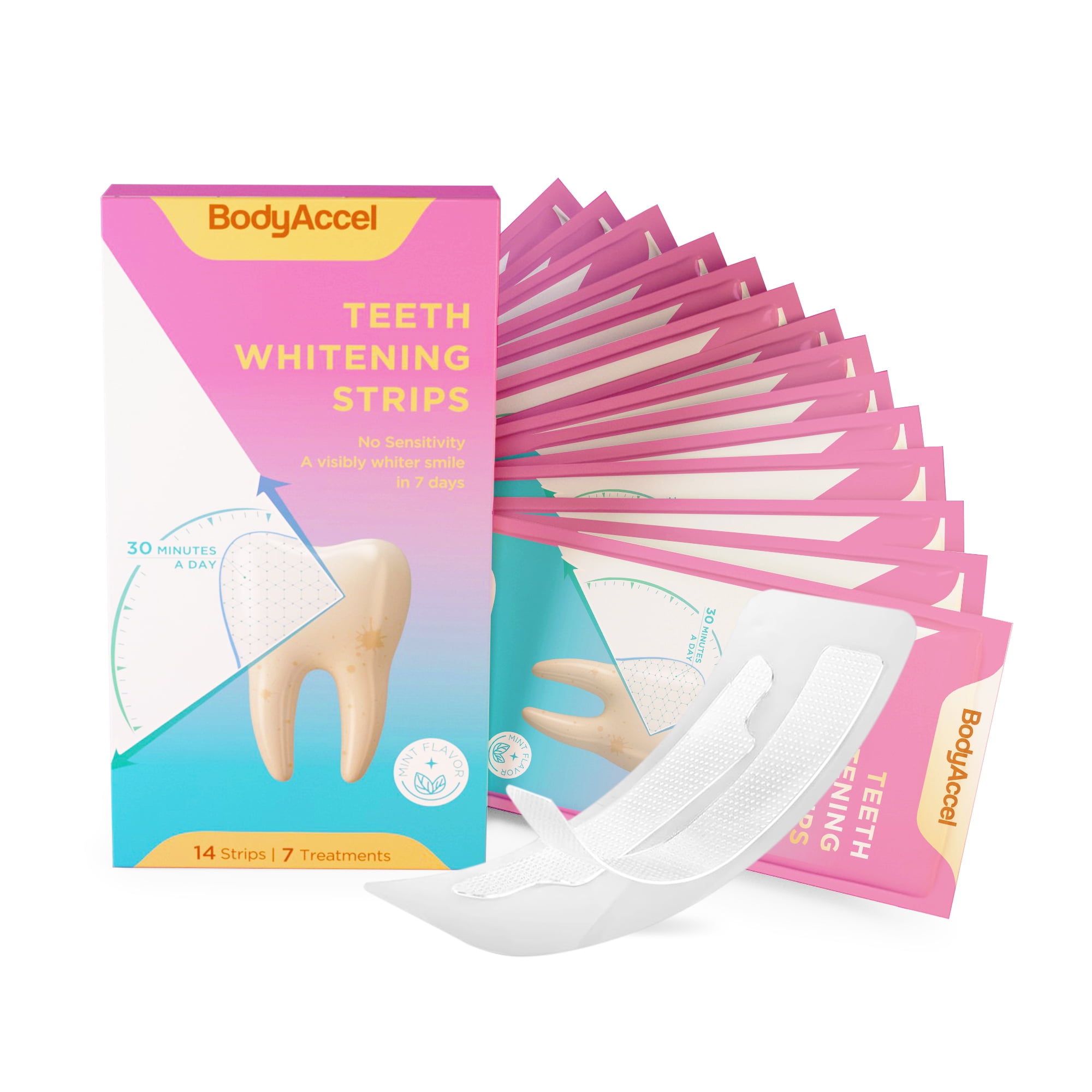
Whitening strips formulated for sensitive gums are generally worth it for individuals with mild tooth or gum sensitivity who want a noticeable brightening effect without the severe discomfort caused by standard, high-peroxide bleaching products. By utilizing lower concentrations of bleaching agents like hydrogen peroxide, incorporating potassium nitrate or desensitizing agents, and featuring specialized designs to minimize gum contact, these products bridge the gap between cosmetic results and oral comfort, though they require realistic expectations regarding timeline and cost.
Achieving a brighter smile is a common cosmetic goal, but for millions of people, the pursuit of whiter teeth comes with a painful trade-off. Traditional over-the-counter teeth whitening strips often cause acute dental sensitivity and gum irritation due to high concentrations of active bleaching chemicals and poorly fitting film designs. To address this issue, manufacturers developed specialized whitening strips designed explicitly for sensitive gums and teeth.
Evaluating whether these specialized products are worth the investment requires looking past marketing claims and examining the underlying science, ingredient profiles, safety considerations, financial costs, and alternative options available in 2026. This comprehensive analysis explores how sensitive-gum whitening strips work, how they compare to standard options, and whether they can safely deliver the aesthetic results you desire.
Understanding Tooth Sensitivity and Gum Irritation
Before analyzing whitening products, it is vital to understand why bleaching agents cause discomfort. Most conventional whitening strips rely on hydrogen peroxide or carbamide peroxide as the primary active ingredient. These molecules penetrate the enamel to break down organic stain molecules through oxidation. However, when these chemical agents seep past the enamel or come into direct contact with the soft tissue of the gum line, they can cause temporary inflammation, chemical irritation, and sharp nerve pain.
Gum sensitivity typically manifests as a burning sensation, redness, or blanching (whitening) of the soft tissue immediately after removing a strip. Tooth sensitivity, conversely, is characterized by a sudden, sharp jolt of pain—often called " zingers"—triggered by cold, heat, or pressure as the peroxide reaches the microscopic tubules leading to the dental pulp.
Individuals with naturally thin enamel, receding gums, untreated cavities, or existing periodontal disease are particularly vulnerable. For these populations, standard whitening strips can cause severe discomfort that outweighs the cosmetic benefits, making specialized products an absolute necessity rather than a mere luxury.
How Whitening Strips for Sensitive Gums Differ
Manufacturers of sensitive-gum whitening strips modify their formulations and physical designs to mitigate the risks associated with traditional bleaching products. Understanding these engineering and chemical differences helps clarify why these strips perform differently and whether their higher price point is justified.
Lower Peroxide Concentrations
Standard strips often contain anywhere from 6% to 10% hydrogen peroxide, or higher percentages in professional-grade kits. Sensitive formulations typically reduce hydrogen peroxide concentrations to between 3% and 5%, or utilize carbamide peroxide, which breaks down more slowly and releases peroxide at a gentler, more sustained rate. While this lower concentration reduces the risk of tissue irritation, it also means that the oxidation process takes longer, requiring a more extended treatment timeline to achieve the same shade of white.
Addition of Desensitizing Agents
To actively combat discomfort during and after application, sensitive strips frequently incorporate clinically proven desensitizing agents directly into the gel matrix. Common additives include:
- Potassium Nitrate: A compound that diffuses into the tooth to calm the nerves inside the pulp, blocking the transmission of pain signals.
- Fluoride: Helps remineralize the enamel surface, sealing microscopic pathways and strengthening the tooth against chemical stress.
- Soothing Botanicals: Ingredients like aloe vera, chamomile, or vitamin E are sometimes added to calm and protect the soft tissues of the gums.
Ergonomic Design and Precision Fit
Poorly fitting strips slide around during use, allowing the peroxide gel to ooze onto the gum tissue. Sensitive-gum strips often feature advanced grip technology, shorter strip designs, or customizable cutting guidelines to ensure the bleaching gel stays strictly on the enamel and away from the delicate gingival margin.
Evaluating the Pros and Cons
Like any cosmetic dental product, sensitive whitening strips present distinct advantages and limitations. Weighing these factors is essential for determining their overall value.
Advantages
- Reduced Discomfort: Significantly lowers the incidence and severity of chemical burns on the gums and sharp tooth zings.
- Accessibility: Available over-the-counter at most pharmacies and online retailers without requiring a dental visit or custom tray fabrication.
- Gradual Improvement: Allows users to whiten their teeth at a manageable pace, stopping or pausing treatment immediately if irritation begins.
- Enamel Safety: Generally features formulations that are less erosive to the protective outer layer of the teeth when used according to manufacturer instructions.
Disadvantages
- Slower Results: Because the active ingredient concentration is lower, users must complete a longer series of applications to see a noticeable difference.
- Higher Cost Per Treatment: Specialized formulations, proprietary grip technologies, and added desensitizing agents often make sensitive strips more expensive than generic whitening strips.
- Capped Efficacy: Severe intrinsic stains—such as those caused by tetracycline antibiotics or deep fluorosis—may not respond adequately to low-peroxide over-the-counter treatments.
- Temporary Outcomes: Like all surface-level whitening methods, results fade over time due to dietary habits (coffee, tea, red wine, tobacco), requiring ongoing maintenance purchases.
Comparison of Teeth Whitening Options for Sensitive Users
To determine if sensitive whitening strips are the best choice, it helps to compare them against other common whitening modalities available on the market.
| Whitening Method | Estimated Cost | Peroxide Level | Impact on Sensitive Gums | Speed of Results |
|---|---|---|---|---|
| Standard Whitening Strips | $20 – $50 | High (6% – 10%+) | High risk of irritation and pain | Fast (7 – 14 days) |
| Sensitive Whitening Strips | $30 – $60 | Low to Moderate (3% – 5%) | Minimal to low risk | Moderate (14 – 21 days) |
| Whitening Toothpastes | $5 – $15 | Very Low / Abrasive Silica | Generally safe, but can be abrasive | Slow (4 – 8 weeks) |
| Custom Tray Bleaching (Dentist) | $200 – $500 | Variable (Customized) | Low risk due to precise fit | Fast to Moderate |
| LED Accelerator Lights | $40 – $100 | Moderate | Varies; heat can increase sensitivity | Moderate |
Are They Worth the Financial and Time Investment?
When assessing financial value, consumer feedback and dental professionals generally agree that sensitive whitening strips are worth the investment if you fall into the target demographic. If you have abandoned traditional whitening products because of unbearable pain, these strips offer a viable alternative that allows you to pursue cosmetic improvements safely.
However, if you have zero history of tooth or gum sensitivity, paying a premium for sensitive-standard strips may yield disappointing results relative to the slower timeline. In such cases, standard formulations—used carefully—might achieve your aesthetic goals faster and at a lower cost.
Furthermore, users must factor in the recurring cost of maintenance. Whitening is not permanent. If you consume staining foods and beverages daily, you will need to purchase maintenance kits every few months, multiplying the long-term expense.
Best Practices for Using Sensitive Whitening Strips
To maximize the efficacy of sensitive whitening strips while protecting your oral health, adhere to these professional guidelines:
- Consult Your Dentist First: Ensure your sensitivity is not caused by untreated cavities, cracked enamel, or exposed root surfaces due to advanced gum recession. Bleaching compromised teeth can lead to severe complications.
- Do Not Brush Immediately Before Use: Brushing right before applying strips can micro-abrade the enamel and irritate the gums, making sensitivity significantly worse. Instead, brush at least 30 minutes prior, or simply floss and rinse.
- Dry Your Teeth: Wipe your teeth with a tissue before applying the strips. Saliva breaks down peroxide prematurely and can cause the strip to slip onto your gums.
- Trim Excess Length: If the strip overlaps your gum line, use clean scissors to trim it so it covers only the enamel surface.
- Use a Desensitizing Toothpaste: For two weeks prior to starting your whitening regimen, brush daily with a toothpaste containing potassium nitrate to pre-condition and calm your dental nerves.
- Follow the Schedule Strictly: Leaving strips on longer than recommended will not accelerate whitening; it will only increase tissue irritation and dehydration of the teeth.
Common Mistakes to Avoid
Avoiding operational pitfalls ensures a safer and more effective whitening experience:
- Ignoring Persistent Pain: If you experience sharp, lingering pain or blistering of the gums, stop treatment immediately. Discomfort that persists for days is a sign that your teeth or gums cannot tolerate the product.
- Over-Whitening: Exceeding the recommended duration of a box or chaining multiple kits back-to-back can permanently damage your enamel and cause chronic sensitivity.
- Neglecting Maintenance Hygiene: Failing to rinse your mouth or drink water after consuming dark beverages while whitening will quickly neutralize your progress, leading you to overuse the strips.
Conclusion
Whitening strips formulated for sensitive gums successfully bridge the gap between aesthetic enhancement and oral comfort, making them a worthwhile purchase for individuals who experience discomfort from standard bleaching products. While they require patience due to lower peroxide concentrations and often carry a slightly higher price tag, their specialized design and desensitizing ingredients make a brighter smile safely achievable for sensitive users. By maintaining realistic expectations, consulting a dental professional, and following proper application protocols, you can enhance your smile without compromising your oral health.