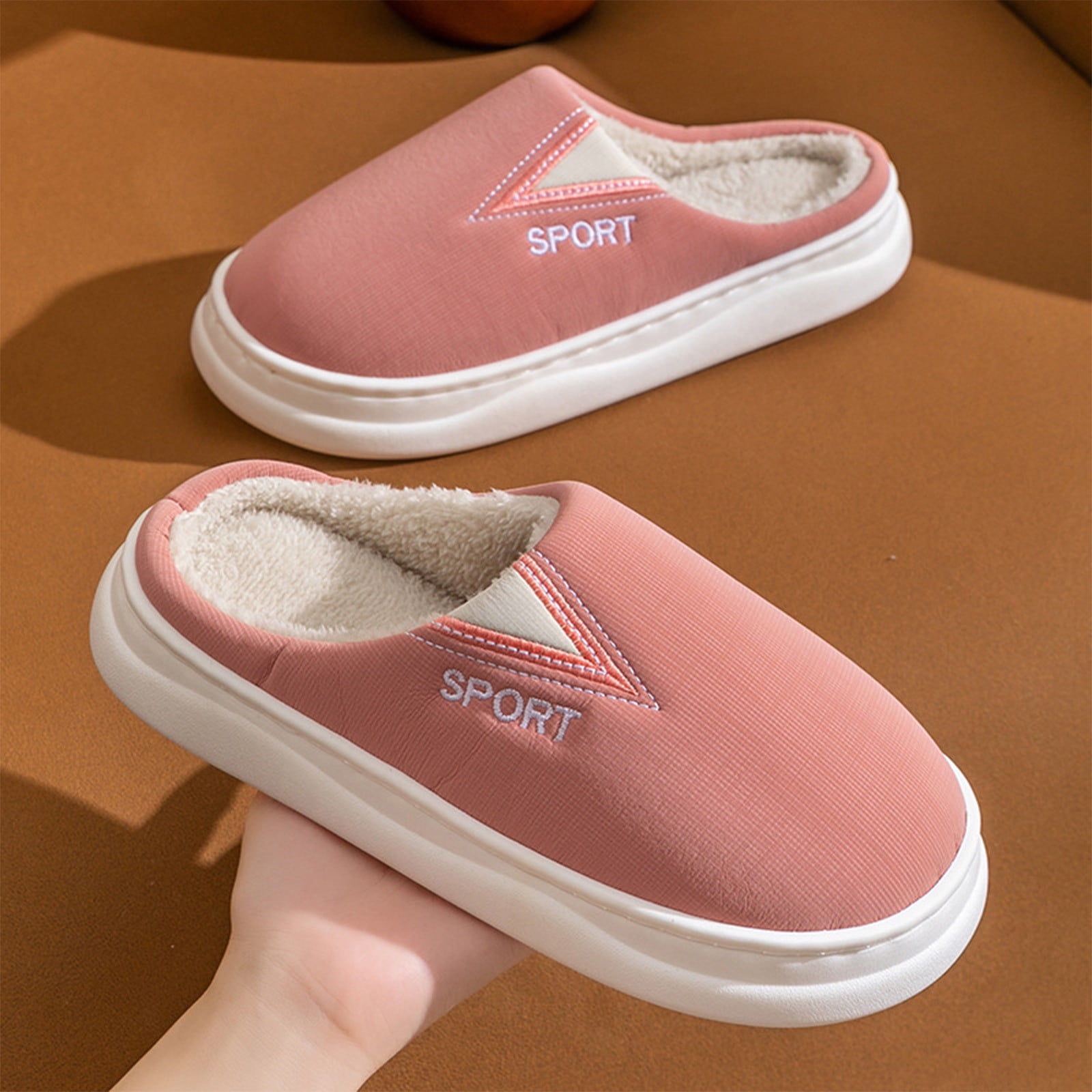
Warm slippers with arch support are indeed worth buying if you suffer from foot fatigue, plantar fasciitis, or cold floors, as they bridge the gap between cozy comfort and orthopedic footwear stability. While standard flat slippers offer temporary warmth, they often lack the structural integrity required to properly align the feet, making supportive thermal alternatives a practical long-term investment for indoor foot health.
Understanding the Need for Indoor Foot Support
Modern lifestyles often involve spending extended hours indoors on hard surfaces such as hardwood, tile, or laminate flooring. Walking barefoot or in completely flat, unconstructed footwear on these rigid materials places continuous stress on the plantar fascia, arches, and heel pads. Over time, this lack of mechanical support can exacerbate common foot ailments or induce fatigue even when resting at home.
When winter arrives, the natural reaction is to seek warmth by bundling up in thick socks or conventional fleece-lined slippers. However, traditional slippers are rarely designed with ergonomics in mind. They usually consist of a thin fabric upper, a flimsy foam sole, and zero midsole reinforcement. For individuals dealing with chronic lower extremity discomfort, substituting outdoor orthopedic shoes for flat indoor footwear can trigger a return of pain. This realization drives many consumers to evaluate whether warm slippers with built-in arch support are worth the investment.
The Anatomy of Supportive Thermal Footwear
To determine if these specialized slippers justify their cost, it is crucial to examine what sets them apart from conventional indoor footwear. A high-quality supportive slipper combines thermal insulation with podiatrist-approved structural elements.
| Component | Primary Function |
|---|---|
| Thermal Lining | Retains heat (shearling, fleece, wool) |
| Structured Midsole | Absorbs impact and resists twisting |
| Contoured Arch | Distributes pressure evenly across foot |
| Deep Heel Cup | Stabilizes the heel and aligns the ankle |
| Durable Outsole | Prevents slipping and allows quick trips |
Thermal Insulation Materials
The warmth factor depends heavily on the internal lining and upper materials. Genuine shearling, wool, and high-density fleece are standard in premium models. Wool and shearling possess natural moisture-wicking properties, keeping feet warm without causing excessive sweating, whereas synthetic microfibers may trap moisture if they lack breathability.
Orthotic Midsole and Arch Design
Unlike soft foam that flattens within weeks of use, supportive slippers typically feature molded EVA (Ethylene-Vinyl Acetate) or cork midsoles. These materials mimic the construction of orthopedic walking shoes. The arch contour lifts the midfoot, reducing overpronation and preventing the foot from collapsing inward during indoor walking.
Stability Features
A deep heel cup is another hallmark of a well-engineered supportive slipper. It cradles the heel fat pad to improve natural shock absorption. Combined with a sturdy, slip-resistant rubber outsole, these features ensure that the slipper remains stable, safe on slick kitchen floors, and durable enough for brief trips to the mailbox or porch.
Who Benefits Most from Arch-Support Slippers?
Not everyone requires structured indoor footwear. Individuals with naturally resilient arches who live in carpeted homes may find standard slippers perfectly adequate. However, certain demographics will experience a dramatic improvement in comfort and pain reduction.
- Individuals with Plantar Fasciitis: The sharp heel pain associated with the first steps out of bed can be mitigated by wearing supportive footwear immediately upon standing.
- Work-From-Home Professionals: People who spend eight to ten hours a day walking around their home office benefit immensely from continuous ergonomic alignment.
- Older Adults: Maintaining balance and preventing indoor slips is critical for seniors; structured soles provide better traction and proprioceptive feedback than soft socks.
- Residents of Cold Climates with Hard Floors: Those living in regions with severe winters and unheated hardwood or tile floors require both thermal insulation and mechanical shock absorption.
Evaluating the Costs and Trade-offs
Puchasing supportive thermal slippers involves a higher financial commitment than buying generic department store alternatives. While basic slippers can cost anywhere from ten to twenty dollars, orthopedic or podiatrist-recommended indoor footwear typically ranges from fifty to over one hundred dollars.
| Feature Category | Standard Flat Slippers | Supportive Thermal Slippers |
|---|---|---|
| Average Price | Low ($10 – $25) | Moderate to High ($50 – $130) |
| Arch Support | Minimal or None | Firm, Contoured, Often Interchangeable |
| Durability | 3 to 6 months | 1 to 3 years |
| Sole Traction | Smooth fabric or thin rubber | Heavy-duty indoor/outdoor rubber |
| Foot Fatigue Impact | None; can worsen aching feet | Reduces strain and absorbs shock |
This price difference is justified by longevity and material quality. Cheap slippers compress and lose their shape quickly, requiring frequent replacement. Quality supportive slippers utilize resilient foams and durable rubber outsoles that withstand daily wear for years, making the cost-per-use comparable over time.
Common Mistakes When Choosing Indoor Footwear
When shopping for warm slippers with arch support, consumers often make avoidable errors that compromise their purchase:
- Prioritizing Cushioning Over Support: Softness is often mistaken for support. A plush, cloud-like sole feels wonderful initially, but without a firm arch contour, it offers no mechanical relief for strained tendons.
- Ignoring Sizing Adjustments: Because these slippers feature thick linings and rigid footbeds, ordering the exact standard shoe size can lead to a cramped fit, especially when worn with thick winter socks.
- Overlooking Removable Insoles: Some models feature removable orthotic inserts. Failing to check this feature means throwing away the entire slipper if the footbed wears out before the upper material.
- Neglecting Outsole Utility: Buying a slipper with a purely fabric sole limits versatility and creates safety hazards on slick tiles or staircases.
Frequently Asked Questions
Can I wear orthotic inserts inside regular slippers?
Yes, but with caveats. Standard slippers usually lack the volume required to accommodate custom orthotics without feeling overly tight. If you plan to use medical inserts, look for slippers with a wide fit or a removable footbed specifically designed for custom orthotics.
How long do supportive slippers typically last?
With daily indoor wear, a quality pair of supportive slippers constructed with EVA or cork midsoles generally lasts between one and three years. The lifespan depends heavily on the wearer's weight, walking habits, and whether the slippers are worn outdoors.
Are these slippers machine washable?
Most structured slippers cannot be safely machine washed because water immersion and agitation can warp the rigid arch support and ruin leather, suede, or shearling components. Spot cleaning with a damp cloth and mild detergent is typically recommended by manufacturers.
Do arch-support slippers cure plantar fasciitis?
They do not cure the underlying condition on their own, but they play a crucial role in management. By preventing the foot from flattening and straining the plantar fascia during indoor activities, they reduce inflammation and prevent morning pain flare-ups.
Final Recommendation
Investing in warm slippers with arch support is a worthwhile decision for anyone who experiences foot discomfort, stands on hard floors for long hours, or simply values ergonomic footwear indoors. While the initial financial outlay is higher than purchasing basic seasonal slippers, the combination of thermal warmth, joint protection, and long-term durability delivers substantial value. Assess your flooring type, check your foot health needs, and select a reputable brand with a solid structured midsole to maximize your indoor comfort.