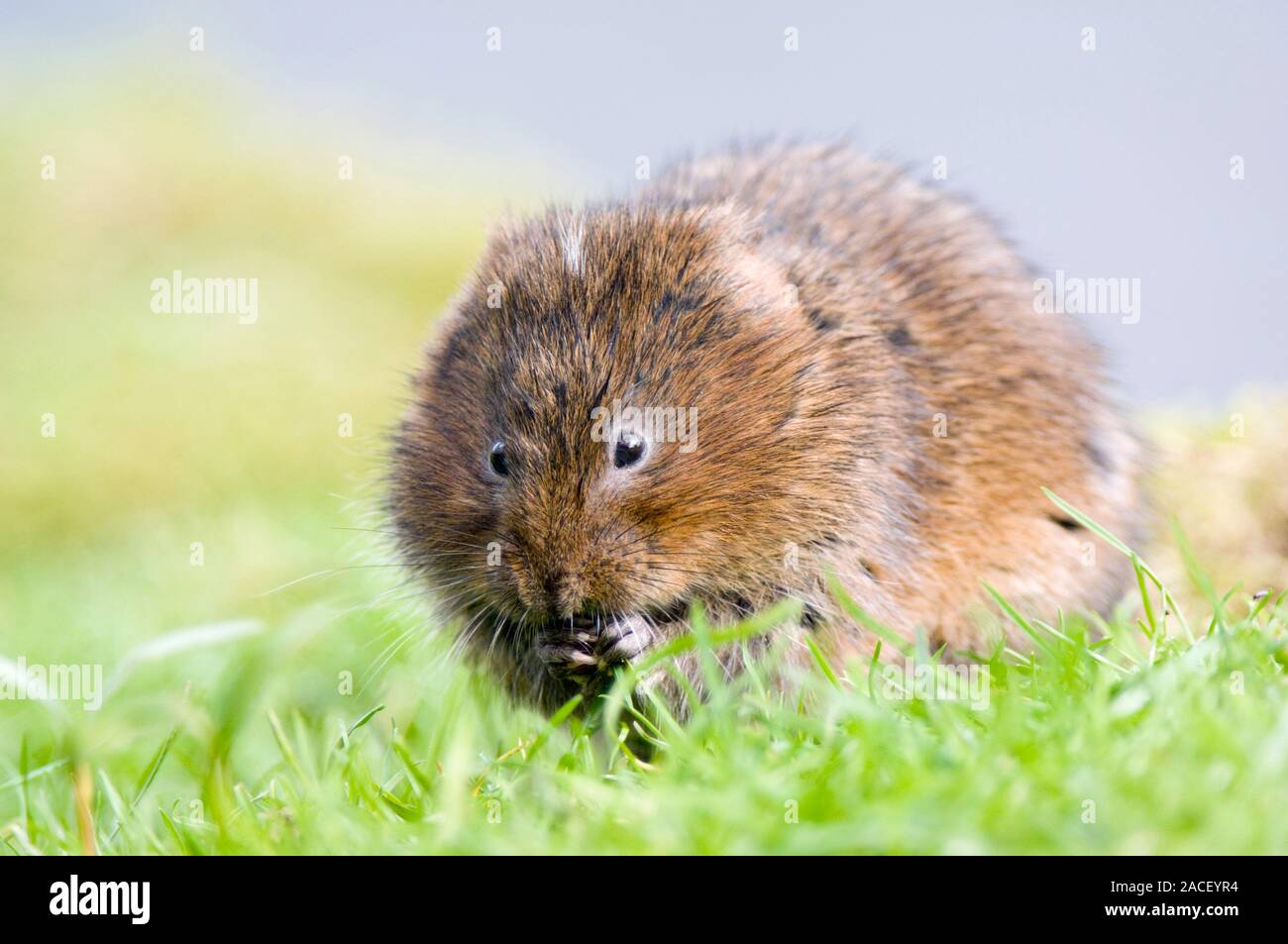
Voles are neither strictly nocturnal nor diurnal; instead, they exhibit a polyphasic activity pattern, remaining active in alternating short bouts of feeding and resting throughout both the day and the night. Because their high metabolic rate requires a constant supply of plant matter, these small rodents operate on a cycle of roughly two-to-three-hour intervals around the clock, though peak activity often shifts depending on seasonal temperatures, predator pressures, and local environmental conditions.
Introduction to Vole Behavior and Biology
When managing a landscape or attempting to protect a garden from subterranean and surface-level damage, understanding the habits of the target animal is essential. A common question among property owners is whether voles—often confused with mice, moles, or shrews—come out only under the cover of darkness.
The short answer defies a simple day-or-night classification. Voles are active 24 hours a day. To fully grasp when and how these small mammals operate, one must examine their physiological needs, their ecological niche, and the behavioral adaptations that allow them to survive in diverse environments across North America and Europe.
Resolving the nocturnal question requires distinguishing voles from other common yard pests. Moles, which are insectivores specialized for digging deep subterranean tunnels, often operate on different schedules and leave distinct structural evidence behind. Voles, by contrast, are herbivores belonging to the family Cricetidae (specifically the subfamily Arvicolinae). They possess specialized teeth for gnawing on roots, stems, bark, and grasses. Because plant matter provides lower caloric and nutritional density per ounce than insects or seeds, voles must eat almost continuously. This relentless physiological demand dictates their lifestyle, eliminating any long periods of uninterrupted sleep or strictly nocturnal hiding.
The Polyphasic Activity Cycle: Day and Night Dynamics
Unlike predators that hunt exclusively at night or songbirds that forage only by daylight, voles operate on a polyphasic cycle. This means their daily routine is broken down into multiple distinct phases of activity and rest spread evenly across the 24-hour cycle.
A typical vole will spend two to three hours foraging, feeding, and maintaining its runway system, followed by a matching period of rest inside an underground nest or safe retreat. Once digestion and sleep have restored their energy, they emerge to repeat the cycle. This pattern occurs with equal frequency during broad daylight and the darkest hours of the night.
| Activity Phase | Duration | Primary Behaviors | Environmental Influences |
|---|---|---|---|
| Foraging & Movement | 2 to 3 hours | Navigating surface runways, gnawing bark, clipping grass, harvesting seeds. | Temperature moderation, cloud cover, shadow availability. |
| Resting & Digestion | 2 to 3 hours | Retreating to underground burrows, sleeping, grooming inside nests. | Avoidance of peak midday heat or freezing midnight cold. |
| Grooming & Maintenance | 30 to 60 minutes | Nest repair, scent marking, social interaction or territory defense. | Occurs within sheltered environments to minimize exposure. |
While this cycle repeats continuously, subtle shifts occur. During the summer months, voles may lean slightly toward crepuscular (dawn and dusk) or nocturnal habits to avoid the debilitating effects of high midday temperatures. Conversely, during freezing winter conditions, they may increase their daytime activity when solar radiation slightly warms the sub-nivean zone (the space beneath the snowpack) or surface runways.
Ecological Factors Influencing Vole Activity
Although voles are biologically equipped to function at any hour, external pressures continually shape their daily schedules. Understanding these variables helps explain why you might see a vole scurrying across your lawn at noon or notice fresh damage appearing overnight.
Predation Pressure
Voles form the foundational prey base for a massive array of predators, including hawks, owls, foxes, coyotes, snakes, domestic cats, and weasels. This immense predation pressure heavily influences their movement timing.
- Avian Predators: Hawks and other diurnal raptors hunt primarily by sight during the day. In areas with high hawk populations, voles may increase their underground foraging or favor dense ground cover during daylight hours.
- Mammalian and Avian Nocturnal Predators: Owls and mammalian carnivores hunt effectively at night using keen hearing, night vision, or smell. Because danger exists in every time zone, voles do not find safe harbor simply by waiting for sunset or sunrise. Instead, they rely heavily on dense vegetation cover—such as tall turfgrass, ground covers, and mulch beds—to shield them from observation regardless of the clock.
Temperature Regulation and Weather
Voles have a high surface-area-to-mass ratio, meaning they lose body heat rapidly in cold environments and overheat quickly in hot, exposed conditions.
- Extreme Heat: On hot summer afternoons, voles retreat deep into subterranean burrows where soil temperatures remain cooler and more stable. They concentrate their surface activity into the cooler early morning hours or nighttime.
- Snow Cover: In regions experiencing heavy winter snowfall, voles thrive beneath the snowpack. This insulating layer protects them from freezing winds and aerial predators, allowing them to remain active around the clock eating grass stems and girdling tree bark right at the soil surface.
Food Availability and Metabolism
Because a single vole can consume up to its own body weight in vegetation daily, finding food is an urgent, non-stop priority. If food sources within a specific runway system become depleted, the animal must expand its territory or increase its foraging frequency. This metabolic imperative supersedes normal circadian rhythms, forcing voles to feed whenever their biological clock dictates, regardless of external light levels.
Behavioral Comparison: Voles, Moles, and Mice
Homeowners frequently misidentify yard pests because multiple species share similar habitats. Comparing voles to their common counterparts clarifies behavioral distinctions, particularly regarding activity timing.
- Voles (Microtus spp.): Active 24/7 in polyphasic cycles. Herbivores that create visible surface runways and clip vegetation. They rarely dig deep subterranean mounds like moles, preferring shallow burrows and surface pathways.
- Moles (Family Talpidae): Strictly subterranean insectivores. While they can also be active day and night, they rarely emerge onto the surface. Their presence is marked by volcano-shaped dirt mounds and raised ridge tunnels caused by pushing earth upward while hunting earthworms and grubs.
- Deer Mice and House Mice (Peromyscus / Mus spp.): Primarily nocturnal. While mice may occasionally venture out during daylight if undisturbed or heavily populated, their peak foraging and exploratory behaviors are overwhelmingly concentrated after dark. They are agile climbers, whereas voles are strictly ground-dwelling runners.
Identifying Vole Activity in Your Yard
Because voles do not hide exclusively during the day or night, looking for specific physical evidence is a far more reliable identification method than attempting to spot the animals directly.
- Surface Runways: Voles construct a network of visible, 1-to-2-inch-wide pathways through turfgrass. These paths are created by clipping vegetation down to the crown, exposing the soil beneath.
- Burrow Openings: Round entrance holes measuring roughly one inch in diameter drop vertically into the soil without the large dirt mounds associated with moles or pocket gophers.
- Plant Damage: Look for clean, 45-degree angle cuts on plant stems and grasses. In orchards or ornamental landscapes, look for girdled bark—chewed rings around the base of trees and shrubs just above the soil line.
- Feces: Small, dark droppings found along runways or inside nesting chambers.
Practical Management and Prevention Strategies
Managing vole populations requires recognizing that their 24-hour activity cycle makes time-of-day interventions (such as applying treatments only at night) largely ineffective. Instead, management must focus on habitat modification, exclusion, and population reduction.
Habitat Modification
The single most effective long-term deterrent for voles is eliminating their preferred cover. Voles require dense vegetation to feel safe from predators.
- Keep Grass Mowed: Maintain turfgrass at a lower, well-manicured height, especially near flower beds and structural foundations.
- Clear Mulch Rings: Maintain a 2-to-3-foot bare soil or gravel barrier around the bases of young trees and shrubs to prevent voles from approaching undetected to feed on bark.
- Remove Debris: Clear away brush piles, heavy leaf litter, and dense ground covers that sit directly against the soil.
Physical Exclusion
Protecting high-value plants, young trees, and gardens requires physical barriers that voles cannot chew through or bypass.
- Hardware Cloth Cylinders: Wrap tree trunks and woody ornamentals in hardware cloth with a mesh size of 1/4 inch or smaller. Bury the bottom edge at least 6 inches into the soil to prevent tunneling underneath.
- Subsurface Fencing: For gardens, install galvanized wire mesh fencing that extends at least 10 inches below ground level and stands 12 to 18 inches above ground.
Population Reduction Options
When populations swell and damage becomes severe, direct removal methods may be necessary.
- Snap Trapping: Standard wooden mouse traps baited with apple slices, peanut butter mixed with oatmeal, or sunflower seeds are highly effective. Place traps perpendicular to active runways with the trigger end facing the path. Cover the trap with a small box or bucket to protect non-target wildlife and birds.
- Repellents: Taste repellents (containing active ingredients like thiram) can protect specific plants temporarily, though they do not solve root-level or underground damage and wash away with rain or irrigation.
Frequently Asked Questions
Do voles come out during the day?
Yes, voles come out during the day. Because they operate on a polyphasic activity cycle lasting two to three hours around the clock, they forage, travel, and feed equally during daylight hours and nighttime hours. Spotting a vole in broad daylight is entirely normal.
Are voles blind?
No, voles are not blind. They possess functional, small eyes adapted for detecting light, shadow, and movement. However, they rely much more heavily on their acute senses of smell, touch (via specialized vibrissae or whiskers), and hearing to navigate their complex runway systems and detect approaching predators.
How do I tell if I have voles or moles in my lawn?
Look at the ground structure. Moles create raised ridge tunnels and large, volcano-shaped piles of loose dirt because they push soil upward as they excavate underground in search of earthworms and grubs. Voles do not push up dirt mounds; instead, they create distinct, grass-free surface runways (paths) and small, clean-cut entrance holes about an inch wide, feeding exclusively on plants rather than insects.
Do voles hibernate in the winter?
Voles do not hibernate. They remain active throughout the entire winter season. In colder climates, they adapt by shifting their foraging activities entirely beneath the snowpack in the sub-nivean zone, where they continue to feed on grass crowns, roots, and tree bark protected from freezing air temperatures.
What is the best way to get rid of voles permanently?
Permanent vole management relies on habitat modification rather than quick fixes. Reducing heavy ground cover, keeping turf mowed short, clearing mulch away from tree bases, and using 1/4-inch hardware cloth barriers around vulnerable plants removes the shelter and food sources that attract voles to a property.
Conclusion and Next Actions
Voles are neither strictly nocturnal nor diurnal; their round-the-clock, polyphasic lifestyle means they are active whenever their high metabolism demands food, day or night. Because time of day offers no refuge from their feeding habits, successful property protection depends on proactive environmental management. Assess your landscape for dense ground cover, clear mulch rings away from valuable trees, install hardware cloth barriers around vulnerable plantings, and deploy snap traps along active runways if damage persists. Taking these systematic steps ensures your landscape remains protected regardless of when these persistent rodents choose to forage.