Wolf dogs are strictly classified as dangerous exotics, making private ownership illegal in Pennsylvania without a specific, highly regulated permit framework that is virtually impossible for standard residential keepers to obtain. The state prohibits the possession, sale, or breeding of wolf-dog hybrids by private citizens under the Pennsylvania Game and Wildlife Code, treating these animals similarly to wild canids and apex predators.
Understanding the legal standing of wolf-dog hybrids in the Commonwealth of Pennsylvania requires a deep examination of state wildlife laws, agricultural regulations, local municipal codes, and public safety mandates. Because wolf-dog ownership sits at the intersection of domestic animal husbandry and wild animal conservation, navigating the legal landscape demands precise attention to definitions, permitting processes, and the serious liability risks involved.
Defining Wolf Dogs Under Pennsylvania Law
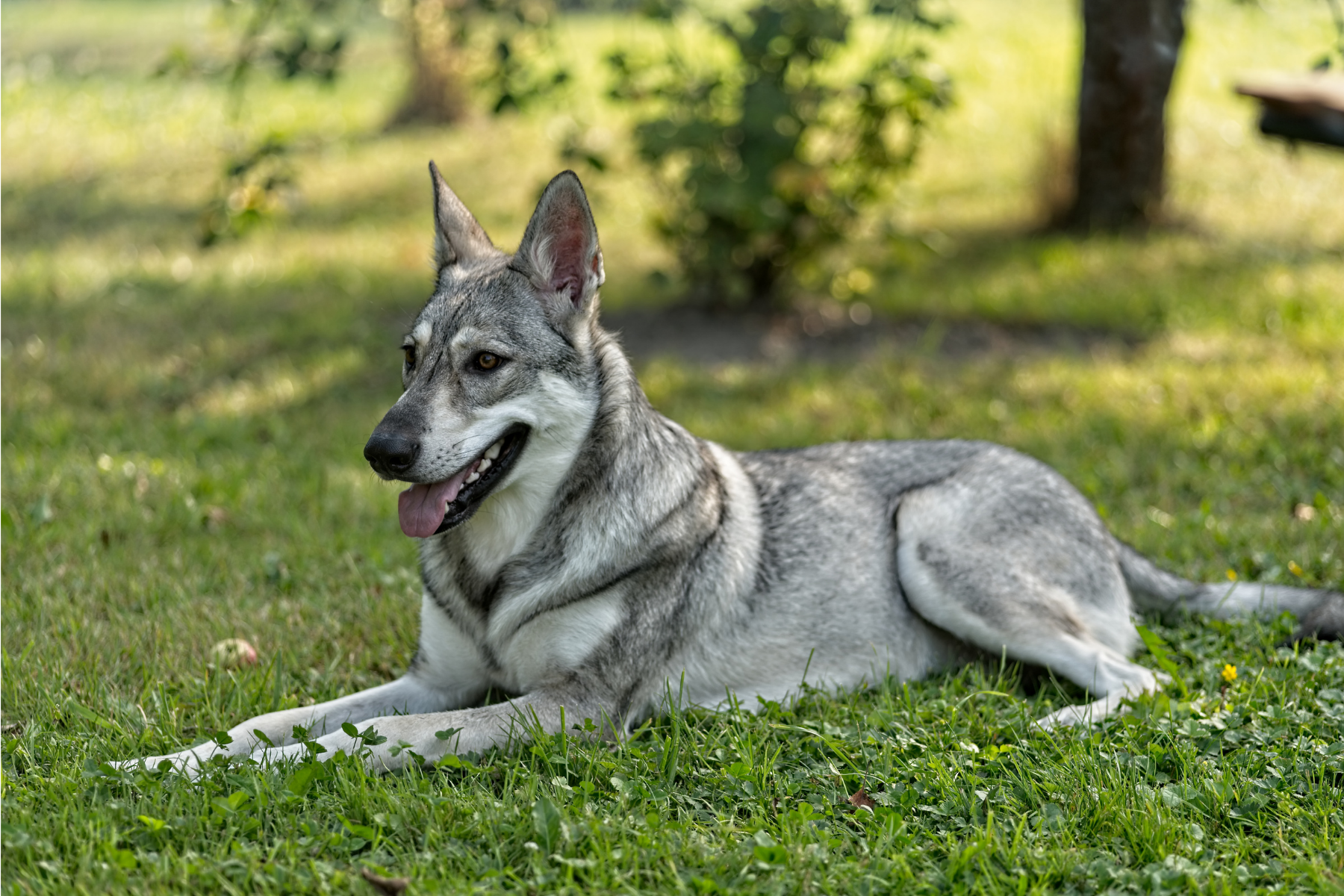
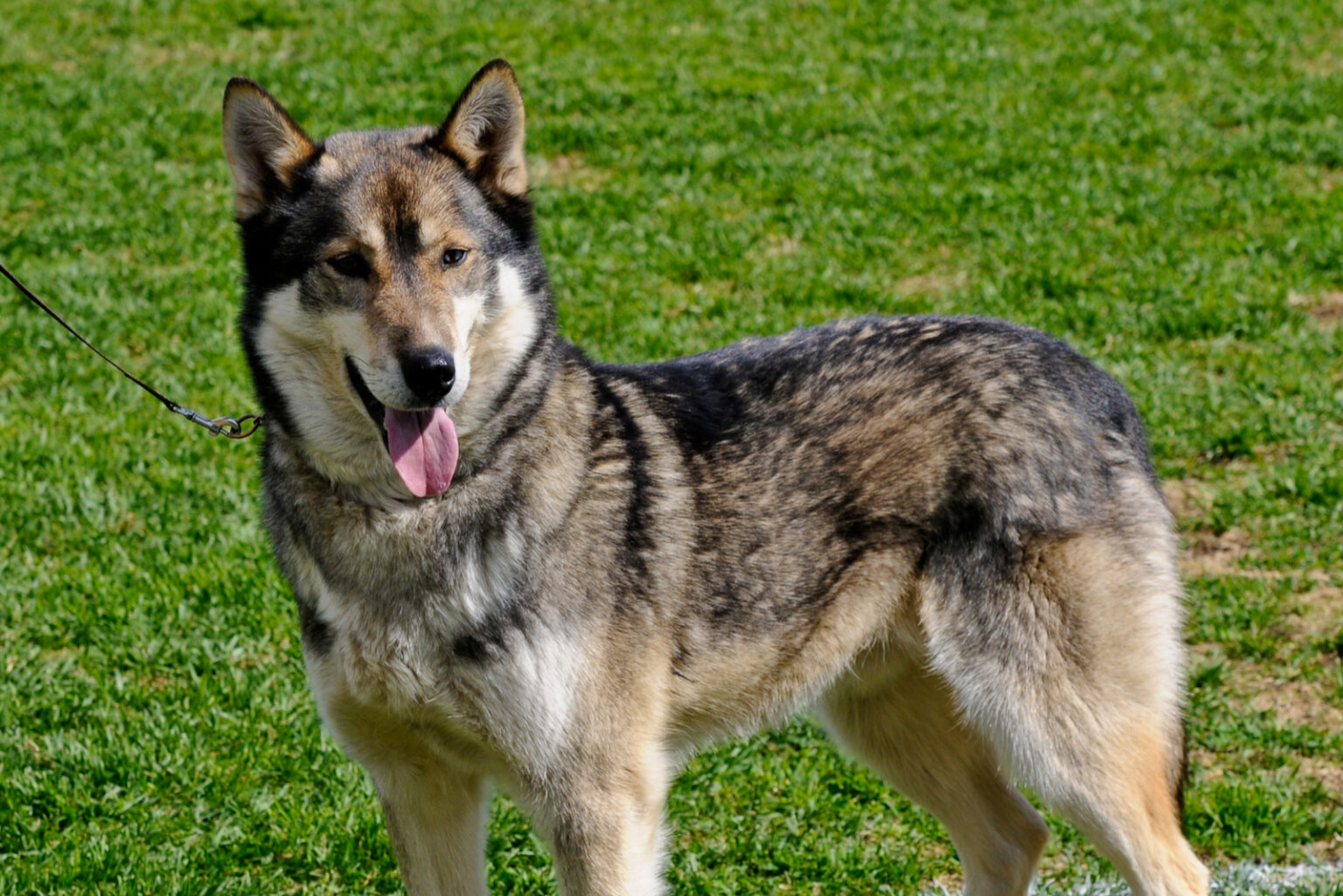
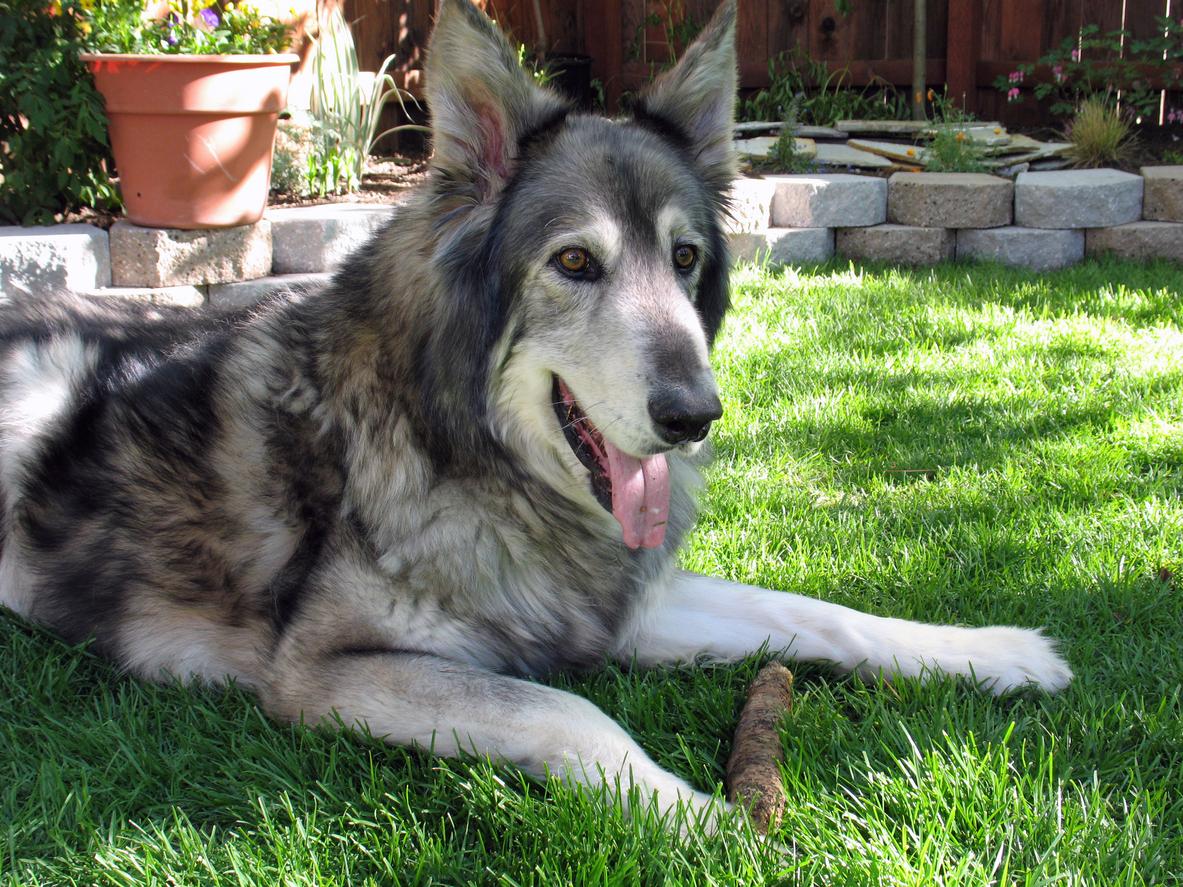
To understand the legality of wolf dogs in Pennsylvania, one must first examine how state authorities define these animals. A wolf dog—often referred to as a wolf hybrid, wolf-canine hybrid, or wolf-dog cross—is the offspring of a mating between a gray wolf (Canis lupus) or another wild subspecies and a domestic dog (Canis lupus familiaris).
Under the Pennsylvania Game and Wildlife Code (Title 34 of the Pennsylvania Consolidated Statutes), wild animals and exotics are subject to stringent oversight. The Pennsylvania Game Commission (PGC) holds regulatory authority over wildlife, while the Pennsylvania Department of Agriculture oversees domestic animals. Wolf-dog hybrids blur these lines. Legally, the PGC and state courts generally view any animal carrying recent wolf genetic lineage as a wild animal or a dangerous exotic wildlife species.
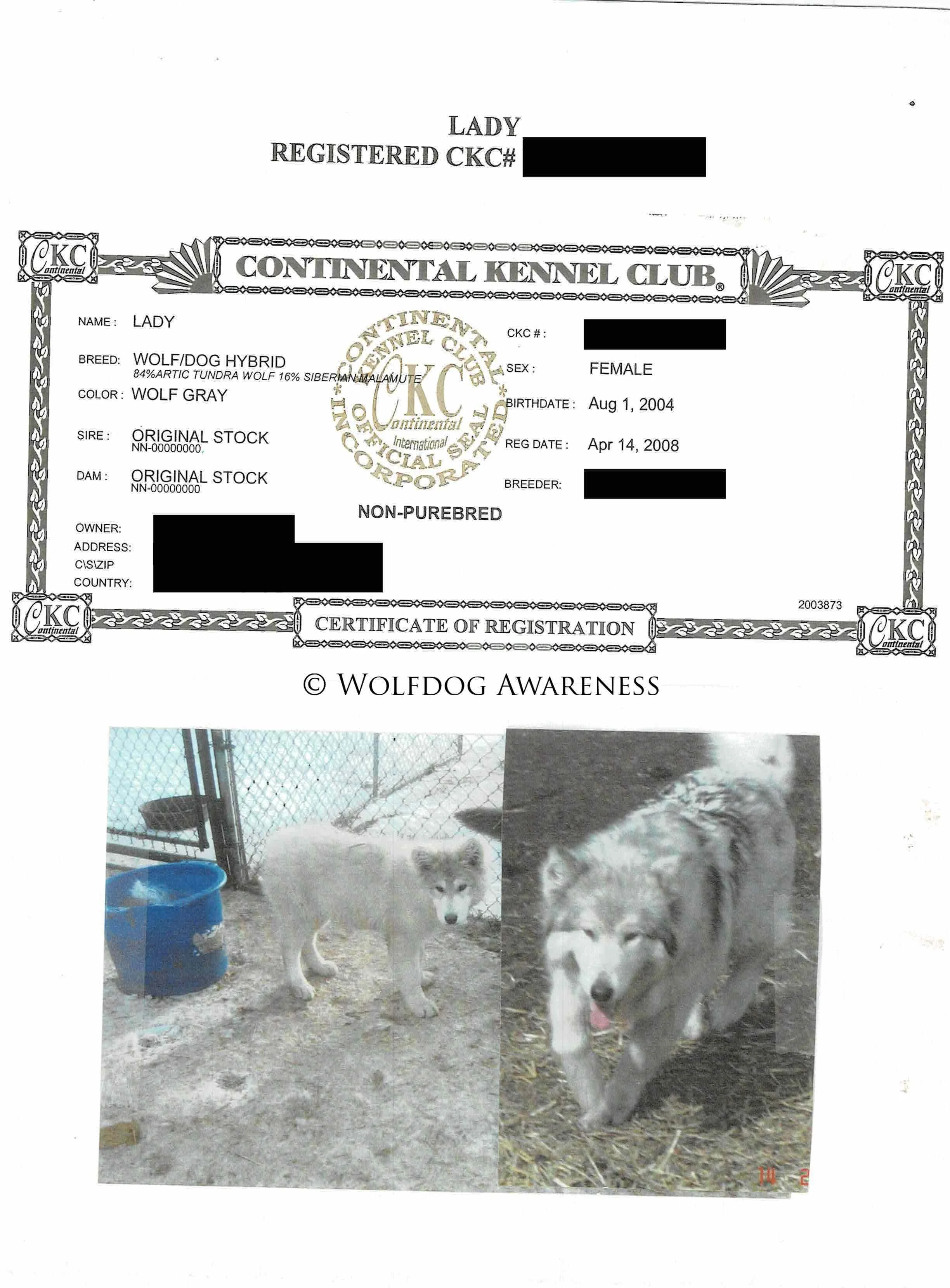
Even if an animal is advertised as a multi-generation hybrid—such as a low-content wolf dog that is technically 87 percent domestic dog and 13 percent wolf—state and local authorities frequently rely on phenotype (physical appearance) and behavioral characteristics. If an animal exhibits distinct wolf-like traits or if genetic testing confirms wild wolf content, it falls under restricted wildlife classifications.
State Statutes and Permitting Realities
The core of wolf dog legality in Pennsylvania lies within Title 34 and associated administrative codes governing exotic wildlife. The possession of exotic wildlife, which includes wolves and wolf hybrids, requires a permit issued by the Pennsylvania Game Commission. However, obtaining this permit is subject to rigorous limitations that effectively bar the average pet owner.
Exotic Wildlife Possession Permits
The Pennsylvania Game Commission issues Exotic Wildlife Possession Permits under specific conditions. According to Title 34 Pa.C.S. § 2965, individuals applying for such permits must meet demanding criteria:
- Experience and Training: Applicants must prove a minimum number of years (often two or more) of hands-on experience working professionally with large carnivores or wild canids in a licensed facility, such as a zoo, accredited sanctuary, or research institution.
- Facility Standards: Enclosures must meet strict structural specifications designed to prevent escape, including high perimeter fencing with dig guards, secure double-gated entry systems, and proper shelter.
- Veterinary Care: Owners must demonstrate an established relationship with a licensed veterinarian willing and qualified to treat wild canids, which often have different pharmacological sensitivities and vaccination requirements compared to domestic dogs.
- Public Safety Insurance: Applicants are typically required to carry substantial liability insurance to cover potential injury or property damage caused by the animal.
Importantly, the Pennsylvania Game Commission generally denies exotic wildlife permits for private, residential pet ownership. Permits are reserved primarily for commercial exhibitors, scientific researchers, educational institutions, and accredited wildlife sanctuaries. Consequently, private citizens cannot legally purchase, import, or harbor a wolf dog in their backyard as a household pet.
Rabies Vaccination and Public Health Complications
One of the most significant legal and practical hurdles facing wolf dog owners—even in states where ownership is less restricted—involves rabies vaccination protocols. In Pennsylvania, as in most jurisdictions, public health laws require all domestic dogs, cats, and ferrets to maintain current rabies vaccinations administered by a licensed veterinarian.
However, the intersection of wildlife and public health creates a complex liability trap:
- Lack of USDA Approval: No rabies vaccine is currently approved by the United States Department of Agriculture (USDA) or licensed for use in wolves or wolf-dog hybrids.
- Legal Status of Off-Label Use: When a veterinarian administers a standard domestic dog rabies vaccine to a wolf hybrid, it is considered an "off-label" use.
- Bite Protocol Consequences: If a wolf dog bites a human or another domestic animal in Pennsylvania, public health authorities and animal control officers do not recognize off-label vaccinations as legally valid protection against rabies. Under state health regulations, an unvaccinated or un-vaccinable wild-hybrid involved in a bite incident is frequently subjected to mandatory euthanasia and brain tissue testing for rabies analysis.
This reality exposes owners to immense legal liability and ensures that a single minor defensive snap from the animal can result in a fatal legal outcome.
Local Municipal Ordinances and Zoning Laws
Beyond state-level wildlife and agricultural codes, aspiring or current exotic animal owners must contend with municipal laws. Pennsylvania features a mosaic of townships, boroughs, and cities, many of which enact local ordinances that are far more restrictive than state law.
Local zoning boards and municipal health departments routinely prohibit the housing of wild animals, dangerous exotics, or wolf hybrids within residential areas. Even if an individual somehow secured a state-level commercial or educational permit, local zoning laws, homeowners association (HOA) covenants, and nuisance animal ordinances can completely block the housing of the animal. Local animal control officers possess the authority to seize illegally kept exotic animals immediately upon discovery.
| Regulatory Level | Governing Body | Legal Status of Wolf Dogs | Primary Requirements or Restrictions |
|---|---|---|---|
| State Wildlife | Pennsylvania Game Commission | Prohibited for private pets | Requires an Exotic Wildlife Possession Permit; restricted to commercial, educational, or research facilities. |
| State Health | Department of Health / Agriculture | Unrecognized vaccination status | No USDA-approved rabies vaccine exists for wolf hybrids; bite incidents trigger mandatory quarantine or euthanasia protocols. |
| Local Municipal | Township / Borough / City Boards | Frequently banned entirely | Local zoning ordinances and nuisance laws often override state considerations and prohibit wild/exotic animals in residential zones. |
| Federal | USDA / APHIS | Regulated commercial trade | The Animal Welfare Act regulates commercial breeders and exhibitors, requiring federal licensing if operations cross state lines. |
Enforcement, Seizure, and Penalties
The enforcement of laws regarding illegal wolf dog ownership in Pennsylvania is active and multi-agency. Wildlife conservation officers, state troopers, local police departments, and humane society police officers all possess the legal authority to investigate reports of illegal exotic wildlife.
When authorities discover an illegally possessed wolf dog, the standard procedure involves:
- Immediate Seizure: The animal is confiscated from the owner to protect public safety and enforce state wildlife codes.
- Citation and Criminal Charges: The owner faces summary offenses or misdemeanor charges for violating the Pennsylvania Game and Wildlife Code, illegal possession of exotic wildlife, and potentially local ordinance violations.
- Fines and Restitution: Penalties include steep financial fines, court costs, and restitution fees associated with the transport, housing, and veterinary assessment of the seized animal.
- Disposition of the Animal: Because wolf hybrids cannot simply be released into the wild (where they lack survival skills and pose risks to native ecosystems) and cannot be integrated into standard municipal shelters due to liability, confiscated animals are typically transferred to licensed, specialized wolf sanctuaries—provided space is available. In many cases, unplaceable animals face humane euthanasia.
Common Misconceptions and Legal Myths
Numerous myths persist regarding the legality of wolf dogs, leading well-meaning individuals into severe legal trouble.
- The "Percentage Rule" Myth: A prevalent belief suggests that if a wolf dog is past a certain generational threshold (e.g., 98 percent dog and 2 percent wolf), it is legally classified as a domestic dog. In practice, Pennsylvania wildlife authorities and courts look at physical characteristics, behavioral traits, and verifiable lineage. If the animal displays wolf phenotype or carries documented wolf heritage, it remains subject to wild animal restrictions.
- Veterinary Confidentiality: Some owners believe that taking a wolf hybrid to a veterinarian creates a confidential medical record protected from law enforcement. However, veterinarians are bound by professional ethics, public health mandates, and state reporting laws regarding dangerous or unregulated wildlife species.
- Service Animal Status: Attempting to register a wolf dog as a service animal or emotional support animal (ESA) does not bypass state wildlife laws. The Americans with Disabilities Act (ADA) explicitly limits service animals to dogs (and in some cases miniature horses) that are individually trained to do work or perform tasks for the benefit of an individual with a disability. Wolf hybrids do not qualify as service animals under federal or state law due to their wild genetic background and unpredictable temperament.
Frequently Asked Questions
Can I legally own a wolf dog in Pennsylvania if I buy it out of state and bring it home?
No. Transporting an illegal exotic animal across state lines into Pennsylvania violates both state wildlife importation laws and possession statutes. Doing so can trigger state wildlife violations and federal scrutiny under interstate wildlife trafficking regulations.
What happens if my neighbor reports my pet dog as a wolf hybrid?
If animal control or a wildlife conservation officer investigates and suspects your domestic dog is a wolf hybrid, you may be required to prove the animal's domestic lineage through certified breeder documentation or DNA testing. If the animal is determined to be a wolf hybrid, it can be seized for illegal possession.
Are there any legal sanctuaries for wolf dogs in Pennsylvania?
Yes, Pennsylvania is home to accredited and licensed rescue organizations and sanctuaries that specialize in housing displaced wolf-dog hybrids. However, these facilities operate under strict state and federal permits and are closed to the public as private pet-keeping facilities.
Can a regular veterinarian vaccinate my wolf dog against rabies?
While some veterinarians may administer a rabies vaccine off-label upon request, Pennsylvania public health authorities do not recognize this vaccination as legally valid for rabies control in wolf hybrids. A bite incident involving the animal will still be treated as an exposure from an unvaccinated wild animal.
What should I do if I currently possess an illegal wolf dog in Pennsylvania?
If you are currently housing an illegal wolf dog, retaining the animal places you at continuous legal risk and creates public liability. The safest and most legally compliant course of action is to contact a licensed wildlife sanctuary, humane organization, or the Pennsylvania Game Commission to arrange for the voluntary surrender of the animal to a facility equipped to handle its long-term care.
Conclusion and Next Actions
Wolf dogs are definitively not legal for private citizens to own as pets in Pennsylvania. The combination of strict Pennsylvania Game Commission regulations, local municipal zoning bans, and unresolvable public health complications regarding rabies protocols makes private ownership unlawful and dangerous.
For individuals fascinated by the appearance of wolves, the responsible and legal alternative is to adopt a high-content domestic dog breed—such as the Siberian Husky, Alaskan Malamute, or Czechoslovakian Vlcak (noting that even some high-content domestic breeds face local scrutiny)—or to support accredited wolf sanctuaries through donations and volunteer work rather than attempting private ownership.