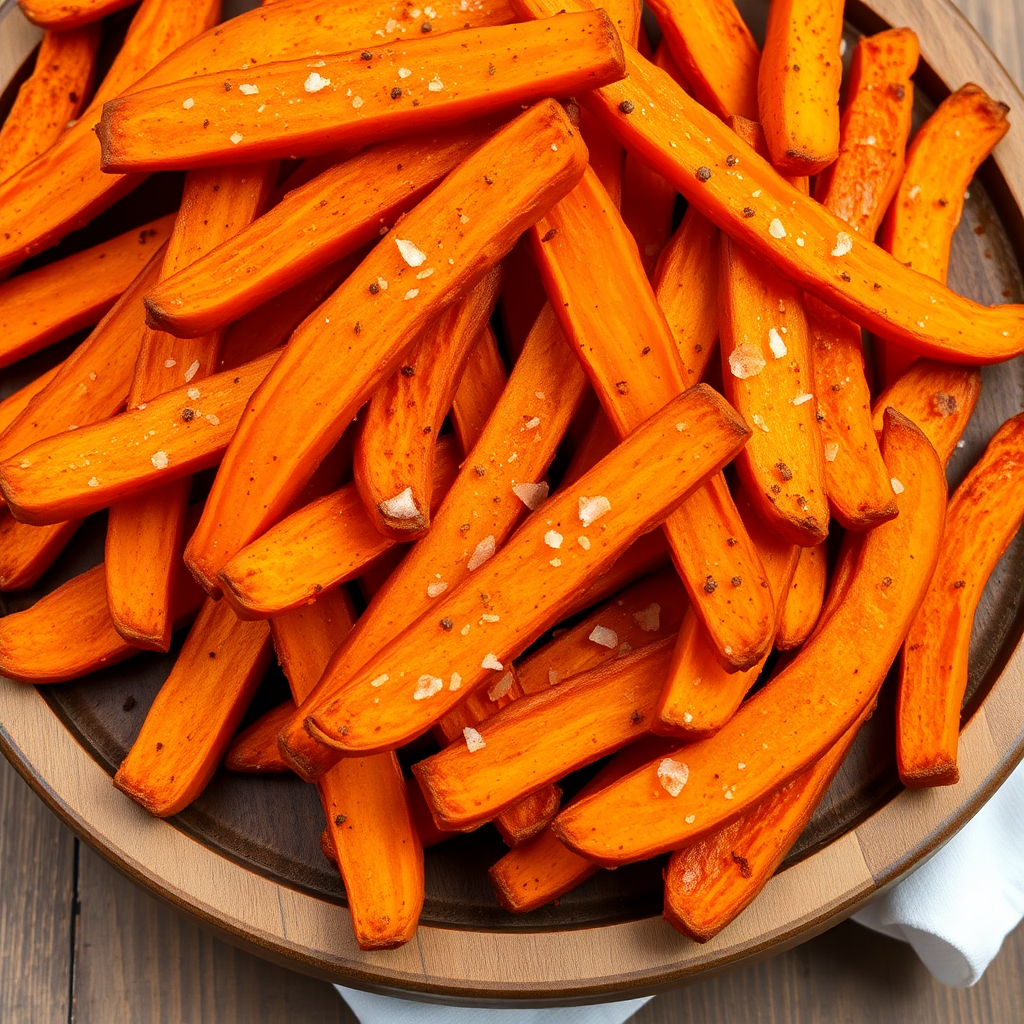
Wendy's has long experimented with alternative side dishes to complement its core menu items, and sweet potato options occasionally appear as limited-time offerings or in select regional test markets. When consumers encounter these items, the evaluation of whether they are worth the money depends heavily on taste, texture, nutritional profile, and price point compared to traditional french fries.
Understanding the Wendy's Menu Strategy and Sweet Potato Offerings
Fast-food chains frequently introduce seasonal items to drive traffic, test consumer preferences, and create menu rotation excitement. Wendy's is no exception, historically experimenting with seasonal spins on classic comfort foods. While Wendy's core french fries—known for their skin-on, natural-cut style—remain a permanent fixture, alternative potato products occasionally surface.
When analyzing whether Wendy's sweet potato fries are worth the purchase, it helps to understand how fast-food operations produce these items. Unlike traditional russet potatoes, sweet potatoes have a higher sugar content and a lower starch content. This biochemical difference changes how they fry, freeze, and hold heat. Fast-food restaurants typically coat sweet potato fries in a batter containing cornstarch, rice flour, or dextrin to achieve the crisp exterior that consumers expect, offsetting the natural moisture of the vegetable.
Furthermore, availability is a primary factor in the value equation. Because sweet potato products are rarely permanent nationwide fixtures on the Wendy's menu, consumers often encounter them as limited-time promotional items. This scarcity can elevate perceived value through the lens of novelty, but it also means consistency can vary drastically by location and supply chain availability.
Taste, Texture, and Flavor Profiles: What to Expect
The ultimate test of any fast-food side item is its sensory experience: how it tastes, how it feels in the mouth, and how well it pairs with the rest of the meal. Sweet potato fries occupy a unique culinary space because they bridge the gap between savory and sweet flavor profiles.
The Exterior Crunch Versus Interior Tenderness
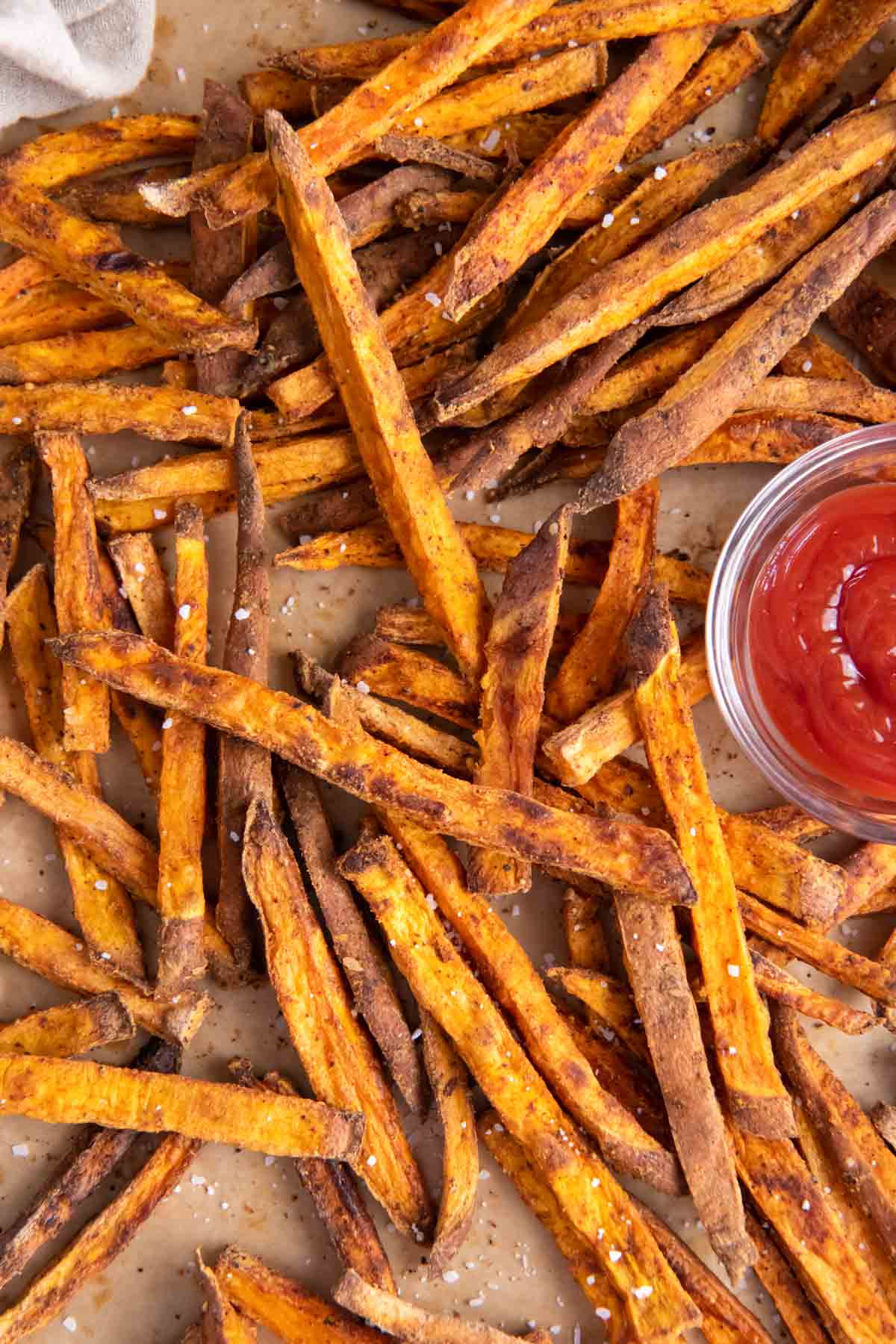
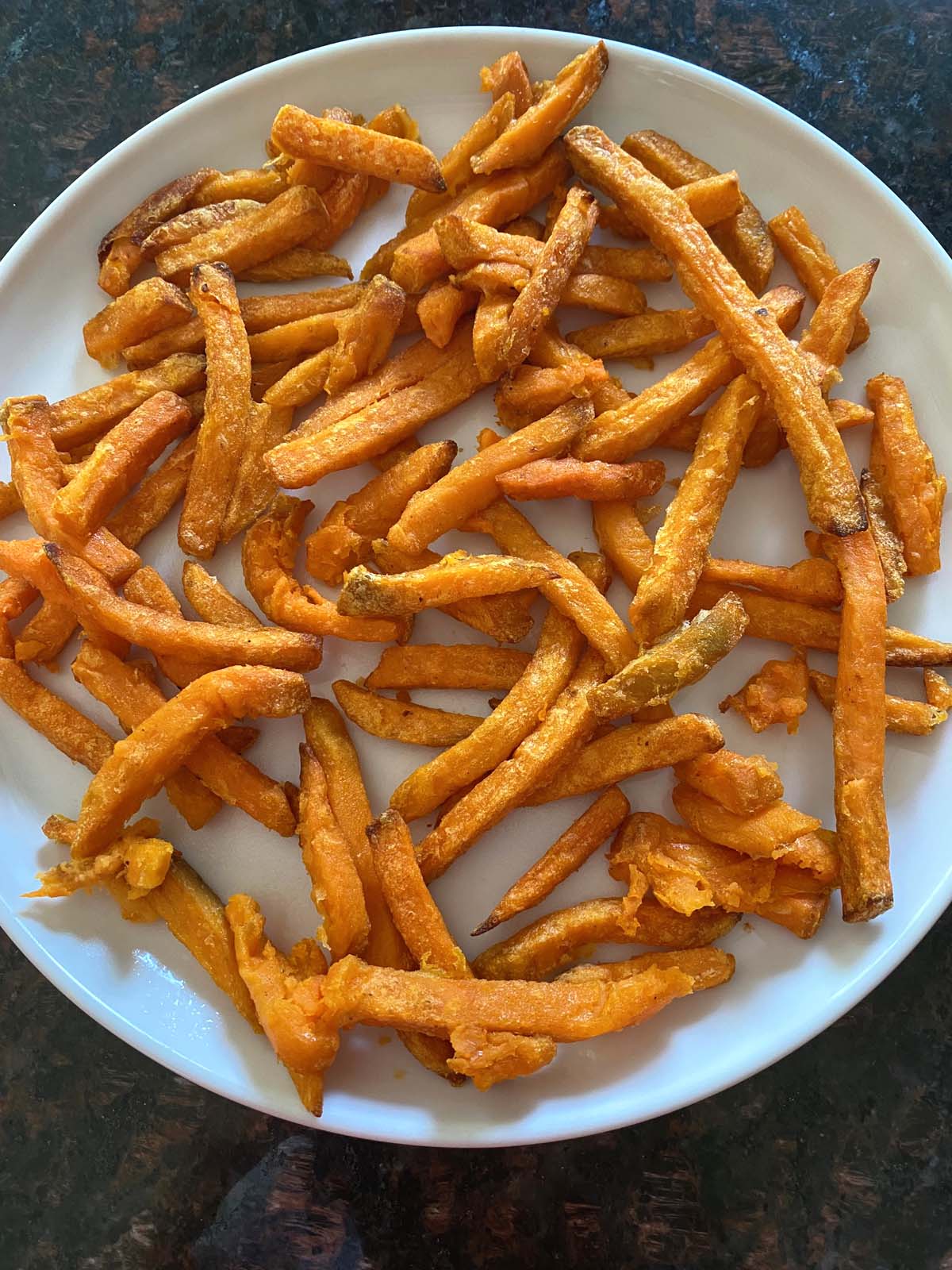
A common pitfall of quick-service sweet potato fries is sogginess. Because sweet potatoes retain moisture easily, achieving a satisfying crunch requires precise frying temperatures and specialized batters. When prepared correctly at Wendy's, the exterior offers a light, delicate crispness rather than the heavy crunch of a traditional battered onion ring. The interior yields a soft, dense, and naturally sweet potato flesh that contrasts pleasantly with the salty seasoning applied post-fry.
Seasoning and Accompaniments
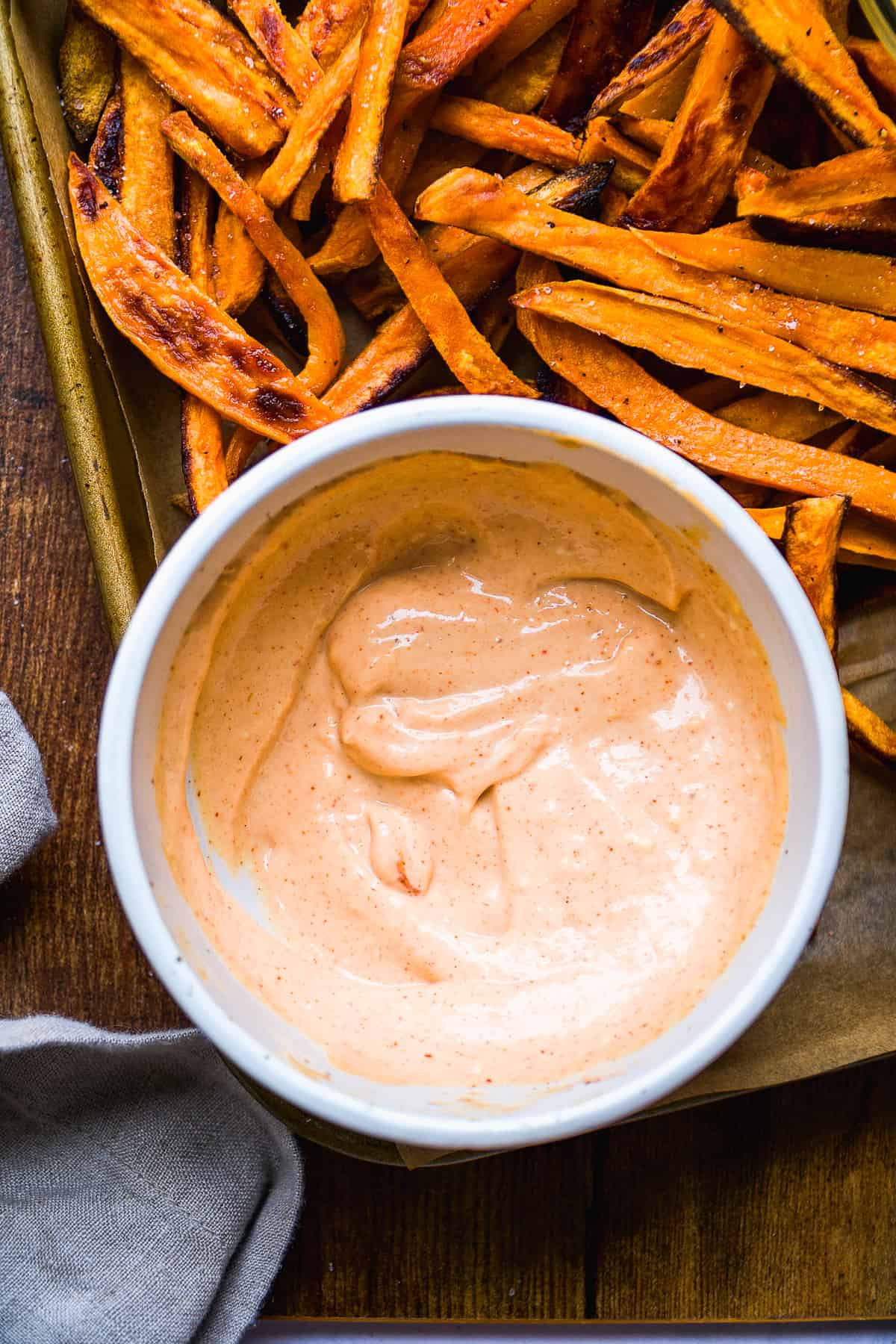
Unlike standard sea-salt french fries, sweet potato fries are frequently served or paired with specialized dipping sauces. Depending on the specific promotional rollout, Wendy's has paired sweet potato offerings with brown sugar, cinnamon butter, or savory aioli sauces designed to enhance the natural earthiness of the root vegetable.
- Savory Pairing: Standard sea salt allows the natural caramelization of the sweet potato sugars to shine through, pairing well with classic burgers and dipping sauces like ranch or barbecue.
- Sweet Pairing: When served with cinnamon sugar or sweet butter dips, the dish leans heavily into dessert territory, transforming a savory side into an indulgent treat.
Nutritional Profile and Health Perceptions
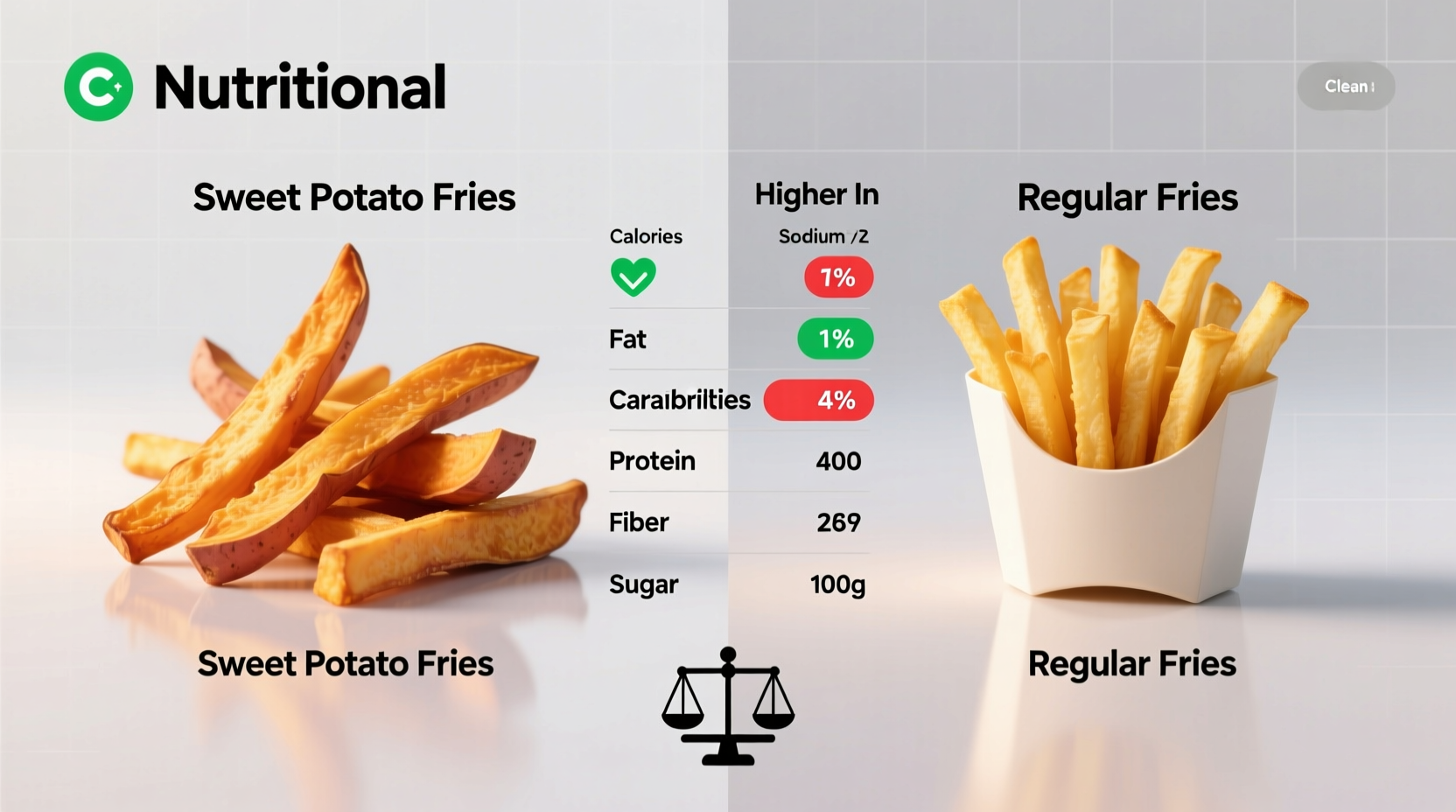
Many consumers gravitate toward sweet potato fries under the assumption that they represent a healthier alternative to traditional french fries. While sweet potatoes are rich in dietary fiber, vitamin A, and potassium in their whole, unbaked state, the deep-frying process alters this nutritional equation significantly.
| Nutritional Attribute | Traditional Natural-Cut Fries | Fast-Food Sweet Potato Fries (Estimated) |
|---|---|---|
| Primary Base | Russet Potato | Sweet Potato |
| Fiber Content | Moderate | Slightly Higher (due to root composition) |
| Vitamin A | Trace / Low | High (Beta-carotene) |
| Preparation Method | Deep-fried | Battered and deep-fried |
| Caloric Density | High | High (Comparable or slightly higher due to batter) |
It is a common misconception that ordering sweet potato fries constitutes a health-conscious meal choice at a fast-food restaurant. The industrial frying process absorbs substantial amounts of cooking oil, and the added batters used to maintain structural integrity often contain added sugars and starches. Therefore, if you are evaluating these fries based on health benefits alone, the nutritional delta between standard fries and sweet potato fries is often negligible. Their value should be measured primarily by culinary enjoyment rather than dietary health.
Cost, Pricing Structure, and Value for Money
Fast-food pricing has faced significant upward pressure across the industry. When evaluating whether a specialty item like sweet potato fries is worth the financial outlay, pricing tiers play a major role.
Typically, specialty or limited-time-offer (LTO) sides command a premium over standard menu items. If Wendy's prices sweet potato fries higher than standard natural-cut fries, consumers must weigh whether the distinct flavor profile justifies the surcharge.
Factors Influencing the Value Proposition
- Portion Sizing: Consistency in cup or carton fill lines dictates whether the consumer feels cheated by premium pricing.
- Heat Retention: Sweet potato fries tend to lose their structural integrity and crispness faster than russet fries as they cool. If a drive-thru trip takes more than ten minutes, the fries may become limp, diminishing their value.
- Menu Alternatives: Considering what else that money could buy on the Wendy's value menu helps contextualize the expenditure.
Comparing Wendy's Sweet Potato Fries to Competitor Offerings
Wendy's is not the only major quick-service restaurant chain to experiment with sweet potato sides. To fully assess their worth, it is instructive to look at how other national brands handle the product.
- Fast-Food Competitors: Chains like Burger King and various regional operations have introduced sweet potato fries with varying degrees of success. Many suffer from the same operational hurdle: maintaining crispness under heat lamps or during delivery transport.
- Fast-Casual Standards: Fast-casual establishments (such as Smashburger or Red Robin) often bake or expertly fry sweet potato sides, serving them with gourmet aiolis at a significantly higher price point.
When compared to quick-service competitors, Wendy's execution generally aligns with industry standards for battered fast-food sweet potatoes—offering a reliable balance of sweetness and salt, provided they are consumed fresh out of the fryer.
Common Mistakes When Ordering and Enjoying Sweet Potato Fries
To maximize the satisfaction and value of your order, certain pitfalls should be avoided:
- Ordering for Delivery: Sweet potato fries do not travel well. The steam trapped inside a delivery container rapidly softens the batter, turning a crisp side dish into a soggy disappointment. They are best enjoyed immediately on-site or in a parked car.
- Expecting a Health Food: Do not treat sweet potato fries as a dietary substitute for a salad. Enjoy them for their unique taste profile rather than health metrics.
- Ignoring Dip Recommendations: Eating them completely plain can sometimes highlight the oiliness of the batter. Pairing them with the intended dipping sauce elevates the overall flavor experience significantly.
Conclusion: Are They Worth It?
Ultimately, Wendy's sweet potato fries are worth it if you enjoy the distinct, sweet-and-savory flavor of sweet potatoes, prefer a softer interior texture, and catch them during a fresh batch preparation. If you are seeking a deeply crunchy, traditional french-fry experience or expecting a health-conscious side dish, you may find better value sticking to Wendy's classic natural-cut sea-salt fries. Assess your craving, check the temperature of the food upon receipt, and enjoy them immediately for the best possible experience.