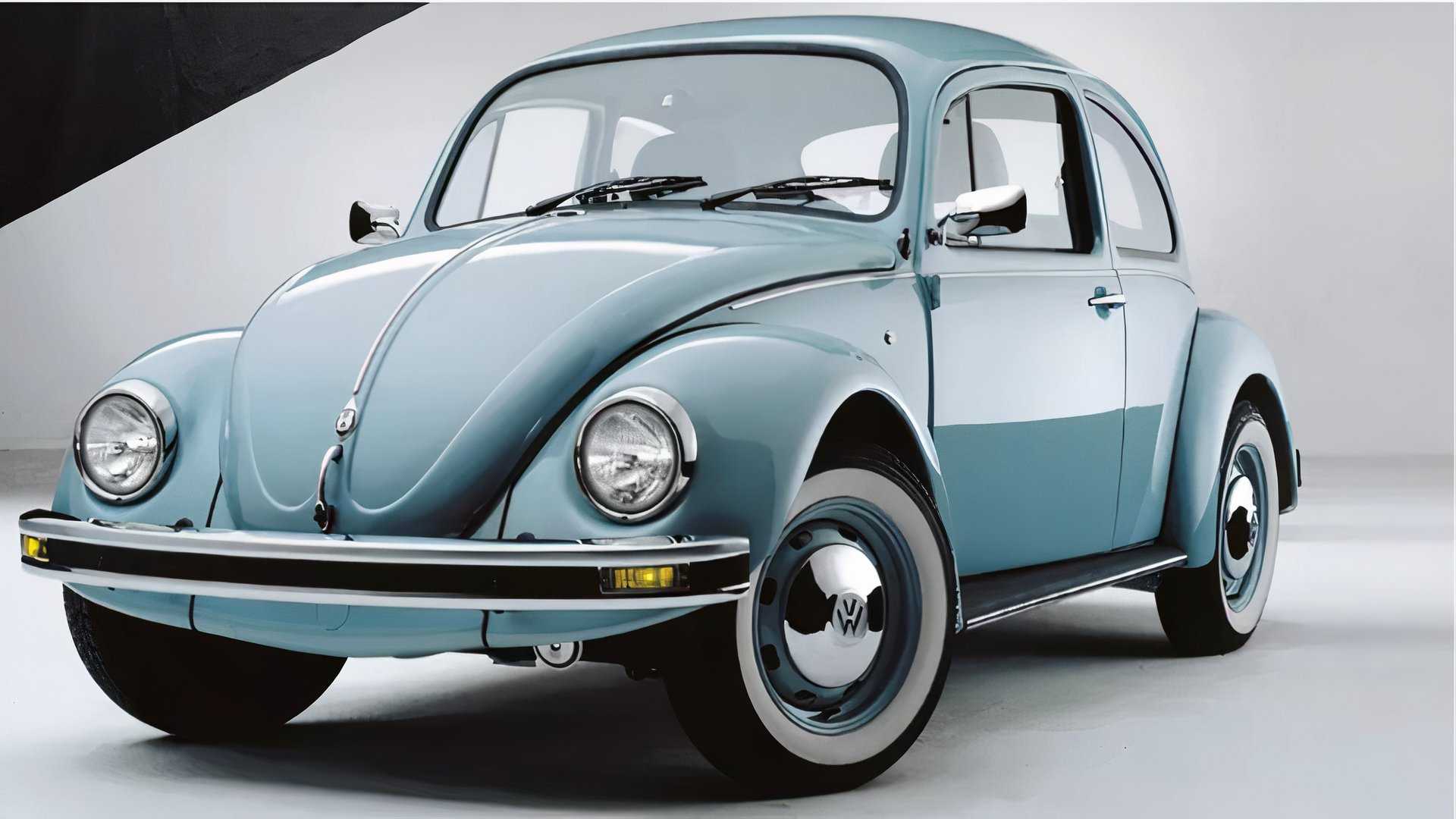
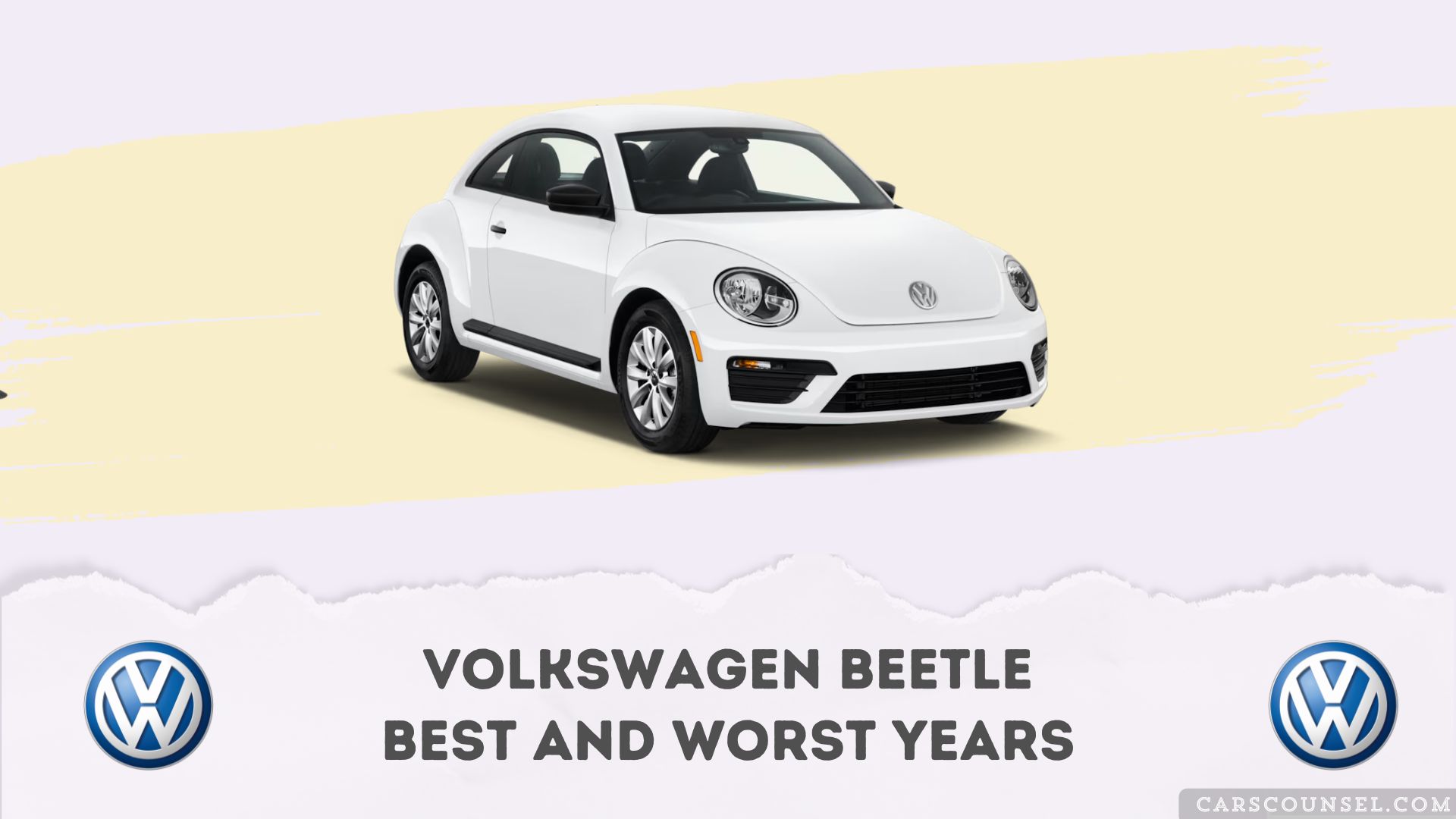
The Volkswagen Beetle is generally considered a moderately reliable car, but its reliability varies drastically depending on the era. Classic air-cooled models from 1938 to 2003 require frequent mechanical maintenance but are mechanically simple, whereas modern water-cooled New Beetles (1998–2019) share platforms with contemporary Volkswagens and require strict preventative care to avoid costly electrical and transmission repairs.
When automotive enthusiasts and prospective buyers ask, "are Volkswagen Beetles reliable cars," they are usually greeted with a dichotomy of answers. This division stems from the massive technological chasm separating the classic rear-engine, air-cooled cars from the front-engine, water-cooled generations that followed. Understanding the reliability of a Volkswagen Beetle requires examining how these distinct eras perform in daily driving conditions, what common failure points to expect, and how maintenance practices dictate long-term ownership costs.
The Two Eras of Volkswagen Beetle Reliability
To evaluate the reliability of any Volkswagen Beetle accurately, one must divide the vehicle's history into two distinct categories: the Classic Air-Cooled era and the Modern Water-Cooled era. Each era features entirely different mechanical configurations, electrical systems, and failure modes.
| Feature / Characteristic | Classic Air-Cooled (1938–2003) | Modern New Beetle (1998–2019) |
|---|---|---|
| Engine Layout | Rear-engine, rear-wheel drive | Front-engine, front-wheel drive |
| Cooling System | Air-cooled (no coolant/radiator) | Liquid-cooled (radiator/coolant) |
| Electrical Complexity | Low (6-volt or 12-volt, minimal) | High (Complex sensors, modules) |
| Primary Maintenance Focus | Valve adjustments, oil changes | Timing belts, gaskets, electronics |
| Daily Usability | Requires mechanical aptitude | Functions like a modern compact |
Classic Air-Cooled Beetles (1938–2003)
The classic Beetle is famous for its mechanical simplicity. Designed to be repaired by the roadside with basic hand tools, these vehicles lack complex engine management computers, fuel injection (in early models), and intricate cooling systems.
From a strict reliability standpoint, classic Beetles rarely leave you stranded without warning, but they do demand frequent, hands-on preventative maintenance. Owners must regularly check and adjust valve clearances, clean points, change the oil every 3,000 miles (as there is no sophisticated oil filter, only a strainer), and monitor the condition of the generator or alternator. Because these cars are now decades old, original parts wear out naturally due to age, meaning their reliability today is heavily dependent on the quality of past restorations and routine upkeep.
Modern New Beetles (1998–2019)
The modern era includes the New Beetle (1998–2010) and the final Beetle generation (2012–2019). Built on Volkswagen's Golf platform, these vehicles are mechanically identical to other Volkswagen models of their respective years.
Unlike their air-cooled ancestors, modern Beetles offer comfortable ride qualities, modern safety features, and climate control, but they trade away the bulletproof mechanical simplicity of the past. Their reliability relies heavily on strict adherence to factory maintenance schedules. Neglecting fluid changes or ignoring minor check-engine lights can quickly cascade into expensive mechanical failures.
Evaluating Modern New Beetle Reliability (1998–2019)
For buyers looking at used New Beetles as daily drivers, reliability is a multifaceted evaluation involving engine choices, transmission health, and electrical system integrity.
Engine Options and Common Issues
The modern Beetle came with several engine configurations, each with unique mechanical tendencies:
- 2.0L 8-Valve (1998–2005): Known as an extraordinarily tough engine, this powerplant is generally under-stressed and durable. However, it is prone to high oil consumption as piston rings and valve stem seals age.
- 1.8L Turbo (1999–2005): Offers spirited performance but requires meticulous oil change intervals. Using incorrect oil weights or neglecting turbo cool-down cycles leads to oil coking in the turbo lines, resulting in premature turbocharger failure.
- 2.5L 5-Cylinder (2006–2014): Widely regarded as one of the most reliable engines installed in modern Beetles. It features a robust timing chain system and simple fuel delivery, making it a favorite for buyers prioritizing trouble-free operation.
- 1.4L and 2.0L TSI Turbo (2012–2019): These modern direct-injection engines offer great fuel economy and power, but early versions of the 2.0T (such as the CCTA/CBFA engines) suffered from timing chain tensioner failures that could cause catastrophic engine damage if unaddressed.
Transmission Reliability
Manual transmissions in modern Beetles are generally dependable, typically requiring only clutch replacements at high mileage. Automatic transmissions, however, warrant careful inspection.
Early automatic units (such as the 01M 4-speed found in late-90s and early-2000s models) have a reputation for premature failure due to valve body wear and overheating. Later models featuring the 6-speed Tiptronic or the DSG (Direct-Shift Gearbox) dual-clutch automatic are smoother and more efficient, but the DSG requires strict fluid and filter changes every 40,000 miles to prevent expensive mechatronic unit failures.
Electrical and Interior Systems
Ask any Volkswagen mechanic about modern Beetle reliability, and they will likely point to the electrical system as the primary source of frustration. Common electrical gremlins include:
- Failing window regulators that cause power windows to drop into the door panel.
- Faulty door latch microswitches that fail to register when doors are open, leading to interior light and alarm malfunctions.
- Degraded dashboard wiring insulation and erratic instrument cluster behavior.
- Coolant migration issues where sensors fail, allowing coolant to wick up through the wiring harness toward the engine control module (ECM).
Evaluating Classic Air-Cooled Beetle Reliability
If you are considering a classic Volkswagen Beetle from the 1960s or 1970s, your definition of reliability must shift. These cars do not break down unexpectedly in modern traffic if maintained correctly, but they require a different operational mindset.
The Air-Cooled Engine
The flat-four boxer engine relies entirely on cooling fins and a belt-driven fan to regulate temperature. Because there is no antifreeze, coolant leaks are impossible; however, oil leaks from pushrod tube seals, valve cover gaskets, and oil cooler seals are common.
A well-tuned air-cooled engine can easily surpass 100,000 miles before needing a rebuild, provided the oil is changed frequently and the engine is never allowed to overheat. Overheating—caused by missing engine compartment tinware, a broken fan belt, or running too lean—is the single greatest threat to classic Beetle reliability.
Fuel Systems and Carburetion
Classic Beetles utilize mechanical fuel pumps and single or dual carburetors (such as Solex or Weber units). While these systems are easy to rebuild and diagnose at home, they lack the self-correcting nature of modern fuel injection. Cold weather starting requires precise technique (pumping the throttle and engaging the choke), and vapor lock can occur on extremely hot summer days when fuel boils in the lines.
Maintenance Costs and Parts Availability
One of the greatest advantages shared by both classic and modern Volkswagen Beetles is exceptional parts availability. Whether you are sourcing a generator for a 1967 model or a water pump for a 2014 Turbo, the aftermarket support network is vast.
- Classic Parts: Companies like J-Bugs and The Samba community provide boundless documentation, forums, and reproduction parts at affordable prices. DIY repair is entirely feasible, keeping labor costs to zero.
- Modern Parts: While aftermarket parts are plentiful, modern European vehicles demand quality components. Using cheap aftermarket sensors or ignition coils often leads to recurring check-engine lights. Professional labor rates for European imports can also inflate repair bills compared to domestic or Japanese compacts.
Frequently Asked Questions
Can a modern Volkswagen Beetle be used as a reliable daily driver?
Yes, provided it has a documented maintenance history and you address minor issues promptly. Models equipped with the 2.5-liter five-cylinder engine (2006–2014) are generally considered the most dependable daily drivers of the modern era due to their simpler mechanical design and robust timing chain setup.
What is the most common reason a modern New Beetle breaks down?
Cooling system leaks (cracked plastic thermostat housings, brittle coolant flanges, or failing water pumps) and electrical failures (such as faulty ignition coils or window regulators) are the most frequent causes of unexpected repairs in modern models.
Do classic Beetles break down often?
Classic Beetles do not inherently break down often, but because they are vintage vehicles, rubber components dry out, wiring degrades, and carburetors fall out of tune. They require constant preventative inspection rather than the "set-it-and-forget-it" reliability expected from modern cars.
Are Volkswagen Beetles expensive to repair?
Repair costs depend entirely on the era. Classic Beetles are inexpensive to fix, especially if you do the work yourself. Modern Beetles can incur higher-than-average repair bills if taken to specialized European import mechanics for complex electrical or transmission diagnostics.
How many miles can a Volkswagen Beetle last?
With proper maintenance, air-cooled engines typically achieve 100,000 miles before a major top-end or full rebuild. Modern water-cooled engines routinely exceed 150,000 to 200,000 miles, provided the oil and timing components are serviced strictly according to factory guidelines.
Summary and Next Actions
Volkswagen Beetles can be reliable cars, but success depends on matching your expectations and mechanical tolerance to the right model year. If you want hassle-free daily transportation, look for a 2006–2014 model with the 2.5L engine and a complete service record. If you are comfortable with weekend wrenching and vintage quirks, a sorted air-cooled classic offers timeless charm and straightforward mechanics.
Before purchasing any used Beetle, always arrange for a pre-purchase inspection (PPI) from a mechanic specializing in Volkswagen vehicles. Verify the condition of timing components on modern turbos or check for rust underneath the floorpans of classic models to ensure your investment remains dependable for years to come.