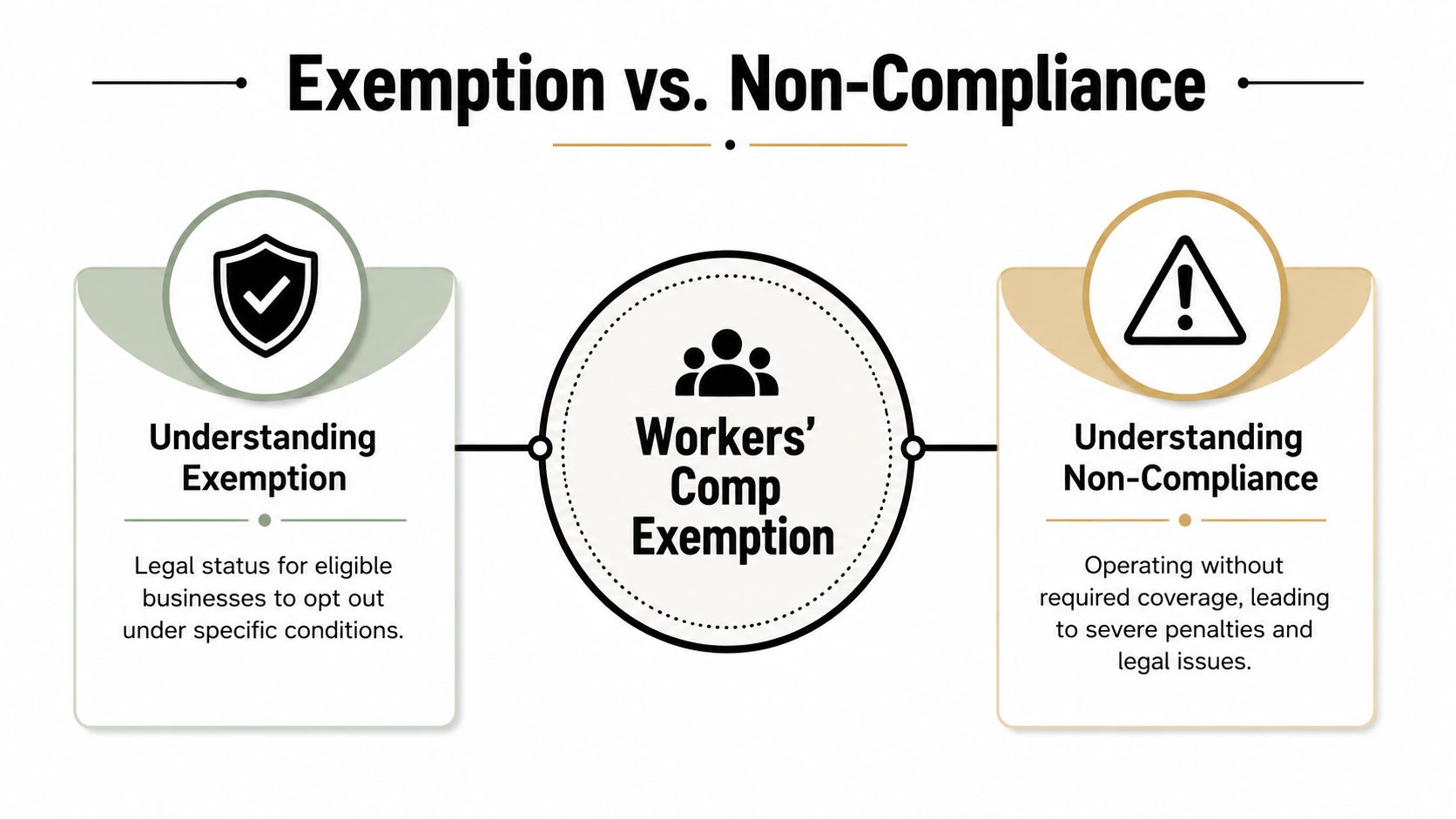
When workers are classified as exempt from workers' compensation requirements, they are typically exempt from mandatory employer-provided coverage, but they are not entirely immune to the financial, legal, and operational risks associated with workplace injuries. While business owners, independent contractors, corporate officers, or sole proprietors may legally opt out of carrying a policy in certain jurisdictions, this exemption does not automatically shield them from personal liability, civil lawsuits, or the complex realities of occupational accidents. Understanding the boundaries of these exemptions requires a close examination of state labor laws, contractual obligations, and the fundamental differences between statutory insurance mandates and civil liability.
Understanding Workers' Compensation Exemptions
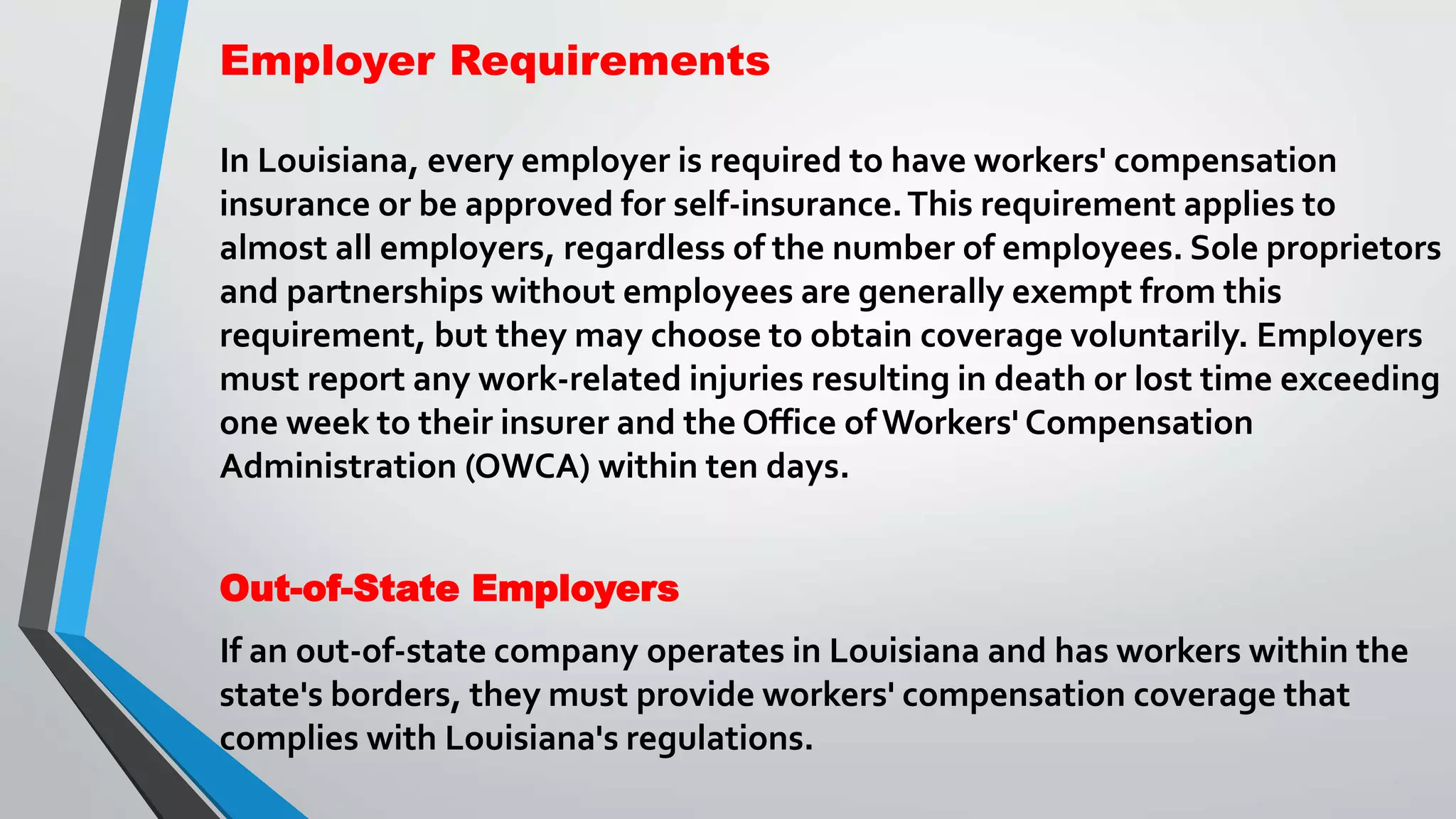
Workers' compensation is a state-regulated insurance system designed to provide medical benefits and wage replacement to employees injured on the job. In exchange for these guaranteed benefits, employees generally give up their right to sue their employers for negligence—a concept known as the "exclusive remedy" rule. However, state laws across the United States allow certain categories of workers and business entities to opt out of purchasing this insurance.
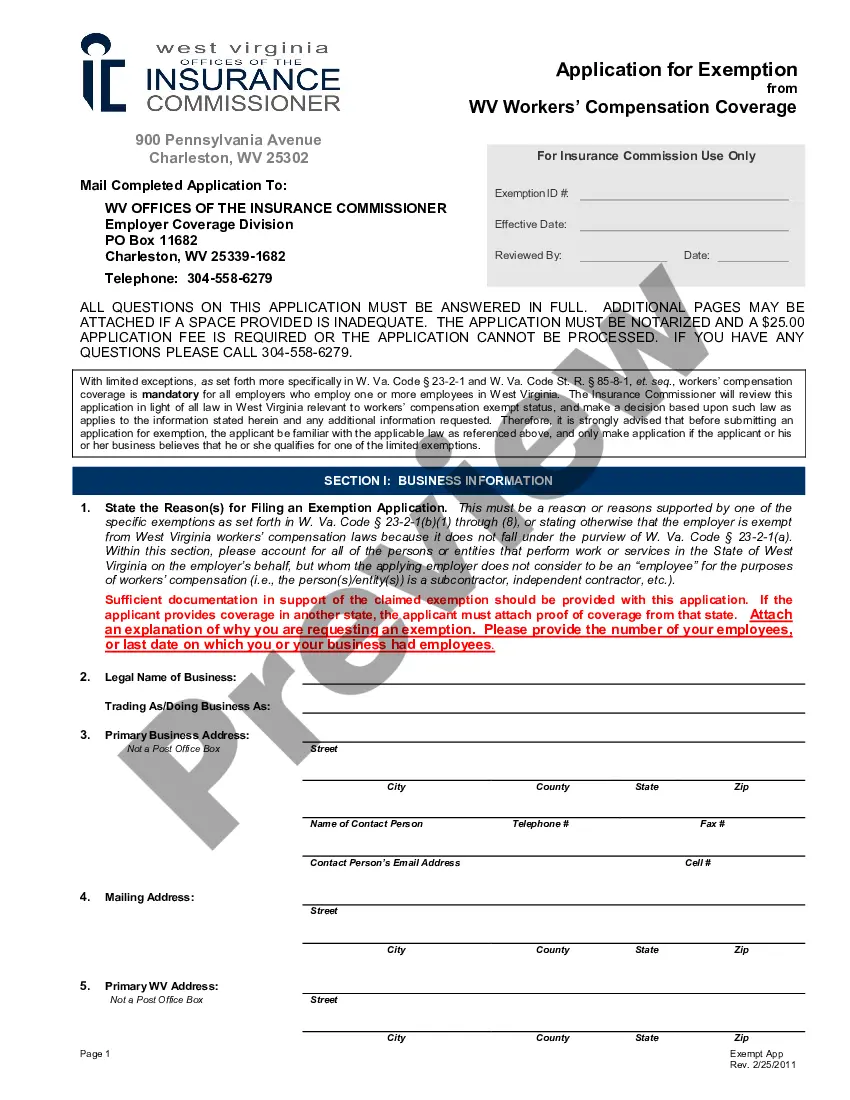
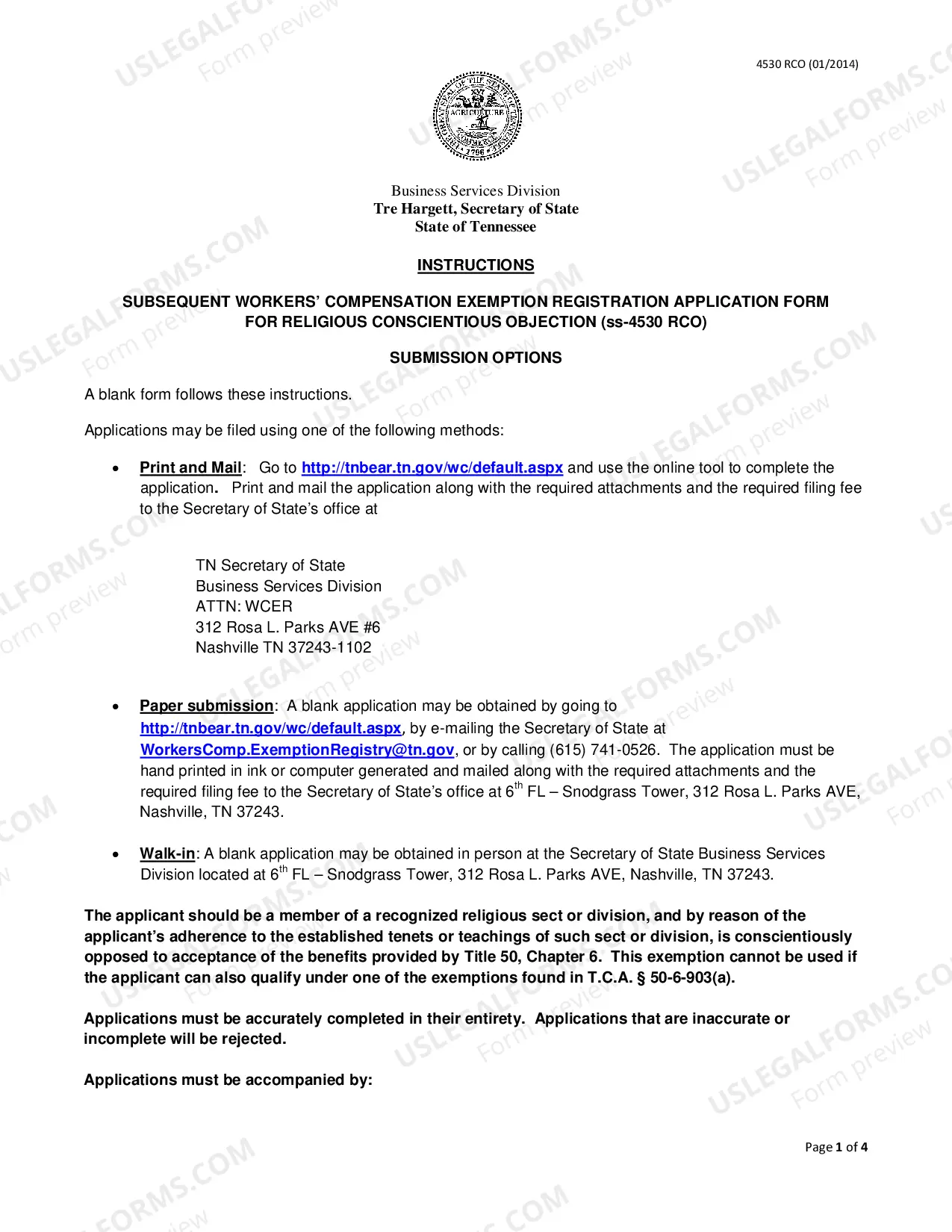
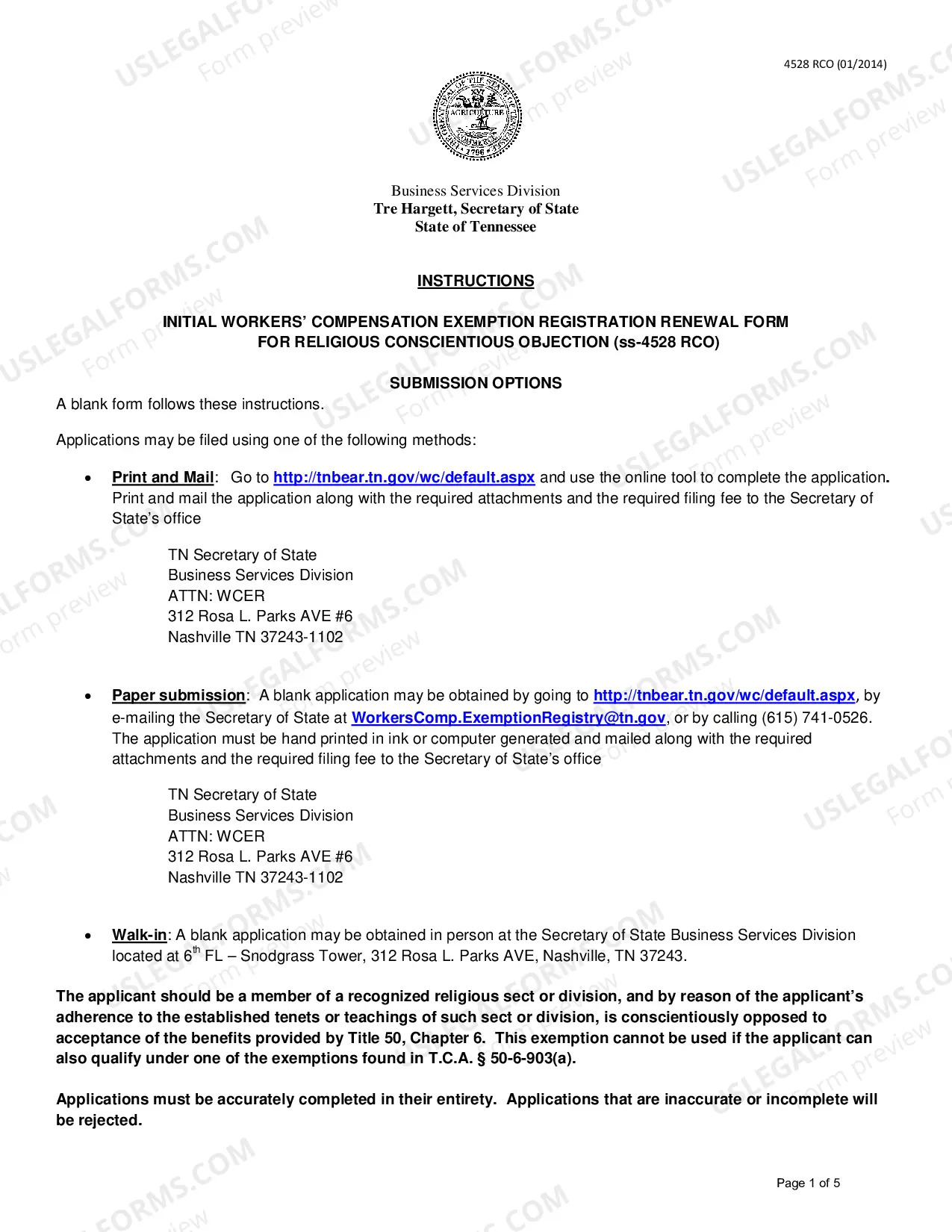
These exemptions often apply to sole proprietors, partners in a partnership, limited liability company (LLC) members, corporate officers, and independent contractors. The rationale behind these exemptions is that business owners and self-employed individuals should have the autonomy to decide whether to insure their own labor risk, especially when they have no employees. Yet, a common misconception is that being "exempt" from carrying insurance means an individual is completely protected from the consequences of a workplace injury. In reality, the exemption only relieves the entity from the statutory requirement to buy a policy; it does not rewrite civil law or eliminate third-party liabilities.
Statutory Exemptions Versus Liability Shields
It is critical to separate administrative or statutory compliance from civil liability. A statutory exemption means the state's department of labor or workers' compensation board does not legally require that specific person to be covered under an active insurance policy.
Conversely, liability refers to legal responsibility for harm or damages. If an exempt worker—such as an independent contractor or a business owner working on a job site—suffers an injury due to the negligence of a third party, or if they accidentally cause injury to someone else, the lack of a workers' compensation policy does not protect them from a lawsuit. In fact, operating without coverage often strips away the defensive shields that traditional workers' compensation provides, exposing personal and business assets to direct litigation.
Common Categories of Exempt Workers
Different states maintain varying rules regarding who qualifies for an exemption. While corporate structures and independent contractor statuses are universally evaluated, the specific application can alter an individual's legal exposure significantly.
| Worker Category | Typical Workers' Comp Status | Direct Liability Exposure |
|---|---|---|
| Sole Proprietors | Often exempt if no employees are hired | High personal asset risk if injured or if at fault for third-party injury |
| Corporate Officers | May opt out if ownership threshold is met (e.g., holding >25% of stock) | Moderate to high, depending on corporate veil and operational negligence |
| LLC Members | Frequently exempt by filing specific waivers with the state | Varies by state; personal assets can be vulnerable if corporate formalities fail |
| Independent Contractors | Generally considered separate business entities, thus exempt from coverage | Extremely high if misclassified or if control tests establish employer status |
Sole Proprietors and Single-Member Entities
For sole proprietors, workers' compensation is frequently optional unless they hire W-2 employees. When a sole proprietor chooses to remain exempt, they are entirely responsible for their own medical bills and lost income if they are hurt on the job. Furthermore, because a sole proprietor and the business are legally synonymous, any accident caused by the proprietor that harms a client or property can result in a direct personal lawsuit where personal savings, homes, and vehicles may be attached to a judgment.
Corporate Officers and LLC Members
Corporate officers and members of limited liability companies often have the legal option to exclude themselves from their company’s workers' compensation policy. However, this exemption is typically contingent upon ownership percentages. For instance, an officer who owns a substantial share of the corporation may sign a waiver declining coverage to save on overhead premiums.
The complexity arises when these "exempt" officers work alongside non-exempt employees or subcontractors on a job site. If an exempt officer is injured due to gross negligence by the company or a third party, navigating compensation becomes legally convoluted because the traditional administrative remedy is unavailable, forcing the individual into the civil court system.
Independent Contractors and the Misclassification Trap
Independent contractors are perhaps the most frequently debated group regarding exemptions. Genuine independent contractors manage their own schedules, use their own tools, and control the manner in which their work is performed; therefore, hiring companies are not required to provide them with workers' compensation coverage.
However, the question of whether an exempt worker is actually exempt often hinges on worker misclassification. Regulatory bodies and courts regularly audit businesses that label workers as independent contractors to avoid insurance costs. If a regulatory agency determines that an exempt independent contractor is legally an employee under tests such as the economic realities test or the ABC test, the exemption is voided retroactively. The hiring company can face severe penalties, stop-work orders, and mandatory premium assessments, while the worker gains retroactive rights to benefits—and the illusion of exemption vanishes entirely.
Financial and Operational Risks of Operating Without Coverage
Choosing or qualifying for a workers' compensation exemption introduces distinct financial vulnerabilities that business operators must weigh against the immediate savings of avoiding insurance premiums.
Medical Costs and Lost Income
Without workers' compensation, an injured exempt worker has no guaranteed safety net. Regular health insurance policies frequently include exclusions for injuries sustained while performing occupational duties or commercial labor. If a health insurer discovers an injury occurred on a job site, it may deny coverage entirely, leaving the worker to pay out-of-pocket for surgeries, rehabilitation, and long-term care while enduring periods of zero income.
Contractual and Project-Level Demands
Even when state law permits a worker or small business owner to be exempt from carrying workers' compensation, private commerce often imposes stricter standards. General contractors, commercial property owners, and corporate clients routinely require proof of insurance before granting access to a work site. In these instances, being legally "exempt" by the state does not exempt a worker from commercial contracts. Businesses frequently require certificates of insurance (COIs) to mitigate their own vicarious liability, effectively neutralizing the practical utility of a state-level exemption.
Loss of Tort Immunity
In standard employer-employee relationships, workers' compensation provides a mutual compromise: employees receive swift, no-fault medical and wage benefits, while employers receive immunity from civil tort lawsuits arising from ordinary workplace negligence. When an owner or officer elects to be exempt, they step outside this statutory bargain. If they are injured due to the negligence of a property owner or general contractor, they may retain the right to sue, but they also lose the structured, predictable resolution process that the workers' compensation board provides, entering the unpredictable realm of personal injury litigation.
Verification, Compliance, and Next Actions
For workers and business owners navigating these rules, assumptions can lead to catastrophic financial losses or regulatory penalties. Ensuring proper compliance requires proactive verification steps.
- Review State-Specific Statutes: Consult the state department of labor or workers' compensation commission website to verify the exact statutory definitions for corporate officer, LLC member, and sole proprietor exemptions. State thresholds change, and what is exempt in one jurisdiction may be mandatory in another.
- Audit Worker Classifications: If hiring subcontractors or labeling workers as exempt, evaluate their status against the governing legal tests (such as the ABC test) to prevent accidental misclassification liabilities.
- Examine Commercial Contracts: Check project specifications and client agreements well in advance of starting work to determine whether a certificate of insurance is contractually required, regardless of state exemptions.
- Evaluate Alternative Coverage: Consider purchasing occupational accident insurance, disability insurance, or health coverage if operating legally as an exempt worker, ensuring personal financial protection in the event of an accident.
- Consult Legal and Insurance Professionals: Speak with a licensed insurance broker or an employment attorney to confirm that your operational structure aligns with both state mandates and risk-management best practices.
Disclaimer: Workers' compensation laws and liability doctrines vary significantly by jurisdiction and are subject to frequent legislative and judicial updates. This article is for informational purposes and does not constitute legal or financial advice. Readers should consult with a qualified attorney or licensed insurance professional regarding their specific circumstances.