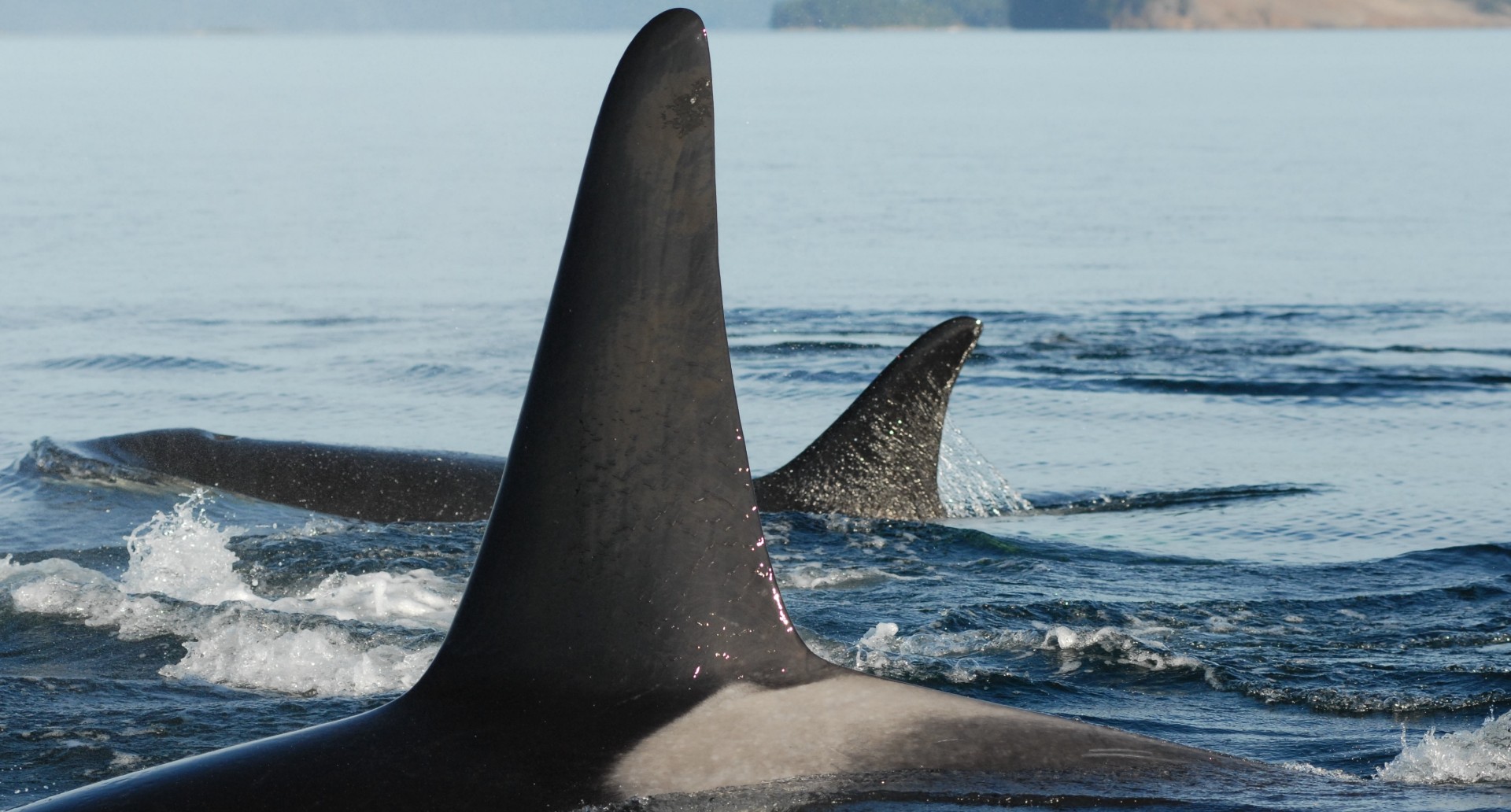
Whales are protected under a complex framework of international treaties, domestic laws, and regional agreements that prohibit commercial whaling in most parts of the world, regulate human-wildlife interactions, and mandate habitat preservation, though enforcement challenges and legal loopholes remain significant.
The question of whether whales are protected is not answered by a single piece of legislation or an all-encompassing global police force. Instead, the legal protection of whales relies on a patchwork of international conventions, national statutes, indigenous exemptions, and specialized marine management zones. While commercial whaling was largely banned decades ago, cetaceans continue to face severe anthropogenic threats, ranging from commercial shipping strikes and acoustic pollution to accidental entanglement in fishing gear. Understanding how these majestic marine mammals are protected requires an examination of the historical turning points that shifted global policy from exploitation to preservation, the core regulatory bodies overseeing marine life, and the persistent vulnerabilities that test the limits of modern conservation law.
The Foundation of Global Protection: The International Whaling Commission (IWC)
The primary international body responsible for the conservation and management of whale stocks worldwide is the International Whaling Commission (IWC). Established under the International Convention for the Regulation of Whaling (ICRW) in 1946, the IWC initially functioned primarily to manage the whaling industry and ensure sustainable stock levels for commercial harvests. However, as whale populations plummeted due to decades of industrial overexploitation, the mandate of the commission underwent a profound ideological transformation.
By the 1970s, mounting scientific evidence and intense global public pressure demonstrated that many whale species, including the blue whale, fin whale, and humpback whale, were on the brink of extinction. In 1982, a critical turning point occurred when the IWC adopted a moratorium on commercial whaling, which officially entered into force in the 1985–1986 whaling season. This global pause remains the cornerstone of modern whale protection. Under this moratorium, member nations agreed to set catch limits for commercial whaling to zero. While the moratorium successfully halted the rapid decline of many species, its implementation highlighted deep philosophical divisions among member states, separating preservationist nations from those advocating for sustainable, regulated whaling based on stock abundance.
Despite the sweeping nature of the commercial ban, the IWC framework contains specific exemptions and provisions that allow certain nations to continue hunting whales. These exceptions are frequently debated and require continuous scientific review to prevent over-exploitation under the guise of traditional practices.
Exceptions to the Commercial Moratorium
The global ban on commercial whaling is not absolute. Three primary pathways allow the legal hunting of whales under international law:
- Aboriginal Subsistence Whaling (ASW): The IWC permits indigenous communities with historical, cultural, and nutritional dependencies on whaling to harvest specific numbers of whales, provided the hunts are managed sustainably and do not threaten the conservation status of the species. Communities in Alaska, Greenland, Russia, and St. Vincent and the Grenadines operate under this provision.
- Scientific Research Permitting: Historically, Article VIII of the ICRW allowed member states to issue lethal permits for scientific research. This provision became a significant loophole, most notably utilized by Japan for decades to conduct whaling programs in the Antarctic and North Pacific. Following Japan's withdrawal from the IWC in 2019 and its resumption of commercial whaling exclusively within its territorial waters and Exclusive Economic Zone (EEZ), the utilization of this specific loophole has shifted.
- Objections and Reservations: Sovereign nations that formally lodged an objection to the 1982 moratorium within the stipulated timeframe—such as Norway—are legally permitted to continue commercial whaling outside the direct binding authority of the IWC ban. Norway conducts commercial whaling for minke whales in the North Atlantic under its own national management regimes, maintaining that its harvest targets abundant, sustainable populations.
International Treaties and Regional Agreements
Beyond the ICRW and the IWC, several other international treaties and regional frameworks reinforce the legal status and protection of whales across the globe. These legal instruments address broader environmental concerns, such as international trade, migratory corridors, and localized habitat degradation.
The Convention on International Trade in Endangered Species of Wild Fauna and Flora (CITES) plays a vital role by listing all great whale species on its Appendix I, which prohibits international commercial trade in whale meat, blubber, baleen, and bone. This trade ban removes the economic incentive for cross-border smuggling and black-market harvesting, making it legally difficult for nations to export whale products even if they are harvested domestically under legal exemptions.
Regional agreements also fill critical governance gaps. For instance, the Agreement on the Conservation of Cetaceans of the Black Sea, Mediterranean Sea and contiguous Atlantic area (ACCOBAMS) and the Agreement on the Conservation of Small Cetaceans of the Baltic and North Seas (ASCOBANS) operate under the auspices of the Convention on Migratory Species (CMS). These regional agreements mandate that member states implement domestic legislation to protect marine habitats, mitigate underwater noise pollution, reduce ship strikes, and prevent bycatch.
Furthermore, the establishment of large-scale marine sanctuaries reinforces geographical protections. The IWC established the Indian Ocean Sanctuary in 1979 and the Southern Ocean Sanctuary in 1994, encompassing millions of square miles where commercial whaling is strictly prohibited by IWC member states, creating safe havens for feeding, breeding, and migration.
National Legislation and Domestic Enforcement
While international treaties establish broad norms, the actual enforcement of whale protection laws depends primarily on individual sovereign states enacting and policing domestic legislation within their territorial waters and Exclusive Economic Zones (EEZs). The rigor of these domestic laws varies significantly depending on national priorities, economic interests, and political landscapes.
In the United States, the foundational domestic statute is the Marine Mammal Protection Act (MMPA) of 1972. The MMPA established a national policy to prevent marine mammal species and population stocks from declining beyond the point where they ceased to be significant functioning elements of the ecosystems of which they are a part. Under the MMPA, it is illegal to "take" any marine mammal—defined as harassing, hunting, capturing, collecting, or killing—within U.S. waters or by U.S. citizens on the high seas, subject to limited exceptions for Alaska Native subsistence and scientific research. Additionally, many whale species found in U.S. waters are explicitly listed as endangered or threatened under the federal Endangered Species Act (ESA), which mandates federal agencies to ensure their actions do not jeopardize the continued existence of these animals or destroy their designated critical habitats.
Other nations maintain similarly robust domestic frameworks. Australia enforces the Environment Protection and Biodiversity Conservation Act 1999, which establishes Australian Whale Sanctuaries and imposes severe criminal and financial penalties for killing, injuring, or interfering with cetaceans in Australian waters. Conversely, nations with active commercial or coastal whaling industries rely on domestic management plans that regulate quotas and monitoring protocols independently of international conservation consensus.
| International or Domestic Framework | Governing Body / Jurisdiction | Primary Protection Mechanism | Key Limitation or Exemption |
|---|---|---|---|
| International Convention for the Regulation of Whaling (ICRW) | International Whaling Commission (IWC) | 1986 moratorium on commercial whaling across member states. | Permits aboriginal subsistence whaling and objections by sovereign states. |
| Convention on International Trade in Endangered Species (CITES) | United Nations Environment Programme (UNEP) / Signatory Nations | Prohibits international commercial trade of whale specimens and derivatives (Appendix I). | Relies on border enforcement and national customs policing; does not govern domestic consumption. |
| Marine Mammal Protection Act (MMPA) | United States Federal Government (NOAA / USFWS) | General prohibition on the "take" or harassment of marine mammals in U.S. waters. | Provides permits for incidental bycatch in commercial fisheries and Alaska Native subsistence. |
| Southern Ocean Sanctuary | IWC Member States | Bans all commercial whaling operations in designated waters surrounding Antarctica. | Jurisdiction is contested by non-member whaling nations or states operating outside IWC consensus. |
Contemporary Threats and Protection Gaps
Despite comprehensive legal frameworks prohibiting direct hunting in most of the world, whales face severe anthropogenic pressures that traditional wildlife protection laws struggle to mitigate effectively. The survival of many cetacean populations is increasingly threatened by industrial activities that degrade marine habitats, disrupt communication, and cause direct physical trauma.
Ship Strikes and Maritime Traffic
The rapid expansion of global maritime trade has led to an exponential increase in commercial shipping traffic. Large container ships, cargo vessels, and cruise liners frequently traverse critical whale feeding and migratory corridors. Collisions between fast-moving vessels and whales—known as ship strikes—often result in blunt-force trauma, propeller lacerations, and mortality for the animal.
Because many whale species spend significant time resting, feeding, or socializing near the ocean surface, they remain highly vulnerable. While regulatory bodies such as the International Maritime Organization (IMO) and national agencies like the National Oceanic and Atmospheric Administration (NOAA) have established voluntary and mandatory speed restrictions, seasonal traffic separation schemes, and whale-avoidance routing in sensitive zones, compliance and enforcement across the vast expanse of the open ocean remain extraordinarily difficult.
Ocean Noise Pollution
The marine acoustic environment has been radically altered by human industrial activity over the past century. Seismic airgun surveys utilized in offshore oil and gas exploration, commercial sonar operations, pile driving for coastal infrastructure, and heavy shipping engine noise generate intense underwater sound waves.
Because whales rely heavily on acoustic communication for navigation, finding mates, avoiding predators, and locating prey, chronic noise pollution can cause severe behavioral disruption, temporary or permanent hearing loss, physiological stress, and mass strandings. While environmental impact assessments and marine spatial planning increasingly account for acoustic thresholds, international and domestic laws governing ocean noise remain fragmented and difficult to enforce consistently.
Entanglement in Fishing Gear
Fisheries bycatch—specifically the accidental entanglement of whales in commercial fishing gear such as pot and trap lines, gillnets, and longlines—represents one of the most immediate and agonizing threats to modern whale populations. Critically endangered species, such as the North Atlantic right whale, face severe demographic declines due to entanglement in commercial lobster and crab fishing gear.
When a whale becomes entangled in heavy synthetic ropes, it may swim for thousands of miles dragging heavy lines and buoys, leading to chronic exhaustion, starvation, severe infections, or drowning. Addressing this threat requires complex regulatory interventions, such as mandating ropeless fishing technology, closing specific fisheries seasonally, and requiring sinking groundlines instead of floating lines, which often encounters resistance from commercial fishing industries.
Summary of Legal Protections and Conservation Outlook
The conservation status of whales varies drastically by species, population stock, and geographic region. While historical legal instruments like the IWC commercial moratorium successfully pulled iconic species like the humpback and gray whale back from the brink of extinction, other species, such as the North Atlantic right whale, remain precariously close to functional extinction due to cumulative human impacts.
Legal protection for whales is fundamentally multi-layered, combining global prohibitions against commercial hunting with national regulations addressing habitat quality, vessel traffic, and fisheries management. However, laws written on paper cannot automatically shield marine mammals from the systemic ecological changes driven by climate change, shifting prey distributions, and industrial ocean use. Ensuring the long-term survival of whales requires ongoing adaptation of legal frameworks, enhanced international cooperation, technological innovation in maritime and fishing industries, and rigorous enforcement of conservation mandates across all maritime jurisdictions.