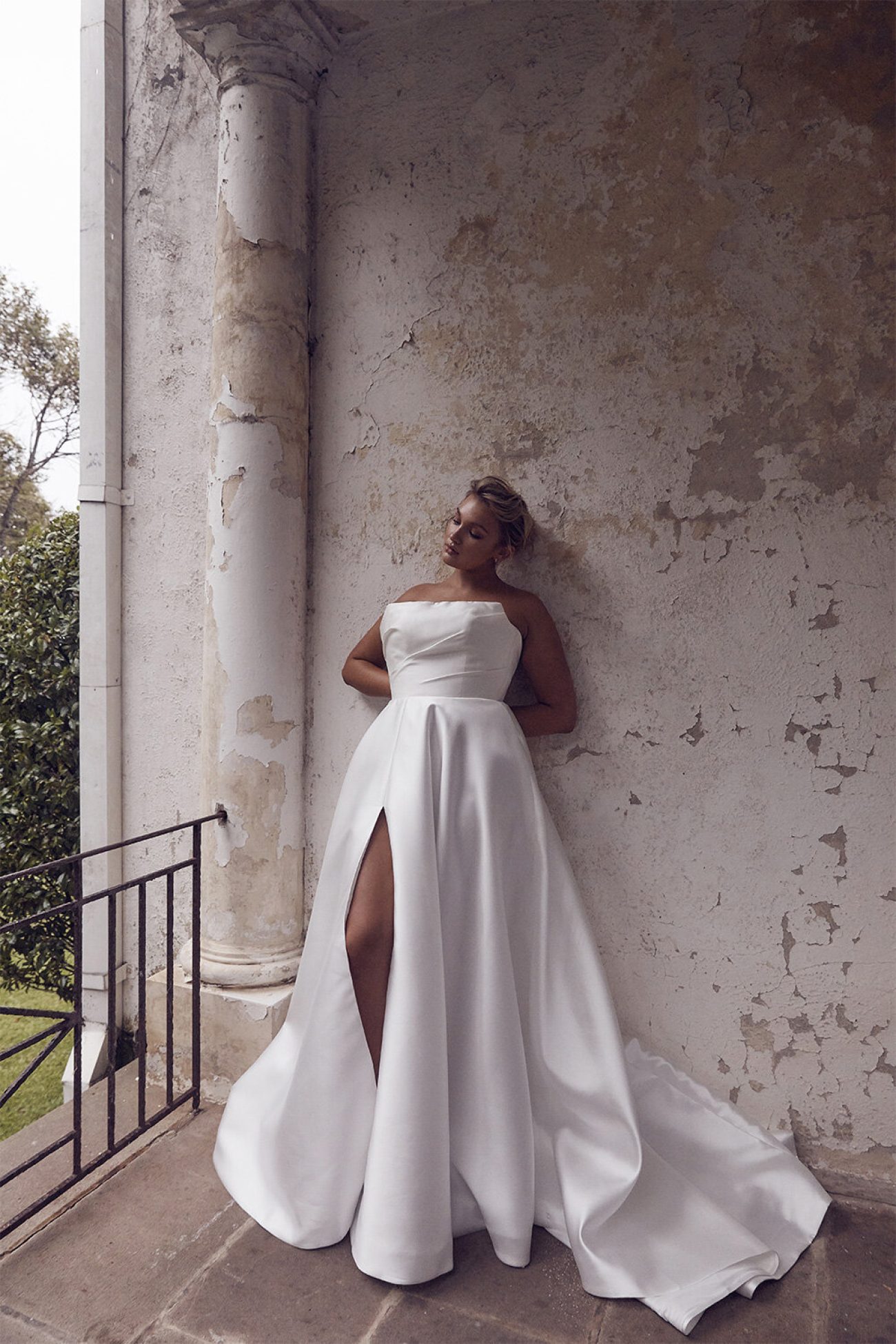
Deciding whether to capture, include, or share revealing wedding photographs involves balancing personal creative expression against long-term professional, relational, and digital risks. While bold or unconventional imagery can feel empowering or deeply personal in the moment, the permanence of digital distribution means these photos can resurface in unintended contexts, impacting careers, family dynamics, and personal privacy for years to come.
The Intersection of Modern Weddings and Personal Expression
Wedding photography has evolved significantly over the past two decades. Driven by shifting cultural norms, the rise of artistic and editorial wedding styles, and the ubiquity of social media, couples frequently push past traditional boundaries. Boudoir sessions, intimate “getting ready” compositions, and daringly cut reception attire are increasingly common components of contemporary wedding documentation. However, this evolution introduces a complex web of considerations regarding how these images are stored, shared, and managed.
When couples or individual wedding participants contemplate capturing revealing imagery—often colloquially referred to in search queries as wedding pics boobs—they are stepping into a gray area where personal celebration meets public or semi-public exposure. The phrase itself highlights a modern tension: the desire to document a milestone event with complete authenticity and body positivity versus the sobering reality of digital footprints. Understanding whether such risks are "worth it" requires an objective breakdown of legal, professional, and personal variables.
Evaluating the Risks: Professional, Social, and Digital
Every digital image carries a specific lifecycle, and photographs featuring explicit or semi-nude content face elevated exposure hazards. To make an informed choice, individuals must examine the distinct categories of risk involved.
1. Professional Vulnerabilities and Employment Security
In many professional sectors, maintaining a certain standard of digital conduct is implicitly or explicitly required. Even if photographs are captured in private settings, the risk of accidental exposure, cloud account breaches, or social media misfires remains a tangible threat.
- Corporate and Institutional Roles: Educators, healthcare workers, legal professionals, and corporate executives often face strict social clauses or codes of conduct. The unauthorized or accidental leakage of intimate wedding photos can lead to disciplinary action, reputational damage, or termination.
- Public-Facing Positions: Individuals whose careers rely heavily on public trust or community standing may find that explicit imagery complicates their professional relationships and client acquisition.
2. Family Dynamics and Intergenerational Comfort
Weddings are inherently family-centric events that bridge multiple generations. What feels liberating to a modern couple may cause discomfort, friction, or alienation among older or more conservative family members.
- The Shared Album Problem: Wedding galleries are routinely shared with parents, grandparents, and extended family. Curating a single album that attempts to satisfy both deeply intimate artistic desires and family-friendly viewing can lead to awkward boundaries or inadvertent exposure.
3. Cybersecurity and Cloud Vulnerabilities
Modern wedding photographers rely heavily on digital delivery platforms, password-protected galleries, and cloud backups. While professional platforms maintain robust security protocols, breaches, compromised credentials, or human error can expose private galleries to unauthorized third parties. Once an image enters the digital sphere, regaining control over its distribution is virtually impossible.
Legal Rights, Consent, and Photographer Contracts
Navigating the legal landscape of intimate wedding photography requires absolute clarity between the clients and the service providers. Protecting privacy begins long before the shutter clicks.
Model Releases and Copyright Ownership
Under standard copyright law in many jurisdictions, the photographer retains the copyright to the images they capture, even if they were hired and paid by the couple. This means that without a meticulously drafted contract restricting usage:
- Photographers might legally own the rights to display images in their portfolios, blogs, or marketing materials.
- Clients must explicitly negotiate and sign a restricted model release or non-disclosure agreement (NDA) to prevent any publication of sensitive or revealing imagery.
Privacy Expectations in Venue Settings
The legal definition of privacy depends heavily on the location. Hotel rooms or private dressing suites carry a high expectation of privacy, whereas hotel lobbies, public parks, or open reception venues do not. Ensuring that intimate or revealing moments are documented exclusively in controlled, private environments is a fundamental legal and personal safeguard.
Comparative Risk Assessment Matrix
The following table outlines the comparative factors, potential consequences, and mitigation strategies associated with incorporating revealing photography into a wedding event.
| Risk Category | Potential Consequence | Severity Level | Mitigation Strategy |
|---|---|---|---|
| Professional Exposure | Career disruption, loss of employment, reputational harm | High | Exclude from public galleries; use strict access controls; separate personal and professional digital footprints. |
| Family Friction | Intergenerational discomfort, boundary violations, social strain | Medium | Maintain separate galleries (public/family vs. private/personal); curate shared albums carefully. |
| Data Breach / Leak | Loss of personal control over imagery, unauthorized distribution | High | Verify photographer's cybersecurity practices; utilize encrypted storage; decline cloud-only delivery for sensitive files. |
| Contractual Disputes | Unintentional marketing use by vendors without client consent | Medium | Execute a customized non-disclosure agreement (NDA) and restrict model releases in writing. |
Practical Guidelines for Managing Intimate Wedding Photography
If you decide that capturing bold, revealing, or intimate imagery is an important part of your wedding vision, implementing rigorous safeguards can mitigate potential fallout.
- Hire Specialized Professionals: Work exclusively with experienced, highly reputable photographers who routinely handle sensitive or boudoir content with discretion and professional integrity.
- Insist on Written Agreements: Ensure your contract explicitly dictates who owns the files, where they can be stored, and under what exact circumstances they may be published or shared.
- Segment Your Galleries: Request that your photographer deliver your wedding day documentation in partitioned folders. Keep standard ceremony and reception photos in a shareable link, while housing intimate or revealing images in an encrypted, password-protected vault.
- Practice Digital Hygiene: Avoid storing high-risk photos on shared family cloud drives, linked devices, or social media platforms where algorithmic changes or security lapses could expose them.
Frequently Asked Questions
Are boudoir sessions on the wedding day a good idea?
They can be deeply meaningful, but they require strict time management and complete privacy. Many couples opt to schedule a separate boudoir session weeks before or after the actual wedding day to reduce the stress, time constraints, and privacy risks inherent in a busy wedding schedule.
Can wedding photographers legally post my photos online without permission?
Generally, yes, if you have signed a standard photography contract that includes a model release. Photographers rely on these releases for marketing. To prevent this, you must explicitly negotiate a non-disclosure clause or strike out the model release section before signing.
How can I share wedding photos with family without revealing sensitive images?
Ask your photographer to curate two distinct galleries. The primary gallery can be shared freely with all guests and family members, while a secondary, password-protected gallery remains restricted strictly to the couple or trusted individuals.
What should I do if private wedding photos are leaked online?
Immediately contact the platform hosting the unauthorized content to issue a takedown request based on copyright or non-consensual image sharing policies. Document the URLs, preserve communication records, and consult with a legal professional specializing in digital privacy rights if necessary.
Conclusion and Next Actions
Ultimately, whether revealing wedding photographs are "worth the risk" depends entirely on your personal risk tolerance, professional environment, and commitment to strict digital security. If the emotional or artistic value outweighs the potential hazards, proceed with caution: secure comprehensive legal agreements, isolate your digital galleries, and prioritize your long-enduring privacy over fleeting trends. Your next step should be reviewing your vendor contracts to ensure your personal boundaries are explicitly protected in writing.