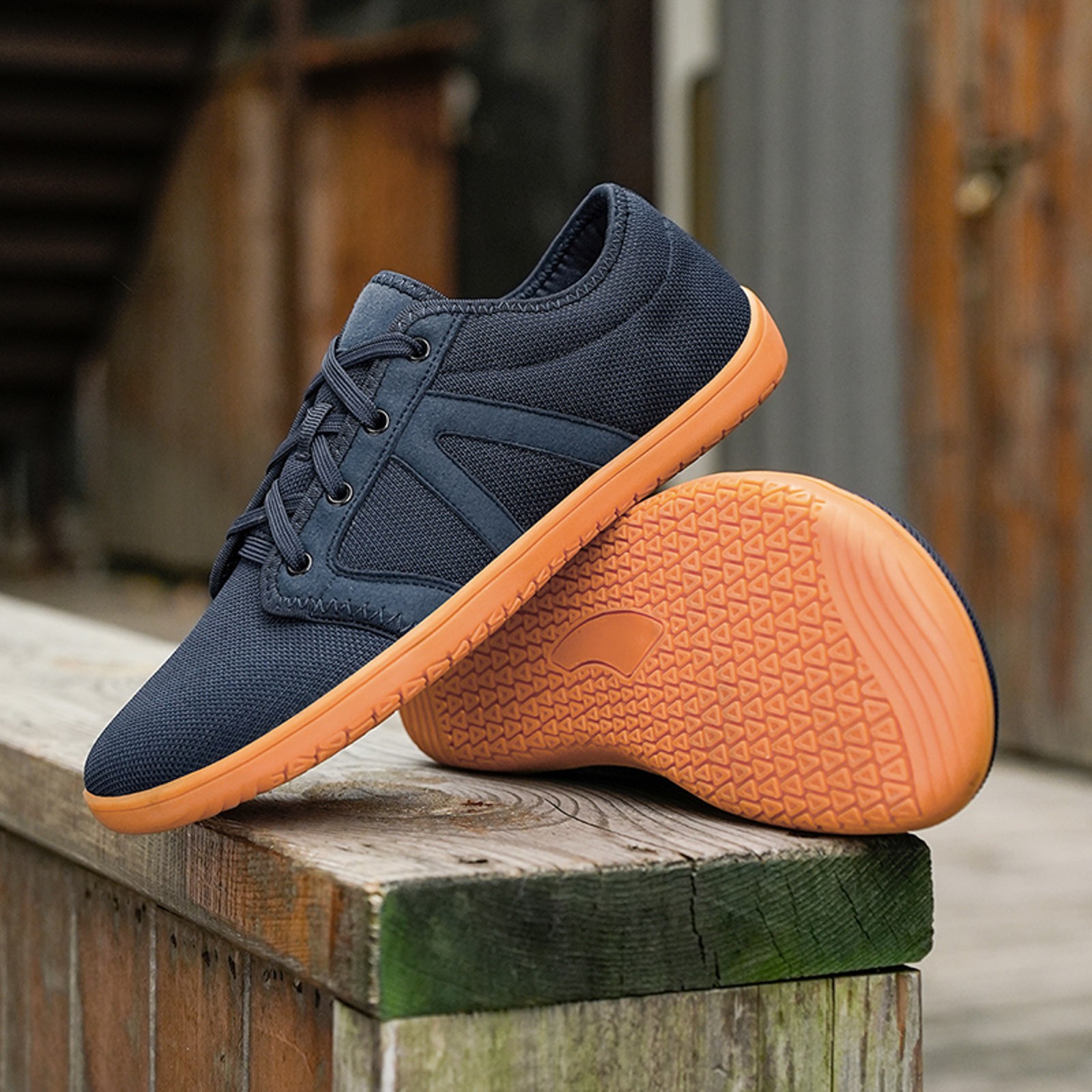
Wide toe box everyday shoes are worth it if you experience foot discomfort, toe crowding, or structural issues like bunions, as they allow your toes to spread naturally and improve stability. However, they may not suit everyone, requiring a transition period and a shift in aesthetic expectations compared to traditional tapered footwear.
The modern footwear market is flooded with sleek, highly cushioned, and aggressively tapered shoes designed primarily for aesthetic appeal rather than anatomical function. For decades, standard footwear has squeezed the human foot into a narrow triangle, forcing the big toe inward and compressing the smaller toes.
In response to a growing understanding of foot biomechanics, barefoot-inspired footwear, foot-shaped shoes, and wide-toe-box casual sneakers have surged in popularity. This article examines whether wide toe box everyday shoes are a worthwhile investment for daily wear, looking at foot anatomy, potential health benefits, transition challenges, and key factors to consider before purchasing a pair.
Understanding Foot Anatomy and the Traditional Footwear Problem
To understand why wide toe box shoes are gaining traction, you must first examine how human feet are naturally structured. The human foot contains 26 bones, 33 joints, and over a hundred muscles, tendons, and ligaments. This intricate architecture is designed to act as a dynamic shock absorber and a stable base of support during locomotion.
When you stand, walk, or run, your forefoot and toes naturally spread out to distribute your body weight evenly and maintain balance. Your big toe, in particular, plays a critical role in stabilization and propulsion during the gait cycle.
Traditional footwear routinely disrupts this natural mechanism. Most mainstream fashion, running, and dress shoes feature a tapered toe box that curves inward toward the center line of the foot. This design forces the toes into a compressed, unnatural alignment. Over years and decades of daily wear, this chronic compression can contribute to several structural and soft-tissue foot problems:
- Hallux Valgus (Bunions): A progressive structural deformity where the big toe leans outward toward the second toe, creating a painful bony bump on the side of the foot.
- Hammer Toes and Claw Toes: Deformities caused by an imbalance in the tendons, muscles, and ligaments that hold the toe straight, often exacerbated by a lack of horizontal toe space.
- Metatarsalgia: Pain and inflammation in the ball of the foot, frequently triggered by excessive pressure on the middle metatarsal heads due to narrow constraints.
- Morton’s Neuroma: A painful condition affecting the ball of your foot, most commonly the area between your third and fourth toes, caused by pinched or thickened nerve tissue from tight shoes.
By restoring horizontal space in the forefoot, wide toe box shoes aim to alleviate this artificial compression, allowing the intrinsic foot muscles to engage as intended.
Defining "Wide Toe Box" Shoes: Beyond Simple Width
A common point of confusion for consumers is the difference between a shoe with a "wide width option" and a shoe with a "wide toe box." These are two entirely different engineering approaches to footwear design.
Traditional footwear brands often offer "Wide" (C/D for women, E/EE for men) or "Extra Wide" sizes. However, these sizes typically scale the entire last of the shoe proportionally. This means the heel, midfoot, and toe box all get wider by the same factor. For many people, a standard-width heel combined with a wider midfoot results in the foot sliding forward, causing friction, blisters, and toe jamming against the front of the shoe.
Conversely, a true wide toe box shoe is shaped like a human foot. It features a contour that matches the natural fan-like spread of the toes, keeping the heel and midfoot secure while providing generous, unconstrained space in the forefoot.
| Feature | Traditional Footwear | "Wide Width" Options | True Wide Toe Box Shoes |
|---|---|---|---|
| Forefoot Shape | Tapered, triangular, narrows at the toes | Scaled up proportionally across the whole forefoot | Anatomically shaped, wide and rounded at the toes |
| Heel & Midfoot Fit | Snug or standard | Wider overall, can cause foot sliding | Secure heel and midfoot lock to prevent slipping |
| Toe Splay | Restricted; toes pressed together | Slightly more room, but still constrained by taper | Unrestricted; toes can spread and activate naturally |
| Primary Goal | Streamlined aesthetic and general containment | Accommodating a higher overall foot volume | Restoring natural foot function and alignment |
The Potential Benefits of Switching to Everyday Wide Toe Box Shoes
Transitioning to wide toe box shoes for daily wear yields several physiological and practical advantages, particularly for individuals who spend long hours on their feet.
1. Enhanced Stability and Balance
When your toes are free to spread out, your base of support widens. This increased surface area improves your proprioception—your body's ability to sense its position in space. Better proprioception translates to improved balance, especially when standing on uneven surfaces or carrying loads.
2. Pain Relief and Structural Realignment
For individuals suffering from mild to moderate bunions, plantar fasciitis, or general forefoot fatigue, removing lateral pressure can significantly reduce daily discomfort. While a shoe cannot reverse advanced structural deformities on its own, it can stop the progression of toe-crowding issues and relieve the constant irritation placed on soft tissues.
3. Natural Toe Splay and Muscle Activation
Traditional shoes immobilize the small muscles responsible for toe movement. Wide toe box shoes—particularly those combined with zero-drop platforms and flexible soles—allow these intrinsic muscles to wake up and share the workload of walking, leading to stronger, more resilient feet over time.
Evaluating the Trade-Offs: Are There Downsides?
Despite the clear anatomical advantages, wide toe box everyday shoes are not a universal fix, and they come with distinct trade-offs that every buyer should weigh.
- The Transition Period: If you have spent decades in tapered, heavily cushioned shoes with elevated heels, your Achilles tendons, calves, and intrinsic foot muscles have adapted to that environment. Switching immediately to zero-drop, wide-toe-box shoes can cause muscle soreness, tightness, or temporary discomfort if done too quickly. Gradual integration is essential.
- Aesthetic Adjustments: Foot-shaped shoes are inherently broader at the front. For consumers accustomed to sleek, tapered fashion silhouettes, the visual appearance of a wide toe box can take some getting used to. While brands have made significant strides in designing stylish casual sneakers, dress shoes remain a challenge.
- Limited Formalwear Options: Finding a pair of wide toe box everyday shoes that pairs seamlessly with strict corporate business attire or formal evening wear is remarkably difficult. Most options on the market lean toward casual sneakers, hiking footwear, or athleisure styles.
How to Choose the Right Pair for Daily Wear
If you decide that wide toe box everyday shoes are worth the investment, selecting the right model requires looking beyond marketing claims. Consider the following criteria when shopping:
- Assess Your Daily Routine: Determine how much walking you do daily. If you stand on concrete floors for eight hours a day, you may want a wide toe box shoe that still offers a moderate amount of underfoot cushioning rather than an ultra-minimalist, paper-thin sole.
- Check for "Zero-Drop" vs. Cushions: Many wide toe box brands (such as Altra, Lems, Xero Shoes, or Vivo-barefoot) also feature zero-drop platforms (where the heel and forefoot are at the same height). Ensure your body is ready for zero-drop, or look for brands that incorporate cushioning with a rounded toe shape.
- Verify True Foot-Shaped Design: Inspect the shoe from the top down. Does the widest part of the shoe align with the natural line of your big toe, or does it still taper at the end? True foot-shaped shoes mirror an outline traced around a splayed bare foot.
- Gradual Adaptation Schedule: Do not wear your new shoes for an entire marathon or a 12-hour workday right out of the box. Start by wearing them for an hour or two a day, gradually increasing duration over 2 to 4 weeks to let your lower kinetic chain adapt.
Frequently Asked Questions
Do wide toe box shoes help fix bunions?
Wide toe box shoes cannot reverse advanced bunions, but they are highly effective at halting their progression and relieving pain. By eliminating the lateral crushing force that pushes the big toe inward, they remove the primary external trigger that aggravates bunion development.
Can I wear wide toe box shoes with orthotic insoles?
Many wide toe box shoes come with removable insoles, allowing you to insert custom orthotics if prescribed by a podiatrist. However, you should check the volume of the shoe to ensure that adding an orthotic does not lift your foot too high and crowd the top of your toes.
Are wide toe box shoes the same as barefoot shoes?
Not necessarily. While many barefoot shoe brands feature wide toe boxes, a wide toe box shoe can still feature substantial cushioning, arch support, and a thick sole. Barefoot shoes combine a wide toe box with zero drop, highly flexible soles, and zero motion control features.
How long does it take to transition to wide toe box shoes?
The transition period varies by individual, typically ranging from two to six weeks. People who have worn rigid, highly supportive shoes for many years generally require a slower transition to avoid straining their calves and Achilles tendons.
Are there stylish wide toe box options for professional settings?
While the market is dominated by casual sneakers and athletic footwear, several brands now manufacture leather casual shoes, Chelsea boots, and minimalist loafers featuring anatomically correct toe boxes suitable for casual-to-business-casual office environments.
Conclusion and Next Actions
Wide toe box everyday shoes are worth the investment for anyone experiencing foot fatigue, toe crowding, or structural discomfort caused by conventional footwear. By honoring the natural anatomy of the human foot, these shoes provide tangible benefits in balance, comfort, and long-term foot health.
If you are ready to make the switch, start by auditing your current footwear collection and identifying your primary daily use case. Purchase one pair of casual, everyday wide-toe-box sneakers, and integrate them slowly into your routine alongside your existing footwear. Listen to your body during the transition, and consult a podiatrist or orthopedic specialist if you are managing chronic foot pathology.