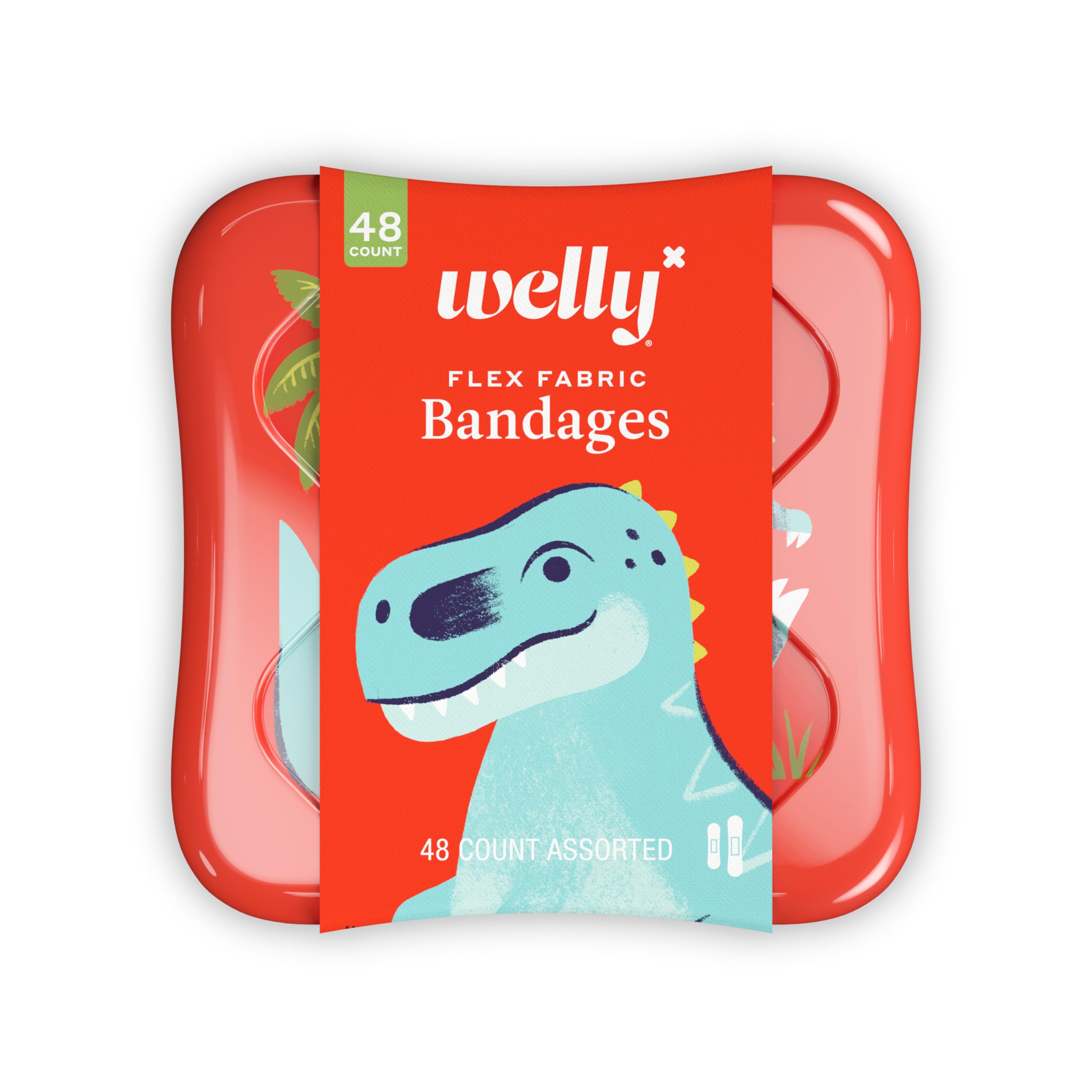
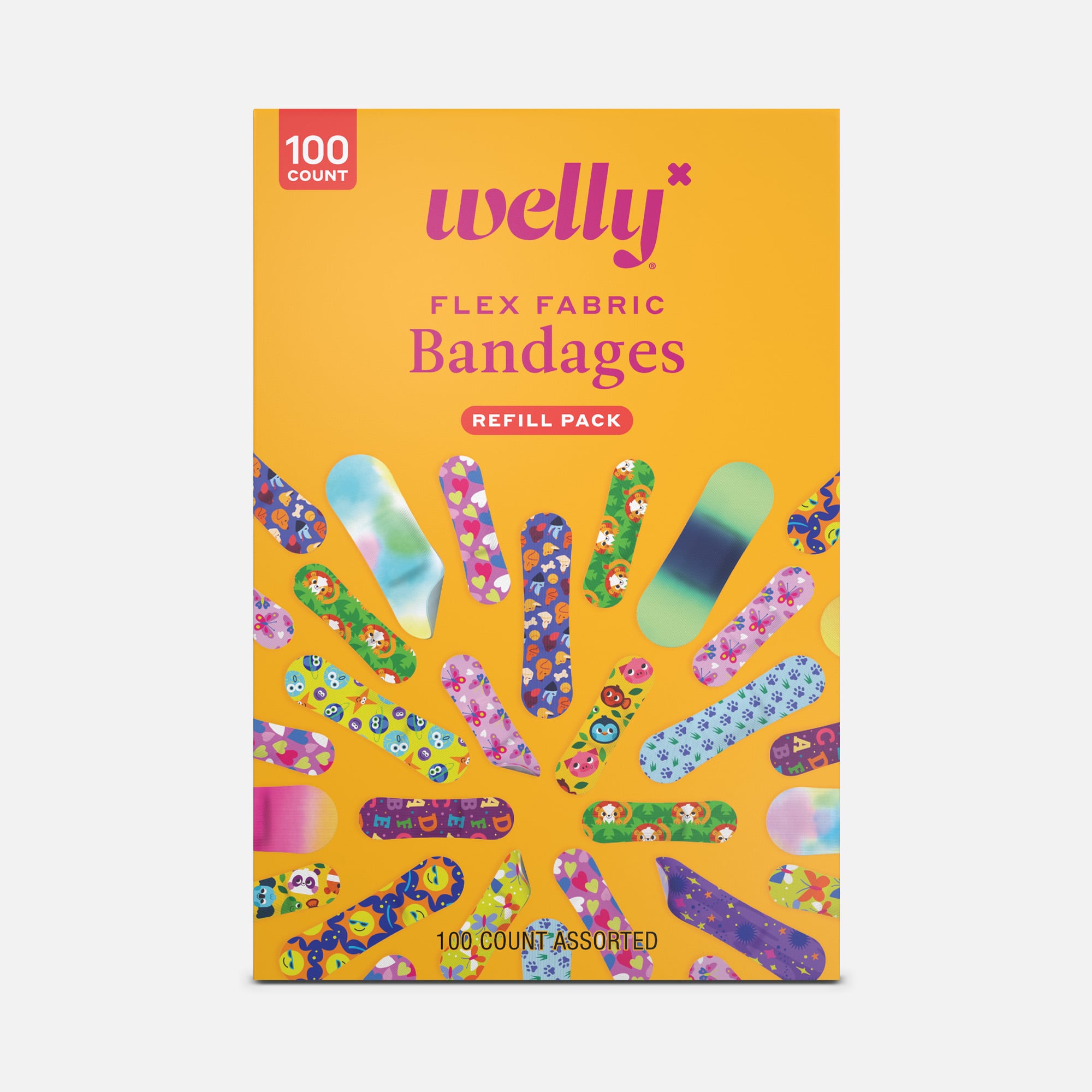
Welly First Aid bandages do not intentionally add per- and polyfluoroalkyl substances (PFAS) to their manufacturing processes, and independent consumer testing has not detected organic fluorine in these specific products. While historic independent investigations into major bandage brands have revealed concerning levels of organic fluorine—a key marker for "forever chemicals"—Welly has consistently fallen on the side of products where these substances were either undetectable or found only at negligible background levels. Navigating the modern landscape of medical adhesives requires understanding how manufacturing practices, regulatory standards, and third-party laboratory testing intersect to determine whether everyday consumer wound care products are genuinely free of synthetic contaminants.
The Consumer Concern: PFAS in Everyday Adhesives
The conversation surrounding per- and polyfluoroalkyl substances in consumer goods has expanded far beyond non-stick cookware and waterproof outdoor apparel. In recent years, public health advocates, independent journalists, and scientific researchers have turned their attention to personal care products, cosmetics, and medical devices. Adhesive bandages, commonly found in nearly every household medicine cabinet, emerged as a point of scrutiny after independent laboratory testing revealed that certain popular bandage brands contained detectable levels of organic fluorine.
Per- and polyfluoroalkyl substances comprise a vast class of thousands of synthetic chemicals known for their resistance to heat, oil, stains, grease, and water. These properties make them exceptionally useful in industrial manufacturing, but their extreme persistence in the environment and the human body has raised serious health concerns. Because these chemicals do not break down easily, they accumulate over time, earning them the moniker "forever chemicals."
When consumers apply a bandage to an open wound, broken skin, or a surgical incision, the potential for direct dermal absorption introduces a unique exposure pathway. Unlike a waterproof jacket worn over clothing, a bandage sits in direct contact with vulnerable tissue for hours or even days. This realization prompted extensive consumer demand for transparency regarding the exact chemical compositions of wound care items, leading to heightened scrutiny of brands like Welly First Aid.
Understanding Independent Laboratory Testing of Bandages
To determine whether Welly bandages are PFAS-free, it is necessary to examine how consumer advocacy groups and independent testing laboratories evaluate these products. In 2024, a prominent consumer watchdog and testing organization published an extensive analysis of dozens of popular bandage brands sold in major retail pharmacies across the United States. This study tested products for organic fluorine, which serves as a primary tracer or indicator for the presence of PFAS chemicals.
The testing methodology typically involves screening whole products or specific components—such as the absorbent pad, the adhesive backing, and the outer wrapper—for total fluorine. If total fluorine is detected, further analytical chemistry techniques, such as targeted liquid chromatography-tandem mass spectrometry (LC-MS/MS), are deployed to identify specific PFAS compounds.
In these prominent industry tests, several major national brands and generic store labels showed significant levels of organic fluorine, indicating the intentional or incidental presence of PFAS. However, Welly bandages were among the brands evaluated that showed no detectable levels of organic fluorine or registered well below thresholds of analytical concern. This distinction is critical for consumers seeking to minimize their chemical exposure through everyday medical products.
How PFAS Enters the Bandage Manufacturing Chain
To understand why some bandages contain PFAS while others do not, one must examine how modern adhesive bandages are constructed. A standard bandage is a complex multi-layer composite product consisting of:
- A backing material made of woven fabric, polyethylene, polyurethane, or vinyl plastics.
- A pressure-sensitive adhesive layer designed to stick securely to human skin without causing excessive trauma upon removal.
- A central non-stick absorbent pad intended to manage exudate from minor cuts and scrapes.
- A protective release liner (often siliconized paper or plastic film) that keeps the adhesive clean until application.
- An outer wrapper, which maintains sterility prior to use.
Manufacturers may introduce PFAS compounds during production for specific functional reasons. For instance, fluorochemicals can be utilized to create water-resistant or oil-repellent backing materials, or they can serve as release agents ensuring that sticky adhesives peel cleanly away from protective liners during high-speed factory packaging.
Brands that prioritize cleaner material sourcing actively audit their supply chains to eliminate fluorinated processing aids. Welly's manufacturing approach emphasizes skin-friendly materials, avoiding various common irritants and restricting certain chemical inputs, which helps explain their favorable performance in independent chemical screenings.
Comparing Welly First Aid with Industry Standards
Evaluating the safety and chemical profile of Welly bandages requires placing them within the broader context of the adhesive bandage market. The table below outlines how different categories of bandages generally compare regarding material safety, waterproof characteristics, and independent testing results.
| Bandage Category / Brand Type | Typical Backing Material | PFAS / Organic Fluorine Status | Primary Consumer Benefit | Potential Trade-offs |
|---|---|---|---|---|
| Welly Standard & Fabric Bandages | Woven fabric or breathable PE | Undetected / Low in independent tests | Skin-friendly, durable, vibrant designs | May not be fully waterproof in heavy water immersion |
| Traditional Waterproof Plastic Bandages | Heavy PVC or polyurethane film | Frequently detected in legacy studies | High water resistance | Often higher risk of containing fluorinated surface treatments |
| Eco-Friendly / Biodegradable Bandages | Bamboo fiber or organic cotton | Typically PFAS-free | Sustainable materials, compostable options | Adhesion may vary in humid or wet conditions |
| Generic Store-Brand Bandages | Mixed synthetic polymers | Variable (depends on supplier batch) | Low cost and high accessibility | Inconsistent manufacturing transparency across suppliers |
This comparison highlights that achieving high water resistance in traditional medical products has historically relied on fluorinated coatings. Brands that successfully avoid PFAS must engineer alternative coatings or utilize advanced polymer formulations that repel moisture without depending on forever chemicals.
Regulatory Landscape and Medical Device Standards
In the United States, adhesive bandages are classified by the Food and Drug Administration (FDA) as Class I medical devices. Because they are considered low-risk devices intended for general consumer wound care, they are generally exempt from pre-market notification (510(k) clearance), provided they meet general controls, good manufacturing practices (GMP), and labeling requirements.
This regulatory framework means that the FDA does not routinely test every batch of commercial bandages for trace chemical contaminants like PFAS prior to retail sale. Consequently, consumer safety relies heavily on corporate self-regulation, voluntary supplier auditing, and independent third-party watchdog testing.
Globally, regulatory bodies are moving toward stricter controls on PFAS as a chemical class rather than evaluating individual compounds one by one. The European Union, for instance, has proposed sweeping restrictions under the Registration, Evaluation, Authorisation and Restriction of Chemicals (REACH) regulation to phase out the manufacture and use of thousands of PFAS substances. As these regulatory pressures increase, brands like Welly that have already aligned their supply chains to avoid these chemicals are better positioned for compliance across international markets.
Practical Guidance for Consumers Seeking PFAS-Free Wound Care
For individuals who wish to minimize their exposure to synthetic chemicals, navigating the personal care aisle requires a strategic approach. While looking up independent laboratory test results is the most reliable method, consumers can follow several practical steps when selecting and using wound care products:
- Prioritize Fabric Over Heavy Plastics: Breathable fabric bandages are statistically less likely to require the heavy-duty fluorinated surface treatments used to make rigid plastic films slick and water-repellent.
- Review Brand Transparency Reports: Look for brands that explicitly publish material safety data, allergen disclosures (such as latex-free certifications), and compliance statements regarding restricted substances.
- Inspect Packaging and Labeling: While manufacturers are not currently required by law to state "PFAS-free" on medical device packaging, brands committed to clean manufacturing often highlight the absence of harsh chemicals, heavy metals, and latex.
- Use Waterproof Products Judiciously: Reserve heavy-duty waterproof bandages for situations where moisture exposure is unavoidable, as these specific formulations carry a higher historical likelihood of utilizing fluorinated compounds for performance enhancement.
Limitations and Medical Considerations
While avoiding environmental toxins is a valid health priority, consumers must balance chemical avoidance with fundamental wound care safety. The primary physiological risk of an open wound is microbial infection. Using a clean, sterile bandage—even one with imperfect chemical transparency—is vastly superior to leaving a wound exposed to environmental pathogens.
Individuals with severe allergies, compromised immune systems, or specific chemical sensitivities should consult healthcare professionals or dermatologists for personalized medical advice regarding wound care management. Furthermore, anyone experiencing signs of local infection—such as increasing redness, warmth, swelling, pus, or systemic fever—should seek professional medical evaluation regardless of the bandage brand used.
Conclusion
Current independent laboratory data indicates that Welly bandages do not contain significant or detectable levels of organic fluorine, aligning with the consumer preference for PFAS-free medical products. While the medical device industry continues to grapple with the widespread legacy of fluorinated manufacturing aids, brands that prioritize transparent material sourcing offer a safer alternative for everyday household use. By understanding how bandages are constructed, monitoring independent testing updates, and maintaining a balanced focus on both chemical safety and infection prevention, consumers can make informed choices for their family's health and well-being.