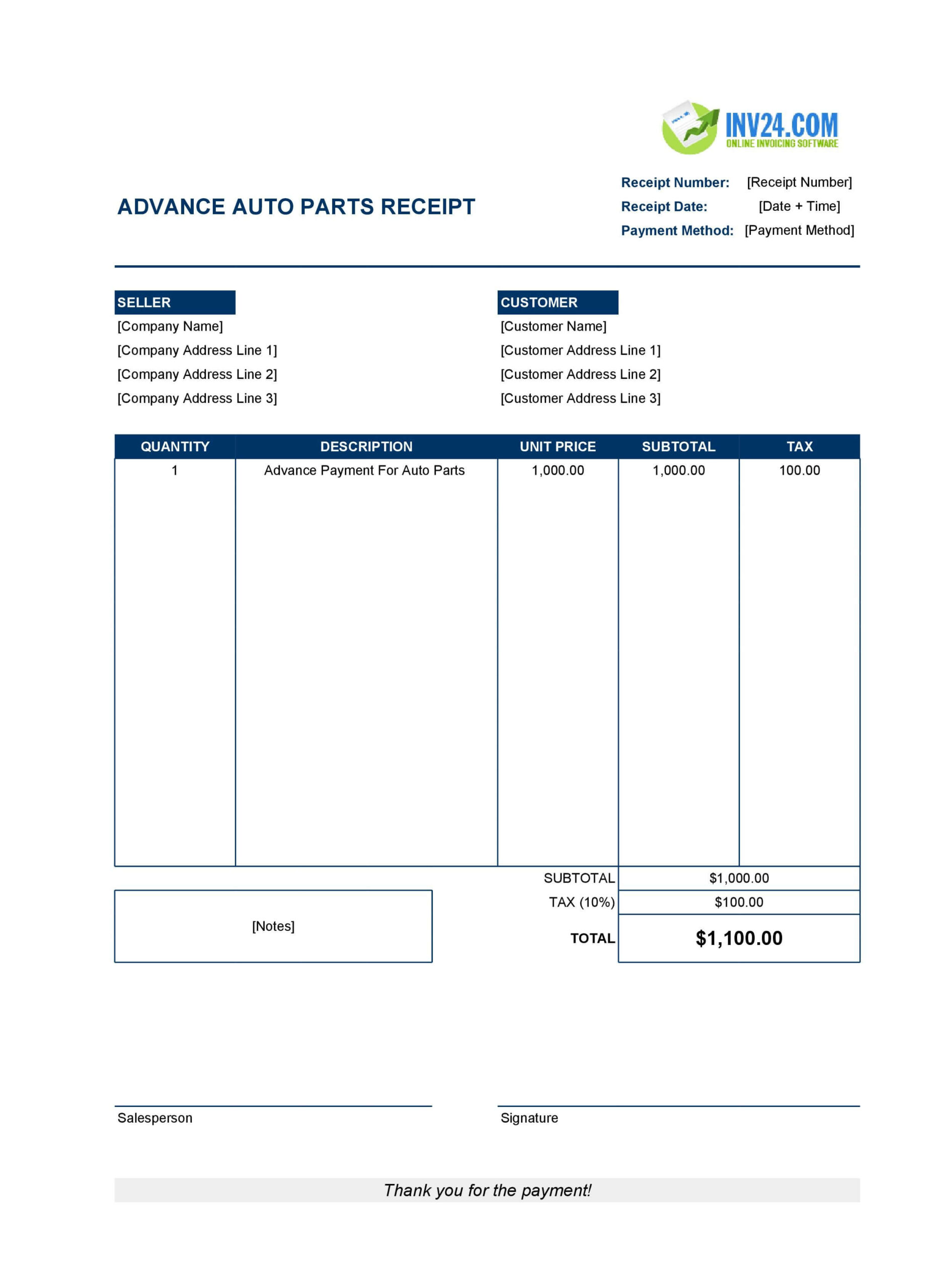
An advance register functions as a systematic preliminary log or preparatory database used across various administrative, legal, and operational fields to capture transactions, asset allocations, or attendee lists prior to final entry in a master ledger. It ensures procedural compliance, organizes upcoming workloads, and prevents data bottlenecks in high-volume environments.
Introduction to the Advance Register Concept
Administrative efficiency relies heavily on the ability to capture, vet, and organize data before it is formally integrated into a permanent institutional record. The advance register serves this critical preparatory function. Across multiple sectors—including electoral management, corporate accounting, supply chain logistics, and judicial administration—an advance register acts as an intermediary database. It bridges the gap between raw, incoming data and official, binding documentation.
Understanding how an advance register operates requires examining its structural mechanics, its role in risk mitigation, and the administrative protocols governing its use. By capturing entries provisionally, organizations can audit data accuracy, allocate necessary resources, and maintain temporal precedence for transactions or registrations that require sequential processing. While the specific implementation varies depending on the industry, the core objective remains constant: ensuring data integrity, traceability, and operational readiness before master systems are updated.
Core Purpose and Functional Objectives
The primary function of an advance register is to establish a verified queue of records that require subsequent formal processing. In many organizational frameworks, direct entry into a master ledger or final database without a preliminary review phase introduces significant vulnerabilities, including data corruption, unauthorized alterations, and compliance failures.
By utilizing an advance register, administrators achieve several distinct functional objectives:
- Temporal Sequencing: Establishing an unalterable chronological order of submissions, which is vital in legal, electoral, and financial contexts where priority is determined by the exact time of receipt.
- Error Minimization: Providing a staging ground where preliminary data can be screened for formatting errors, missing credentials, or policy violations before it touches primary operational databases.
- Workload Forecasting: Allowing administrative teams to analyze the volume of incoming entries, enabling better resource allocation, staffing adjustments, and timeline management.
- Audit Trail Generation: Creating a transparent history of every provisional submission, including timestamps, source identifiers, and initial validation statuses.
Industry-Specific Implementations
The implementation of an advance register varies significantly depending on the regulatory framework and operational needs of the sector. Below is a comparative overview of how different industries deploy preliminary registers to manage workflow and compliance.
| Industry Sector | Primary Use Case | Key Benefit | Typical Data Fields |
|---|---|---|---|
| Electoral Administration | Tracking preliminary voter registrations and special ballot requests ahead of election day. | Prevents voter roll congestion and verifies eligibility prior to master list consolidation. | Voter ID, Submission Timestamp, District Code, Verification Status |
| Corporate Finance | Logging provisional expense claims, advance payments, and purchase requisitions before general ledger posting. | Enforces spending controls and budget verification prior to capital outflow. | Employee/Vendor ID, Projected Amount, Department Code, Approval Workflow Stage |
| Judicial & Legal | Recording incoming motions, filings, and case documents before formal court docket entry. | Ensures strict adherence to filing deadlines and chronological court priorities. | Case Number, Filing Party, Document Type, Receipt Timestamp |
| Supply Chain & Logistics | Pre-logging incoming shipments, expected delivery manifests, and advance shipping notices. | Optimizes warehouse staging, dock scheduling, and inventory forecasting. | Tracking Number, Expected Delivery Date, Item Manifest, Supplier ID |
Procedural Workflow and Lifecycle Management
Managing an advance register requires a strict, multi-stage lifecycle to ensure that provisional data is either successfully promoted to a master record or appropriately rejected. The workflow typically follows a standardized sequence of operational phases.
Phase 1: Intake and Data Capture
The lifecycle begins when a user, client, or automated system submits raw data into the preliminary framework. During this phase, the system automatically assigns a unique identifier and records a secure, synchronized timestamp. Minimal manual intervention occurs here to prevent transcription errors.
Phase 2: Preliminary Screening and Validation
Once captured, the entry undergoes automated and manual verification checks. These checks assess formatting compliance, mandatory field completion, and baseline eligibility. For instance, in a financial advance register, this phase verifies whether the submitting department has sufficient remaining budget allocation for the requested provisional expense.
Phase 3: Staging and Queue Management
Validated entries enter the active staging queue. Administrators monitor this queue to manage processing priorities. Depending on institutional rules, entries may be processed on a strict first-in, first-out (FIFO) basis, or sorted by priority tiers based on urgency criteria.
Phase 4: Reconciliation and Master Entry
The final operational phase involves migrating the data from the advance register to the permanent master ledger or database. Upon successful migration, the system updates the advance register entry status to "Resolved" or "Committed," locking the record against further unauthorized alterations while maintaining a permanent cross-reference link to the master record.
Advantages of Utilizing an Advance Register
Deploying an advance register offers measurable operational benefits for organizations handling high volumes of transactional or regulatory data.
- Risk Mitigation: By isolating unverified data in a staging environment, organizations protect core operational databases from corrupted entries, duplicate submissions, and malicious data injection attempts.
- Regulatory Compliance: Many regulatory frameworks require auditable proof of when a document, application, or financial request was received. An advance register provides an immutable chronological log that satisfies statutory auditing requirements.
- Operational Transparency: Stakeholders can track the status of their submissions during the preliminary review phase, reducing administrative inquiry volume and improving customer or employee satisfaction.
Potential Limitations and Operational Challenges
Despite its structural benefits, maintaining an advance register introduces specific operational challenges that organizations must actively manage.
- Data Synchronization Delays: A lag between the advance register and the master database can lead to outdated information availability, causing operational blind spots for decision-makers.
- Administrative Overhead: Maintaining a preliminary ledger requires dedicated personnel to monitor queues, resolve validation errors, and manage exception workflows.
- Storage and Security Complexity: Storing duplicate or provisional data increases the organization's digital footprint and necessitates rigorous access controls to protect sensitive information before it reaches secured master storage.
Frequently Asked Questions
What is the difference between an advance register and a master ledger?
An advance register is a preliminary staging log used to capture, screen, and sequence incoming data before formal processing. A master ledger is the definitive, permanent database where finalized, verified records are officially stored for long-term operational or historical use.
How does an advance register ensure chronological fairness?
Advance registers rely on automated, immutable timestamping at the exact moment of data submission. This creates an objective, unalterable sequence of receipt, which is legally and procedurally critical for priority-based processing like legal filings or electoral registrations.
Can entries in an advance register be edited after submission?
Generally, direct editing of historical entries is restricted to maintain data integrity. If an error is detected during the screening phase, standard protocol dictates that the entry is either flagged for correction by an authorized administrator or rejected, requiring the submitter to file a new, corrected entry.
Is an advance register legally binding?
While an advance register establishes proof of receipt and chronological priority, it is typically not the final legal record on its own. Its legal standing depends on the specific regulatory framework governing the institution, usually serving as verifiable evidence of procedural compliance leading up to master registration.
What happens to rejected entries in an advance register?
Rejected entries are marked with a terminal status indicating the reason for failure (e.g., incomplete documentation, ineligible applicant, or formatting error). They are retained within the register's audit log for compliance and reporting purposes, but they do not advance to the master database.
Conclusion and Next Actions
Implementing or auditing an advance register requires a thorough assessment of organizational data flows, regulatory requirements, and technical infrastructure. To optimize your preliminary logging procedures, begin by mapping your current data intake points, identifying compliance bottlenecks, and establishing clear protocols for data validation and promotion to master systems. Ensuring strict adherence to timestamping and access controls will secure your workflow against administrative errors and maintain institutional accountability.