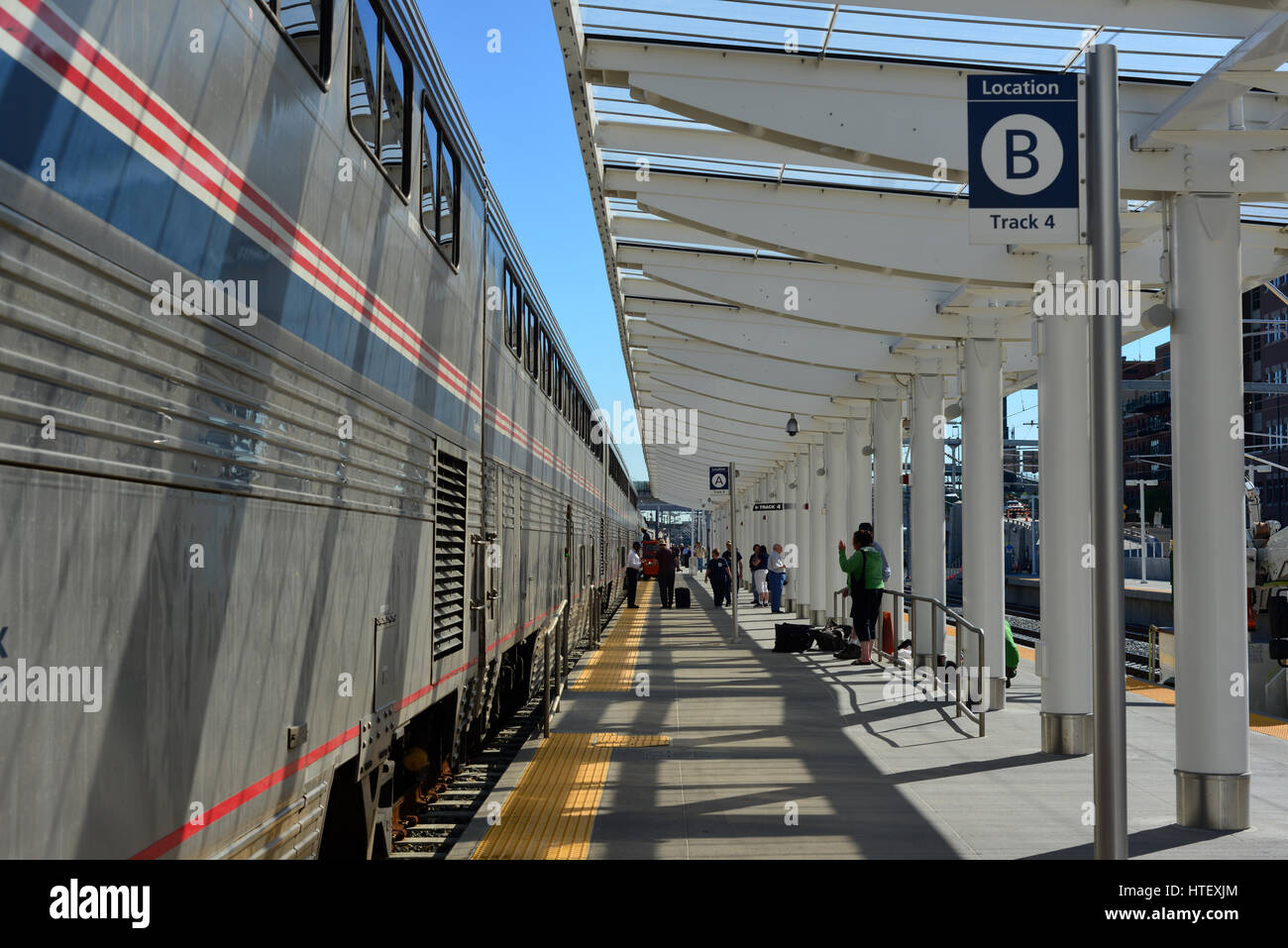
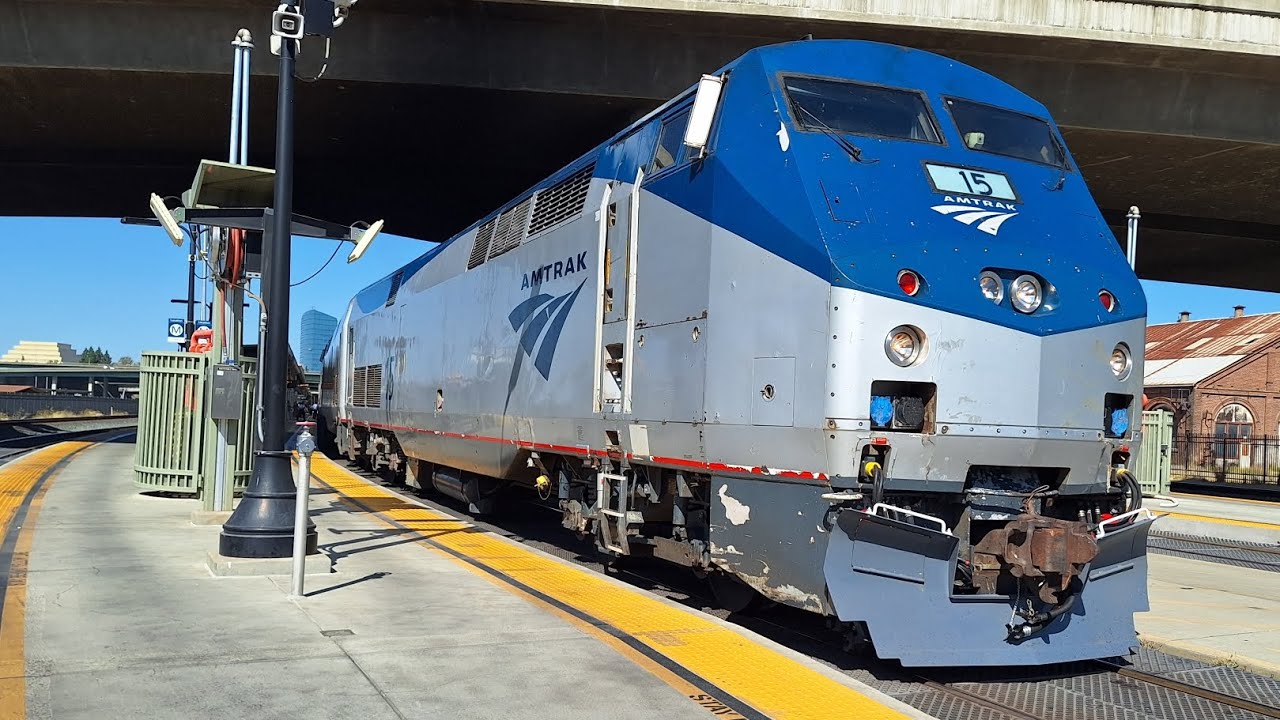
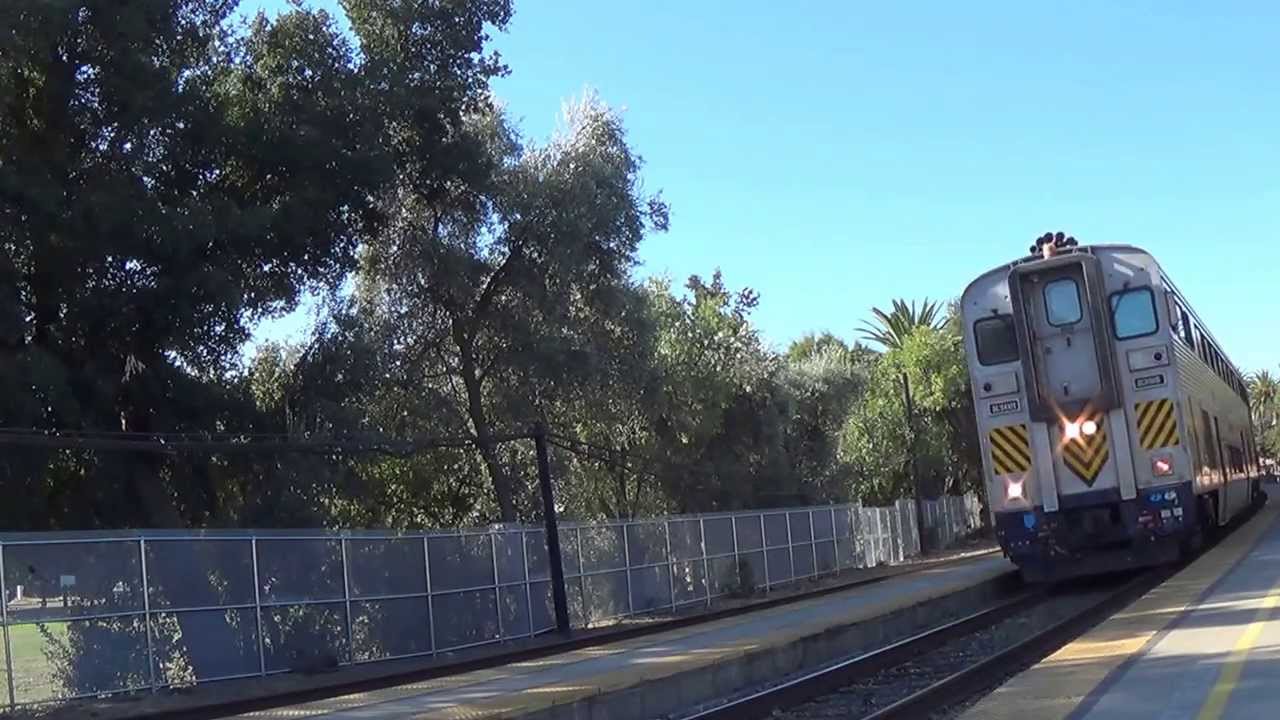
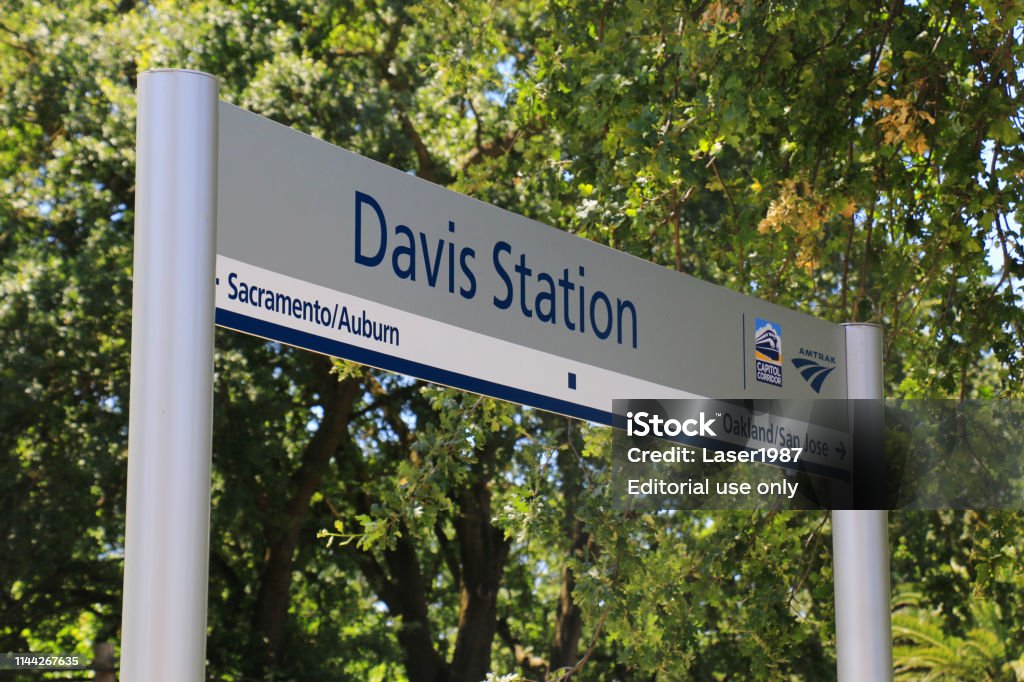
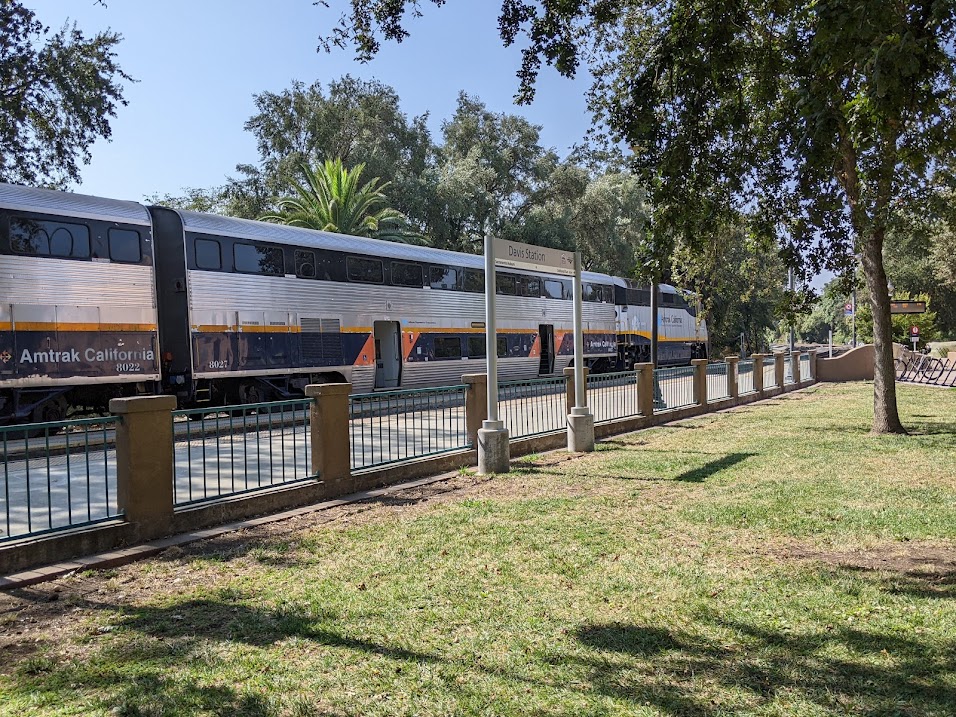
Taking Amtrak to Davis, California, is one of the most efficient ways to reach this vibrant university town. The Davis station (DAV) is served by the Capitol Corridor, Coast Starlight, and California Zephyr routes. Located in the heart of downtown, the station provides immediate access to UC Davis and local transit, offering a sustainable, stress-free alternative to driving the congested I-80 corridor.
The Central Role of the Davis Amtrak Station
The Davis Amtrak Station, located at 840 2nd Street, serves as a vital transportation artery for the Yolo County region. Historically known as the Southern Pacific Depot, this station is not merely a transit stop but a landmark that anchors the eastern edge of the University of California, Davis (UC Davis) campus and the southern edge of the city’s bustling downtown core.
In 2026, the station continues to be one of the busiest in the Amtrak California network. Its popularity stems from its unique geography. Davis is a city designed around non-vehicular transit; as the "Bicycle Capital of America," the integration between rail and cycling is seamless here. The station features a historic 1914-built depot building that provides a sheltered waiting area, restrooms, and automated ticketing kiosks. While the building itself is a piece of history, the operations are modern, catering to thousands of students, researchers, and commuters daily.
The station’s location is its greatest asset. Upon disembarking, passengers are within a five-minute walk of the UC Davis Gateway District, including the Mondavi Center for the Performing Arts and the Jan Shrem and Maria Manetti Shrem Museum of Art. For those heading to the city center, the downtown business district begins immediately across the street, offering instant access to hotels, coffee shops, and local eateries.
Primary Amtrak Routes Serving Davis
Davis is uniquely positioned because it is served by three distinct Amtrak services, each offering different levels of frequency, amenities, and geographic reach. Understanding the differences between these routes is essential for planning a successful trip.
The Capitol Corridor: The Commuter Workhorse
The Capitol Corridor is the most frequent service at the Davis station. Operating between Auburn/Sacramento and San Jose, this route provides upwards of 15 return trips daily on weekdays. It is the primary choice for those traveling from the San Francisco Bay Area (via Richmond, Oakland, or Emeryville) or from the state capital in Sacramento.
The Capitol Corridor is designed for convenience. It features unreserved seating, meaning you can purchase a ticket and board any train on that route for that day. This flexibility is ideal for business travelers or students whose schedules might shift. Onboard, passengers find "Workforce" amenities such as free Wi-Fi, power outlets at every seat, and a dedicated Café Car serving snacks, meals, and local beverages.
The Coast Starlight: The Scenic Long-Distance Option
The Coast Starlight is one of Amtrak’s premier long-distance routes, running daily between Los Angeles and Seattle. For travelers coming from Southern California or the Pacific Northwest, this is the direct link to Davis. While it only stops in Davis once a day in each direction, it offers a more luxurious experience than the commuter lines.
Passengers on the Coast Starlight can choose between coach seating and private Sleeping Car accommodations (Roomettes and Bedrooms). The train also features the Sightseer Lounge car, with floor-to-ceiling windows that provide panoramic views of the California landscape. Because this is a long-distance train, reservations are required, and tickets often sell out during peak university move-in or graduation periods.
The California Zephyr: The Transcontinental Link
The California Zephyr runs between Chicago and Emeryville, passing through the majestic Sierra Nevada mountains before arriving in Davis. Like the Coast Starlight, it serves the Davis station once daily in each direction. It is a favored route for those traveling from Reno, Salt Lake City, or Denver. The Zephyr is known for its breathtaking views of the Donner Pass and the American River Canyon, making the journey to Davis as much about the scenery as the destination.
Navigation and Connectivity: Arriving in Davis
The transition from the train platform to your final destination in Davis is notably straightforward. The city is highly compact, but understanding the local transit ecosystem will save time.
Walking and Cycling
If your destination is within two miles of the station, walking or cycling is often the fastest method. The station provides extensive bike racking, including high-security lockers that can be rented through the BikeLink system. Many travelers keep a "station bike" in Davis specifically for the last mile of their commute.
Unitrans: The Student-Run Bus System
Davis is famous for Unitrans, the student-operated bus system recognizable by its vintage London double-decker buses. Several lines serve the Amtrak station directly or stop just a block away at 2nd and B Streets. Unitrans is free for UC Davis undergraduates and offers affordable fares for the general public. It is the primary way to reach the deeper residential neighborhoods and the western portions of the university campus.
Yolobus and Regional Links
For those traveling beyond the city limits to Woodland, Winters, or the Sacramento International Airport (SMF), Yolobus provides connecting services from the station area. The Route 42A/42B loop is particularly useful for Amtrak passengers needing to reach the airport, providing a cost-effective alternative to ride-sharing services.
Ticketing, Fares, and Discounts in 2026
Pricing for Amtrak to Davis varies significantly based on the route and how far in advance you book. For the Capitol Corridor, fares are generally fixed based on distance, but there are numerous ways to reduce the cost.
- Multi-Ride Passes: For frequent travelers between Davis and Sacramento or the Bay Area, Amtrak offers 10-ride and Monthly Passes. These provide a deep discount over individual one-way tickets and are popular with faculty and state workers.
- Student Discounts: Through the Amtrak California portal, students can often access a 15% to 25% discount on fares. This is a staple for the UC Davis population.
- Senior and Veteran Discounts: Amtrak maintains a standard 10% discount for seniors (65+) and active-duty military or veterans on most fares.
- The Amtrak App: In 2026, the Amtrak mobile app is the primary tool for ticketing. It provides real-time "Where is my train?" tracking, which is essential for the long-distance Zephyr and Starlight routes that are more prone to freight-related delays.
| Route Name | Frequency (Daily) | Best For | Onboard Features |
|---|---|---|---|
| Capitol Corridor | 15+ Round Trips | Bay Area/Sacramento commuters | Wi-Fi, Café Car, Unreserved Seating |
| Coast Starlight | 1 North / 1 South | Los Angeles, San Luis Obispo, Portland | Sleeper Cars, Sightseer Lounge, Dining Car |
| California Zephyr | 1 East / 1 West | Reno, Salt Lake City, Chicago | Scenic Views, Sleeper Cars, Full Dining |
Essential Tips for Amtrak Travelers to Davis
To ensure a smooth journey, consider these logistical nuances specific to the Davis environment:
Managing Luggage and Bicycles
Davis is a high-volume station for bicycles. If you are bringing a bike on the Capitol Corridor, look for the "Bike Car"—usually the car closest to the locomotive or clearly marked with a large green bicycle icon. These cars have specialized racks. On the Coast Starlight and California Zephyr, you must reserve a space for your bicycle in advance, as storage is limited and often located in the baggage car.
Parking at the Davis Station
Parking is one of the most challenging aspects of the Davis Amtrak experience. There is a small dedicated lot at the station, but it fills up very early on weekday mornings. Most parking in the immediate vicinity is permit-only or time-limited (2-hour zones). If you must drive to the station, consider using the long-term city parking structures located a few blocks north on 4th Street, or better yet, utilize ride-sharing or local buses to reach the depot.
Boarding Procedures
Unlike airports, Amtrak boarding is quick. However, for the Capitol Corridor, you should arrive at least 10 minutes before departure. For the long-distance trains (Starlight and Zephyr), arrive 30 minutes early, especially if you have checked baggage. The Davis platforms are "low-level," meaning you will need to step up into the train, though Amtrak staff provide stools and assistance for those with mobility issues.
Understanding Potential Delays and Troubleshooting
While Amtrak is generally reliable, the tracks in Northern California are shared with Union Pacific freight trains. This can occasionally lead to "freight interference" delays.
- Check Status Early: Use the Amtrak website or app to check the status of your train before leaving for the station.
- The "Bridge Swing": For those coming from the Bay Area, the train must cross the Benicia-Martinez Bridge. Occasionally, the bridge must open for maritime traffic, which can cause a 15-20 minute delay for all Davis-bound trains.
- Communication: The Davis station is staffed during most daylight hours. If a train is significantly delayed, the station agent is the best source of information regarding alternative bus "bridge" services or updated arrival times.
Accessibility and Special Assistance
The Davis Amtrak station is fully ADA-compliant. There are tactile warning strips along the platform edges, and the historic depot has been retrofitted with accessible ramps and restrooms. For passengers requiring boarding assistance, Amtrak provides a mobile lift. It is recommended to notify Amtrak when booking your ticket if you require assistance, though the conductors are trained to help walk-up passengers as well.
For those with visual impairments, the station utilizes automated voice announcements for all arriving and departing trains. The proximity of the station to the UC Davis campus also means that the pathways leading away from the station are well-maintained and designed for high-volume pedestrian traffic, making it one of the most accessible "last-mile" transitions in the California rail system.
Frequently Asked Questions
Can I buy my Amtrak ticket at the Davis station?
Yes, you can purchase tickets at the Davis station using the automated Quik-Trak kiosks or at the ticket counter when an agent is on duty. However, purchasing via the Amtrak mobile app or website is generally recommended to secure the lowest "Value" or "Saver" fares, which are often not available for last-minute walk-up purchases on long-distance routes.
Is there Wi-Fi available on the train to Davis?
Free Wi-Fi is available on all Capitol Corridor trains. It is suitable for checking emails, browsing the web, and light productivity. However, it is not intended for high-definition video streaming. The Coast Starlight and California Zephyr do not currently offer reliable Wi-Fi, as they travel through remote mountainous and coastal regions with limited cellular coverage.
How far is the Amtrak station from the UC Davis Memorial Union?
The station is approximately 0.8 miles from the Memorial Union (MU), which is the central hub of the university. It is a pleasant 15-minute walk through the Arboretum or along 3rd Street. Alternatively, you can take a Unitrans bus (Lines A or P) from nearby the station, which will drop you off directly at the MU bus terminal.
Are there lockers for luggage at the Davis station?
There are no traditional luggage lockers at the Davis Amtrak station due to security regulations. However, if you are traveling on the Coast Starlight or California Zephyr, you may be able to check your bags through to your final destination. For day-trippers, there are currently no official storage facilities, so you should plan to carry your belongings with you.
What is the "Quiet Car" on the Capitol Corridor?
Most Capitol Corridor trains designate one car (usually the second car from the locomotive) as the "Quiet Car" during morning and evening commute hours. In this car, passengers are asked to refrain from cell phone calls and keep conversations to a whisper. This is an excellent option for those looking to sleep or work during the trip to or from Davis.
Final Recommendation for Travelers
When planning a trip to Davis via Amtrak, the best strategy is to prioritize the Capitol Corridor for its frequency and flexibility. If you are coming from outside the Northern California region, the Coast Starlight and California Zephyr offer a more scenic and comprehensive travel experience, but they require much stricter scheduling. Given the difficulty of parking in downtown Davis, the train remains the most logical and environmentally friendly way to access the city and university in 2026. Always download the Amtrak app prior to travel for real-time updates, and if you are a student, ensure you apply your discount code at the time of booking to maximize your savings.