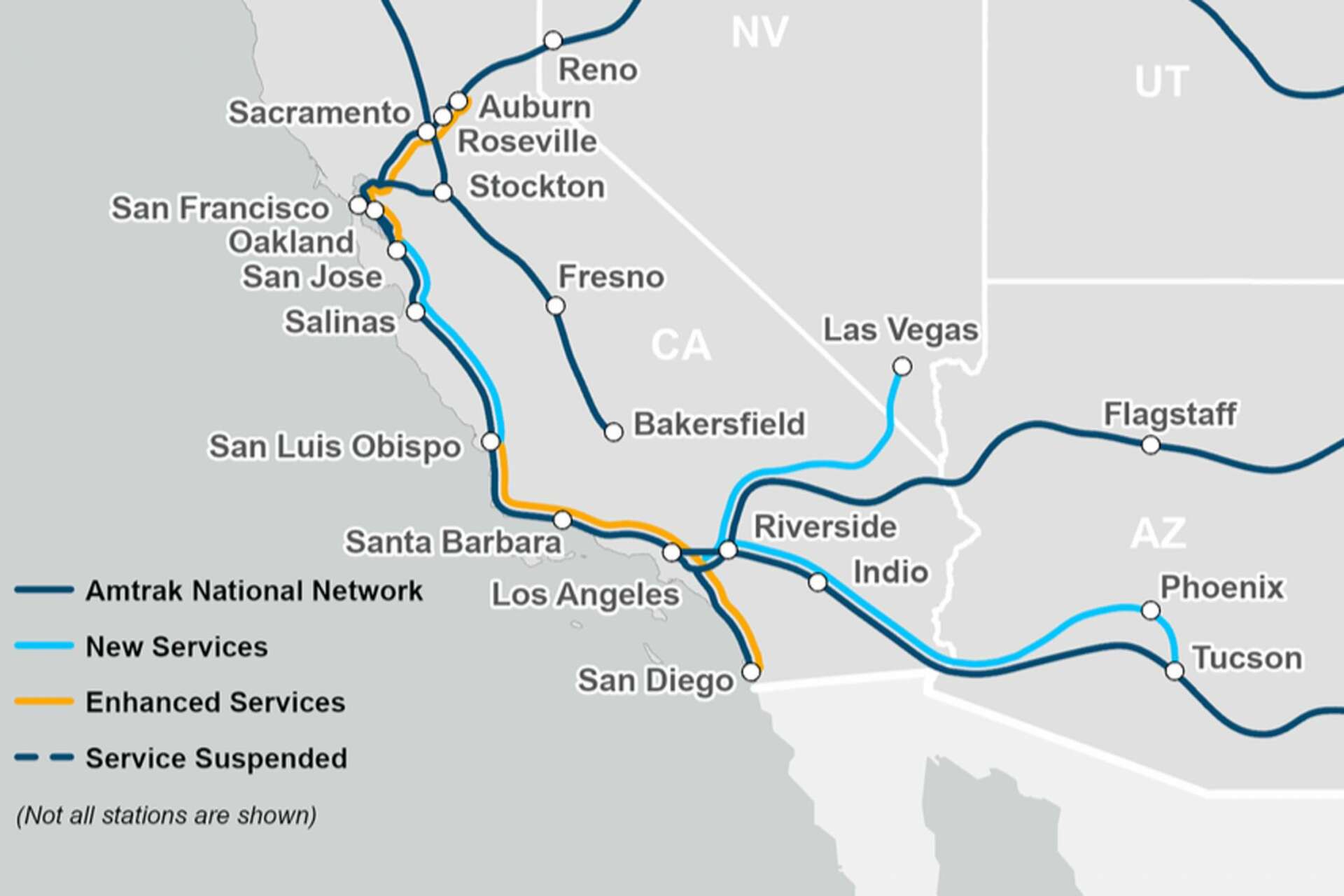
Traveling from California to New York by train is a multi-day journey that requires switching lines and navigating through major regional hubs. Because there is no single direct train spanning the entire continent, travelers must coordinate their transit through Chicago, which serves as the primary gateway for cross-country rail connections between the West Coast and the East Coast.
Understanding the Transcontinental Rail Network
Amtrak does not operate a single line that stretches from the Pacific to the Atlantic. Instead, the journey is composed of two distinct segments: a long-distance Western route from California to Chicago, and a long-distance Eastern route from Chicago to New York. This architecture requires passengers to purchase a connected itinerary to ensure their reservations are synchronized.
For most travelers, the process involves arriving at Chicago Union Station, where you must transfer between trains. Because these trains are subject to delays—particularly over long distances—booking a "guaranteed" connection through Amtrak’s official ticketing system is essential. When you book a single itinerary, Amtrak’s reservation system accounts for these potential delays, providing rebooking assistance if your arrival in Chicago is significantly delayed.
Selecting Your Western Route from California
Depending on your starting point in California, you will select one of the primary long-distance routes heading toward the Midwest.
The California Zephyr
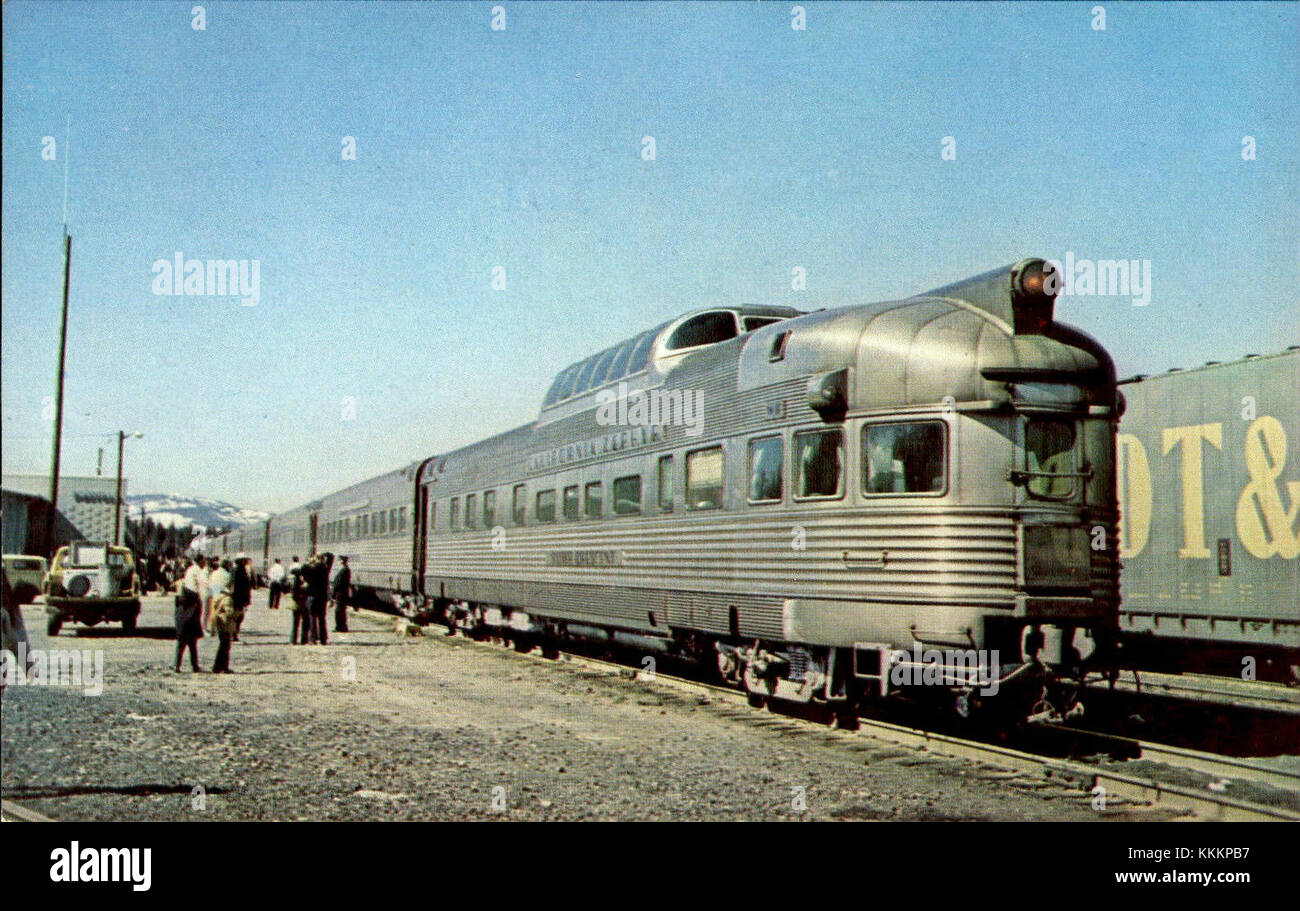
Widely considered one of the most scenic rail routes in North America, the California Zephyr departs from Emeryville (serving the San Francisco Bay Area) and traverses the Sierra Nevada and the Rocky Mountains. This route is ideal for travelers prioritizing scenery, as it offers daytime views of the Colorado River and the high plains. It terminates at Chicago Union Station.
The Southwest Chief
Originating in Los Angeles, the Southwest Chief takes a more southern path through the American Southwest, crossing through Arizona, New Mexico, and Kansas. This route is steeped in history, following the path of the original Santa Fe Railway. It is often preferred by those traveling from Southern California who wish to see the changing desert landscapes of the Southwest before heading into the Heartland.
The Coast Starlight and Connections
If you are starting in a city like Seattle or Portland, or traveling south from Oregon into California, the Coast Starlight serves the West Coast corridor. However, to reach New York from California, you would typically use the Coast Starlight to reach a major hub to connect to the California Zephyr or Southwest Chief.
Reaching New York from Chicago
Once you arrive in Chicago, you will transition to the Eastern portion of the rail network. The route you choose depends on your final destination within New York and your preferences regarding duration and scenery.
The Lake Shore Limited
The Lake Shore Limited is the most direct connection from Chicago to New York City’s Penn Station. It runs along the southern shore of Lake Michigan and through the Mohawk River Valley in New York State. This route offers a classic rail experience, passing through historic industrial corridors and rural landscapes.
The Cardinal
A less frequent option, the Cardinal travels from Chicago through the scenic Appalachian Mountains, Virginia, and Washington, D.C., before reaching New York. This route is longer and operates on a less frequent schedule (currently running three days per week), but it is a popular choice for those who prefer a more leisurely pace with diverse geographic scenery.
Comparison of Transcontinental Routing Options
Selecting the right combination of trains requires balancing your budget, comfort needs, and desire for scenic variety.
| Route Combination | Key Features | Primary Regions Covered |
|---|---|---|
| Zephyr + Lake Shore Ltd | Most scenic, mountainous | Rockies, Midwest, Upstate NY |
| Southwest Chief + Lake Shore Ltd | Historic, desert landscape | Southwest, Great Plains, Midwest |
| Zephyr + Cardinal | Diverse terrain, D.C. access | Rockies, Appalachians, Mid-Atlantic |
Practical Considerations for Long-Distance Travel
Traveling by train across the United States is a significant time commitment, often taking three to four days depending on the specific connection. Preparing for life on the train is as important as choosing the route.
Seating and Sleeping Accommodations
Amtrak offers two primary levels of service for long-distance travel: Coach and Private Rooms.
- Coach Class: Includes a large, reclining seat with generous legroom. While comfortable for shorter trips, it can be challenging for multi-day cross-country travel as it does not include a bed.
- Private Rooms: Options include Roomette and Bedroom configurations. These accommodations provide privacy, lie-flat beds, and access to showers. Crucially, all meals in the Dining Car are included in the price of a Private Room ticket, representing significant value for long-distance journeys.
Food and Dining
On long-distance trains, dining options vary by class of service. Sleeping car passengers have access to full dining service. Coach passengers can purchase items from the Cafe Car, which serves snacks, sandwiches, and beverages. It is highly recommended to bring supplemental food and hydration, even if you are in a room, as long-distance transit can be subject to unforeseen service changes.
Luggage Policies
Amtrak’s checked baggage policy is a major advantage over air travel. Most long-distance trains offer checked baggage service, allowing you to bypass the hassle of carrying heavy bags through the station. Ensure your luggage meets size and weight requirements, and always keep essential medications, travel documents, and electronics in your carry-on bag.
Tips for a Successful Trip
- Book Early: For the best pricing and availability, particularly for private rooms, book your travel well in advance. Prices are dynamic and increase as the travel date approaches.
- Verify Your Connection: Ensure your entire journey is booked on one ticket. This guarantees that if your first train is delayed, Amtrak will assist with your onward travel.
- Pack Light but Smart: Even with checked bags, you will want a small "day bag" for your seat or room containing chargers, a power bank, comfortable clothing, and toiletries.
- Stay Informed: Download the Amtrak mobile app to receive real-time notifications about train status, track assignments, and service alerts.
- Respect Station Etiquette: When arriving at major hubs like Chicago Union Station, stay alert and move toward your next gate early. The station can be crowded, and knowing your departure track ahead of time is helpful.
Navigating Potential Delays
Long-distance rail travel in the United States utilizes tracks largely owned by freight railroads. Because of this, freight traffic can sometimes prioritize over passenger service, leading to delays. While these are common, they are factored into the overall planning of the rail network. If you find yourself in a significant delay, communicate with the on-board crew. They are experienced in managing these situations and can provide updates on whether your connection in Chicago will be held or if alternative arrangements are being made.
Frequently Asked Questions
How long does it take to travel by train from California to New York? The total duration typically ranges from 72 to 90 hours, depending on the specific train combinations and layover times in Chicago.
Can I bring my own food on the train? Yes, passengers are allowed to bring their own food and non-alcoholic beverages on board to consume at their seats or in their private rooms.
Are pets allowed on these long-distance trains? Amtrak’s pet policy is limited. Some trains allow small dogs and cats, but many long-distance routes have specific restrictions. Always check the specific train’s policy when booking your ticket.
Do the trains have Wi-Fi? Most long-distance trains do not offer reliable Wi-Fi, and service is often non-existent in remote regions. Plan to download movies, books, or music offline before departure.
What happens if I miss my connection in Chicago? If you booked your travel as a single, connected itinerary, Amtrak will work to place you on the next available departure at no additional cost.
Is it cheaper to fly or take the train? Generally, air travel is faster and often cheaper for direct coast-to-coast travel. Taking the train is considered an "experience" and is usually priced similarly to or higher than airfare, especially when booking private room accommodations.
Final Recommendations
For the most rewarding experience, treat the train journey as a component of your vacation rather than simply a way to get from one location to another. If your budget allows, booking a private room provides the highest level of comfort and convenience for the multi-day trip. If you are budget-conscious, Coach is a viable option, provided you prepare thoroughly for the physical realities of sleeping in a seat for several nights. Always prioritize booking through the official Amtrak website or application to ensure your journey is fully protected and monitored by their support network.