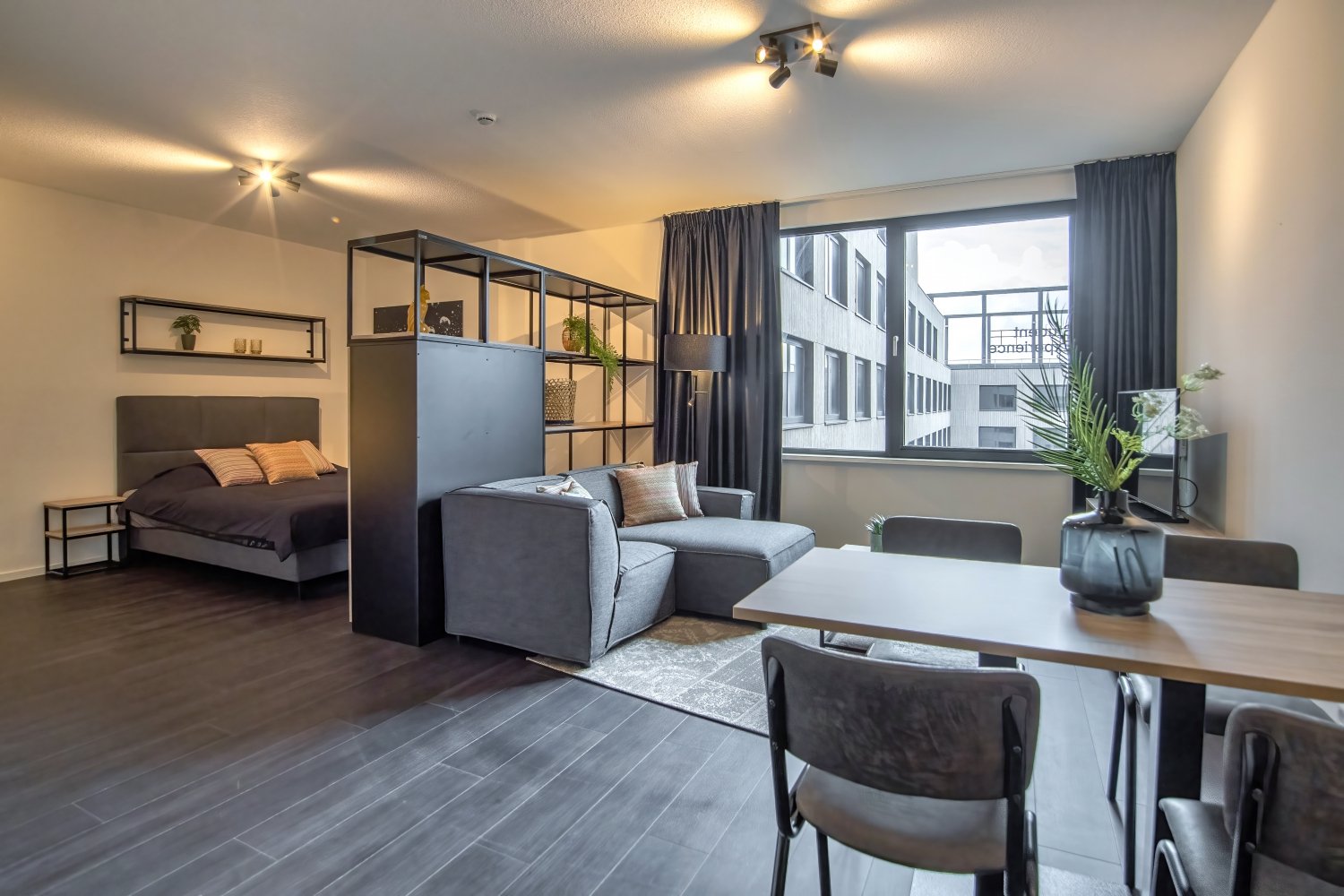
Finding student housing in Amsterdam requires navigating a famously competitive rental market, understanding specific housing agencies like ROOM.nl, and meeting strict eligibility criteria set by Dutch educational institutions. Success depends on starting your search early, understanding legal tenancy types, and avoiding common financial scams that target international students.
The Amsterdam Student Housing Landscape
Securing a place to live in Amsterdam as a student is one of the most challenging hurdles of studying in the Netherlands. The city faces a severe housing shortage driven by surging enrollment at institutions like the University of Amsterdam (UvA) and Vrije Universiteit Amsterdam (VU), coupled with a limited supply of residential real estate. Understanding how the market is structured is the first step toward securing stable accommodation.
Unlike many other global cities where universities automatically house incoming freshmen in massive campus dormitories, Amsterdam relies on a decentralized housing model. While institutions like UvA and VU reserve blocks of rooms through partnerships with local housing corporations, these allocations fall drastically short of total demand. Consequently, the vast majority of students must source their own rooms through specialized student housing platforms, private landlords, or housing cooperatives.
Because demand consistently outstrips supply, rental prices remain exceptionally high, and competition for affordable units is fierce. Approaching the search with a clear strategy, realistic budget expectations, and an awareness of your legal rights as a tenant is essential for protecting yourself against fraudulent listings and exploitative pricing.
Primary Channels for Finding Student Accommodation
To successfully secure a room, you must know where legitimate listings are published. Relying on a single platform rarely yields results; instead, applicants must cast a wide net across multiple verified channels.
Student Housing Corporations via ROOM.nl
The backbone of affordable student housing in Amsterdam is managed through ROOM.nl, a portal utilized by major regional housing associations such as De Key, DUWO, and Ymere.
- Registration Age and Strategy: You can—and should—register on ROOM.nl starting at age 16, even if you do not plan to study in Amsterdam immediately.
- The Queue System: Most properties allocated through this platform are awarded based on registration time (queue length). If you are an international student registering upon arrival, your queue time will be short, making these properties harder to secure for your first year, though still viable for later years.
University-Assisted Housing
Both the University of Amsterdam and Vrije Universiteit Amsterdam offer limited mediated housing options for international students through partnerships with local real estate providers.
- Application Windows: These programs typically open several months before the semester begins (usually in early spring for the fall intake).
- Lease Duration: University-mediated housing is almost always temporary—usually restricted to one year—with the explicit goal of giving international newcomers a safe landing pad while they find permanent housing independently.
Private Sector and Independent Platforms
Students who cannot secure a corporation-managed room or university-mediated housing must turn to the private rental market. Platforms like Kamernet, Pararius, and various Facebook student housing groups serve as primary hunting grounds.
- Pricing and Regulation: Private sector rooms are significantly more expensive than social housing units. However, many fall under the Dutch housing valuation system (Woningwaartekenstelsel), which caps maximum rent based on a point system evaluating property size, amenities, and energy efficiency.
Eligibility, Documentation, and Financial Requirements
Landlords and housing corporations in Amsterdam enforce strict vetting procedures before handing over keys. Preparing your documentation package ahead of time ensures you can respond instantly when a room becomes available.
Essential Document Checklist
When applying for a rental, expect to provide a comprehensive digital dossier. Missing a single document can result in your application being passed over immediately.
- Proof of Enrollment: An official statement from your higher education institution (Bewijsstuk inschrijving) confirming your student status for the upcoming academic year.
- Financial Guarantees: Proof of sufficient funds to cover rent and living expenses. For international students, this often mirrors the financial documentation required for your MVV/residence permit application by the Immigration and Naturalisation Service (IND).
- Guarantor Documentation: If your personal income does not meet the landlord's threshold (typically requiring monthly income to equal 3 to 4 times the monthly rent), you will need a parent or legal guardian to act as a financial guarantor, providing their own income statements and tax returns.
- Valid Identification: A clear copy of your passport or EU identity card.
Financial Planning and Rent Subsidies
Budgeting for Amsterdam student housing requires accounting for more than just base rent.
- Service Costs: Many listings quote a "basic rent" (kale huur) that excludes service charges for utilities, internet, and building maintenance. Always ask for the inclusive monthly price.
- Huurtoeslag (Rent Benefit): Depending on your age, income, and the structural layout of your accommodation (specifically, whether you have an independent front door, kitchen, and private bathroom), you may be eligible for huurtoeslag—a monthly government subsidy for renters. Generally, students under 23 face stricter income and rent caps, while those living in completely independent studios have higher eligibility rates than those in shared housing with communal facilities.
Comparison of Housing Types in Amsterdam
Choosing the right type of accommodation depends on your budget, legal protections, and lifestyle preferences. The table below outlines the primary options available to students.
| Housing Type | Average Monthly Cost | Allocation Method | Lease Security & Terms | Pros & Cons |
|---|---|---|---|---|
| Social Student Housing (ROOM.nl) | €400 – €700 | Registration duration queue | Temporary Youth Contract (up to 5 years after graduation) | Pros: Affordably priced, highly regulated.Cons: Extremely long waiting lists. |
| University-Mediated Housing | €600 – €950 | Lottery or first-come, first-served for international students | Fixed term (usually 1 year, non-renewable) | Pros: Guaranteed legitimate housing upon arrival.Cons: Limited availability, strict one-year limit. |
| Private Shared Housing / Coliving | €700 – €1,200 | Direct application to landlords/tenants | Independent or sublease agreements | Pros: Easier to find without long wait times.Cons: High rent, vulnerable to unfair contracts. |
| Private Independent Studio | €950 – €1,500+ | Real estate agencies, Pararius, Kamernet | Open-ended or temporary contracts | Pros: Complete privacy and independence.Cons: Prohibitively expensive for many students. |
Legal Rights, Tenancy Types, and Avoiding Scams
Navigating Dutch rental law protects tenants from illegal practices, but it also requires vigilance against bad-faith actors who prey on desperate students.
Understanding Tenancy Agreements
- Independent vs. Non-Independent Living: If you share a kitchen, bathroom, or toilet with the landlord or other primary tenants, you are legally considered to have non-independent housing (onzelfstandige woonruimte), which grants you fewer statutory protections regarding rent price disputes.
- Temporary Contracts: Landlords frequently issue temporary rental agreements under specific legislative rules. Ensure you understand whether your contract terminates automatically or converts to an open-ended agreement after a designated period.
Red Flags and Avoiding Housing Scams
International students are primary targets for rental fraud. Protect yourself by recognizing common warning signs:
- Never Transfer Money Before Viewing: If a landlord demands a deposit or first month's rent before you or a trusted representative have physically toured the interior of the property, walk away.
- Too Good to Be True: A spacious, fully furnished canal-view apartment in central Amsterdam for €500 per month is invariably a scam.
- Communication Channels: Be wary of landlords who refuse to video-call, insist on communicating exclusively via encrypted messaging apps, or claim they are currently out of the country and will mail the keys via a courier service.
Frequently Asked Questions
When should I start looking for student housing in Amsterdam?
You should start your search as early as possible. For social housing via ROOM.nl, registration should happen years in advance. For active apartment hunting, begin looking 3 to 5 months before your intended move-in date, particularly aiming for the peak transition window between May and August.
Can I rent in Amsterdam if I don’t have a Dutch BSN yet?
Yes, you can sign a lease without a Burgerservicenummer (BSN), but you are legally required to register with the municipality (Gemeente Amsterdam) within five days of establishing your permanent address, at which point a BSN will be issued. Landlords will require you to provide your BSN once registration is complete.
What is the Rent Tribunal (Huurcommissie), and how can it help me?
The Huurcommissie is a national judicial agency in the Netherlands that resolves disputes between tenants and landlords regarding rent prices, service costs, and maintenance issues. If you suspect you are paying above the legal maximum rent for your living space, you can petition the Huurcommissie to evaluate your unit's point score and mandate a rent reduction.
Are pets allowed in Amsterdam student housing?
Pet policies vary entirely by landlord and housing corporation. While social housing corporations and shared student houses often enforce strict no-pet rules to maintain shared sanitary standards, private landlords may permit pets on a case-by-case basis, occasionally requiring an additional deposit.
What should I do if I cannot find housing before the semester starts?
If you arrive without permanent housing, contact your university's student services department immediately. While universities cannot guarantee emergency housing, they maintain resource lists for temporary hostels, emergency couch-surfing networks, and advice on handling registration delays. Never accept an illegal subtenancy agreement out of desperation, as it strips you of fundamental tenant rights.
Next Steps for Prospective Students
To maximize your chances of securing secure, legal accommodation in Amsterdam, take immediate action: register on ROOM.nl today regardless of your timeline, monitor university housing portal announcements closely, and prepare your financial documentation well in advance. Maintain strict vigilance against scams by refusing to wire funds without an in-person viewing, and familiarize yourself with the rules enforced by the Juridisch Loket for free legal advice on Dutch tenancy agreements.