An amputation mistake refers to a severe medical error involving wrong-site surgery, wrong-patient procedures, or gross surgical negligence that results in the partial or total removal of an incorrect limb, digit, or body part. These catastrophic errors constitute never-events in modern medicine, triggering immediate regulatory scrutiny, medical malpractice claims, and extensive physical and psychological rehabilitation for the affected patient.
The Anatomy of a Surgical Never-Event
Surgical errors involving the wrong limb or incorrect body part are classified by healthcare regulators and patient safety organizations as "never-events"—incidents that should under no circumstances ever occur within a clinical environment. Despite rigorous institutional checklists, electronic health record verifications, and multidisciplinary surgical briefings, wrong-site amputations persist due to systemic breakdowns in communication, failure to follow pre-operative protocols, and lapses in situational awareness among surgical teams.
The pathway to an amputation mistake rarely stems from a single isolated action. Instead, it is typically the culmination of multiple compounding failures along the continuum of care. From the initial outpatient orthopedic consultation to the final incision in the operating suite, numerous verification checkpoints exist. When an error occurs, it indicates that multiple team members—including attending surgeons, surgical assistants, anesthesiologists, and circulating nurses—failed to catch or correct discrepancies in medical imaging, consent documentation, and patient markings.
Understanding the mechanics of these errors requires examining the procedural vulnerabilities inherent in high-stress surgical environments. Communication breakdowns during shift changes, illegible or conflicting medical records, rushed pre-operative huddles, and failure to involve the patient actively in the verification process all contribute significantly to the risk profile of orthopedic and vascular procedures.
Common Categories of Amputation Mistakes
Medical malpractice litigation and root-cause analysis reports categorize surgical amputation errors into several distinct clinical scenarios. Each category involves specific breakdowns in protocol and results in unique challenges for patient recovery and legal restitution.
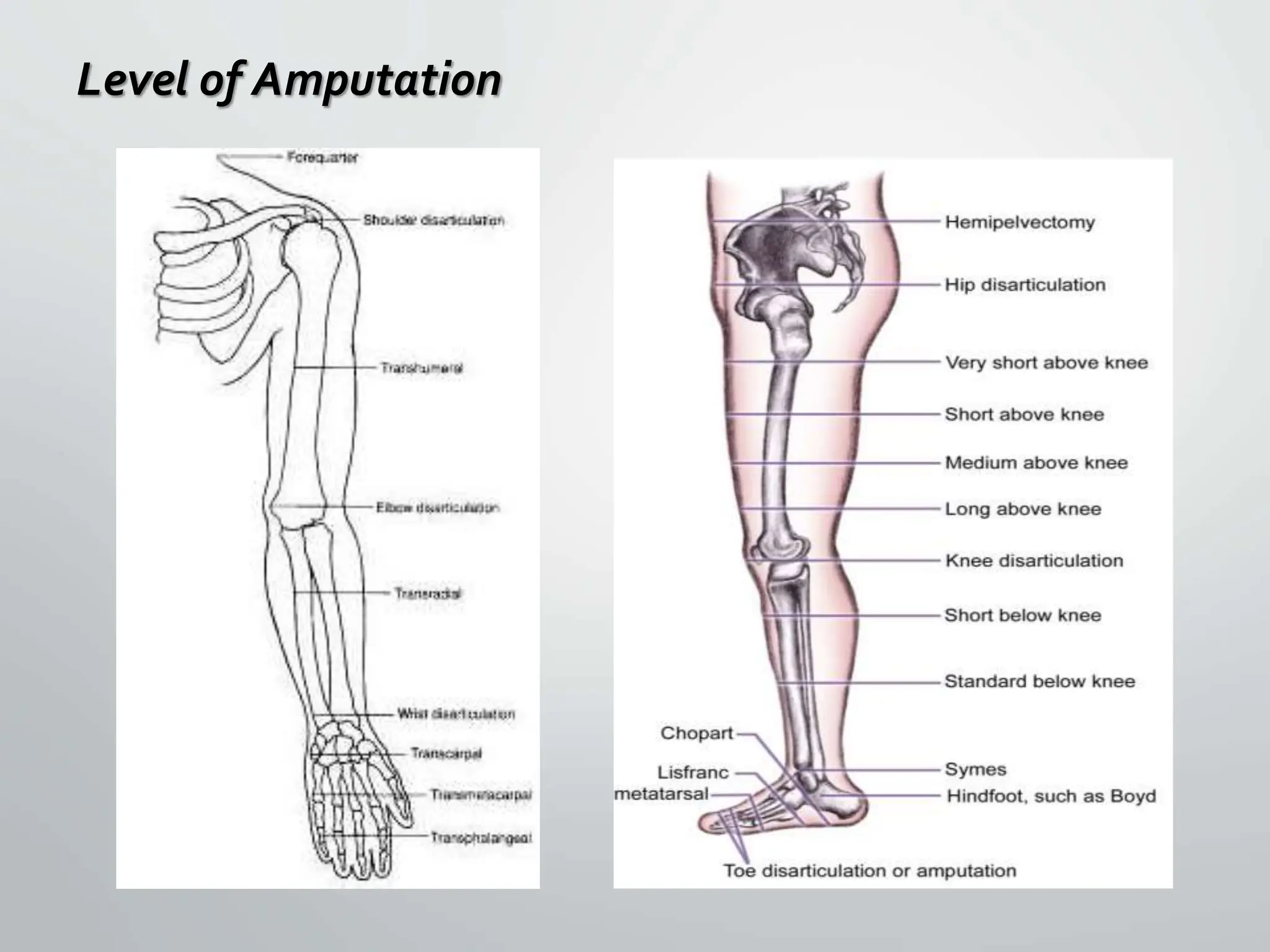
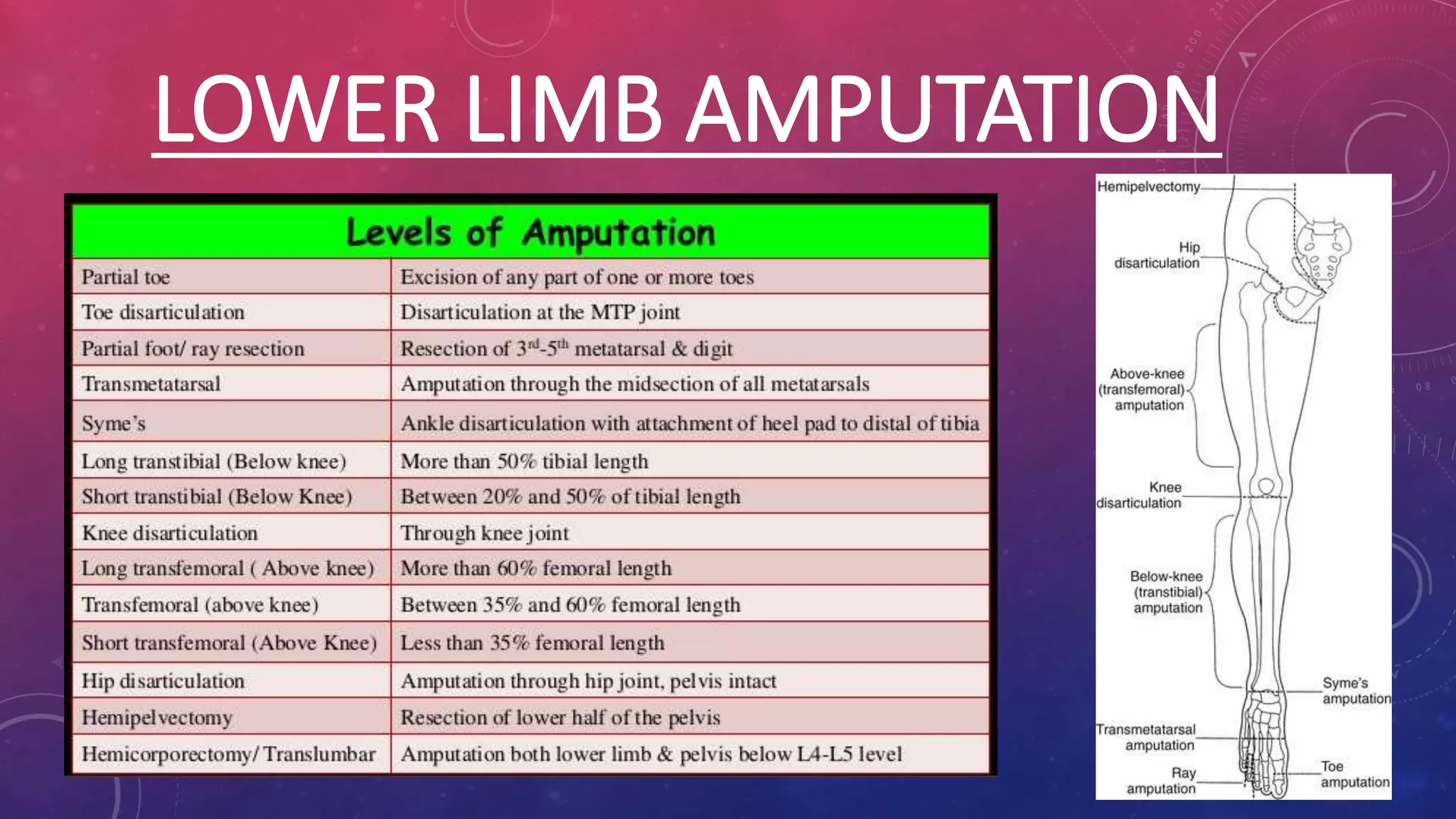
- Wrong-Site Surgery: The surgical team operates on the correct patient but targets the wrong limb, digit, or anatomical side. For example, a patient scheduled for a left below-the-knee amputation mistakenly undergoes a right below-the-knee procedure.
- Wrong-Procedure Amputation: The patient is brought in for a specific reconstructive or limb-sparing intervention, but a full amputation is performed due to miscommunication or misinterpretation of frozen-section pathology reports.
- Wrong-Patient Amputation: Due to administrative clerical errors, wristband mix-ups, or chart duplication, a surgical team performs an amputation on an entirely incorrect individual.
- Unnecessary Amputation: The procedure is performed on the correct limb, but due to diagnostic misinterpretation, failure to explore revascularization options, or misread biopsy results, the amputation was clinically unwarranted.
Comparative Overview of Surgical Amputation Errors
| Error Category | Primary Mechanism | Typical Root Cause | Regulatory Impact |
|---|---|---|---|
| Wrong-Site Surgery | Operating on the incorrect limb or digit | Flawed pre-op marking; ignored time-out | Mandatory state reporting; accrediting body review |
| Wrong-Procedure | Executing an unauthorized surgical plan | Miscommunication between pathology and surgery | Immediate peer-review investigation; suspension risk |
| Wrong-Patient | Operating on the wrong individual entirely | Identification wristband failure; chart mix-up | Severe institutional penalty; accreditation jeopardy |
| Unnecessary Amputation | Removing a limb that could have been saved | Diagnostic error; failure to seek second opinion | Malpractice liability; expert witness review |
The Universal Protocol and Pre-Operative Safeguards
To combat the incidence of wrong-site and wrong-procedure surgeries, healthcare institutions worldwide adhere to standardized safety frameworks, most notably the Universal Protocol established by organizations like The Joint Commission. These safeguards are mandatory, non-negotiable protocols designed to create multiple redundant checks before any invasive procedure commences.
The Universal Protocol relies on three core phases:
- The Verification Process: Ensuring that all relevant documents, imaging studies, and diagnostic reports are available prior to the procedure and that they correctly identify the patient and the intended surgical site. This must match the informed consent document signed by the patient.
- Site Marking: The operating surgeon or a designated licensed practitioner directly involved in the procedure must mark the surgical site. Crucially, the mark must use an unambiguous, indelible indicator (such as initials) and should be visible after prepping and draping. For bilateral structures, multiple digits, or spinal levels, marking is mandatory.
- The Surgical Time-Out: Immediately before starting the procedure, the entire surgical team halts all non-essential activity to conduct a final verbal verification. During this time-out, team members independently confirm the patient's identity, the exact site and side of the procedure, and the specific intervention to be performed.
Despite the existence of these protocols, amputation mistakes happen when team members experience "production pressure"—the compulsion to rush cases to maintain hospital operating room schedules—or when hierarchical medical cultures discourage junior nurses or technicians from speaking up when they notice a discrepancy.
Immediate Medical and Psychological Consequences
The impact of an amputation mistake extends far beyond the immediate physical trauma of losing a healthy or salvageable limb. Patients face a complex cascade of medical complications, prolonged hospital stays, and severe psychological distress that fundamentally alters their quality of life.
Medically, undergoing an erroneous surgical procedure exposes the patient to unnecessary anesthesia risks, surgical site infections, delayed healing, and secondary trauma if a subsequent corrective surgery is required. Furthermore, if a healthy limb is removed while the diseased limb remains untreated, the patient must navigate the ongoing progression of their original underlying pathology—such as severe peripheral vascular disease, uncontrolled osteomyelitis, or aggressive malignancy—while simultaneously coping with the loss of mobility.
Psychologically, the trauma of an amputation mistake is often compounded by profound feelings of betrayal and loss of trust in the healthcare system. Patients frequently experience acute stress disorder, major depressive episodes, and complicated grief reactions. Phantom limb pain—sensations ranging from itching to severe cramping in the missing limb—frequently manifests, serving as a constant, painful reminder of the medical error. Comprehensive rehabilitation must therefore integrate physical therapy, prosthetic fitting, and specialized psychiatric support to address trauma-related disorders.
Legal Rights, Medical Malpractice, and Accountability
When an amputation mistake occurs, it constitutes a clear-cut breach of the standard of care required of medical professionals. In the legal domain, such errors are among the most straightforward to establish in terms of liability, as operating on the wrong body part or patient is universally recognized as falling below any acceptable standard of professional medical practice.
Victims of surgical negligence possess the legal right to pursue civil compensation through medical malpractice claims. These legal actions seek to recover damages for:
- Past and future medical expenses, including revision surgeries and prosthetic devices.
- The cost of specialized home modifications and long-term nursing care.
- Lost wages and diminished earning capacity.
- Non-economic damages, encompassing physical pain, emotional suffering, loss of enjoyment of life, and disfigurement.
Navigating a medical malpractice lawsuit involving a catastrophic surgical error requires retaining experienced legal counsel and securing independent medical expert witnesses. These experts review hospital records, surgical logs, and pathology reports to formally establish causation and demonstrate how the clinical team's deviation from established safety protocols directly caused the patient's injury.
Disclaimer: The legal and medical information provided in this article is for educational purposes only and does not constitute formal legal or medical advice. Individuals affected by surgical errors should consult qualified legal counsel and independent medical professionals to discuss the specifics of their situation.
Frequently Asked Questions
What should a patient or family do immediately if an amputation mistake is suspected?
If an error is suspected post-operatively, the family should immediately request all complete medical records, operative reports, and nursing notes. It is crucial to preserve any physical evidence and consult an independent medical malpractice attorney before signing any hospital settlement documents or liability waivers.
Are hospitals legally liable for wrong-site amputations?
Yes. Under the legal doctrine of respondeat superior and corporate negligence, hospitals and surgical centers can be held directly and vicariously liable for the failures of their employed staff, surgeons, and administrative personnel to follow institutional safety protocols.
How do hospitals prevent wrong-site surgeries from recurring?
Institutions enforce strict adherence to the Universal Protocol, mandate active patient participation in site marking, utilize independent verification checklists, and foster a non-punitive reporting culture where any team member can halt a procedure if a discrepancy is identified.
Can a patient sue for emotional distress following a surgical error?
Yes. In cases of catastrophic surgical negligence such as wrong-site amputations, non-economic damages for emotional distress, trauma, depression, and loss of quality of life form a significant component of malpractice compensation claims.
Next Actions and Expert Guidance
Navigating the aftermath of a catastrophic surgical error requires a structured, multi-disciplinary approach focused on stabilization, advocacy, and accountability. Patients and their families should prioritize securing independent medical evaluations to ensure ongoing physical health and managing residual pathology. Simultaneously, engaging specialized legal counsel ensures that evidence is preserved, institutional accountability is enforced, and financial resources are secured to support long-term rehabilitation, prosthetic adaptation, and psychological care.