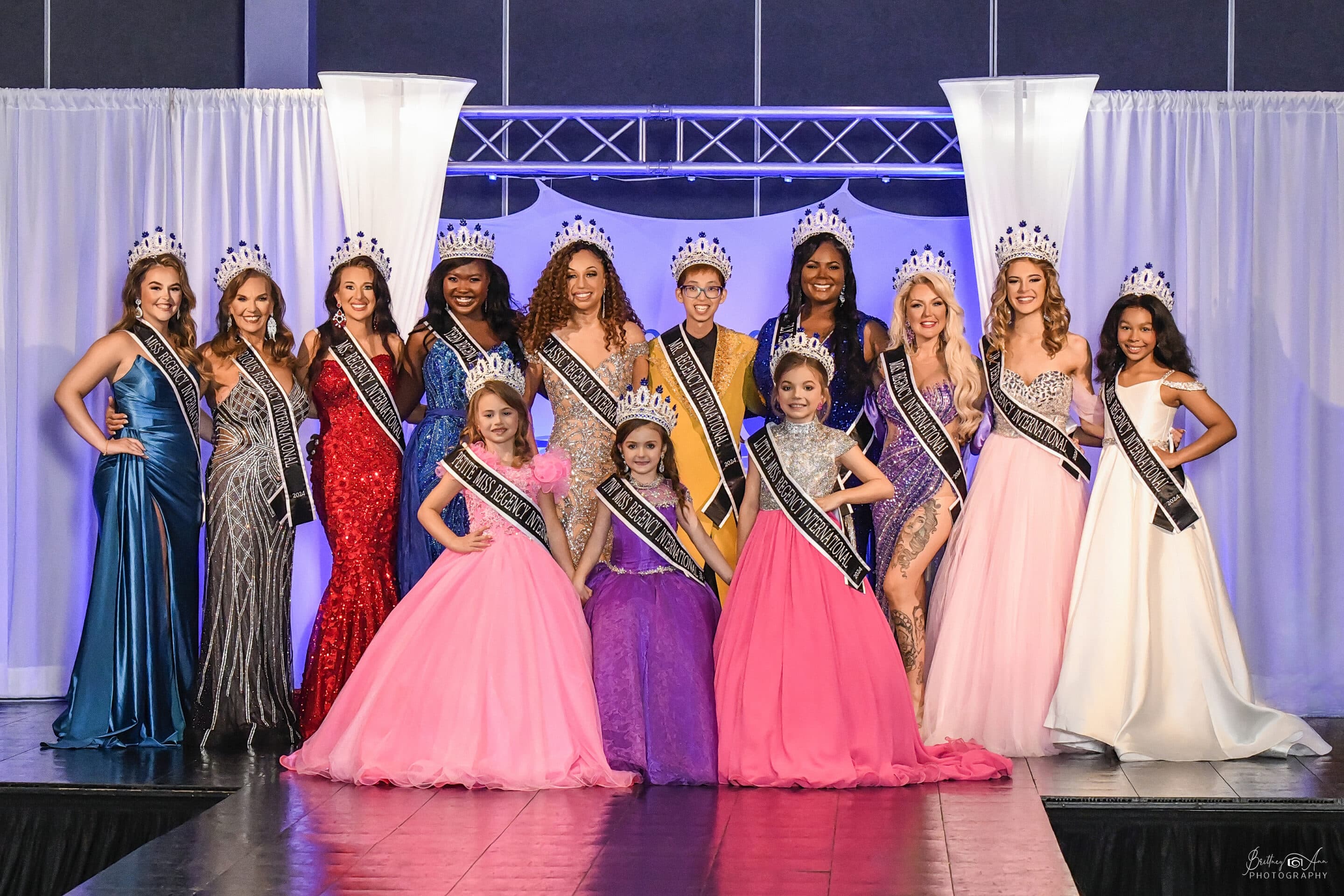
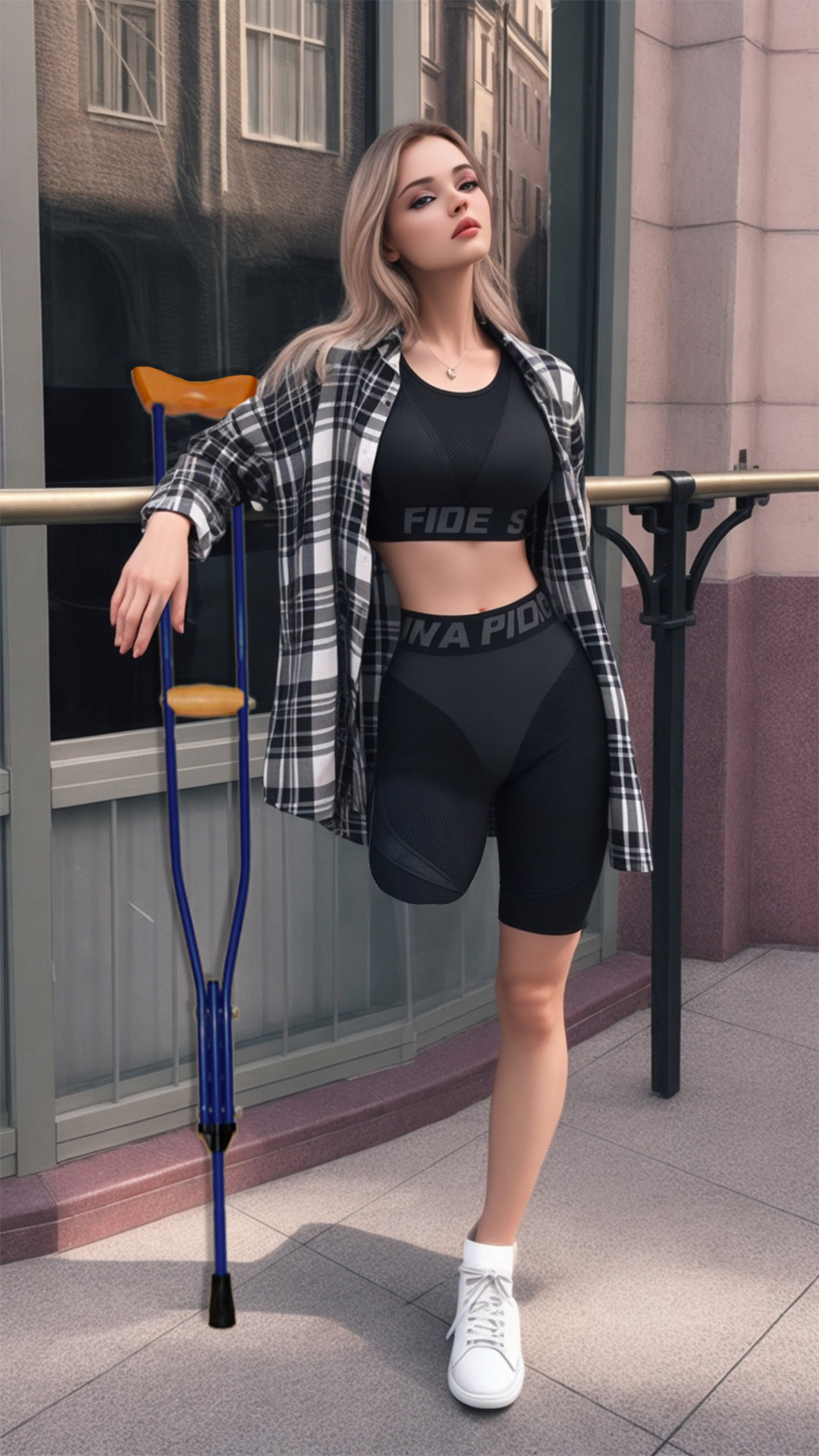
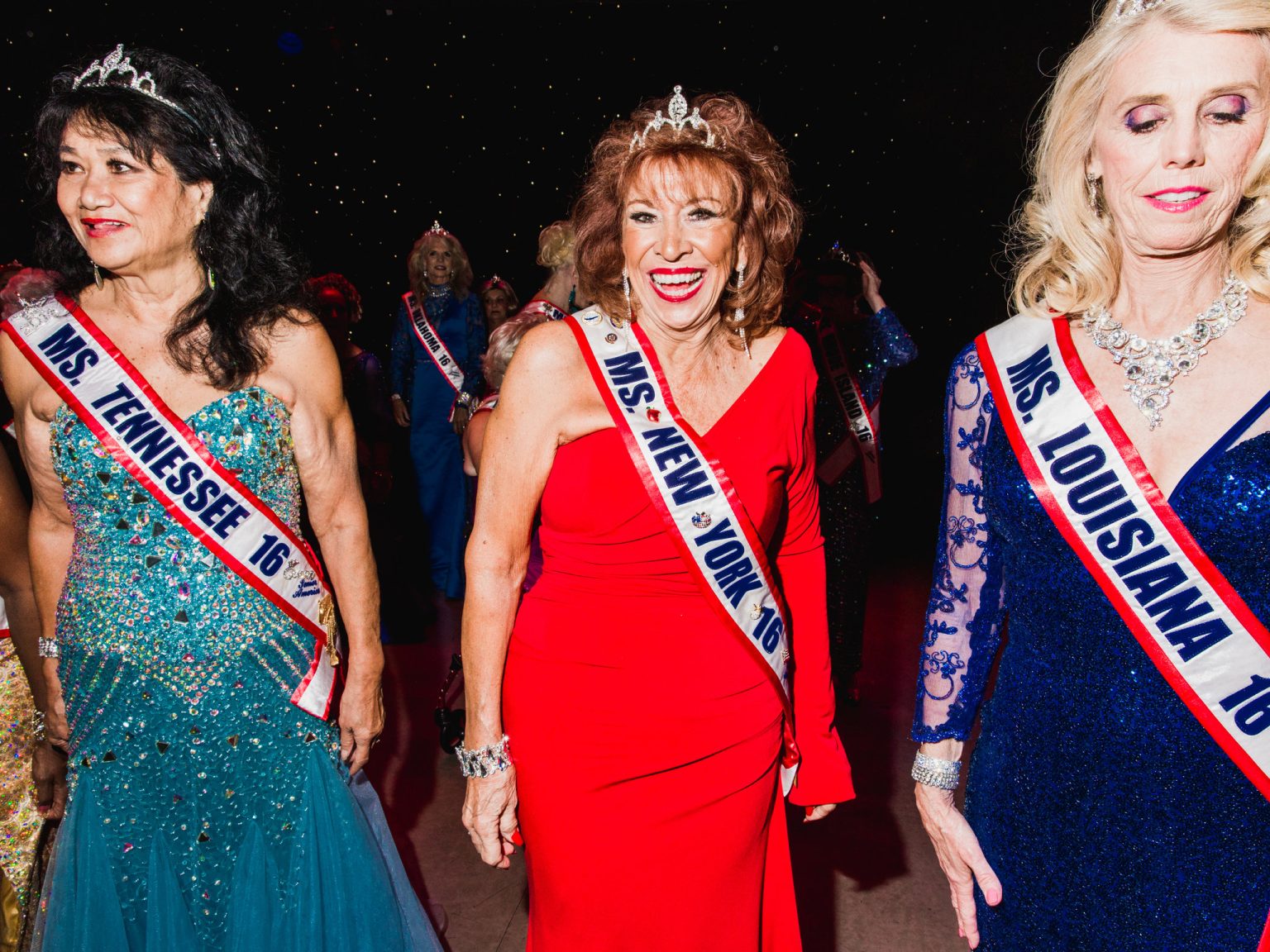
An amputee beauty pageant is a specialized competitive event celebrating the beauty, poise, resilience, and individuality of individuals with limb differences. These pageants serve as powerful platforms for redefining traditional standards of beauty, challenging societal stigma, and fostering profound community empowerment for contestants who navigate the world with prosthetic, customized, or missing limbs.
The landscape of competitive modeling and pageantry has evolved significantly over recent years, shifting away from rigid, homogenous standards toward radical inclusivity. For individuals with limb differences, stepping onto a stage designed to celebrate their unique physicality offers a transformative space for self-expression. Far beyond conventional notions of glitz and glamour, these specialized competitions function as advocacy platforms where participants share their personal stories of trauma survival, congenital adaptation, athletic achievement, and psychological triumph. Understanding how these events operate, who qualifies, and what contestants experience provides valuable insight into a rapidly growing movement within inclusive entertainment.
Understanding the Scope of Limb Difference Pageantry
Limb difference pageantry encompasses a diverse array of events ranging from specialized, dedicated competitions to inclusive categories integrated into mainstream pageant systems. While some organizations focus exclusively on individuals with amputations or congenital limb differences, others embrace broader definitions of adaptive modeling and disability representation.
The primary objective of these pageants is to dismantle the medicalized view of disability—which often frames an amputee solely as a patient in need of rehabilitation—and replace it with a celebratory, celebratory paradigm. Contestants showcase a vast spectrum of experiences, including upper-limb and lower-limb amputations resulting from accidents, illness, cancer treatments, or congenital variations.
By taking center stage, participants challenge media tropes that either invisibilize people with disabilities or reduce them to inspirational stereotypes. Instead, they present themselves as multifaceted individuals possessing style, intelligence, leadership, and undeniable presence. This shift aligns with broader cultural movements demanding authentic representation across fashion, media, and public life.
Eligibility, Preparation, and Application Processes
Entering an amputee beauty pageant requires a blend of standard pageant preparation and specific navigation of adaptive requirements. While every organization sets its own distinct bylaws, most pageants follow a structured framework from application to coronation.
Prerequisites and Classification
Before applying to a specialized pageant, prospective contestants must review the specific eligibility criteria established by the organizing body.
- Documentation of Limb Difference: Most specialized events require contestants to have a medically documented amputation or congenital limb difference affecting one or more limbs.
- Age Divisions: Pageants are typically segmented by age groups, ranging from pre-teen and teen divisions to Miss and Ms. or classic categories for older adults, ensuring fair peer competition.
- Residency and Sponsorship: Many regional and international pageants require contestants to meet geographic residency standards or secure local sponsorships to cover entry fees and travel expenses.
Application and Audition Stages
The application process generally begins with an online submission requiring biographical information, professional and casual photographs, and an essay detailing the applicant's platform or advocacy goals.
- Digital Submission: Candidates submit high-resolution imagery showcasing their personality, style, and—where applicable—their prosthetics or mobility aids.
- Interview Screening: Shortlisted candidates undergo virtual or in-person interviews with a panel of judges to assess communication skills, confidence, and alignment with the organization's mission.
- Orientation and Training: Once accepted, delegates receive comprehensive guidelines covering wardrobe requirements, runway coaching, interview preparation, and schedule logistics.
Key Event Categories and Scoring Criteria
Like traditional pageants, amputee beauty pageants evaluate contestants across multiple rigorous phases. However, the judging criteria heavily emphasize personal empowerment, authentic storytelling, and stage presence over rigid anatomical symmetry.
| Competition Phase | Description | Primary Focus of Judges |
|---|---|---|
| Personal Interview | A private, conversational question-and-answer session with the judging panel. | Articulacy, advocacy platform, confidence, and cognitive agility. |
| Evening Gown | A formal runway presentation wearing evening wear or bespoke formal attire. | Poise, grace, posture, and how contestants incorporate or display assistive devices. |
| Activewear / Swimwear | A stage walk highlighting physical fitness, health, and vitality. | Body positivity, physical conditioning, energy, and comfort in one's own skin. |
| On-Stage Question | A spontaneous public speaking test answering a topical question drawn live. | Composure, impromptu communication skills, and depth of character. |
Comparing Specialized Versus Mainstream Adaptive Pageants
Contestants with limb differences often weigh the benefits of entering a pageant dedicated entirely to amputees versus competing in mainstream adaptive systems that welcome all forms of physical and developmental differences.
- Dedicated Amputee Pageants: These events offer an immediate peer network of individuals who share deeply relatable lived experiences regarding prosthetics, phantom pain, and specialized adaptive lifestyle adjustments. The judging panel is usually educated explicitly on the nuances of limb difference, reducing the risk of unconscious bias.
- Mainstream Adaptive Systems: Organizations that integrate adaptive categories into traditional pageantry provide broader public visibility and mainstream media exposure. However, contestants may need to navigate systems where judges have less familiarity with adaptive technology or the unique physical demands of managing a prosthesis on stage.
Cost Considerations and Financial Planning
Participating in a beauty pageant involves various expenses that contestants must budget for carefully. Understanding these costs upfront helps prevent financial strain and ensures a smooth competitive journey.
- Entry and Registration Fees: These cover administrative costs, production overhead, sashes, crowns, and official event materials. Fees can range significantly depending on the scale of the pageant.
- Wardrobe Investments: Procuring formal gowns, interview suits, activewear, and specialized footwear can represent a major financial commitment. Many contestants collaborate with adaptive clothing designers or seek local business sponsorships.
- Travel and Lodging: Competitors must factor in transportation costs to the host city, hotel accommodations, and meals for themselves and their support teams during pageant week.
- Coaching and Hair/Makeup: Professional runway coaching, interview prep, and specialized styling services can enhance performance but add to the overall expenditure.
Common Challenges and Practical Solutions
Navigating the world of pageantry with a limb difference presents distinct logistical and emotional challenges. Recognizing these hurdles allows contestants to prepare effective strategies.
- Prosthetic Comfort and Mechanics: Wearing high heels or specialized footwear with a lower-limb prosthesis requires rigorous practice to ensure a stable, graceful gait. Contestants often work closely with prosthetists to adjust alignment and weight distribution specifically for stage performance.
- Addressing Unconscious Bias: Judges and audience members may occasionally exhibit misplaced pity or stereotyping. Competitors combat this by steering the narrative toward empowerment, athleticism, and professional achievement rather than purely medical survival stories.
- Managing Fatigue: Multi-day pageant schedules involve long hours standing, rehearsing, and performing. Proper pacing, physical conditioning, and ensuring downtime for socket care help maintain endurance throughout the event.
Frequently Asked Questions
Do I need to wear a prosthetic limb to compete in an amputee beauty pageant?
No. Pageants in this niche celebrate all forms of limb difference. Many contestants choose to wear sophisticated cosmetic or microprocessor prosthetics, while others proudly walk the stage with athletic blades, decorative covers, or unassisted using natural mobility without a device. Choice and personal comfort are paramount.
Are there height or weight requirements for amputee pageants?
Unlike traditional historical pageants that enforced strict, narrow physical measurements, modern adaptive and amputee pageants embrace body neutrality and radical inclusion. They welcome contestants of all heights, body types, ages, and physical configurations, emphasizing inner strength and presence over conventional symmetry.
How do judges evaluate contestants with different types of amputations?
Judges are trained to evaluate the whole person rather than comparing fundamentally different physical presentations. Scoring focuses on confidence, personal style, verbal articulation, poise on stage, and the clarity and passion of the contestant's personal advocacy platform.
Can men or non-binary individuals participate in limb difference pageants?
While historically pageantry was strictly gender-segregated, the modern landscape increasingly features divisions for men, women, and non-binary individuals, often styled as modeling showcases, ambassador programs, or inclusive adaptive competitions. Applicants should check the specific bylaws of each organizing body.
What should I look for when choosing a reputable pageant organization?
Research the organization's history, transparency regarding fees, past contestant testimonials, and its commitment to genuine empowerment versus commercial exploitation. Reputable pageants provide clear contracts, supportive environments, and verified opportunities for public advocacy.
Conclusion and Next Actions
Entering an amputee beauty pageant is a profound step toward personal empowerment, public visibility, and community leadership. For prospective contestants, the journey begins with thorough self-reflection on what advocacy platform they wish to champion.
To take the next step, research upcoming regional or international adaptive pageants, review their specific eligibility guidelines, and reach out to past titleholders for mentorship and advice. By stepping onto the stage, contestants not only claim their own spotlight but also pave the way for a more inclusive and representative future across all media and entertainment.