An Amscot installment loan is a short-term, structured borrowing option available to residents in specific states like Florida, allowing borrowers to receive a lump sum of cash and repay it through a series of scheduled, fixed payments over a set period. Understanding the terms, fees, eligibility requirements, and repayment mechanics helps consumers evaluate whether this financial product fits their budget and emergency needs.
Introduction to Amscot Installment Loans
When unexpected financial emergencies arise—such as medical bills, urgent car repairs, or sudden home maintenance issues—traditional bank loans or credit cards are not always accessible to every consumer. For individuals with limited credit histories or those who need fast access to capital, alternative financial service providers step in to fill the gap. Amscot, widely known for check cashing and cash advance services in states like Florida, offers installment loans as a structured alternative to single-payment payday loans.
Unlike payday loans that typically require full repayment on your next payday, installment loans allow borrowers to spread out repayments over multiple weeks or months. This guide examines Amscot installment loan details, including how these financial products operate, eligibility requirements, associated costs, potential risks, and best practices for responsible borrowing. Because short-term lending carries significant financial costs, understanding the exact mechanics of these loans is vital before signing any agreement.
What Is an Amscot Installment Loan?
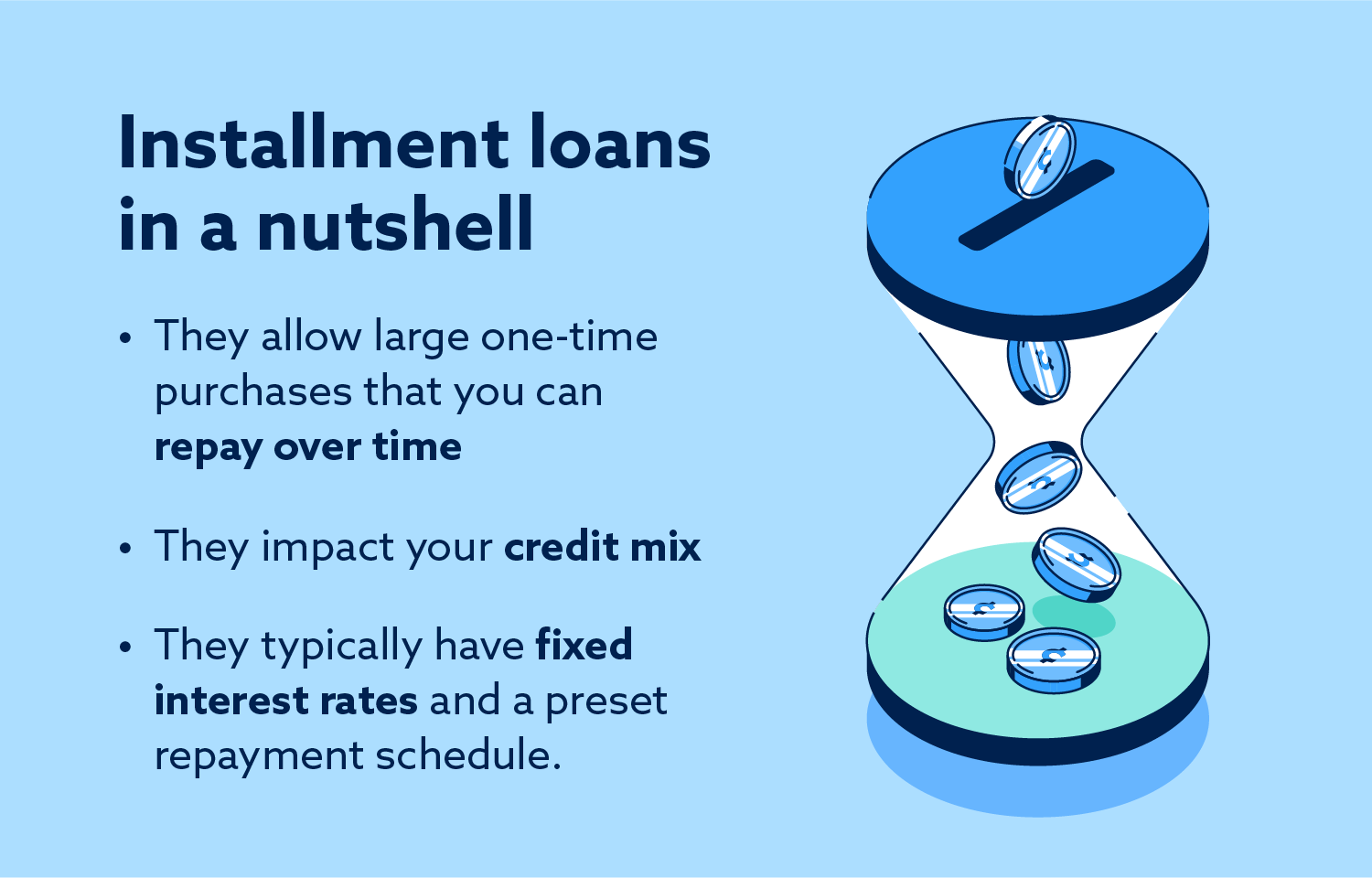
An installment loan is a type of financing where a borrower receives a specified lump sum of cash upfront and agrees to repay that amount, plus finance charges, through a series of scheduled payments—known as installments. Amscot acts either as a direct lender or as a broker/service provider depending on the specific regulatory framework and licensing in states where they operate.
Key characteristics of an Amscot installment loan include:
- Fixed Repayment Schedule: Borrowers know exactly how much they need to pay and when those payments are due from the very beginning.
- Scheduled Installments: Payments are typically aligned with the borrower's pay frequency (weekly, bi-weekly, semi-monthly, or monthly).
- Principal and Interest/Fees: Each payment generally covers a portion of the principal balance and a portion of the financing charges or interest.
- Closed-End Credit: Once the loan amount is disbursed, you cannot continually re-borrow against it like a revolving credit card; paying it off closes the account.
Eligibility and Application Requirements
Securing an installment loan through Amscot requires meeting specific baseline criteria. While alternative financial services generally have less stringent credit score requirements than traditional commercial banks, they must still comply with state lending regulations and verify a borrower's ability to repay.
Core Eligibility Criteria
- Age and Residency: Applicants must typically be at least 18 years old and provide proof of residency in a state where Amscot operates and is licensed to offer installment loans (primarily Florida).
- Source of Regular Income: Borrowers must demonstrate a steady and verifiable source of income. This can include employment, regular benefits, or other predictable streams of revenue.
- Active Checking Account: An open and active checking account is mandatory, as loan proceeds are frequently deposited directly, and repayments are often structured through automated electronic debits or post-dated checks.
- Valid Identification: Government-issued photo identification (such as a driver’s license or state ID) and a Social Security number or individual taxpayer identification number (ITIN) are required for identity verification.
Documentation Needed to Apply
When visiting an Amscot branch or applying online where available, applicants should generally prepare the following documents:
- A government-issued photo ID.
- Proof of income, such as recent pay stubs or earnings statements.
- An active bank statement showing recent transaction history.
- Proof of identity and address verification.
Financial Costs: Interest Rates, Fees, and APR
The most critical aspect of any short-term loan involves understanding the true cost of borrowing. Installment loans offered by alternative lenders generally carry higher Annual Percentage Rates (APRs) than traditional personal loans from credit unions or major banks. This reflects the higher risk profile of the borrower pool and the convenience of rapid funding.
Understanding the Cost Structure
- Finance Charges: Instead of traditional compound interest in some jurisdictions, alternative lenders may charge a fixed finance charge or a state-regulated interest rate calculated on the declining principal balance.
- Origination or Administrative Fees: Some loan products include upfront fees deducted directly from the disbursed loan amount.
- Late Fees: If a scheduled payment fails due to insufficient funds in the borrower's checking account, late fees or non-sufficient funds (NSF) fees may apply.
| Loan Feature | Typical Amscot Installment Loan Characteristic | Traditional Bank Personal Loan |
|---|---|---|
| Funding Speed | Same day or immediate (often in-store) | Several business days |
| Credit Check | Minimal or alternative credit evaluation | Rigorous credit score and history review |
| Repayment Term | Short-to-medium term (weeks to months) | Long-term (1 to 7 years) |
| Interest Rate / APR | Significantly higher, regulated by state caps | Generally lower, based on prime rate and credit |
| Collateral | Usually unsecured | Unsecured or secured (e.g., auto loans) |
Application Process and Disbursement
The application workflow for an Amscot installment loan is designed for speed and convenience, reflecting the urgent nature of most short-term cash flow needs.
Step-by-Step Borrowing Workflow
- Initial Inquiry and Preparation: Review personal budgeting constraints to determine the exact amount needed. Gather identification, banking details, and proof of income.
- Application Submission: Applications can often be initiated online or completed in person at a physical Amscot branch. In-store applications allow borrowers to interact directly with customer service representatives who can answer immediate questions.
- Underwriting and Verification: The lender reviews the submitted income verification and banking history to assess repayment capacity. While traditional credit scores may not be the sole determining factor, checking account activity is closely evaluated.
- Loan Agreement Review: If approved, the borrower receives a loan disclosure document outlining the total loan amount, finance charges, payment schedule, APR, and total repayment cost. Borrowers should review these disclosures carefully before signing.
- Fund Disbursement: Once the agreement is executed, funds are disbursed. Depending on the chosen delivery method, cash can be handed over immediately in-store or deposited into the borrower's checking account.
Repayment Mechanics and Management
Managing an installment loan effectively requires disciplined budgeting to avoid cascading financial distress. Because payments are scheduled automatically or tied to specific dates, missing a payment can trigger a sequence of financial penalties.
Repayment Strategies
- Synchronize with Pay Cycles: Align loan installment due dates directly with your pay schedule so that funds are already in your account when the debit occurs.
- Maintain Buffer Funds: Keep a small financial cushion in your checking account to prevent accidental overdrafts or NSF fees if a debit hits before a deposit clears.
- Early Repayment Options: Check whether the loan agreement includes pre-payment penalties. Many reputable alternative lenders do not penalize borrowers for paying off their balance early, which can significantly reduce total finance charges.
Potential Risks and Alternatives
While installment loans offer greater flexibility than single-payment payday loans, they still carry inherent financial risks that borrowers must weigh carefully.
Key Risks to Consider
- High Cost of Capital: Because APRs are high, borrowing money for extended periods can result in total repayment costs that far exceed the initial cash received.
- Debt Cycle Potential: If a borrower struggles to make an installment payment, they may be tempted to seek secondary loans or refinancing, leading to a long-term cycle of debt.
- Impact on Financial Health: Defaulting on an installment loan can lead to collections efforts, negative reporting to credit bureaus (depending on the lender's reporting practices), and additional bank fees.
Exploring Alternatives
Before committing to a high-cost installment loan, consumers should explore lower-cost alternatives, including:
- Local Credit Union Loans: Many credit unions offer small-dollar, low-interest alternative loans designed to help members avoid predatory lending.
- Employer-Sponsored Advance Programs: Some employers partner with fintech platforms to offer earned-wage access, allowing workers to tap into earned income before payday for nominal fees.
- Negotiating with Creditors: If facing a specific bill, contacting utility companies, landlords, or medical providers directly to arrange a hardship payment plan is often free of financing charges.
- Emergency Assistance Programs: Local community organizations, charities, and government agencies often run emergency relief funds for food, utilities, and housing.
Frequently Asked Questions
Do Amscot installment loans require a good credit score?
Amscot generally focuses more on verifying a steady income and an active checking account than on pristine credit scores. While a credit check may be performed, alternative lending criteria make these loans accessible to individuals with less-than-perfect credit histories.
How quickly can I get the cash from an Amscot installment loan?
If you apply in person at an Amscot branch and meet all eligibility requirements, loan approval and cash disbursement can often occur on the same day. Online applications may involve processing times depending on bank verification steps.
Are there penalties for paying off my installment loan early?
State regulations and specific loan agreements govern pre-payment policies. Many modern short-term installment loans do not penalize borrowers for paying off their principal balance early, which can save money on total finance charges. Always review your specific loan contract disclosure.
What happens if I miss a scheduled installment payment?
Missing a payment can result in late fees, non-sufficient funds (NSF) charges from your bank, and increased overall costs. It can also trigger collection activities. If you anticipate missing a payment, contact customer service immediately to discuss potential options.
Is Amscot a direct lender?
Amscot operates as a licensed financial services company and direct lender in jurisdictions where it is authorized, providing consumer loans directly to qualified applicants under state regulatory oversight.
Conclusion and Next Action
An Amscot installment loan provides a structured, multi-payment borrowing option for individuals facing immediate cash flow shortages in eligible states. While structured repayments offer more predictability than traditional single-payment payday loans, the high cost of capital requires careful financial planning. Before proceeding, review your monthly budget to ensure you can comfortably meet each scheduled installment without jeopardizing essential living expenses. If you decide to apply, read all loan disclosure documents thoroughly, verify the exact APR and fee structure, and consider establishing a plan to pay off the principal as quickly as possible.