Amsterdam South, locally known as Amsterdam-Zuid, is a dynamic and culturally rich district that blends monumental 19th-century architecture, world-class museums, high-end shopping streets, and the sprawling green landscape of the Vondelpark and Amsterdamse Bos. Understanding how to navigate this diverse area ensures visitors and residents alike can efficiently access its architectural landmarks, business hubs, and cultural institutions without missing the nuances of local transit and etiquette.
Introduction to Amsterdam South (Amsterdam-Zuid)
Amsterdam-Zuid is one of the eight administrative districts (stadsdelen) of Amsterdam, created through the merger of older boroughs like De Pijp, Rivierenbuurt, Oud-Zuid, and the modern financial powerhouse of Zuidas. When exploring this part of the city, travelers encounter a distinct atmosphere that contrasts sharply with the narrow, bustling canals of the historic inner ring (Grachtengordel). The area features wide residential boulevards, grandiose nineteenth-century townhouses, and cutting-edge urban planning in the Zuidas business district.
The primary search intent behind an "Amsterdam south by guide" query typically revolves around understanding the district's layout, identifying major cultural and recreational hubs, navigating public transportation effectively, and discovering practical tips for accommodation and dining. To experience Amsterdam South successfully, visitors must look beyond the immediate city center and master the tram, metro, and cycling routes that connect its disparate neighborhoods.
Administrative Layout and Neighborhood Breakdown
Amsterdam South is not a monolithic neighborhood; it is a collection of distinct areas, each possessing a unique historical background, architectural profile, and social character. A proper orientation requires examining these sub-districts individually.
Oud-Zuid (Old South)
Oud-Zuid is synonymous with elegance, wealth, and culture. Constructed largely in the late 19th and early 20th centuries, this area is characterized by stately apartment blocks featuring ornate balconies, bay windows, and quiet, tree-lined streets. It houses the Museum Quarter (Museumkwartier), where heavyweights like the Rijksmuseum, Van Gogh Museum, and Stedelijk Museum converge around the Museumplein.
De Pijp
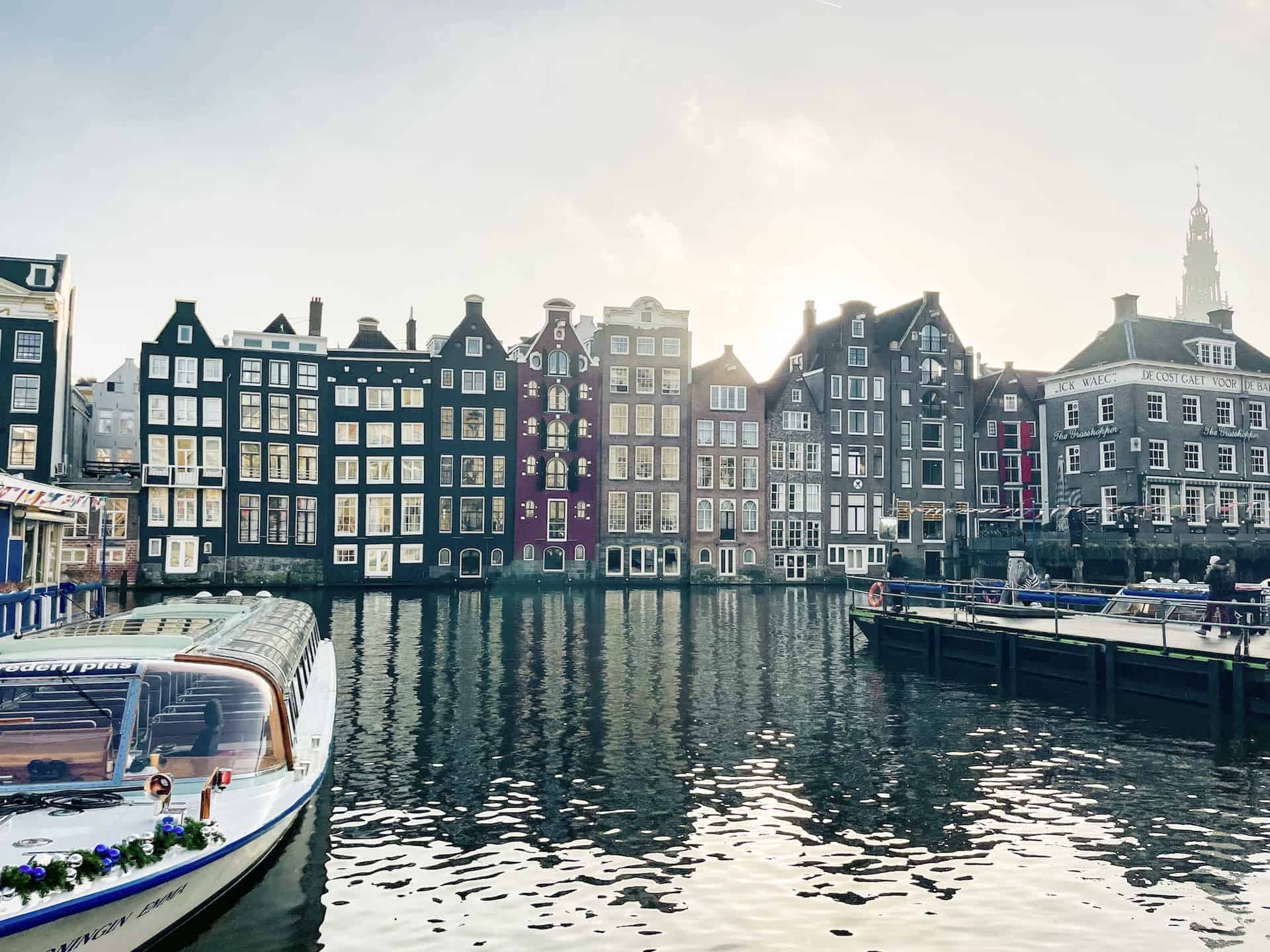
Originally built as a working-class neighborhood to accommodate the rapid population growth of the late 19th century, De Pijp has evolved into one of Amsterdam's most vibrant, densely populated, and cosmopolitan quarters. It is famous for the Albert Cuyp Market, a sprawling open-air street market, as well as the historic Heineken Experience. The architecture here features the classic "Amsterdam School" style, marked by expressive brickwork and undulating facades.
Rivierenbuurt
Designed primarily in the 1920s and 1930s by architect Berlage, the Rivierenbuurt exhibits exceptional examples of the Amsterdam School architectural movement. Laid out in a distinctive fishbone pattern, this neighborhood is predominantly residential, peaceful, and known for its community-oriented layout, featuring wide squares and purposeful urban design.
Zuidas
The Zuidas represents the contemporary face of Amsterdam South. Often referred to as the "Financial Mile," this high-rise business district houses international law firms, financial institutions, and modern residential towers. It is centered around Amsterdam Zuid station, making it a major intermodal transit hub for the entire metropolitan area.
Key Cultural and Recreational Attractions
Amsterdam South hosts several of the Netherlands' most visited cultural institutions and green spaces. Structuring an itinerary requires prioritizing these locations based on individual interests.
| Attraction Name | Primary Focus | General Location / Neighborhood |
|---|---|---|
| Museumplein | Fine Art & Modern Art | Oud-Zuid (Museum Quarter) |
| Vondelpark | Urban Park & Recreation | Border of Oud-Zuid & West |
| Albert Cuyp Market | Street Market & Local Culture | De Pijp |
| Amsterdamse Bos | Forest, Nature & Outdoor Sports | Southern Border of Zuid |
| Concertgebouw | Classical Music & Concert Venue | Oud-Zuid |
The Museumplein and Surroundings
The Museumplein is the cultural heart of Amsterdam South. The Rijksmuseum holds the nation's premier collection of Dutch Golden Age masterpieces, including works by Rembrandt and Vermeer. Adjacent to it, the Van Gogh Museum houses the world's largest collection of paintings and drawings by Vincent van Gogh. For contemporary art enthusiasts, the Stedelijk Museum provides a comprehensive overview of modern and contemporary art and design from the 20th and 21st centuries. Advance ticket booking for these institutions is mandatory, as same-day availability is rarely guaranteed.
Vondelpark
While the northern tip of the Vondelpark borders Amsterdam West, the majority of this iconic 47-hectare English-style landscape park sits within the northern boundary of Amsterdam South. Designed in the 19th century, it serves as the backyard for local residents. During spring and summer, the park fills with runners, picnickers, and open-air theater performances at its historic bandstand.
Amsterdamse Bos (Amsterdam Forest)
Located at the far southern edge of the district, the Amsterdamse Bos is nearly three times the size of New York's Central Park. This artificially created forest offers vast open water bodies for rowing, extensive cycling paths, a goat farm (Geitenboerderij Ridammerhoeve), and open-air theater productions. It provides a distinct escape from the urban density of the city center.
Public Transportation and Mobility
Navigating Amsterdam South is efficient due to an integrated network of trams, metros, buses, and dedicated cycling lanes. Understanding how to use these systems minimizes travel times and avoids common tourist mistakes.
Cycling Infrastructure
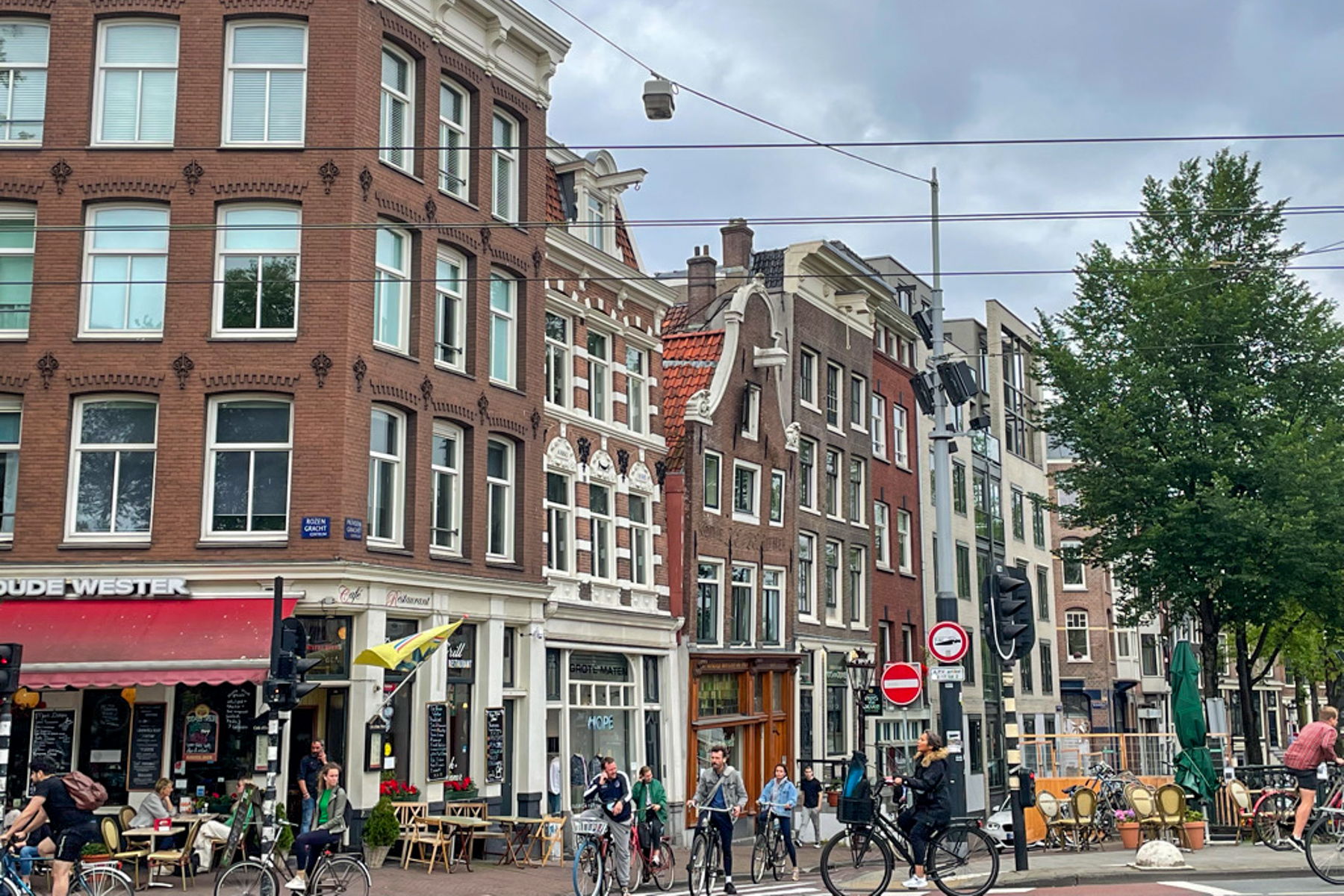
Cycling is the default mode of transport. Amsterdam South features wide, protected bike lanes (fietspaden) along major thoroughfares like Cornelis Schuytstraat, De Boelelaan, and Stadionweg. When cycling, riders must adhere strictly to priority rules (voorrang), signaling turns with hand gestures, and using front and rear lights during dark hours. Renting a bike requires caution for tram tracks; always cross tram tracks at a wide, perpendicular angle to prevent wheels from getting trapped in the groove.
Trams and Metros
Public transit operator GVB manages the tram and metro lines traversing the district.
- Tram Lines: Lines 2, 5, 12, and 24 provide vital links connecting Oud-Zuid and De Pijp directly to Amsterdam Central Station and other central districts.
- Metro Lines: Metro lines 50 and 51 connect Amsterdam Zuid station swiftly to the outer ring and Amsterdam Bijlmer ArenA, while the North-South line (Metro 52) provides rapid transit from Station Zuid down to the city center and Amsterdam North in under ten minutes.
- Ticketing: Contactless payment using a debit card, credit card, or smartphone is standard across all GVB vehicles. Passengers must check in upon boarding and check out when exiting.
Culinary Scene and Shopping Opportunities
The gastronomic and retail landscape of Amsterdam South ranges from traditional Dutch brown cafés to Michelin-starred dining establishments, and from luxury fashion boutiques to bustling neighborhood markets.
Shopping Streets
- PC Hooftstraat: Situated near the Rijksmuseum, this is Amsterdam's premier luxury shopping avenue, featuring flagship stores for international designer brands, high-end jewelry, and high-end fashion houses.
- Beethovenstraat and Cornelis Schuytstraat: These upscale shopping streets offer a more relaxed, neighborhood-centric retail experience, featuring high-end local boutiques, specialty food shops, and sophisticated cafés.
- Albert Cuypstraat: For a complete contrast, the De Pijp shopping strip revolves around the daily market, offering clothing, fresh produce, flowers, and traditional Dutch street snacks like stroopwafels and raw herring (haring).
Dining Culture
De Pijp is widely recognized as a culinary melting pot, hosting an array of international restaurants, trendy brunch spots, and authentic Middle Eastern and Asian eateries. Conversely, Oud-Zuid and the museum vicinity lean toward classic French bistros, sophisticated seafood restaurants, and traditional grand cafés where locals gather for afternoon drinks (borrel).
Frequently Asked Questions
How do I get from Amsterdam Central Station to Amsterdam South?
The most efficient route is taking Metro 52 (North-South line) southward from Amsterdam Centraal, which reaches Amsterdam Zuid station in approximately 8 minutes. Alternatively, tram line 5 or 24 runs from the station area directly into the Oud-Zuid and museum districts, though travel times are longer due to street-level traffic.
Is Amsterdam South safe to walk around at night?
Yes, Amsterdam South is generally considered one of the safest and most affluent districts in the city. Residential areas like Oud-Zuid and Rivierenbuurt are quiet and well-lit at night. Standard urban precautions still apply, particularly around busy transit nodes and crowded market areas where pickpocketing can occur.
Can I park a car easily in Amsterdam South?
Parking in Amsterdam South is strictly regulated and among the most expensive in Europe. Street parking relies on digital payment terminals or mobile apps linked to license plates, with hourly rates frequently exceeding top-tier municipal limits. Visitors driving into the district are strongly advised to utilize designated P+R (Park and Ride) facilities located on the periphery of the city, such as P+R RAI, and transition to public transit.
What is the best time of year to visit the Museumplein area?
Shoulder seasons—specifically April to May and September to October—offer pleasant weather and manageable crowds compared to the peak summer months of July and August. Visiting early in the morning right when museums open or during late afternoon hours provides a more relaxed viewing experience.
Practical Recommendations for Visitors
When planning a trip through Amsterdam South, balance structured itinerary items with unstructured exploration. Allocate at least a full day to explore the Museumplein and stroll through the adjacent Vondelpark. Dedicate a separate afternoon to wandering the narrow streets of De Pijp, sampling local street food at the Albert Cuyp Market, and observing the distinct 19th-century architecture. Always verify museum opening hours and secure reservations weeks in advance during peak travel periods to ensure smooth entry.