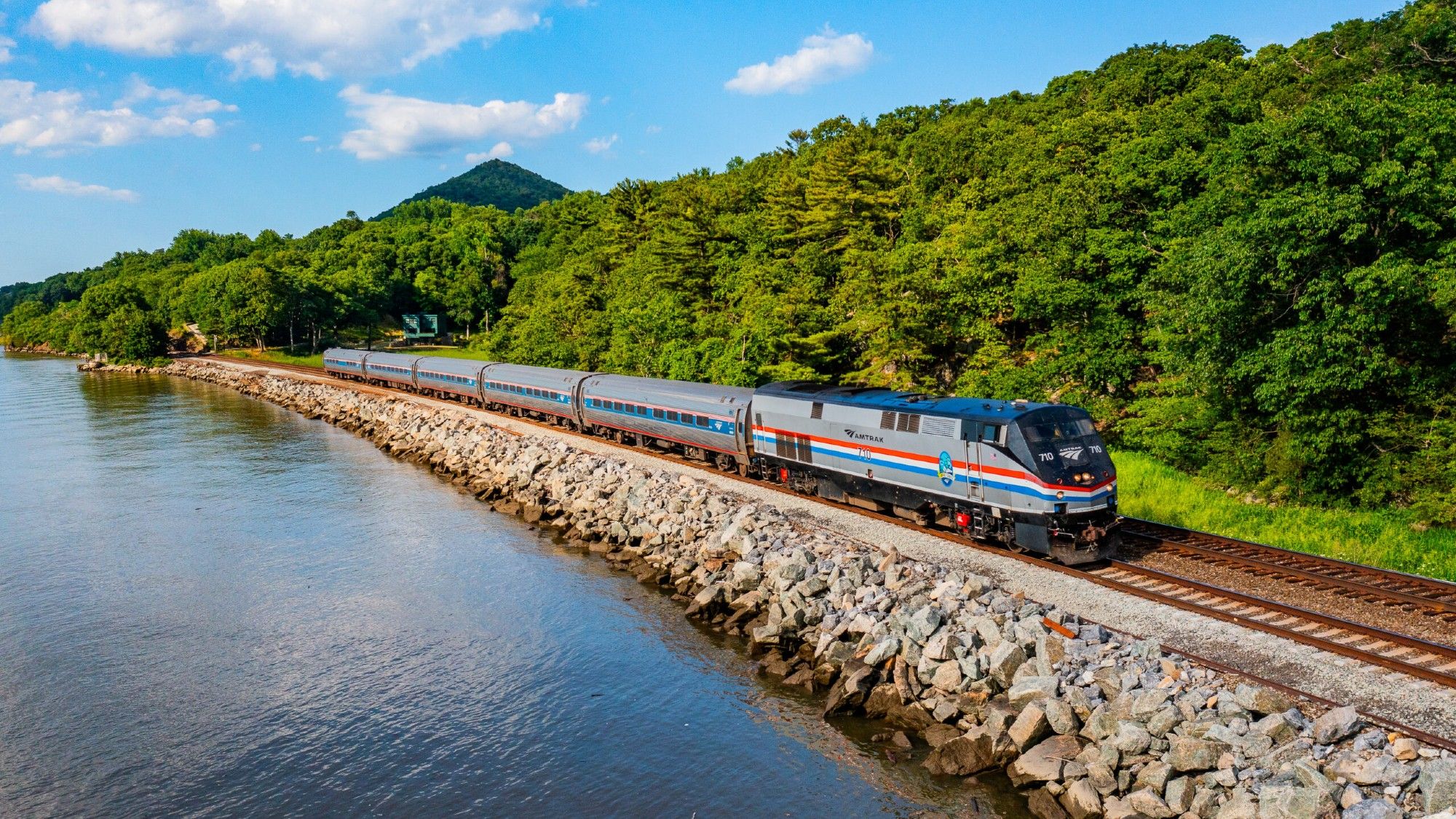
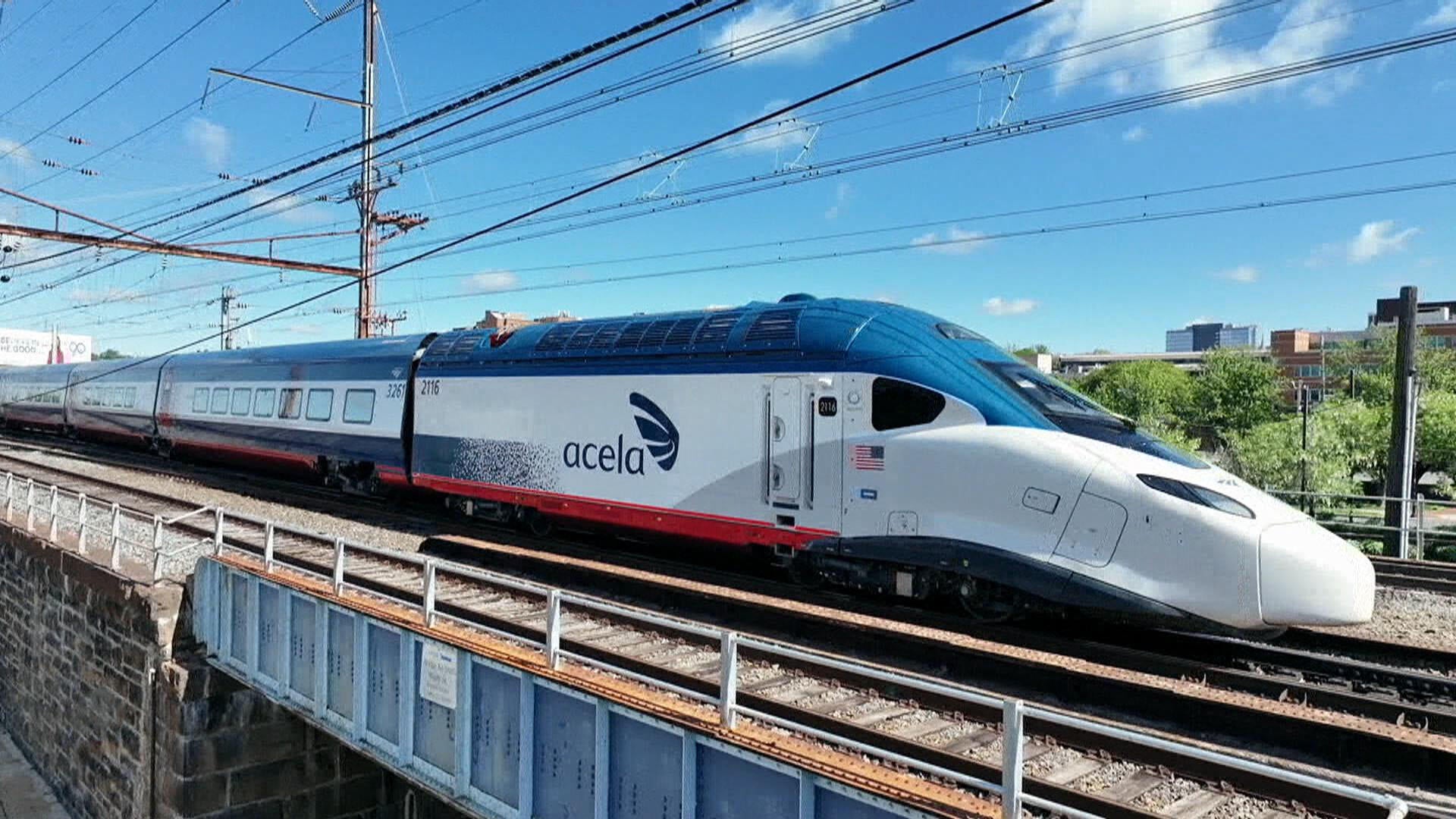
Amtrak hubs are central transit points where multiple rail lines converge, facilitating seamless transfers between regional and long-distance services. The primary national hub is Chicago Union Station, while the Northeast Corridor is anchored by New York Penn Station, Philadelphia 30th St, and Washington Union Station, serving as critical gateways for millions of annual passengers.
Understanding the Role of Rail Hubs in the National Network
In the context of the National Railroad Passenger Corporation (Amtrak), a hub is more than just a high-traffic station. These locations serve as the connective tissue of the American rail system, acting as points where passengers can transition from high-frequency regional corridors to expansive, multi-day long-distance routes. In 2026, as rail travel continues to see increased investment through federal modernization programs, these hubs have become sophisticated multi-modal centers that integrate heavy rail, commuter lines, and urban transit systems.
A true hub typically features several technical and operational characteristics:
- Operational Connectivity: It serves as a terminus or a major waypoint for at least three distinct Amtrak routes.
- Maintenance and Logistics: Many hubs house maintenance facilities, fueling stations, or crew change bases where staff rotate for long-distance shifts.
- High-Volume Infrastructure: These stations are equipped with multiple platforms and tracks to handle simultaneous arrivals and departures, often utilizing complex interlocking systems to manage traffic.
- Passenger Amenities: Hubs offer enhanced services such as Metropolitan Lounges for premium passengers, extensive baggage handling, and integrated ticketing for connecting carriers.
Chicago Union Station: The "Hub of the Hubs"
Chicago Union Station remains the undisputed center of the Amtrak universe. Geographically positioned as the gateway between the Eastern and Western United States, it is the only station where passengers can connect to nearly every corner of the country.
The Spoke System of the Midwest
Chicago operates on a "hub-and-spoke" model. Routes like the Lincoln Service, Hiawatha, Wolverine, and Blue Water act as the spokes, bringing passengers from Midwestern cities into the central hub. From here, travelers can board legendary long-distance trains. The California Zephyr (to Emeryville/San Francisco), the Southwest Chief (to Los Angeles), and the Empire Builder (to Seattle/Portland) all originate here, pushing westward across the Great Plains and the Rockies.
Infrastructure and Modernization
As of 2026, Chicago Union Station has benefited from significant renovations aimed at improving passenger flow and air quality in the subterranean track levels. The Great Hall remains a monumental architectural landmark, but the focus has shifted toward functional upgrades, including expanded concourses and improved accessibility. The station’s importance is underscored by its role as a massive commuter terminal for Metra, making it one of the busiest transit centers in North America.
The Northeast Corridor (NEC) Powerhouses
The Northeast Corridor is the most heavily traveled rail segment in the United States. Unlike the Chicago hub, which serves as a departure point for cross-country journeys, the NEC hubs operate as high-frequency "through-stations" that support both the Acela—the nation's premier high-speed service—and the Northeast Regional.
New York Penn Station and Moynihan Train Hall
New York City is the busiest point on the Amtrak network. With the full integration of the Moynihan Train Hall in the James A. Farley Building, the passenger experience has been transformed. This hub manages the convergence of NEC trains with the Empire Service (to Albany and Niagara Falls) and the Adirondack (to Montreal). It also serves as a vital link for the Lorton-bound Auto Train connections and various long-distance trains heading south, such as the Silver Star and Crescent.
Philadelphia William H. Gray III 30th Street Station
Philadelphia serves as a critical junction where the north-south NEC meets the Keystone Service, which runs west to Harrisburg. Its massive neo-classical concourse is a testament to the golden age of rail, but its modern utility lies in its role as a primary maintenance and operational base. The station’s location makes it a preferred transfer point for passengers moving between the Atlantic coast and the interior of Pennsylvania.
Washington Union Station
As the southern terminus of the electrified Northeast Corridor, Washington Union Station is where many trains undergo a "power change"—switching from electric locomotives to diesel for journeys further south into Virginia and the Carolinas. This hub connects the high-density NEC with the Capitol Limited (to Chicago) and the Cardinal (to Chicago via Cincinnati), making it a pivot point between the East Coast and the Midwest.
West Coast Gateways: Los Angeles and Seattle
The western United States relies on several key hubs to manage the vast distances between coastal metropolitan areas and the interior.
Los Angeles Union Station
Los Angeles is the southern anchor of the West Coast rail network. It serves as the terminus for the Pacific Surfliner, one of the most successful state-supported routes in the country. More importantly, it is the meeting point for the Coast Starlight (running north to Seattle) and the Sunset Limited (running east to New Orleans). In 2026, the station continues to evolve with the "Link US" project, which aims to convert the station from a "stub-end" terminal to a "run-through" station, significantly increasing capacity and reducing dwell times for trains passing through the region.
Seattle King Street Station
In the Pacific Northwest, Seattle’s King Street Station acts as the primary hub for the Amtrak Cascades service, which connects Eugene, Oregon, to Vancouver, British Columbia. It also serves as the western terminus for the Empire Builder. The station is a model of historic preservation and modern multi-modal integration, linking Amtrak services with Sound Transit’s Link light rail and regional commuter trains.
Emerging Hubs and Regional Expansion
The landscape of Amtrak hubs is not static. Following the passage of the Infrastructure Investment and Jobs Act in the early 2020s, several cities have emerged as significant regional hubs by 2026.
- Charlotte and Raleigh, North Carolina: These cities have become focal points for the "Piedmont" and "Carolinian" services, benefiting from increased frequencies and track improvements that make them essential transit nodes in the Southeast.
- Atlanta, Georgia: Long a bottleneck in the southern network, Atlanta has seen renewed focus as a potential hub for expanded corridors connecting the Gulf Coast to the Mid-Atlantic.
- Dallas/Fort Worth, Texas: As part of the Texas Triangle development, these stations serve as the nexus for the Texas Eagle and the Heartland Flyer, with ongoing discussions regarding high-speed connections to Houston.
Comparison of Major Amtrak Hubs (2026 Status)
The following table outlines the primary Amtrak hubs, their major connecting routes, and their strategic importance to the national network.
| Hub Location | Primary Routes Served | Key Connections | Primary Significance |
|---|---|---|---|
| Chicago, IL | Empire Builder, Zephyr, Southwest Chief | Metra, South Shore Line | National center for all transcontinental travel. |
| New York, NY | Acela, NE Regional, Empire Service | LIRR, NJ Transit, NYC Subway | Highest passenger volume; gateway to the Northeast. |
| Washington, DC | Acela, NE Regional, Capitol Limited | VRE, MARC, DC Metro | Southern terminus of electrified NEC; power-change point. |
| Philadelphia, PA | Acela, NE Regional, Keystone | SEPTA, NJ Transit | Major junction for East-West Pennsylvania travel. |
| Los Angeles, CA | Pacific Surfliner, Coast Starlight | Metrolink, LA Metro | Primary West Coast hub; gateway to the Southwest. |
| Boston, MA | Acela, NE Regional, Downeaster | MBTA Commuter Rail | Northern terminus of the Northeast Corridor. |
| New Orleans, LA | City of New Orleans, Sunset Limited | NORTA Streetcars | Strategic southern node connecting the Midwest and West. |
Technical Requirements for Transferring at Hubs
Transferring at a major Amtrak hub requires an understanding of station-specific logistics. Unlike airports, rail hubs often have different boarding procedures depending on whether the train is a high-frequency regional service or a long-distance sleeper.
- Check-In and Boarding: At hubs like Chicago or New York, long-distance passengers are often required to check in at a designated lounge or gate area before being escorted to the platform. Regional passengers (NEC or Keystone) typically follow electronic display boards and head directly to the platform.
- Baggage Handling: Most major hubs offer "Checked Baggage" services. If you are transferring between two long-distance trains (e.g., from the Capitol Limited to the California Zephyr in Chicago), your checked bags are typically transferred automatically. However, if you are moving from a regional train to a long-distance train, you may need to check your bags at the hub’s baggage counter.
- Minimum Connection Times: While Amtrak schedules are designed to facilitate connections, a minimum of 60 to 90 minutes is recommended when transferring between long-distance routes to account for potential freight-related delays.
- Lounge Access: Passengers traveling in Private Rooms (Roomettes or Bedrooms) or Business Class on certain routes have access to Metropolitan Lounges. These are available in Chicago, Los Angeles, New York, Philadelphia, Portland, and Washington, D.C.
Common Pitfalls and Troubleshooting
Navigating a massive facility like New York Penn Station or Chicago Union Station can be daunting for first-time travelers.
- Station Entrances: Large hubs often have multiple street-level entrances that lead to different concourses. For example, in New York, the Moynihan Train Hall is across the street from the traditional Penn Station. Ensure you are in the correct hall for Amtrak services versus commuter lines like the Long Island Rail Road.
- Late Arrivals: If a train is delayed and you miss your connection at a hub, Amtrak is generally responsible for re-accommodating you on the next available train, provided both segments were booked on a single ticket. In cases of significant delays, this may include providing hotel vouchers at the hub city.
- Red Cap Service: Many travelers overlook the Red Cap service. These are uniformed Amtrak employees who provide complimentary baggage assistance and early boarding. Utilizing this service is one of the most effective ways to navigate complex hubs, especially for those with mobility issues or heavy luggage.
Frequently Asked Questions
Which Amtrak hub is the largest in terms of track count?
Chicago Union Station and New York Penn Station are the largest in terms of operational complexity and track count. New York Penn Station handles more daily trains when including commuter services, but Chicago Union Station serves more unique long-distance Amtrak routes.
Do all Amtrak hubs have lounges for passengers?
No, not all hubs have dedicated Metropolitan Lounges. While major hubs like Chicago, NYC, and DC do, smaller regional hubs like Charlotte or San Jose may only have standard waiting areas. Lounges are generally reserved for sleeper car passengers and top-tier Amtrak Guest Rewards members.
Can I leave the hub station during a long layover?
Yes. Most major Amtrak hubs are located in the heart of downtown districts. If you have a layover of several hours in Chicago or Washington, D.C., you can store your luggage at the station's Parcel Check (for a small fee or free for lounge users) and explore the city.
How do I know which platform my train is on?
Unlike European rail stations where platforms are often assigned hours in advance, US hubs typically announce the platform 15 to 20 minutes before departure. You should monitor the large overhead monitors (flight-board style) for the "Status" to change to "Boarding" or for a gate number to appear.
Are there hotels inside Amtrak hubs?
While few US stations have hotels directly inside the terminal today, many are adjacent to major hotels. For example, the Union Station Hotel in St. Louis is part of the historic station complex, and many hotels in Chicago and New York are within a five-minute walk of the hubs.
Expert Recommendation for Rail Travelers
When planning a cross-country journey, prioritize connections through Chicago Union Station or Washington Union Station. These hubs are specifically designed for the "power change" and "consist switching" required for long-haul travel. If you are traveling through a hub in 2026, download the Amtrak mobile app to receive real-time gate and platform notifications, which are essential for navigating the often-crowded concourses of the Northeast Corridor. Always allow at least a two-hour window for transfers involving long-distance trains to ensure a stress-free transition between the regional spokes and the national rail spine.