Amtrak service to Boston is anchored by the Northeast Corridor, offering high-speed Acela and frequent Northeast Regional trains arriving at South Station and Back Bay. The Downeaster serves North Station from Maine, while the Lake Shore Limited connects the city to Chicago, providing comprehensive rail access for business and leisure travelers.
Boston stands as the northern terminus for Amtrak’s busiest and most advanced rail infrastructure in the United States. As of 2026, the city remains a critical hub where high-speed technology meets historic transit architecture. Navigating the system requires an understanding of the distinct routes, the disparate station locations, and the tiered service levels that define the modern American rail experience. Whether you are commuting from New York City, traveling from the Midwest, or heading south from the Maine coast, Amtrak offers a streamlined alternative to the congestion of I-95 and the complexities of Logan International Airport.
Primary Amtrak Routes Serving Boston
Boston is served by four distinct Amtrak routes, each catering to different geographic regions and travel needs. Understanding these routes is the first step in planning an efficient itinerary.
1. The Acela
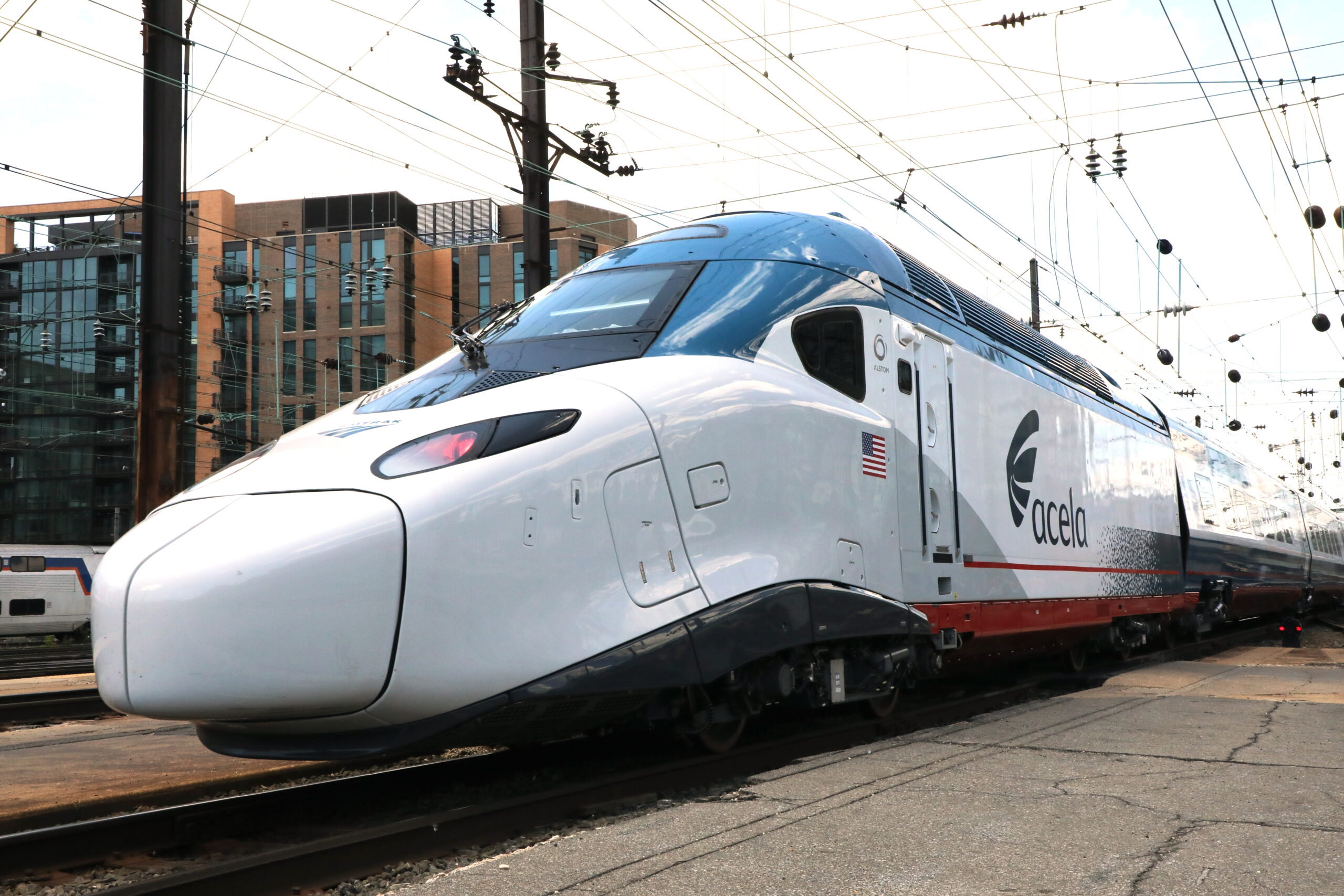
The Acela is Amtrak’s flagship high-speed service, operating exclusively within the Northeast Corridor (NEC) between Boston and Washington, D.C. In 2026, the fleet consists primarily of the latest generation of high-speed trainsets, which offer enhanced stability and speeds up to 160 mph on certain segments. The Acela is designed for business travelers and those seeking a premium experience, featuring only Business Class and First Class seating. It makes fewer stops than other services, typically stopping only at Back Bay and South Station within Boston city limits.
2. The Northeast Regional
The Northeast Regional is the workhorse of the NEC. It provides the most frequent service to Boston, connecting the city to New York, Philadelphia, Baltimore, Washington, D.C., and various points in Virginia. Unlike the Acela, the Regional offers both Coach and Business Class seating. It is generally more affordable and serves more intermediate stations, making it the preferred choice for students, casual travelers, and those departing from smaller municipalities along the corridor.
3. The Downeaster
The Downeaster is unique because it is the only Amtrak service in Boston that terminates at North Station. It runs five round-trips daily between Boston and Brunswick, Maine, with stops in New Hampshire and coastal Massachusetts. This route is popular for seasonal tourism but also serves as a vital commuter link for the northern New England region. Because North Station and South Station are not physically connected by rail, travelers transferring from the Downeaster to southern routes must utilize local transit.
4. The Lake Shore Limited
For those traveling from the Midwest, the Lake Shore Limited provides a direct link between Chicago and Boston. This long-distance route splits at Albany-Rensselaer, with one section heading to New York City and the other continuing to Boston South Station. It offers Viewliner sleeping accommodations, including Roomette and Bedroom options, as well as a Café car. It is a scenic route that traverses the Berkshire Mountains in western Massachusetts, though it operates only once daily.
Navigating Boston’s Train Stations
A common point of confusion for visitors is the lack of a single "Grand Central" style hub in Boston. Amtrak services are split between three primary stations, and knowing which one serves your route is essential for a smooth arrival.
South Station (BOS)
Located at 700 Atlantic Avenue, South Station is the city’s primary transportation terminal. It serves as the terminus for the Acela, Northeast Regional, and Lake Shore Limited. The station is a major intermodal hub, connecting to the MBTA Red Line, the Silver Line (bus rapid transit to Logan Airport), and various commuter rail lines. The historic concourse features an expansive food court, luggage assistance (Red Cap service), and a Metropolitan Lounge for Acela First Class passengers.
Back Bay Station (BBY)
Back Bay Station is located in the heart of the city’s shopping and business district, near Copley Square and the Prudential Center. Almost all Amtrak trains heading to or from South Station (Acela and Northeast Regional) also stop at Back Bay. For travelers staying in the South End, Back Bay, or Fenway neighborhoods, this station is often more convenient than South Station. It provides direct access to the MBTA Orange Line and several commuter rail lines.
North Station (BON)
North Station is located under the TD Garden and serves exclusively as the terminus for the Downeaster route. It does not have a direct Amtrak rail connection to South Station. If you arrive at North Station and need to catch a train at South Station, you must take the MBTA Orange Line to Downtown Crossing and transfer to the Red Line, or utilize a ride-share service. The walk between the two stations takes approximately 20–30 minutes through the downtown core.
Comparing Boston Amtrak Services
The following table summarizes the key differences between the services available to Boston travelers.
| Service Name | Destination/Origin | Boston Station(s) | Classes Offered | Key Features |
|---|---|---|---|---|
| Acela | Washington, D.C. | South Station, Back Bay | Business, First | High-speed, fewer stops, complimentary meals (First Class) |
| Northeast Regional | Virginia / D.C. | South Station, Back Bay | Coach, Business | Most frequent, budget-friendly, Quiet Car |
| Downeaster | Brunswick, ME | North Station | Coach, Business | Scenic Maine coast, local food/beverage in Café |
| Lake Shore Limited | Chicago, IL | South Station, Back Bay | Coach, Sleeper | Overnight travel, scenic Berkshires, full meals for Sleeper guests |
Booking Strategies and Fare Classes
Amtrak utilizes a dynamic pricing model similar to airlines, meaning fares fluctuate based on demand and how far in advance you book. In 2026, Amtrak has further simplified its fare structure to focus on flexibility and value.
- Flex Fares: These are the most expensive tickets but offer 100% refunds and no change fees. They are ideal for business travelers whose schedules may shift.
- Value Fares: These offer a lower price point but often come with restrictions, such as a 25% cancellation fee if refunded before departure.
- Night Owl Fares: For the Northeast Regional, Amtrak often offers deeply discounted fares for trains departing late at night or very early in the morning (typically between 7:00 PM and 5:00 AM).
To secure the best rates for Boston travel, it is recommended to book at least 14 to 21 days in advance. The Amtrak Mobile App is the most efficient way to manage bookings, track train status in real-time, and display digital tickets for conductors.
Onboard Experience and Amenities
The experience of traveling to Boston via Amtrak is characterized by comfort and productivity features that are often absent in other forms of transit.
Wi-Fi and Connectivity
Amtrak offers free basic Wi-Fi on all routes serving Boston. While the "Amtrak_WiFi" network is sufficient for email and web browsing, it is not designed for high-bandwidth activities like streaming 4K video. Business travelers on the Acela often find the connectivity more stable than on the Regional due to upgraded equipment on the newer trainsets.
Seating and Space
One of the primary advantages of Amtrak is the generous legroom. Even in Coach Class on the Northeast Regional, the pitch (the distance between seats) is significantly greater than that of an economy-class airplane seat. There are no middle seats on any Amtrak train to Boston. Seats also feature fold-down trays, individual reading lights, and standard 120V power outlets.
Food and Beverage
- The Café Car: Available on all Boston routes. It serves a variety of hot and cold sandwiches, snacks, coffee, and alcoholic beverages.
- Acela First Class Dining: Passengers in First Class receive at-seat meal service, featuring seasonal menus designed by renowned chefs. This service includes a full beverage selection at no additional cost.
- Traditional Dining: As of 2026, the Lake Shore Limited provides traditional dining car service for Sleeper Class passengers, featuring prepared meals and a dedicated dining space.
Practical Logistics: Baggage and Accessibility
Baggage Policy
Amtrak’s baggage policy is one of the most generous in the travel industry. Passengers are permitted two personal items (25 lbs. each) and two carry-on bags (50 lbs. each) free of charge. Checked baggage service is only available on certain trains, specifically the Lake Shore Limited and select Northeast Regional departures that have a dedicated baggage car. At South Station, Red Cap staff are available to assist with luggage and provide early boarding for those who need it.
Accessibility
All Amtrak stations in Boston—South Station, Back Bay, and North Station—are fully accessible. Amtrak trains feature accessible seating, restrooms, and, on long-distance routes like the Lake Shore Limited, accessible sleeping accommodations. Passengers requiring assistance are encouraged to notify Amtrak during the booking process or arrive at the station 45 minutes early to coordinate with station staff for boarding ramps or lifts.
Traveling with Pets
Small dogs and cats (up to 20 lbs including the carrier) are allowed on most Northeast Regional and Downeaster trains for a fee, provided the trip duration is under seven hours. Pet reservations are limited per train and must be made in advance. Pets are generally not permitted in Acela First Class or on the Lake Shore Limited's long-distance segments.
Essential Travel Tips for Boston Arrivals
- Check the "T" Connection: If your final destination is not within walking distance of the train station, ensure you have a CharlieCard or CharlieTicket for the MBTA subway system. Both South Station and North Station have kiosks to purchase these.
- The Quiet Car: On the Northeast Regional and Acela, look for the designated Quiet Car if you need to work or sleep. Talking on cell phones and loud conversations are prohibited in this car, and the rule is strictly enforced by conductors.
- Arrival Timing: For departures from South Station, arriving 30 minutes early is usually sufficient. However, if you are checking bags or require assistance, 60 minutes is safer. Boarding typically begins 15–20 minutes before the scheduled departure time.
- The "Gap" Awareness: Do not assume you can easily transfer between the Downeaster and southern routes. Always allow at least 90 minutes between a Downeaster arrival at North Station and a South Station departure to account for local transit delays and navigation.
Frequently Asked Questions
How do I get from North Station to South Station?
The most reliable way to travel between the two stations is by using the MBTA subway. From North Station, take the Orange Line (Southbound) to Downtown Crossing, then transfer to the Red Line (Southbound) for one stop to South Station. Alternatively, a taxi or ride-share takes about 10–15 minutes depending on traffic.
Is there a high-speed train from New York to Boston?
Yes, the Acela is the high-speed option, typically taking about 3 hours and 30 minutes to 3 hours and 45 minutes from New York Penn Station to Boston South Station. The Northeast Regional follows the same path but takes approximately 4 hours to 4 hours and 30 minutes due to more frequent stops.
Does Amtrak go to Logan International Airport?
Amtrak does not stop directly at Logan Airport. However, from South Station, you can take the Silver Line (SL1) bus, which is a free service from the station to all airport terminals. The trip takes approximately 15–25 minutes.
Can I buy Amtrak tickets at the station in Boston?
Yes, South Station and North Station have both staffed ticket windows and Quik-Trak kiosks. However, purchasing tickets at the station on the day of travel is usually the most expensive option. It is highly recommended to book online or via the app in advance.
Is parking available at Boston Amtrak stations?
Parking at South Station and North Station is limited and expensive, as they are located in dense urban areas. There are several private parking garages nearby, but most travelers find it more cost-effective to use ride-share services or local transit to reach the stations.
Recommendations for Travelers
For the best experience when using Amtrak service to Boston, prioritize the Acela if you are traveling on the Northeast Corridor and value time and comfort. The newer trainsets in service for 2026 provide a significantly smoother ride and better amenities than older equipment. If you are traveling on a budget, the Northeast Regional remains an excellent value, especially if you can book a "Value" or "Night Owl" fare in advance. Always double-check your arrival station—Boston’s split-station layout is a common pitfall for first-time visitors heading to or from Maine.