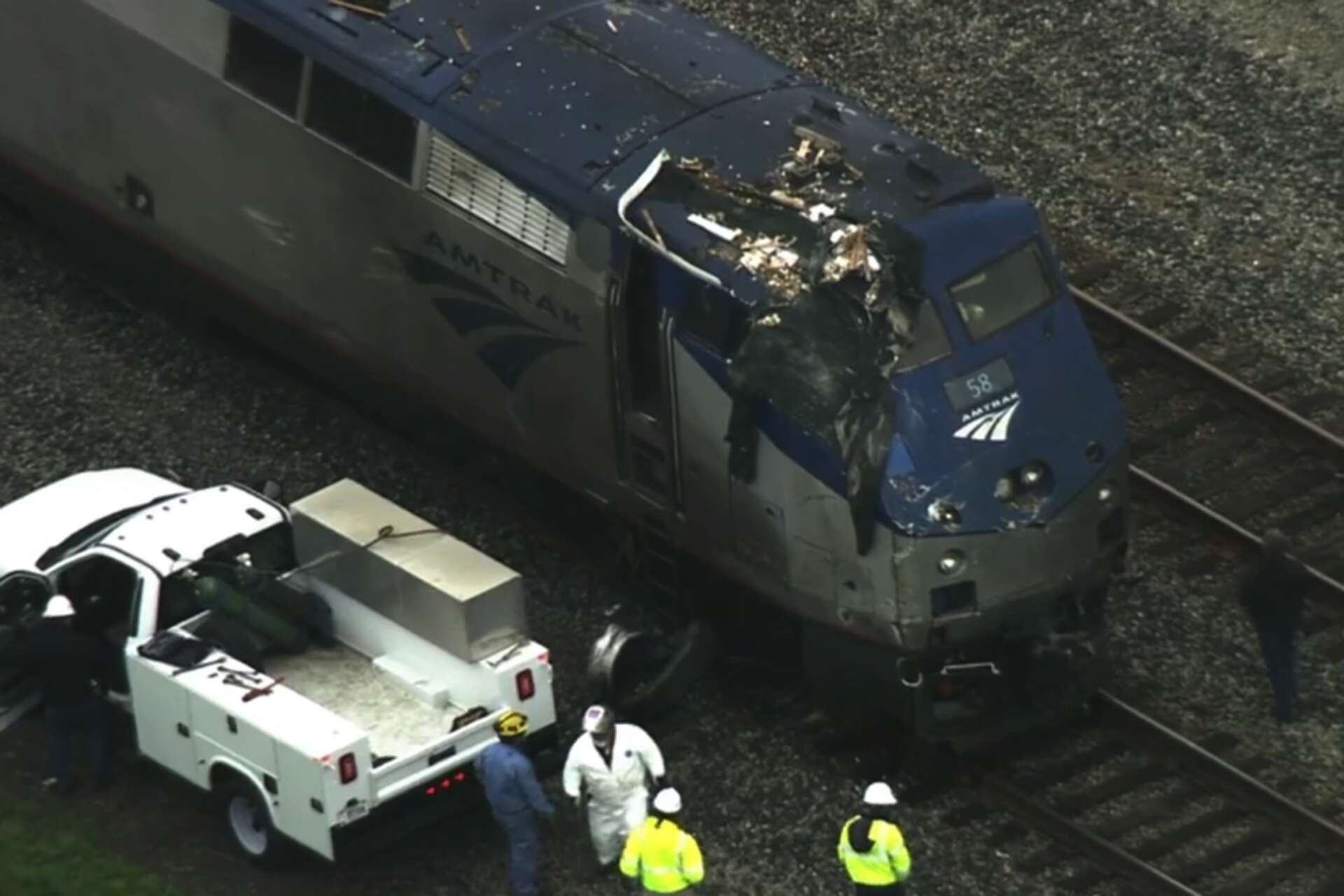
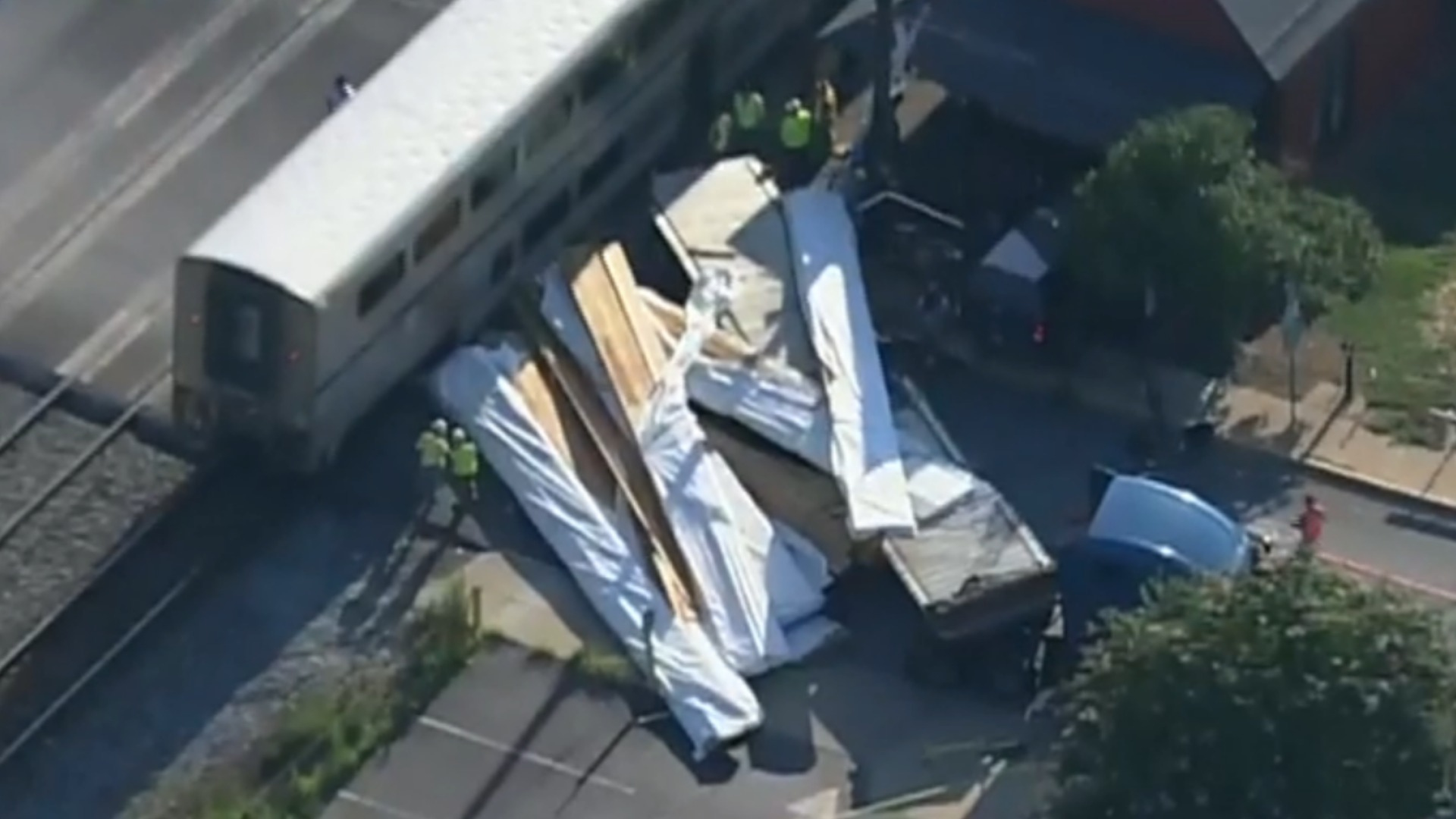
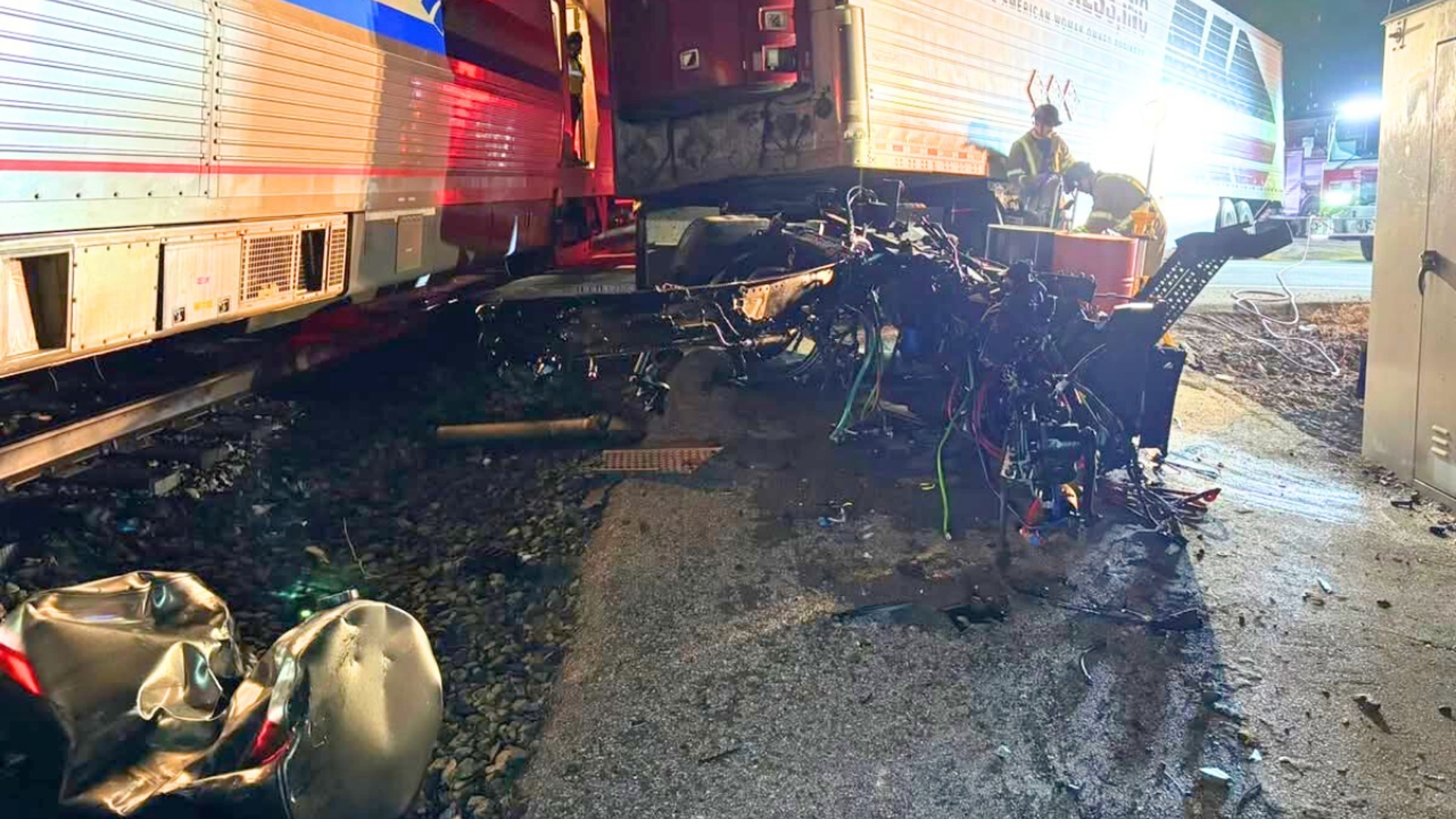
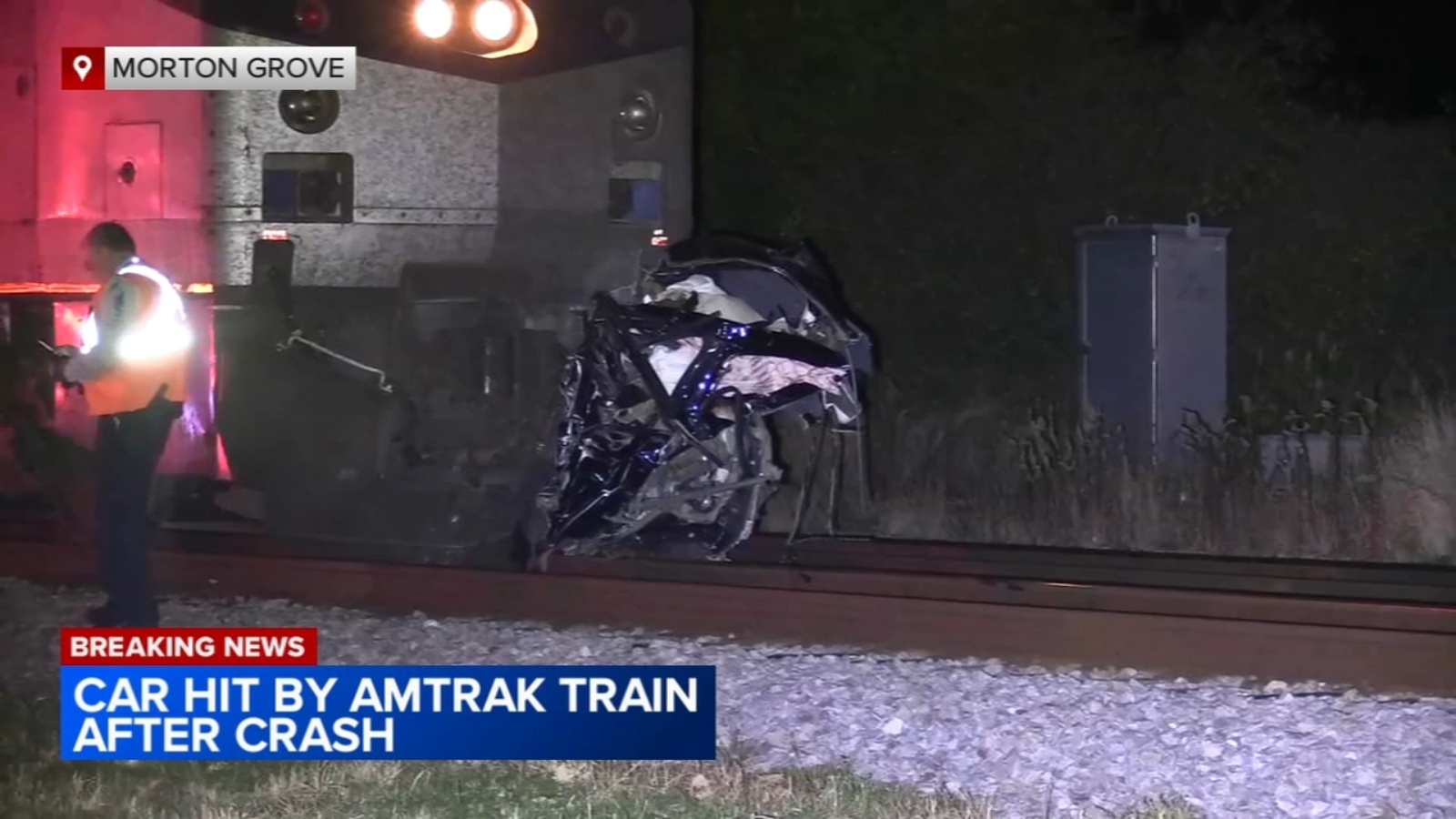
Amtrak train-truck collisions, primarily occurring at highway-rail grade crossings, represent a significant safety challenge for the U.S. rail network. These incidents usually result from vehicle stalling, "high-centering" of low-clearance trailers, or driver non-compliance with signals. Understanding the mechanical, legal, and safety protocols is essential for mitigating risks and managing the aftermath of such high-impact events.
Understanding the Dynamics of Grade Crossing Collisions
As of 2026, the intersection of rail and road infrastructure remains one of the most complex areas of transportation safety. A highway-rail grade crossing is any location where a public or private road, street, or sidewalk crosses railroad tracks at the same level. In the United States, there are over 200,000 such crossings, and despite significant technological advancements in Positive Train Control (PTC) and crossing gate automation, collisions with heavy vehicles like semi-trucks remain a persistent issue for Amtrak’s national network.
The fundamental danger of an Amtrak train hitting a truck lies in the massive disparity of mass and momentum. A typical Amtrak locomotive weighs approximately 200,000 pounds, and a full consist of passenger cars can bring the total weight of the train to several million pounds. By contrast, a fully loaded tractor-trailer maxes out at 80,000 pounds. When these two entities collide at speeds ranging from 79 mph to 150 mph (on the Northeast Corridor), the result is almost always catastrophic for the road vehicle and presents a severe derailment risk for the train.
Primary Causes of Amtrak-Truck Incidents
Investigative data from the Federal Railroad Administration (FRA) and the National Transportation Safety Board (NTSB) consistently point to a few recurring factors in these collisions. Understanding these "why" factors is the first step toward prevention.
Vehicle Stalling and "High-Centering"
One of the most common technical causes for a truck being on the tracks is "high-centering." This occurs when a low-clearance trailer—such as a low-boy carrying heavy machinery or a specialized car hauler—attempts to cross a "hump" crossing where the tracks sit higher than the surrounding road. The belly of the trailer gets stuck on the rails, lifting the drive wheels and rendering the truck immobile. Because many drivers are unfamiliar with the specific topography of every crossing, they may find themselves trapped with a 500-ton train approaching at full speed.
Driver Non-Compliance and Distraction
Human error remains the leading cause of grade crossing incidents. Drivers may attempt to "beat the train" by weaving around descending gates or ignoring flashing lights. Large trucks require more time to clear a crossing than passenger cars; a truck driver who enters a crossing as the lights begin to flash may not have enough time to finish the transit before the gates descend. Furthermore, modern cabin distractions—GPS units, mobile devices, and complex logging systems—can prevent a driver from noticing passive crossing signs (signs without lights or gates) until it is too late.
Mechanical Failures and Environmental Factors
Less frequently, a truck may experience a mechanical failure, such as a blown air line or engine stall, exactly while positioned on the tracks. Environmental factors, including heavy fog, ice, or sun glint, can also obscure a driver's view of an approaching locomotive or the status of crossing signals. In 2026, while AI-enhanced obstacle detection is being trialed at high-traffic crossings, these environmental variables still pose significant risks to manual operations.
The Physics of Impact: Why Trains Cannot Stop Quickly
A common misconception among the public is that a train engineer can simply "slam on the brakes" to avoid a truck on the tracks. The physics of rail transport make this impossible.
- Kinetic Energy: The energy of a moving object is calculated as half the mass times the velocity squared ($KE = 1/2 mv^2$). Because trains are incredibly heavy and move at high speeds, they possess astronomical amounts of kinetic energy that must be dissipated to stop.
- Friction and Contact Patch: Trains run on steel wheels over steel rails. The "contact patch"—the area where the wheel actually touches the rail—is roughly the size of a penny. This creates very low rolling resistance, which is great for fuel efficiency but terrible for emergency braking.
- Braking Distance: An Amtrak train traveling at 80 mph can take over a mile (approximately 18 football fields) to come to a complete stop once the emergency brakes are applied. In most cases, by the time an engineer sees a truck on the tracks, the collision is already physically inevitable.
Immediate Emergency Response and Investigation Protocols
When an Amtrak train hits a truck, a standardized, multi-agency response is triggered. This process is designed to ensure passenger safety, provide medical aid, and preserve evidence for legal and safety investigations.
The Emergency Notification System (ENS)
The most critical tool in the moments before or after a collision is the Blue Sign, also known as the Emergency Notification System (ENS) sign. Every public grade crossing is required to have a sign indicating the railroad's emergency phone number and the specific US DOT Crossing Number. Calling this number is the only way to alert the railroad dispatcher to stop incoming trains immediately.
On-Scene Investigation (NTSB and FRA)
For major incidents, the NTSB will dispatch a "Go-Team." These investigators analyze:
- The Event Data Recorder (EDR): The "black box" of the locomotive, which records speed, brake application, horn usage, and throttle position.
- Inward and Outward Facing Cameras: Most Amtrak locomotives are equipped with cameras that capture the engineer's actions and the view of the tracks ahead.
- Crossing Signal Logs: Modern crossing signals have their own recording devices to prove whether the lights and gates were functioning correctly at the time of the incident.
Legal and Liability Framework in Railway Accidents
Determining liability in a train-truck collision is a complex legal process involving federal and state laws. Because Amtrak is a quasi-governmental entity, specific statutes often apply to claims against it.
The Role of the Trucking Company
In the majority of grade crossing collisions, the primary liability rests with the driver of the road vehicle and, by extension, their employer (the trucking company). If a driver ignored signals or operated an oversized load on a restricted route, the trucking company’s insurance may be liable for:
- Damage to the locomotive and passenger cars.
- Damage to the track and signaling infrastructure.
- Injuries to Amtrak passengers and crew.
- Business interruption costs (delaying dozens of other trains).
Potential Railroad Liability
While less common, Amtrak or the "host railroad" (the company that owns the tracks, such as Freight lines like BNSF or CSX) can be held liable if it is proven that:
- The crossing signals were malfunctioning and the railroad had prior notice.
- The vegetation at the crossing was overgrown, obstructing the driver’s line of sight (in violation of state laws).
- The train engineer failed to sound the horn according to federal "Quiet Zone" exceptions or standard operating procedures.
| Entity Involved | Primary Responsibility | Common Liability Issue |
|---|---|---|
| Truck Driver | Safe navigation of crossing | Ignoring signals; high-centering |
| Amtrak | Passenger safety; train operation | Engineer response time; horn usage |
| Host Railroad | Infrastructure maintenance | Signal failure; track maintenance |
| Local Municipality | Roadway design/signage | Inadequate approach signs; steep grades |
Preventive Measures and Future Technologies (2026 Perspective)
As we move through 2026, several initiatives are underway to reduce the frequency of these incidents. The goal is to move from reactive investigations to proactive prevention.
- Grade Separation: The most effective (but most expensive) solution is grade separation—building bridges or underpasses so that trains and trucks never occupy the same space. Federal infrastructure grants are increasingly prioritized for these "elimination" projects.
- Connected Vehicle Technology (V2X): New "Vehicle-to-Everything" technology allows locomotives to broadcast their position to nearby trucks. A truck’s GPS or dashboard can provide an audible "Train Approaching" alert several miles before the crossing.
- Improved Crossing Surfaces: Redesigning "humped" crossings to be flatter reduces the risk of specialized trailers getting stuck.
- Drones and AI Monitoring: Some high-risk corridors now utilize AI-enabled cameras that detect an object stalled on the tracks and automatically send a signal to the locomotive's cab through the PTC system, potentially initiating braking miles before the engineer sees the obstruction.
What to Do if Your Vehicle Stalls on the Tracks
If you are operating a truck (or any vehicle) and it becomes stuck or stalls on the tracks, the sequence of your actions determines whether the incident results in a tragedy or merely a property loss.
- Get Out Immediately: Do not spend time trying to restart the vehicle or move it if a train is even remotely possible. Ensure all occupants are clear of the vehicle.
- Move Away at a 45-Degree Angle: Run toward the direction the train is coming from, but away from the tracks. If the train hits the truck, debris will fly forward in the direction the train is traveling. Running toward the train's origin keeps you clear of the "debris field."
- Locate the Blue ENS Sign: Find the blue sign on the silver signal house or a nearby post.
- Call the Emergency Number: Give the dispatcher the DOT Crossing Number. They have the power to stop all rail traffic on that segment.
- Call 911: Once the railroad is notified, notify local emergency services to manage road traffic.
FAQs
Can an Amtrak train derail if it hits a semi-truck?
Yes, derailment is a significant risk. While the train is much heavier, if the truck is carrying heavy, dense cargo (like steel coils or engine blocks) or if the truck gets wedged under the locomotive's wheels, it can lift the lead truck of the locomotive off the rails. This often leads to a "jackknife" derailment where the following passenger cars pile up behind the engine.
Is the truck driver always at fault in these collisions?
Statistically, the truck driver is found at fault in over 90% of grade crossing incidents involving Amtrak. This is because federal law generally grants trains the right-of-way at crossings, and road drivers are responsible for ensuring the path is clear and they are not violating signal warnings.
What is the "Blue Sign" at railroad crossings?
The Blue Sign is the Emergency Notification System (ENS) sign. It is a mandatory sign at every public crossing containing a 24/7 emergency telephone number and a unique six-digit number followed by a letter (the DOT National Crossing Inventory Number). This is the fastest way to communicate a track obstruction to the people who can actually stop the trains.
How do Amtrak engineers react to an impending collision?
Engineers are trained to "dump the air," which means moving the brake handle into the emergency position. This applies maximum pneumatic pressure to the brake shoes on every car in the train. Once the brakes are set, the engineer’s priority is their own safety and the safety of the passengers; they may retreat from the cab into the body of the locomotive to avoid the direct impact zone.
Does Positive Train Control (PTC) prevent truck collisions?
PTC is designed primarily to prevent train-to-train collisions, over-speed derailments, and unauthorized entry into work zones. It does not automatically detect a truck on the tracks unless that truck has triggered a specific track-circuit-linked obstacle detection system, which is currently only installed at a small fraction of crossings.
Practical Recommendation
For fleet managers and truck drivers in 2026, the most effective tool for preventing Amtrak collisions is specialized "low-clearance" routing software. Never rely on standard consumer GPS units, as they do not account for crossing grades or "hump" warnings. If a crossing is marked with a "Low Ground Clearance" sign (W10-5), do not attempt to cross it with a trailer that has less than 15 inches of clearance. Always prioritize safety over the schedule—the cost of a five-minute detour is nothing compared to the catastrophic liability of a high-speed rail collision.