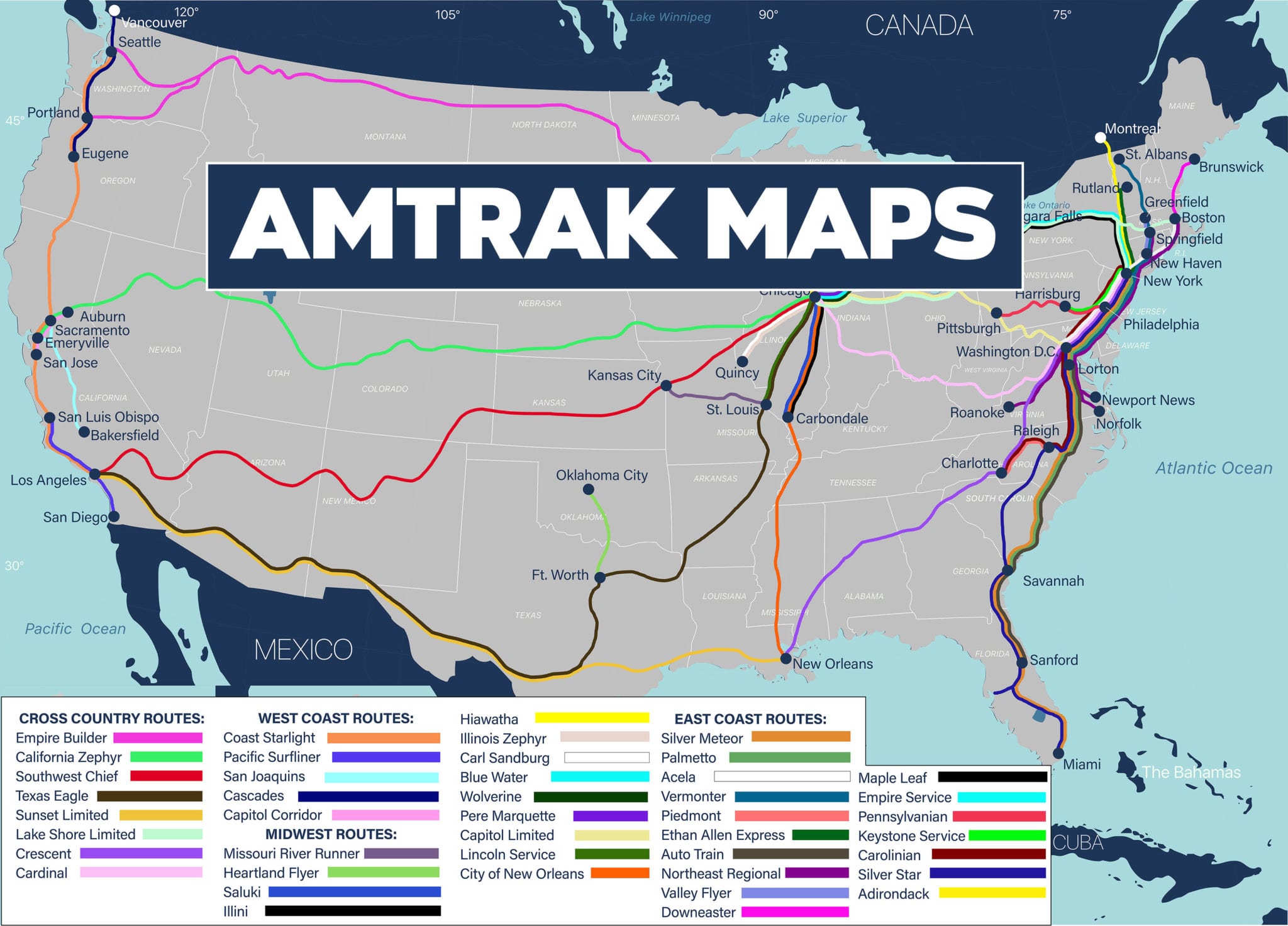
Northern California offers one of the most robust integrations of passenger rail and cycling infrastructure in the United States, allowing cyclists to bypass congested highways and access world-class trails. By utilizing Amtrak’s Capitol Corridor, San Joaquins, and long-distance routes, riders can seamlessly transport their bicycles between key hubs like Sacramento, Davis, and the San Francisco Bay Area.
Navigating the Northern California Rail Network with a Bicycle
As of 2026, the synergy between Amtrak and regional cycling has reached a peak of efficiency. Northern California is primarily served by three types of Amtrak services, each with distinct bicycle policies and storage configurations. Understanding these differences is the first step in planning a successful multi-modal journey.
The Capitol Corridor is the backbone of Northern California transit, running from Auburn and Sacramento down to San Jose. It is widely considered the most "cycling-friendly" route because it features dedicated bike cars and unreserved bicycle storage. For daily commuters and weekend adventurers, this provides a level of flexibility that long-distance routes cannot match.
The San Joaquins route connects the Bay Area and Sacramento to the Central Valley, terminating in Bakersfield. This route is essential for cyclists looking to explore the flatter, expansive roads of the valley or access gateway points for the Sierra Nevada foothills. Like the Capitol Corridor, it generally offers "roll-on" service, though checking specific train equipment is advisable as configurations can vary.
Finally, long-distance routes such as the Coast Starlight (Los Angeles to Seattle) and the California Zephyr (Emeryville to Chicago) pass through Northern California. These trains require mandatory bicycle reservations and often involve a nominal fee. While less flexible for spontaneous trips, they are the primary means for cyclists to reach remote destinations like Dunsmuir or Truckee with their equipment intact.
Essential Bicycle Policies and Requirements for 2026
Before heading to the station, cyclists must adhere to specific technical requirements to ensure their equipment is accepted on board. Amtrak has standardized many of these rules to accommodate the growing popularity of e-bikes and oversized gravel bikes.
Standard Bicycle Dimensions
To fit in the onboard racks, bicycles must generally meet the following specifications:
- Maximum Tire Width: 2.1 inches (though some newer "Bike Cars" on the Capitol Corridor can accommodate up to 2.5-inch tires).
- Maximum Weight: 50 lbs (22.7 kg). This is a critical threshold for e-bike users.
- Prohibited Attachments: All bags, panniers, and water bottles must be removed before securing the bike in the rack. These items can be stored in the overhead luggage compartments.
E-Bike Regulations
In 2026, e-bikes are permitted on most Northern California Amtrak routes provided they are Type 1 or Type 2 and utilize a sealed lead-acid or lithium-ion battery. Most importantly, the bike must not exceed the 50 lb weight limit. Heavy "moped-style" e-bikes or those with gasoline engines are strictly prohibited. Amtrak personnel may request to verify the weight or UL certification of the battery for safety compliance.
Folding Bicycles
Folding bikes are the "cheat code" of the Amtrak system. If your bike has wheels smaller than 20 inches and can be folded and stored in the luggage area, it is treated as standard carry-on baggage. This exempts the rider from bicycle reservation fees and the risk of "full" bike racks on unreserved routes.
Top Cycling-Friendly Amtrak Stations in Northern California
The quality of a cycling trip often depends on the "last mile" infrastructure surrounding the station. The following stations stand out in 2026 for their accessibility, storage facilities, and proximity to major trail networks.
Davis Station (DAV)
Davis is arguably the cycling capital of the United States, and its Amtrak station reflects this culture. Located in the heart of downtown, the station provides immediate access to the Davis Bike Loop, a 12-mile circuit that showcases the city’s grade-separated paths.
- Facilities: The station features high-capacity BikeLink lockers, which offer secure, on-demand storage via a digital card or mobile app.
- Accessibility: Level boarding platforms make it exceptionally easy to roll heavy bikes onto the train without lifting.
Sacramento Valley Station (SAC)
As a major hub for the Capitol Corridor, San Joaquins, and long-distance lines, Sacramento Valley Station is the gateway to the American River Bike Trail (Jedediah Smith Memorial Trail). This 32-mile paved path runs from downtown Sacramento to Folsom and is a premier destination for road cyclists.
- Facilities: The station houses a dedicated "Bike Room" and numerous secure lockers. It is also a central point for regional bike-share programs.
- Connectivity: From here, cyclists can easily transfer between the rail system and the city's extensive grid of protected bike lanes.
Truckee Station (TRU)
For those seeking mountain biking or high-altitude road riding, the Truckee station is a critical stop on the California Zephyr route. It drops riders directly into the Sierra Nevada, within riding distance of the Legacy Trail and various Tahoe-area trailheads.
- Requirements: Because this is a long-distance stop, you must book your bike space in advance. Space is extremely limited (often only 2–6 slots per train).
- Logistics: The station is compact, and riders should be prepared to lift their bikes onto the high-level storage racks quickly during the brief station stop.
Emeryville Station (EMY)
Serving as the western terminus for the California Zephyr and a major stop for the Capitol Corridor, Emeryville provides immediate access to the San Francisco Bay Trail. This trail offers stunning waterfront views and connects to the Bay Bridge Bike Path.
- Pro Tip: If you are heading to San Francisco, getting off at Emeryville and cycling across the Bay Bridge (to Yerba Buena Island) or taking the dedicated Amtrak Thruway bus with a bike rack is often faster than continuing to San Jose.
Comparison of Bike Services by Route (2026)
| Route Name | Service Type | Bike Reservation Required? | Storage Method | Fee (Approx.) |
|---|---|---|---|---|
| Capitol Corridor | Regional | No (First-come, first-served) | Dedicated Bike Cars / Racks | $0 |
| San Joaquins | Regional | Usually No* | Onboard Racks | $0 |
| Coast Starlight | Long Distance | Yes (Mandatory) | Baggage Car / Upper Level | $20 |
| California Zephyr | Long Distance | Yes (Mandatory) | Baggage Car | $20 |
*Reservations may be required during peak holiday periods or for specific equipment types; always check the Amtrak app 24 hours before departure.
Onboard Procedures and Best Practices
Once the train arrives, the process of loading your bike requires efficiency, especially at stations with short dwell times.
- Identify the Bike Car: On the Capitol Corridor, look for the "Bicycle Friendly" decals on the side of the train cars. Usually, the cab car (the car at the opposite end from the locomotive) has the highest bike capacity.
- Preparation: Have your panniers and lights removed before the train arrives. If you are using a long-distance service, ensure your bike tag (provided by the station agent) is clearly attached to the handlebars.
- Loading: In regional cars, you will likely encounter vertical or angled racks. Lift the front wheel and hook it onto the designated peg. On long-distance trains, you will either hand your bike to a crew member at the baggage car or be directed to a specific lower-level rack.
- Security: While Amtrak trains are generally safe, it is a best practice to use a small cable lock to secure your frame to the rack, provided it does not obstruct other riders' access. Never leave expensive GPS units or saddlebags on the bike.
Troubleshooting Common Issues
What if the Bike Racks are Full?
On unreserved routes like the Capitol Corridor, racks can occasionally fill up during peak commute hours. If this happens, you may be required to wait for the next scheduled train. To avoid this, try to travel during "off-peak" hours (mid-day or late evening) or board at the route's terminus stations (Sacramento or San Jose) where you have the first pick of storage.
Mechanical Failures at the Station
Many major Northern California stations, including Sacramento and Davis, are located near full-service bike shops. If you suffer a mechanical issue just before boarding, it is often better to seek a professional repair in these cycling-centric cities than to risk being stranded at a more remote station.
Weather Considerations
Northern California weather is generally mild, but the "Central Valley Heat" in the summer can be taxing. If you are cycling to a station in July or August, ensure you hydrate well before boarding the air-conditioned train cars. Conversely, if heading to Truckee or Dunsmuir in the winter, be prepared for snow and ice immediately upon exiting the station.
Frequently Asked Questions
Can I bring a bike trailer on Amtrak in Northern California?
Standard bike trailers are generally not allowed as "roll-on" items. However, if the trailer can be collapsed and meets the dimensions of standard checked baggage, it may be transported on long-distance routes that offer checked baggage service. It is highly recommended to call Amtrak or visit a staffed station to confirm the specific dimensions of your trailer before travel.
Is there an additional charge for bicycles on the Capitol Corridor?
No, as of 2026, there is no additional fee for bringing a bicycle on the Capitol Corridor. It is included in the price of your transit ticket. This makes it one of the most cost-effective ways to explore the region with a bike. However, space is available on a first-come, first-served basis, so early arrival at the platform is encouraged.
Do I need a bike box for long-distance trains?
On most long-distance routes serving Northern California, such as the Coast Starlight, "Trainside Checked Bicycle" service is available. This means you do not need a box; you simply hand your bike to the conductor at the baggage car. However, if you are checking a bike as traditional baggage (and not using the trainside service), a box is required and can usually be purchased at staffed stations for a small fee.
Are there weight limits for e-bikes on Northern California routes?
Yes, the current weight limit for any bicycle, including e-bikes, is 50 lbs. This is a safety regulation to ensure that the onboard racks and the staff handling the bikes are not overstressed. Riders with e-bikes should weigh their cycles without batteries or accessories to see if they can meet this requirement. If the bike exceeds 50 lbs even with the battery removed, it may be denied boarding.
Which station is best for accessing the San Francisco Bay Trail?
The Richmond Station (RIC) and the Emeryville Station (EMY) are the premier choices. Richmond is particularly unique because it is a "multi-modal" hub where Amtrak and BART (Bay Area Rapid Transit) share a platform, allowing you to switch systems easily to reach different segments of the Bay Trail or cross into San Francisco.
Practical Recommendation for Cyclists
For the best experience, download the Amtrak App and the BikeLink App before your journey. The Amtrak app allows you to check real-time train status and bicycle availability on certain routes, while BikeLink is essential for accessing secure storage lockers at stations like Davis, Berkeley, and Sacramento. If you are planning a trip on a long-distance route, book your bicycle reservation at least two weeks in advance, as these spots are highly coveted and sell out much faster than passenger seats.