Finding the Amtrak train schedule to New York City is best accomplished through the official Amtrak website or mobile app, which provide real-time updates and booking capabilities. Most trains arrive at the Moynihan Train Hall at Penn Station, with high-frequency service from the Northeast Corridor (Boston, Philadelphia, Washington D.C.) and daily long-distance arrivals from Chicago, Miami, and New Orleans.
New York City remains the busiest hub in the Amtrak national network. As of 2026, the infrastructure improvements at New York Penn Station and the continued expansion of the Moynihan Train Hall have streamlined the arrival process for millions of passengers. Whether you are a daily commuter from the Hudson Valley or a cross-country traveler, understanding the nuances of the schedule, fare classes, and station logistics is essential for a seamless journey.
Major Routes and Service Frequencies to New York City
New York City is the central node of the Northeast Corridor (NEC), the most heavily trafficked rail line in North America. Because of this, the schedule to NYC is characterized by high frequency, particularly from neighboring metropolitan areas.
The Northeast Regional
The Northeast Regional is the workhorse of the Amtrak fleet. It provides frequent service between Boston, Massachusetts, and Virginia (including Richmond and Norfolk), with New York City as the primary midway stop. During peak weekday hours, trains typically depart every 30 to 60 minutes. This service is favored by travelers who prioritize a balance between cost and speed, offering both Coach and Business Class seating.
Acela: High-Speed Excellence
For those seeking the fastest transit times, the Acela represents Amtrak’s premium high-speed service. Connecting Washington D.C., Philadelphia, New York, and Boston, the Acela schedule is tailored toward business travelers. In 2026, the deployment of the next-generation Acela trainsets has increased capacity and improved frequency. These trains only offer Business and First Class seating, featuring enhanced stability and modern amenities.
Empire Service and the Maple Leaf
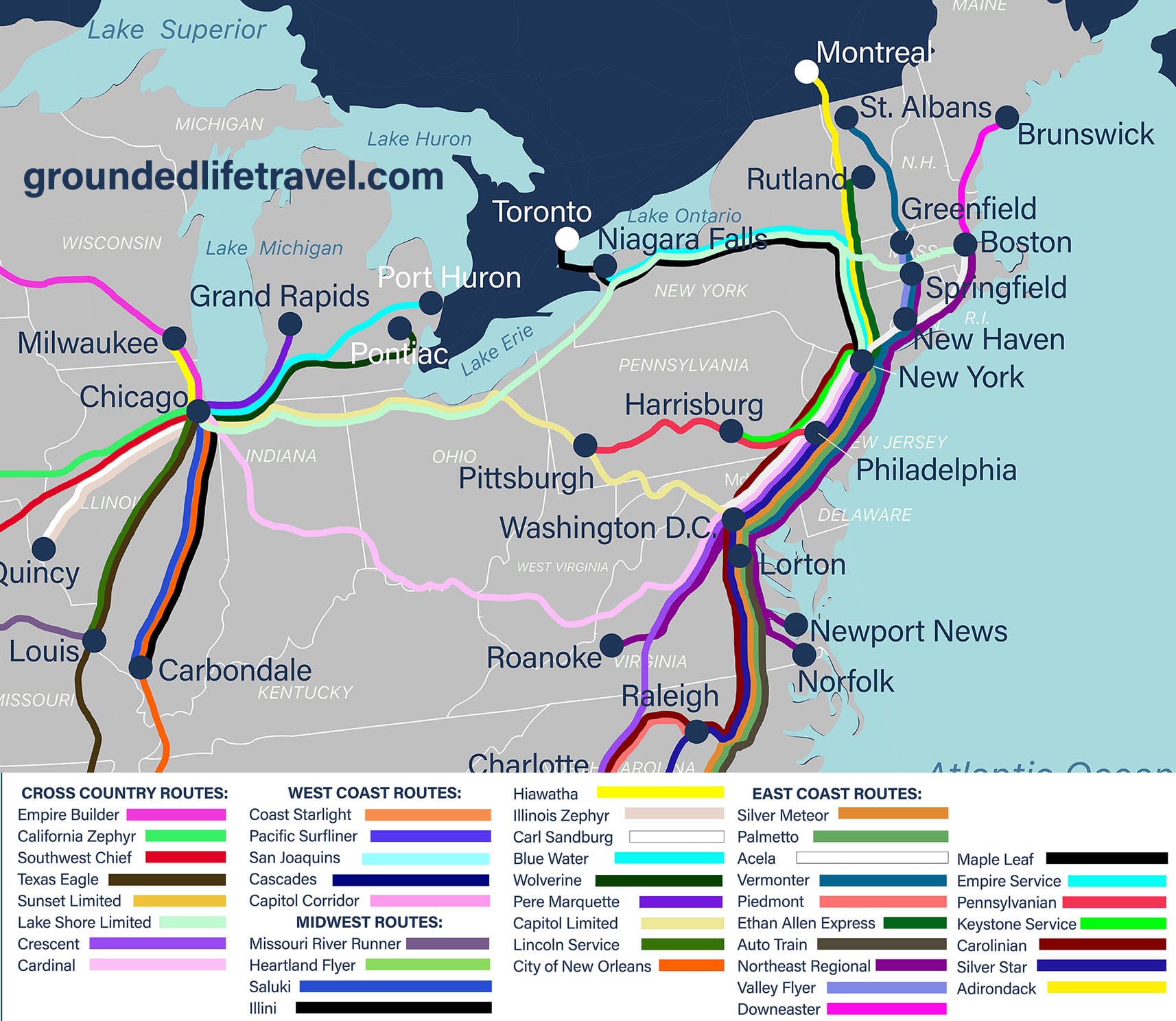
Traveling from Upstate New York, the Empire Service offers multiple daily departures from Albany-Rensselaer to New York City, with several trains extending to Syracuse, Rochester, and Buffalo. The Maple Leaf provides a daily international connection from Toronto, crossing the border at Niagara Falls before proceeding down the scenic Hudson River Valley to Manhattan.
Long-Distance Routes
New York City serves as the terminus for several iconic long-distance routes. These schedules are typically limited to one arrival and departure per day:
- The Cardinal: Connects New York with Chicago via Cincinnati and the Blue Ridge Mountains.
- The Crescent: Provides service between New Orleans and New York, passing through Atlanta and Charlotte.
- Silver Service (Silver Meteor/Silver Star): Connects New York with Miami and Orlando, serving the Atlantic coast.
- The Lake Shore Limited: Runs between Chicago and New York (with a branch to Boston), following the "Water Level Route."
Typical Travel Times to New York City (Moynihan/Penn Station)
The following table outlines estimated travel times and typical daily frequencies for major corridors leading into New York City for the 2026 service year.
| Departure City | Service Type | Average Duration | Typical Daily Frequency |
|---|---|---|---|
| Philadelphia, PA | Northeast Regional / Acela | 1h 10m – 1h 30m | 35+ Trains |
| Washington, D.C. | Acela / Northeast Regional | 2h 50m – 3h 25m | 30+ Trains |
| Boston, MA | Acela / Northeast Regional | 3h 35m – 4h 15m | 20+ Trains |
| Albany, NY | Empire Service | 2h 30m | 12+ Trains |
| Baltimore, MD | Northeast Regional / Acela | 2h 15m – 2h 45m | 30+ Trains |
| Chicago, IL | Lake Shore Limited / Cardinal | 19h – 28h | 1-2 Trains |
Understanding the 2026 Fare Structure and Booking
Amtrak updated its fare structure to simplify the booking process, focusing on flexibility and value. When checking the schedule to New York City, you will encounter two primary fare categories: Value and Flexible.
Value Fares
These are typically the lowest available prices for any given schedule. They are ideal for travelers with fixed plans. While they offer significant savings, they often come with restrictive refund policies, usually involving a percentage-based fee if canceled close to the departure date. In 2026, Value Fares remain the most popular choice for leisure travelers booking several weeks in advance.
Flexible Fares
Flexible Fares provide maximum adaptability. They allow for full refunds or changes without penalty, regardless of when the change is made. This is the preferred option for business travelers or those whose schedules are subject to change. On high-frequency routes like the Northeast Regional, having a flexible ticket allows you to jump on an earlier or later train if your meeting ends at an unexpected time.
Seat Assignments
On Acela and many long-distance routes, seat assignments are included at the time of booking. For the Northeast Regional and Empire Service, seating is generally open in Coach, though Business Class passengers can often select their seats in advance.
Navigating Moynihan Train Hall and New York Penn Station
When your train arrives in New York City, you will disembark at the Pennsylvania Station complex. As of 2026, most Amtrak passengers use the Moynihan Train Hall, located in the historic James A. Farley Building across 8th Avenue from the original Penn Station.
Facility Layout
Moynihan Train Hall is a state-of-the-art facility featuring a massive skylight, high-end dining options, and expanded waiting areas. It was designed to alleviate the congestion of the subterranean Penn Station levels.
- Ticketing and Baggage: Located on the main concourse level.
- Metropolitan Lounge: Available for First Class passengers, sleeper car guests, and high-tier Amtrak Guest Rewards members. It offers complimentary snacks, beverages, and a quiet environment.
- Accessibility: The hall is fully ADA-compliant, with elevators providing direct access to all platforms.
Connecting to Local Transit
New York City’s infrastructure allows for immediate transfer to local transit. From the train hall or the adjacent Penn Station, you can access:
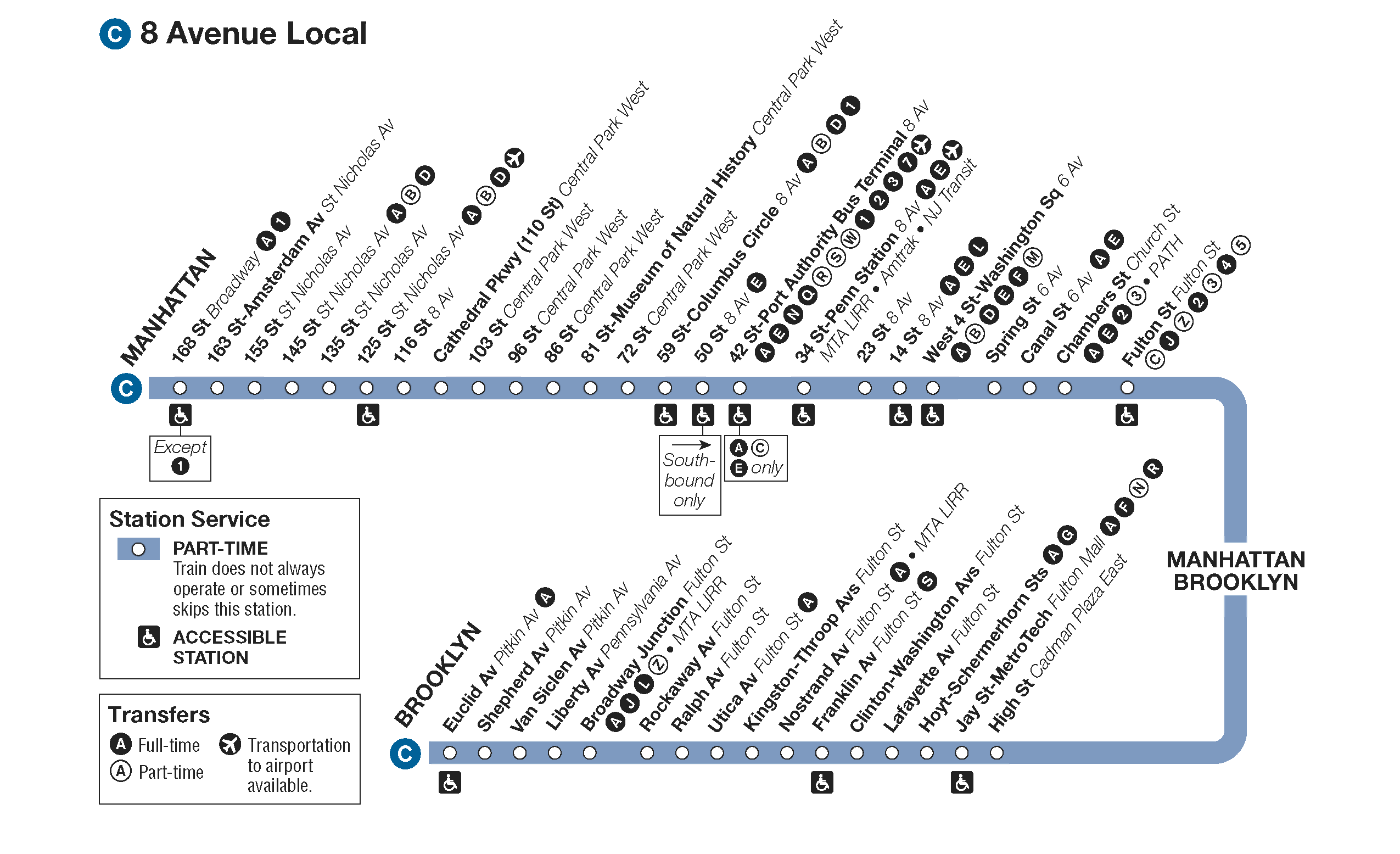
- Subway: The A, C, E, 1, 2, and 3 lines are directly accessible.
- LIRR and NJ Transit: For travel to Long Island or New Jersey.
- Madison Square Garden: Located directly above the original Penn Station structure.
Amenities and Onboard Experience
The experience of traveling to New York City by rail has evolved significantly. By 2026, Amtrak has completed several fleet refreshes to ensure modern comforts are standard across all routes.
Connectivity and Power
High-speed Wi-Fi is available on nearly all trains arriving in NYC, specifically on the Northeast Corridor and Empire Service routes. While sufficient for emailing and web browsing, heavy streaming may still be limited by cellular dead zones along the tracks. Each seat is equipped with individual power outlets (usually 120V) and USB ports to keep devices charged during the trip.
Food and Beverage
- Cafe Car: Available on most regional and short-haul routes. It serves a variety of sandwiches, salads, snacks, and beverages (including craft beer and wine).
- Traditional Dining: Available on long-distance routes like the Silver Meteor and Crescent for passengers in private sleeping rooms.
- Flexible Dining: A simplified hot meal service provided to sleeper class passengers on certain long-distance routes.
Comfort Classes
- Coach Class: Features wide, reclining seats with significant legroom—far exceeding what is typically found in airline economy classes. No middle seats exist on Amtrak trains.
- Business Class: Offers extra legroom, complimentary non-alcoholic beverages on some routes, and a dedicated car that is often quieter than Coach.
- First Class (Acela Only): Includes at-seat meal service, alcoholic beverages, and access to the Metropolitan Lounge.
- Sleeper Service: Available on long-distance trains arriving in NYC, including Roomettes and Bedrooms which provide privacy and beds for overnight travel.
Best Practices for Monitoring Your Schedule
Rail travel is subject to external factors such as weather, track maintenance, and freight interference (on non-NEC lines). To ensure you have the most accurate information for your trip to New York City:
- Download the Amtrak App: This is the most reliable way to track your train's "Live Status." It provides real-time GPS tracking and notification alerts if your train is delayed.
- Check the "Track a Train" Map: Available on the Amtrak website, this tool provides a visual representation of where your train is currently located.
- Arrive Early: While you do not need to clear security like at an airport, it is recommended to arrive at your departure station at least 30 minutes before the scheduled time. At Moynihan Train Hall, boarding gates are usually announced 15–20 minutes before departure.
- Understand Peak vs. Off-Peak: Schedules during Friday afternoons and Sunday evenings are the most crowded. If your schedule allows, traveling mid-day Tuesday or Wednesday often results in lower fares and more available seating.
Frequently Asked Questions
Which station in New York City does Amtrak use?
Amtrak primarily operates out of the Moynihan Train Hall and New York Penn Station, located in Midtown Manhattan between 7th and 8th Avenues and 31st and 33rd Streets. Both facilities are connected underground and serve the same tracks.
How far in advance can I book an Amtrak train to NYC?
Tickets are generally available for purchase up to 11 months in advance. Booking early is highly recommended, as prices tend to rise as the departure date approaches and the train reaches capacity.
Are there luggage restrictions for trains to New York?
Passengers are allowed two personal items (up to 25 lbs. each) and two carry-on bags (up to 50 lbs. each) for free. Many trains also offer checked baggage service, but you must arrive at the station at least 45 minutes before departure to check your bags.
Is there a "Quiet Car" on trains to New York City?
Yes, most Northeast Regional and Acela trains feature a designated Quiet Car where the use of cellular phones is prohibited and passengers are asked to speak in subdued tones. This is ideal for those wishing to work or sleep during the commute.
Can I bring a pet on the train to NYC?
Amtrak allows small cats and dogs (up to 20 pounds including the carrier) on many routes for a fee. However, pet reservations are limited per train and must be booked in advance. Pets are not allowed on long-distance routes exceeding seven hours in duration.
What should I do if my train to NYC is delayed?
If your train is significantly delayed, Amtrak may offer vouchers or refunds depending on the circumstances. You can monitor delay status via the Amtrak app or by speaking with a station agent at the customer service desk in Moynihan Train Hall.
Summary of Recommendations
For the most efficient travel to New York City in 2026, prioritize the Acela or Northeast Regional if you are traveling within the Northeast. Use the official Amtrak mobile app to monitor your specific train schedule and gate assignments in real-time. If you are seeking the lowest fares, aim to book at least three to four weeks in advance to secure Value pricing. Finally, ensure you arrive at Moynihan Train Hall rather than the old Penn Station concourses for a more comfortable and modern boarding experience.