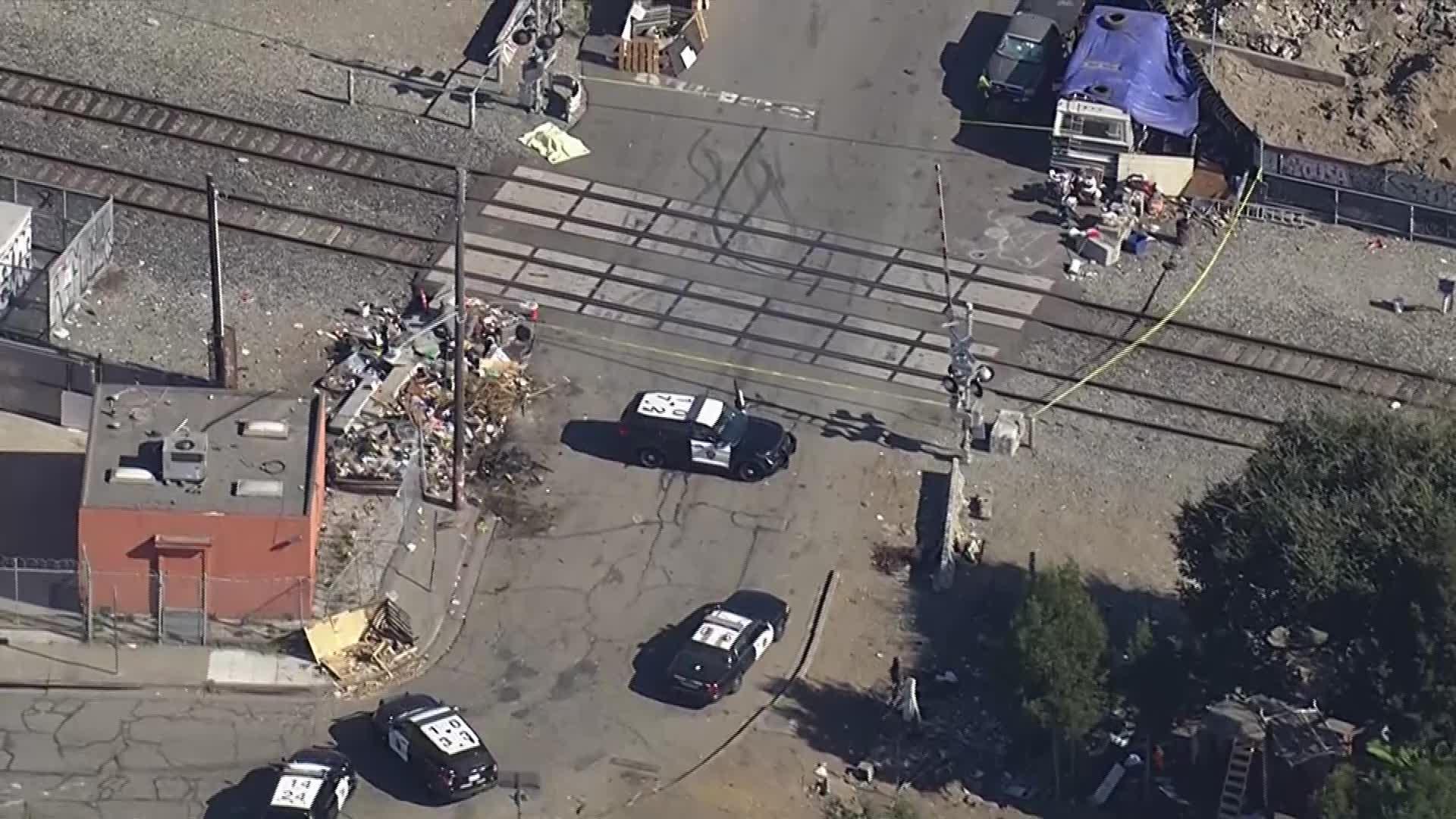
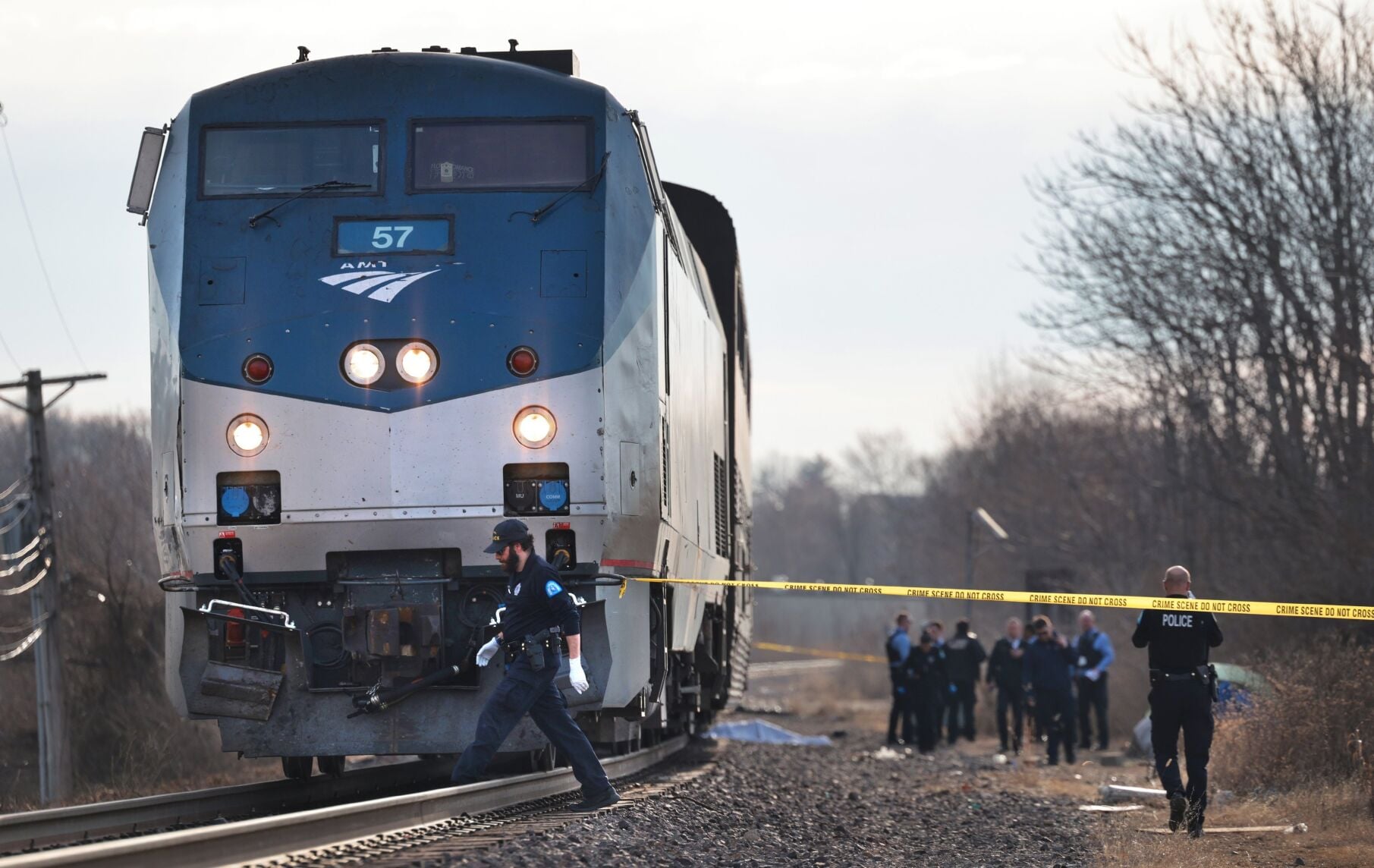
The 2021 derailment of Amtrak’s Empire Builder in Joplin, Montana, which resulted in three fatalities, serves as a critical case study in rail safety. Investigations by the NTSB identified track wear and lack of automated inspection technology as primary causes, highlighting the complex relationship between passenger operators and freight track owners.
In the history of American rail travel, the phrase "Amtrak kills 3" has surfaced in several tragic contexts, most notably the 2021 Empire Builder derailment in Montana and the 2017 Cascades derailment in Washington. While these incidents are separated by geography and time, they share a common thread: the intersection of human error, aging infrastructure, and the technical limitations of rail safety technology. As of 2026, the rail industry continues to grapple with the lessons learned from these specific events, using them to drive the implementation of more robust safety protocols and infrastructure investments.
To understand the depth of these tragedies, one must look beyond the headlines and examine the technical, regulatory, and operational failures that contribute to fatal outcomes on the tracks.
The Joplin, Montana Derailment: A Technical Post-Mortem
On September 25, 2021, Amtrak Train 7, the westbound Empire Builder, was traveling through a remote section of Montana near Joplin when eight of its ten cars derailed. Among the 149 passengers and 16 crew members, three individuals lost their lives, and dozens more were injured. This incident remains one of the most scrutinized Amtrak accidents of the 21st century due to what it revealed about track maintenance.
The Role of Track Geometry and Maintenance
The National Transportation Safety Board (NTSB) investigation into the Joplin crash focused heavily on the condition of the tracks, which were owned and maintained by BNSF Railway. The investigation revealed that a "track misalignment" was the primary cause of the derailment.
Technically referred to as a "sun kink" or lateral track shift, these misalignments often occur when extreme temperature fluctuations cause the continuous welded rail (CWR) to expand and push against the ballast. In the case of Joplin, the NTSB found that BNSF had failed to identify and remediate deteriorating track conditions. Specifically, the ballast—the crushed stone that stabilizes the rails—was fouled with dirt and debris, which prevented proper drainage and weakened the track's structural integrity.
Equipment Vulnerability: The Superliner Factor
The Empire Builder utilized Superliner rail cars, which are double-decker coaches known for their capacity and scenic views. However, the Joplin incident raised questions about the "crashworthiness" of these aging cars. When the train derailed at approximately 75 mph (just under the 79 mph speed limit), several cars tipped onto their sides. The fatalities occurred when passengers were either ejected from the windows or crushed by shifting interior components. In the years following, the Federal Railroad Administration (FRA) has pushed for updated standards regarding window retention and interior securement to mitigate such risks in future accidents.
The 2017 DuPont Derailment: A Failure of Technology
Another significant "Amtrak kills 3" event occurred on December 18, 2017, in DuPont, Washington. This incident involved the inaugural run of a new high-speed bypass route. As the train entered a sharp curve designed for 30 mph at a speed of 80 mph, it flew off the tracks and onto Interstate 5 below.
The Absence of Positive Train Control (PTC)
The primary finding in the DuPont disaster was the absence of an active Positive Train Control (PTC) system. PTC is a sophisticated technology designed to automatically slow or stop a train if it is traveling too fast or entering a restricted zone. Despite federal mandates requiring PTC, the system was not operational on that specific segment of the Cascades route at the time of the crash.
The NTSB’s final report was a scathing indictment of Sound Transit (the track owner), the Washington State Department of Transportation, and Amtrak. The report cited a "systemic failure" to provide adequate training to the engineer and a failure to implement the very safety technologies that were created to prevent over-speed derailments.
Comparing the High-Profile Three-Fatality Incidents
While both the 2021 Joplin and 2017 DuPont incidents resulted in three deaths, the technical failures were distinct. Comparing these events allows safety experts to identify different "failure modes" within the national rail network.
| Feature | Joplin, MT (2021) | DuPont, WA (2017) |
|---|---|---|
| Train Name | Empire Builder (Train 7) | Amtrak Cascades (Train 501) |
| Track Owner | BNSF Railway | Sound Transit |
| Primary Cause | Track Misalignment/Maintenance | Over-speed on Curve/Human Error |
| Speed at Incident | 75 mph (within limit) | 80 mph (limit was 30 mph) |
| Critical Technology | Automated Track Inspection | Positive Train Control (PTC) |
| Key Safety Lesson | Ballast and drainage integrity | Training and PTC implementation |
| Casualties | 3 Dead, 44 Injured | 3 Dead, 65 Injured |
The Regulatory Response: Federal Oversight in 2026
By 2026, the regulatory landscape for Amtrak and its freight partners has shifted significantly in response to these tragedies. The Infrastructure Investment and Jobs Act (IIJA) provided billions of dollars specifically targeted at rail safety and the modernization of the Northeast Corridor and long-distance routes.
Enhanced Track Inspection Requirements
Following the Joplin investigation, the FRA implemented stricter rules regarding "automated track inspection" (ATI). Unlike traditional visual inspections conducted by workers in hi-rail vehicles, ATI uses lasers and sensors mounted on trains to detect microscopic track defects before they lead to a derailment. In 2026, many of the major Class I railroads have integrated ATI into their daily operations, providing a continuous stream of data to maintenance crews.
The Full Integration of PTC
While the 2017 DuPont crash was a catalyst for the nationwide rollout of PTC, the system is now fully operational across all required Amtrak routes. This technology acts as a digital "safety net," effectively eliminating the possibility of accidents caused solely by engineer distraction or excessive speed. However, as 2026 data shows, PTC cannot prevent accidents caused by track failure or external factors like vehicles on the tracks, which is why infrastructure maintenance remains the top priority.
Operational Challenges: The Amtrak vs. Freight Conflict
One of the most persistent issues in rail safety is the "tenant-landlord" relationship. Amtrak operates nearly 97% of its route miles on tracks owned by private freight railroads like BNSF, Union Pacific, and CSX. This creates a friction point regarding maintenance standards.
Amtrak’s safety is often at the mercy of the freight railroad’s maintenance budget. If a freight company allows its tracks to deteriorate to a "Class 4" or "Class 3" status to save money, it directly impacts the safety of the passenger trains running at higher speeds on those same rails. The NTSB has recommended that the FRA take a more aggressive role in auditing freight-owned tracks that carry high volumes of passenger traffic.
Passenger Safety and Survival Factors
When an "Amtrak kills 3" headline appears, the focus often turns to what passengers can do to ensure their own safety. While rail travel remains statistically much safer than driving a car, specific survival factors have been identified in the Joplin and DuPont investigations.
- Seatbelt Usage (The Lack Thereof): Most Amtrak cars do not have seatbelts. While this allows for comfort, it increases the risk of "secondary impact" injuries during a derailment.
- Emergency Egress: In both the Joplin and DuPont incidents, passengers struggled to exit overturned cars. The 2026 standards for new rail equipment (such as the Siemens Venture cars) include simplified emergency latches and clearer signage.
- Upper vs. Lower Level: In the Joplin crash, fatalities occurred on the upper level of the Superliner cars. Safety experts note that the lower center of gravity on single-level cars or the lower level of double-deckers may offer a marginal safety advantage during a rollover.
Frequently Asked Questions
Why is 3 deaths a recurring number in Amtrak derailments?
The number 3 in these specific incidents is largely coincidental but highlights the "localized" nature of many derailments. In both Joplin and DuPont, the fatalities occurred in the specific cars that took the brunt of the impact or rollover. Because Amtrak trains are relatively long and designed with heavy steel frames, most passengers in the non-impacted cars survive, which often keeps the death toll lower than in catastrophic aviation accidents.
Is Positive Train Control (PTC) active on all Amtrak routes in 2026?
Yes, as of 2026, PTC is fully implemented on all required Amtrak routes. This includes the entire Northeast Corridor and the vast majority of long-distance routes where Amtrak shares tracks with freight railroads. It has significantly reduced the risk of collisions and over-speed derailments.
Who is legally liable when an Amtrak crash occurs on freight-owned tracks?
Liability is complex and governed by "indemnification agreements" between Amtrak and the freight railroads. Generally, if the crash is caused by track failure, the freight company may be held responsible. If it is caused by the train's operation, Amtrak assumes liability. In the Joplin case, BNSF faced significant legal challenges due to the NTSB's findings on track maintenance.
How has the Infrastructure Act improved Amtrak safety by 2026?
The 2021 Infrastructure Investment and Jobs Act (IIJA) provided approximately $66 billion for rail. By 2026, this funding has been used to replace century-old bridges, upgrade signaling systems, and purchase new "Airo" and "Venture" trainsets that meet the latest crashworthiness standards, replacing the older equipment involved in past fatal accidents.
What should I do if my Amtrak train derails?
Passengers are advised to stay low and hold onto a fixed object if they feel the train vibrating violently. Once the train stops, identify the nearest "Emergency Exit" window. Do not attempt to gather luggage. If the car is overturned, wait for instructions from the crew if possible, but move toward light and exits immediately if there is a smell of smoke or leaking fluids.
Future Outlook: Zero-Fatality Goals
The goal for Amtrak and the FRA is "Vision Zero"—a future where no lives are lost on the rails. Reaching this goal requires more than just technology; it requires a culture of safety where maintenance is never deferred and human error is mitigated by redundant systems.
For those analyzing the "Amtrak kills 3" events, the takeaway is clear: safety is a continuous process of learning from tragedy. The deaths in Joplin and DuPont were not just statistics; they were catalysts for the most significant safety overhaul in the history of American rail. As we move through 2026, the focus remains on ensuring that the infrastructure beneath the wheels is as advanced as the technology inside the locomotive.
Practical Next Action: Passengers concerned about rail safety should check the FRA's Safety Map for recent inspection data on specific routes and review Amtrak’s updated safety guidelines before traveling.