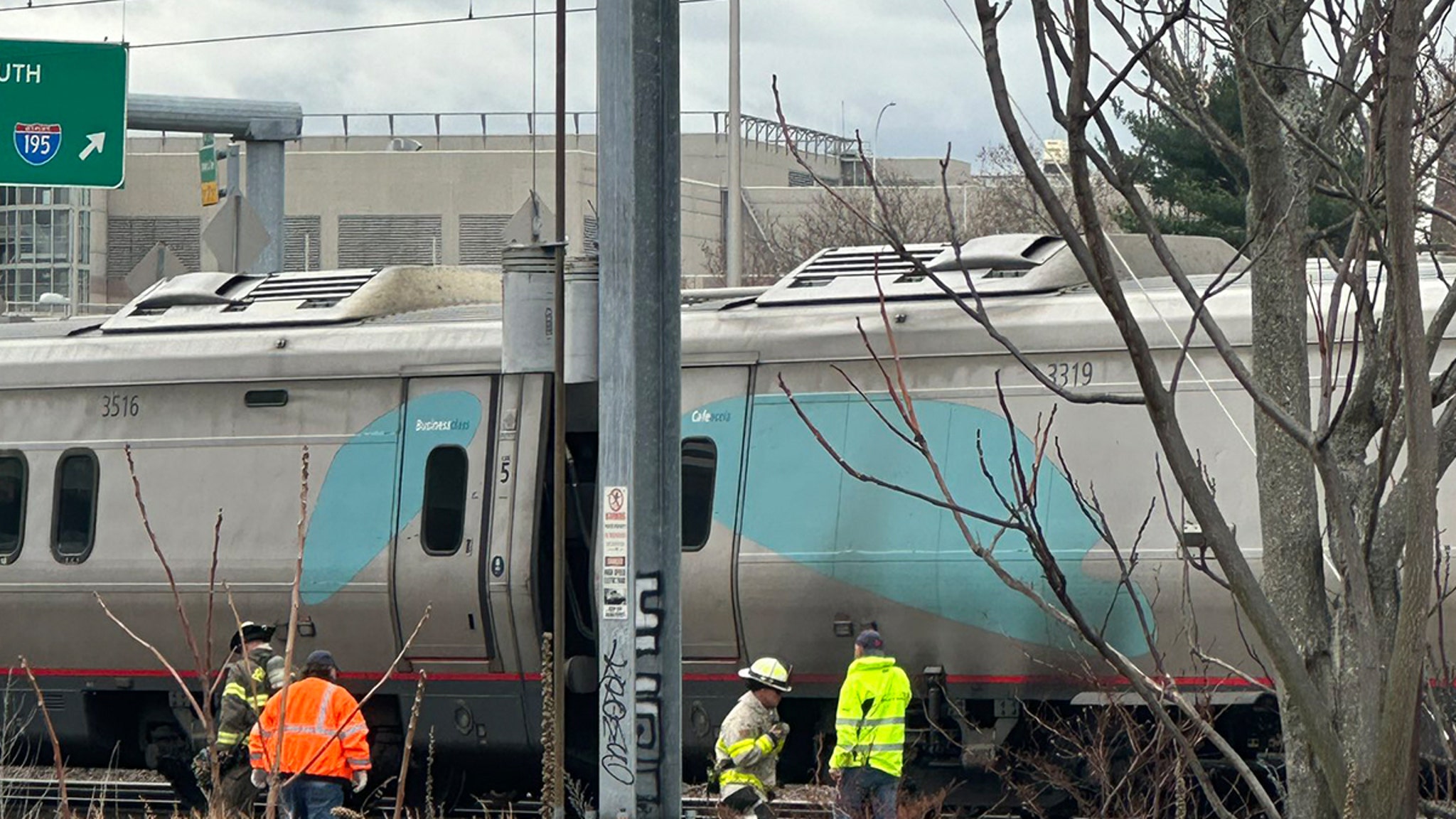
An Amtrak train death incident triggers a complex sequence of federal investigations, emergency response protocols, and legal proceedings. From immediate site stabilization by first responders to long-term safety mandates from the NTSB, the aftermath involves determining liability, addressing victim compensation, and implementing infrastructure reforms to prevent future tragedies.
Understanding the Landscape of Amtrak Fatalities
Amtrak, the National Railroad Passenger Corporation, operates a vast network across the United States. While rail travel remains one of the safest modes of transportation, fatal incidents occur through various circumstances. In the year 2026, data trends continue to show that while major derailments capture national headlines, the majority of fatalities involving Amtrak equipment are categorized as trespasser incidents or grade-crossing collisions.
To understand the overview and aftermath of these events, it is necessary to categorize the nature of the incident. Passenger fatalities resulting from equipment failure or operator error—such as the high-profile derailments in Philadelphia (2015) or DuPont, Washington (2017)—differ significantly in their legal and investigative aftermath from "right-of-way" incidents involving pedestrians.
Derailments and High-Impact Collisions
These are the most catastrophic and complex incidents. They typically involve high speeds, multiple casualties, and significant infrastructure damage. The aftermath involves a massive multi-agency response and often results in sweeping changes to federal rail policy, such as the accelerated implementation of Positive Train Control (PTC) technology.
Grade-Crossing Accidents
These occur where the rail line intersects with public or private roads. Despite advanced signaling and gate systems, collisions with motor vehicles remain a persistent cause of death. The aftermath here often focuses on signal maintenance records and the "whistle-blowing" protocols of the locomotive engineer.
Trespasser Incidents
The most frequent cause of Amtrak-related deaths involves individuals walking on or near tracks in unauthorized areas. These incidents are tragic and present unique challenges for train crews, who often suffer significant psychological trauma. The aftermath is usually handled by local law enforcement and Amtrak’s internal police department, focusing on suicide prevention or local fencing improvements.
Immediate Emergency Response and Site Management
The first several hours following an Amtrak death incident are critical for life-saving measures and evidence preservation. Amtrak’s incident response team works in conjunction with local fire, EMS, and police departments.
The Unified Command Structure
In any major incident, a Unified Command is established. Local authorities typically lead the immediate rescue and recovery efforts, while Amtrak officials provide technical assistance regarding high-voltage lines (in the Northeast Corridor) and manifest data. The primary goal is to account for all passengers and crew members using the electronic manifest system.
The Family Assistance Center
Following a fatal incident, Amtrak is required under federal law—specifically the Rail Passenger Disaster Family Assistance Act of 2008—to establish a Family Assistance Center (FAC). This center serves as a hub for:
- Providing updates to families of the deceased and injured.
- Coordinating travel and lodging for relatives.
- Managing the return of personal effects recovered from the site.
- Offering mental health resources and grief counseling.
The aftermath for families begins here, where the transition from emergency response to victim advocacy takes place. Amtrak must coordinate with the National Transportation Safety Board (NTSB) to ensure that the dissemination of information does not compromise the integrity of the ongoing investigation.
Federal Investigation Protocols: NTSB and FRA
The National Transportation Safety Board (NTSB) is the lead agency for investigating the "why" behind any major rail accident. Their involvement defines the middle phase of the aftermath, often lasting 12 to 24 months.
The NTSB "Go Team"
Within hours of a fatal derailment, an NTSB "Go Team" arrives. This group of specialists examines track geometry, mechanical components, signal systems, and human performance. They utilize the "Party Process," allowing organizations like Amtrak, the Brotherhood of Locomotive Engineers and Trainmen (BLET), and the Federal Railroad Administration (FRA) to participate in the fact-finding process.
Data Recovery and Analysis
Modern Amtrak locomotives are equipped with Event Data Recorders (EDRs) and inward- and outward-facing cameras. The "black box" analysis is a pivotal moment in the aftermath. It reveals:
- Train Speed: Whether the train was exceeding the civil speed limit for a specific curve or bridge.
- Braking Application: When and how the emergency brakes were applied.
- Communication: Audio recordings of the crew's interactions leading up to the impact.
- Signal Compliance: Whether the train was operating in accordance with wayside signals.
The Role of the Federal Railroad Administration (FRA)
While the NTSB makes safety recommendations, the FRA is the regulatory body that enforces them. In the aftermath of a death incident, the FRA may issue "Emergency Orders" that mandate immediate inspections of similar equipment or tracks across the entire national network.
The Legal Landscape: Liability and Compensation
The legal aftermath of an Amtrak death incident is governed by a specific set of federal statutes. Because Amtrak is a quasi-governmental entity (a corporation where the federal government owns the majority of stock), the rules for litigation differ from standard personal injury law.
Federal Statutory Caps on Damages
One of the most significant aspects of the legal aftermath is the cap on aggregate damages. Originally established by the Amtrak Reform and Accountability Act of 1997, the cap was set at $200 million per incident. Following the 2015 Philadelphia derailment, Congress adjusted this cap for inflation. As of 2026, the liability limit stands at approximately $322.9 million, though it is subject to periodic adjustments.
This cap means that if a single accident results in dozens of deaths and hundreds of injuries, the total payout for all claims combined cannot exceed this amount. This often leads to a "settlement program" where a court-appointed special master allocates funds based on the severity of each victim's losses.
Determining Negligence
In the aftermath, legal teams focus on several key areas to prove negligence:
- Vicarious Liability: Holding Amtrak responsible for the actions of its employees (e.g., an engineer distracted by a mobile device).
- Inadequate Maintenance: Proving that the tracks or the rolling stock (cars and locomotives) were not maintained according to FRA standards.
- Failure to Implement Safety Tech: Historically, many lawsuits focused on Amtrak’s delay in implementing Positive Train Control (PTC) in certain territories.
Wrongful Death Claims
For families of the deceased, wrongful death claims seek to recover funeral expenses, loss of future income, and loss of companionship. In cases involving "gross negligence," punitive damages may be sought, though they are often difficult to secure against Amtrak due to its unique legal status.
Comparison of Major Amtrak Incident Types and Aftermaths
The following table outlines the differences in how different fatal incidents are analyzed and resolved.
| Incident Type | Primary Lead Agency | Key Evidence Focus | Typical Aftermath Outcome |
|---|---|---|---|
| Major Derailment | NTSB | Track geometry, EDR data, PTC status | Federal safety mandates, multi-million dollar settlements. |
| Grade-Crossing | Local Police / FRA | Signal timing, gate function, horn logs | Local infrastructure upgrades (bridges/underpasses). |
| Trespasser Strike | Amtrak Police | Sightlines, trespassing history, crew statements | Mental health support for crew, "Operation Lifesaver" campaigns. |
| Equipment Fire | NTSB / Fire Marshal | Electrical systems, fire suppression logs | Fleet-wide mechanical recalls or modifications. |
Operational and Safety Reforms Post-Incident
The ultimate goal of the aftermath is the prevention of recurrence. Historically, Amtrak fatalities have been the primary catalyst for the modernization of American rail safety.
Positive Train Control (PTC)
PTC is a GPS-based system designed to prevent train-to-train collisions, over-speed derailments, and movements through misaligned switches. In the aftermath of incidents where excessive speed was the cause, the focus invariably turns to the functionality of PTC. By 2026, the focus has shifted from initial installation to "interoperability"—ensuring that Amtrak locomotives can communicate with the tracks of "host railroads" (like freight companies BNSF or Union Pacific).
Crew Training and Fatigue Management
The aftermath often reveals issues with "alerters" or crew fatigue. Amtrak has implemented stricter "hours of service" regulations and installed inward-facing cameras to monitor for distracted driving. These reforms are often the direct result of NTSB recommendations following fatal accidents where human error was cited as a contributing factor.
Infrastructure Hardening
In areas prone to trespasser fatalities, the aftermath often involves "hardening" the right-of-way. This includes the installation of anti-climb fencing, motion-sensing cameras, and increased patrols by Amtrak Police. For grade crossings, "quiet zones" are often re-evaluated to determine if the lack of a horn contributed to the fatality.
The Human Toll and Psychological Aftermath
Beyond the statistics and legal filings, the human aftermath of a train death is profound. This affects three primary groups:
- Victims' Families: They face a long road of grief and often years of litigation before reaching a sense of closure.
- Surviving Passengers: Many suffer from Post-Traumatic Stress Disorder (PTSD), making future rail or public transit travel difficult.
- Train Crews: Locomotive engineers and conductors are often the "first" first-responders. Amtrak provides "Critical Incident Stress Debriefing" (CISD) to help employees process the trauma of an unavoidable strike or a catastrophic derailment.
The psychological aftermath is increasingly recognized in the industry, leading to better support systems and peer-to-peer counseling programs within Amtrak’s corporate structure.
Summary of Next Actions for Involved Parties
If you or a loved one are affected by an Amtrak train death incident, the following steps are generally recommended in the immediate aftermath:
- Secure Legal Representation: Because of the $322.9 million federal liability cap, it is vital to consult with a firm specializing in FELA (Federal Employers Liability Act) or general railroad litigation early.
- Preserve Evidence: Document all communications with Amtrak representatives and keep records of all medical or funeral expenses.
- Monitor NTSB Reports: The NTSB typically issues a "Preliminary Report" within 30 days of an incident and a "Final Report" with a probable cause within 12–24 months. These reports are public and provide the factual basis for most claims.
- Contact the Family Assistance Center: Utilize the resources provided under the Rail Passenger Disaster Family Assistance Act for immediate logistical needs.
Frequently Asked Questions
What is the current federal liability cap for Amtrak accidents in 2026?
As of 2026, the aggregate liability cap for a single passenger rail accident is approximately $322.9 million. This figure is adjusted periodically for inflation based on the Consumer Price Index. The cap covers all claims for both wrongful death and personal injury arising from a single event.
Can Amtrak be sued for a trespasser death?
Suing Amtrak for a trespasser death is significantly more difficult than for a passenger death. In most jurisdictions, railroads owe a limited duty of care to adult trespassers, primarily to avoid "willful or wanton" harm. However, if the incident involved a child or a known "frequent" crossing point that lacked proper fencing, a case for negligence might be made.
How long does an NTSB investigation into a train death take?
While a preliminary report is usually issued within weeks, a full investigation into an Amtrak fatality typically takes between 12 and 24 months. The board must analyze mechanical parts, conduct interviews, and recreate the physics of the crash before issuing a final report on the probable cause.
What is the role of Positive Train Control (PTC) in these incidents?
PTC is designed to automatically slow or stop a train if it detects an unsafe condition, such as excessive speed or a red signal. If a death occurs due to an over-speed derailment in an area where PTC was supposed to be active, it usually points to either a system failure or a gap in the technology's implementation, which becomes a central point of the aftermath investigation.
Does Amtrak provide compensation for psychological trauma?
Yes, passengers who witness a fatal incident or are involved in a derailment may be eligible for compensation for emotional distress and PTSD. This is typically handled through the same settlement pool as physical injuries. Employees are covered under FELA, which allows them to sue for workplace-related emotional trauma.