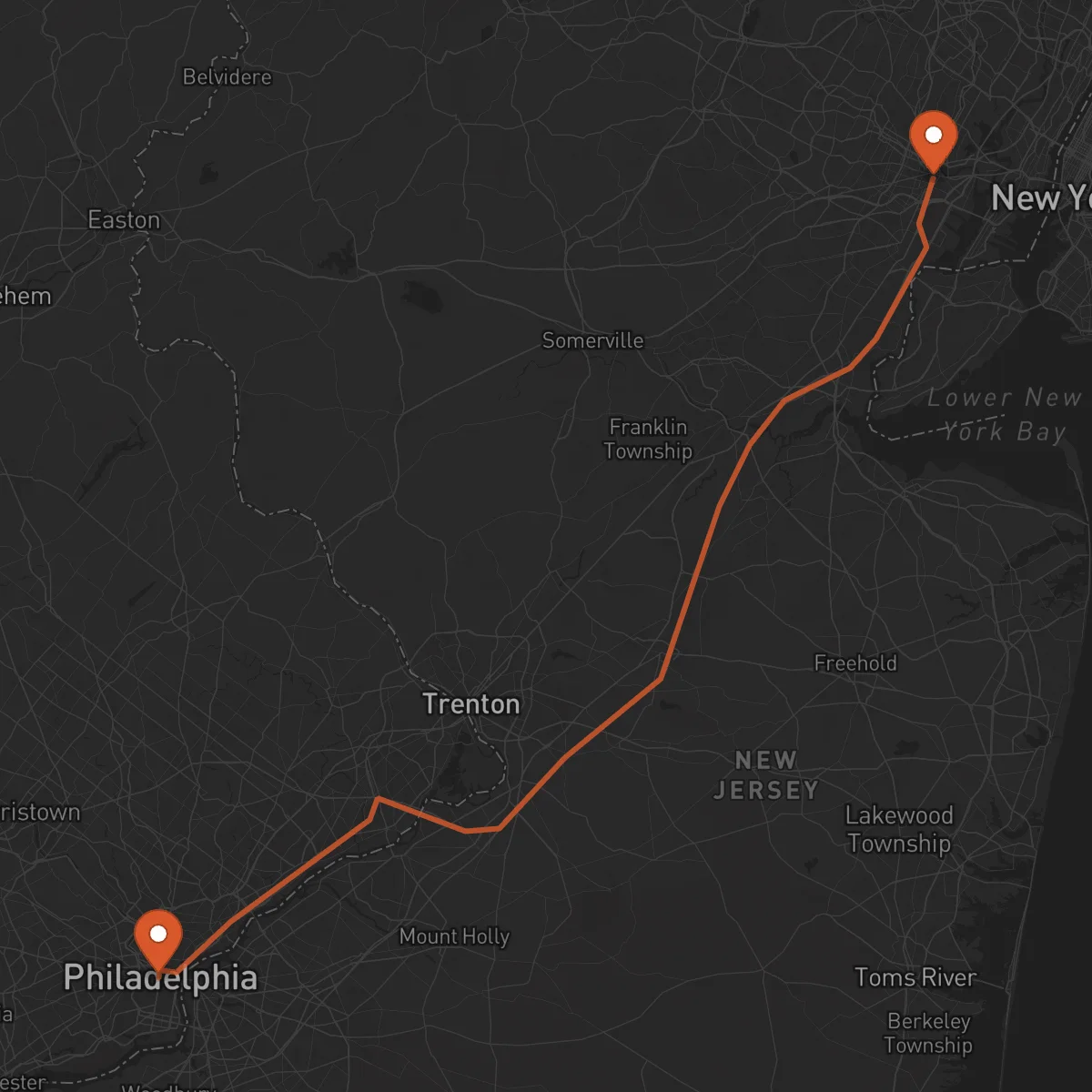
Taking an Amtrak train from Philadelphia to Newark is one of the most efficient ways to travel within the Northeast Corridor, offering a journey time of approximately 45 to 70 minutes. With frequent daily departures from Philadelphia's 30th Street Station to both Newark Penn Station and Newark Liberty International Airport, passengers can choose between high-speed Acela services or the cost-effective Northeast Regional and Keystone lines.
Overview of the Philadelphia to Newark Rail Corridor
The rail link between Philadelphia and Newark represents a critical segment of Amtrak’s Northeast Corridor (NEC), the busiest passenger rail line in the United States. In 2026, this route continues to serve as a primary artery for business travelers, daily commuters, and international flyers heading to the airport.
The journey covers approximately 80 miles of track, passing through the historic industrial heartlands of Pennsylvania and New Jersey. Because this route is fully electrified, Amtrak can maintain high speeds that often outpace Interstate 95 traffic, especially during peak morning and evening rush hours. The reliability of this corridor has been further bolstered by the ongoing Gateway Program infrastructure improvements, which have focused on bridge and tunnel renewals throughout the New Jersey stretch of the line.
Distinguishing Between Newark Destinations
When booking a trip to "Newark," it is vital to distinguish between the two primary Amtrak stops in the city:
- Newark Penn Station (NWK): Located in the heart of downtown Newark. This is the primary stop for those visiting the Prudential Center, Rutgers University-Newark, or transferring to the PATH train for access to Jersey City and Lower Manhattan.
- Newark Liberty International Airport (EWR): This station is dedicated to airport transfers. It is not located within the airport terminals themselves; instead, passengers transfer to the AirTrain Newark monorail system to reach their specific terminal.
Selecting Your Amtrak Service Type
Amtrak operates several distinct service brands on the Philadelphia to Newark route. Your choice will depend on your budget, your need for speed, and the level of onboard amenities you require.
Northeast Regional
The Northeast Regional is the workhorse of the corridor. It offers the highest frequency of departures and the most competitive pricing. These trains feature "Coach" and "Business Class" seating. By 2026, many of these sets have been refreshed with improved Wi-Fi and updated seating materials. The Regional is ideal for budget-conscious travelers who do not mind a few extra stops in places like Trenton or Metropark.
Acela
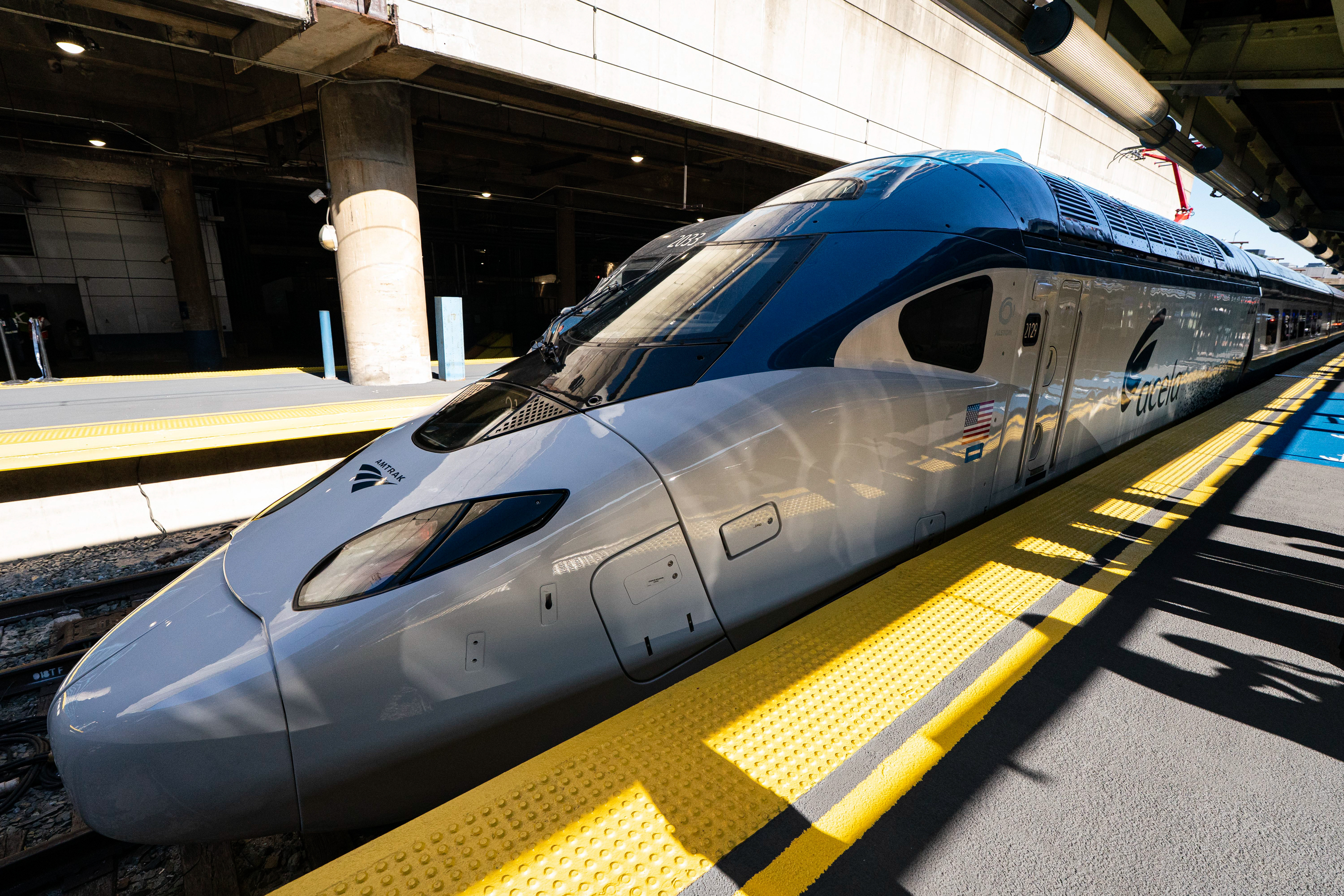
As Amtrak’s flagship high-speed service, the Acela is designed for the premium traveler. In 2026, the fleet is primarily composed of the Avelia Liberty trainsets, which offer enhanced tilt technology allowing for higher speeds through curves. Acela trains only offer Business and First Class seating—there is no standard Coach. Travelers choose Acela for the fastest transit times (often under 50 minutes) and the high-end amenities, including at-seat meal service in First Class.
Keystone Service
The Keystone Service primarily runs between Harrisburg and New York City via Philadelphia. For the Philadelphia to Newark leg, it functions similarly to the Northeast Regional but often lacks a Cafe Car. However, it is a reliable and frequent option for those traveling during mid-day or late-night windows.
Long-Distance Trains
Several long-distance routes, such as the Silver Meteor, Palmetto, and Crescent, stop at both Philadelphia and Newark Penn Station. While these can be used for this short hop, they are often more prone to delays because they originate in distant locations like Miami or New Orleans. They are generally recommended only if the timing perfectly aligns with your schedule or if Regional/Acela services are sold out.
Station Logistics: Philadelphia 30th Street (PHL)
William H. Gray III 30th Street Station is one of the grandest rail hubs in the world. As the departure point for your journey, navigating it efficiently is key to a stress-free trip.
Arrival and Boarding
Travelers should aim to arrive at the station at least 20 to 30 minutes before departure. Unlike airports, there is no TSA-style security checkpoint for every passenger, though Amtrak Police and K-9 units frequently patrol the concourse.
Boarding gates are located in the main concourse. Large digital boards list the train number, destination, and status. For the Philadelphia to Newark route, you will typically look for trains destined for New York Penn Station or Boston South Station. Once the gate is announced, passengers queue at the designated stairway.
Amenities at 30th Street
- Metropolitan Lounge: If you are traveling in Acela First Class or have a high-tier Amtrak Guest Rewards membership, you can access this private lounge for complimentary snacks, beverages, and quiet workspaces.
- Dining: The station features a food court with options ranging from local favorites like Philly cheesesteaks to national chains.
- Transit Connections: The station is seamlessly connected to SEPTA Regional Rail, the Market-Frankford Line (Subway), and various trolley lines, making it accessible from anywhere in the Greater Philadelphia area.
Station Logistics: Newark Destinations
Newark Penn Station (NWK)
Newark Penn is a historic Art Deco building and a major multi-modal hub. Upon arrival, you are steps away from:
- NJ Transit: For local trains to the Jersey Shore or suburban New Jersey.
- PATH: A 24/7 rapid transit link to Jersey City and the World Trade Center in Manhattan.
- Newark Light Rail: Accessing the northern and western parts of the city.
Newark Liberty International Airport (EWR)
If your ticket is for the airport station, you will disembark at a modern elevated platform. After exiting the Amtrak train, you must follow signs for the AirTrain.
- AirTrain Access: Your Amtrak ticket to EWR typically includes the AirTrain fee. Keep your ticket handy, as you may need to scan it at the turnstiles to enter the monorail system.
- Transit Time to Terminals: Allow an additional 15–20 minutes to travel from the Amtrak platform to your specific airline terminal via the AirTrain.
Comparison of Amtrak Services (2026)
| Feature | Northeast Regional | Acela | Keystone Service |
|---|---|---|---|
| Typical Travel Time | 55–65 Minutes | 45–50 Minutes | 60 Minutes |
| Seating Classes | Coach, Business | Business, First | Coach (Reserved) |
| Wi-Fi | Standard (Complimentary) | High-Speed (Complimentary) | Standard (Complimentary) |
| Quiet Car | Yes | Yes | No (Usually) |
| Cafe Car | Yes (Food & Alcohol) | Yes (Premium Cafe) | No |
| Starting Price (Value) | ~$10 - $25 | ~$60 - $90 | ~$10 - $20 |
Pricing and Ticket Strategies
Amtrak’s pricing model is dynamic, similar to airline pricing. In 2026, the fare structure remains divided into Flex and Value categories.
- Book Early for Value Fares: The best prices for the Philadelphia to Newark route are found when booking at least 14 to 21 days in advance. Value fares are significantly cheaper but come with more restrictive cancellation policies.
- Night Owl Fares: Amtrak often offers deeply discounted fares (sometimes as low as $5–$10) for trains departing between 7:00 PM and 5:00 AM. This is an excellent option for those with flexible schedules.
- The Amtrak App: Using the mobile app is the most efficient way to manage your ticket. You can check real-time gate assignments and receive push notifications regarding any delays.
- Multi-Ride Passes: For those commuting frequently between Philadelphia and Newark, Amtrak offers 10-ride and monthly passes that provide a significant per-trip discount compared to individual tickets.
Onboard Amenities and Experience
The experience of riding Amtrak in the Northeast Corridor is characterized by space and connectivity. Unlike regional airlines or buses, Amtrak offers generous legroom even in standard Coach.
- Seating: All seats on the Northeast Regional and Acela feature fold-down trays, adjustable footrests, and individual power outlets.
- Connectivity: While Wi-Fi is complimentary, the signal can occasionally be spotty in the industrial corridors between Trenton and Newark. For 2026, Amtrak has upgraded many of its wayside antennas to provide more consistent 5G-integrated service.
- The Quiet Car: Available on most Northeast Regional and Acela departures, the Quiet Car is a favorite for business travelers. In this car, loud conversations and phone calls are prohibited, providing a library-like atmosphere for work or rest.
- Luggage: Amtrak has a generous luggage policy. You can bring two carry-on bags and two personal items for free. Overhead racks are large enough for full-sized suitcases, and end-of-car luggage racks are available for heavier items.
Troubleshooting and Travel Tips
Dealing with Delays
While the Northeast Corridor is the most reliable part of the Amtrak network, delays can happen due to overhead wire issues or congestion.
- Track Your Train: Use the "Train Status" feature on Amtrak's website or app to see exactly where your train is located.
- Customer Service: If a significant delay occurs, Amtrak's 30th Street Station has dedicated customer service desks to assist with rebooking.
Baggage Assistance
If you are traveling with heavy luggage, look for Red Cap service at 30th Street Station. Red Caps are official Amtrak employees who can help transport your bags to the train and often provide early boarding via the station elevator. This service is free, though tipping is customary and appreciated.
Accessibility
Both 30th Street Station and Newark Penn Station are fully ADA-compliant. Amtrak provides ramp or level boarding for passengers with mobility devices. It is recommended to indicate your need for assistance when booking your ticket to ensure the crew is prepared to assist with boarding.
Frequently Asked Questions
Is the Amtrak train from Philadelphia to Newark faster than driving?
In almost all cases, yes. While the drive can take anywhere from 90 minutes to over two hours depending on I-95 and New Jersey Turnpike traffic, the Acela takes roughly 45–50 minutes. When you factor in the time saved by not having to find parking in downtown Newark or at the airport, the train is the significantly faster option.
Can I use my Amtrak ticket on NJ Transit or SEPTA?
No. Amtrak, NJ Transit, and SEPTA are separate entities with different ticketing systems. An Amtrak ticket is only valid for the specific Amtrak train number listed. However, there are "interline" agreements that sometimes allow for easier transfers, but you must possess a valid ticket for each carrier.
What is the difference between Business Class and Coach on the Northeast Regional?
Business Class on the Regional offers slightly more legroom, a dedicated car (often at the end of the train), and includes complimentary non-alcoholic beverages. It also provides a higher point multiplier for Amtrak Guest Rewards members. Coach is perfectly comfortable for this short trip, but Business Class is a good upgrade if the price difference is small.
How early should I get to Philadelphia 30th Street Station?
For a domestic trip to Newark, arriving 30 minutes before departure is usually sufficient. This allows time to check the gate boards, find your platform, and navigate the crowd. If you need to purchase a ticket at the kiosk or speak with a ticket agent, allow an extra 15 minutes.
Does Amtrak go directly to the Newark Airport terminals?
No. Amtrak stops at the Newark Liberty International Airport Station. From there, you must take the AirTrain monorail. The AirTrain stops at all terminals (A, B, and C), as well as parking lots and rental car facilities. The ride from the train station to the terminals takes about 10–15 minutes.
Final Recommendation for Travelers
For the best experience when traveling from Philadelphia to Newark in 2026, book a Northeast Regional train at least two weeks in advance to secure the lowest "Value" fare. If you are heading to the airport, ensure your ticket destination is specifically "Newark Airport (EWR)" to include the AirTrain access fee. For business travelers where time is of the essence, the Acela remains the gold standard for speed and comfort, particularly with the newer Avelia Liberty fleet providing a smoother, faster ride.