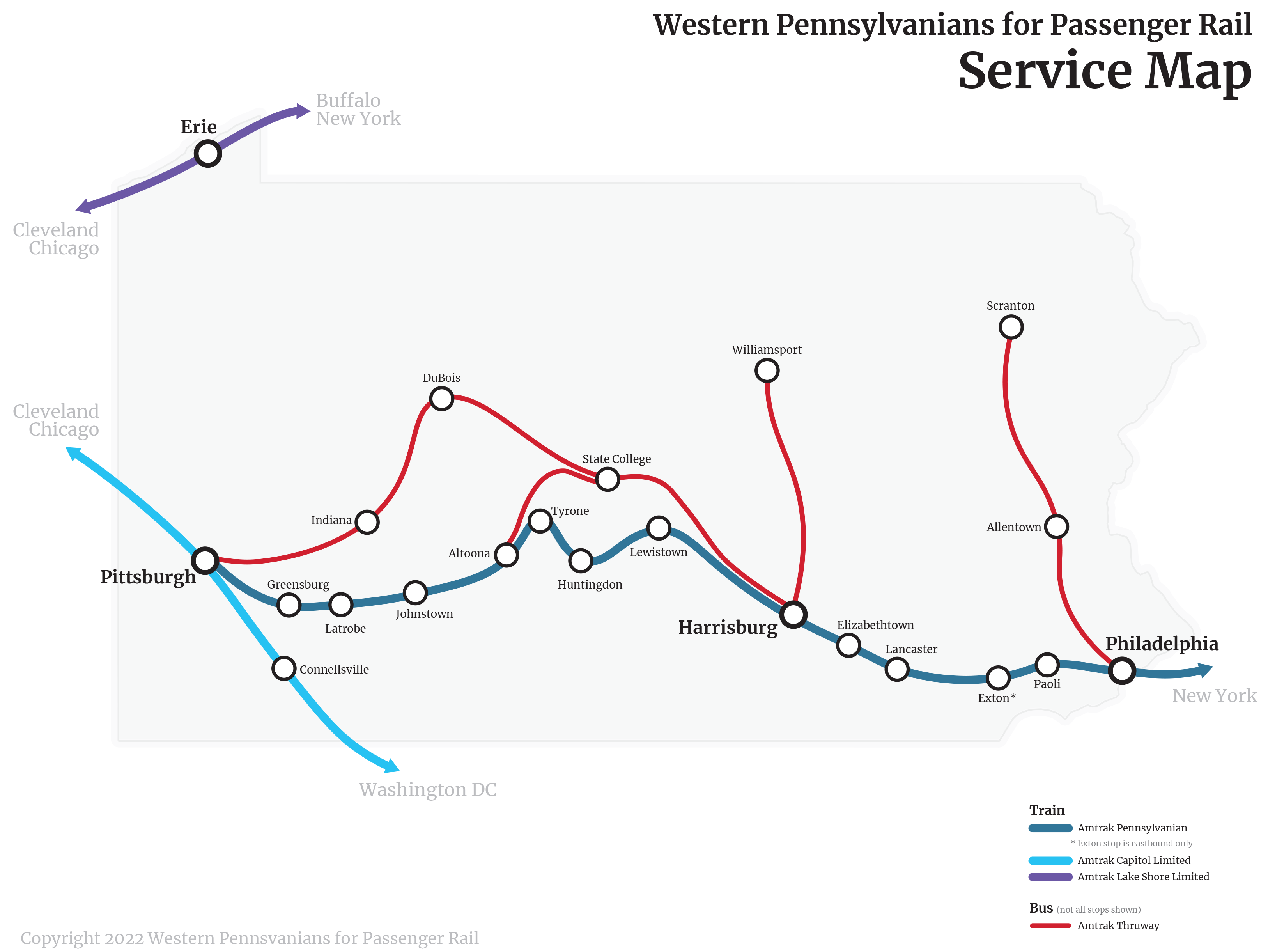
Traveling by Amtrak from Philadelphia to Pittsburgh is primarily served by the Pennsylvanian line, a scenic 444-mile journey that connects the Delaware Valley to the Ohio River Valley. In 2026, passengers can typically choose between two daily direct frequencies or several multi-modal connections through Harrisburg, with the direct trip taking approximately 7 hours and 30 minutes.
The rail journey across the Commonwealth of Pennsylvania is more than just a transit option; it is one of the most historically significant and geographically diverse routes in the Amtrak system. As of 2026, significant infrastructure investments have modernized the experience, making the train a competitive alternative to the stress of driving the Pennsylvania Turnpike (I-76) or the logistical hurdles of regional flights. This guide provides a comprehensive look at everything you need to know about booking, boarding, and enjoying the ride from Philadelphia’s 30th Street Station to Pittsburgh’s Union Station.
Understanding the Route: The Pennsylvanian and Expanded Service
The backbone of rail travel between Philadelphia and Pittsburgh is the Pennsylvanian. Historically a single daily round trip, the route has seen increased support through the 2020s via partnerships between Amtrak and PennDOT. By 2026, the long-awaited second daily frequency has been integrated into the schedule, providing travelers with much-needed flexibility for morning or afternoon departures.
The Direct Pennsylvanian Route
The direct train departs from Philadelphia 30th Street Station and travels west, stopping at key municipalities including Lancaster, Harrisburg, Altoona, and Johnstown before arriving in Pittsburgh. Because this train operates over the "Main Line" of the former Pennsylvania Railroad, it traverses some of the most rugged terrain in the Eastern United States.
The first half of the journey—from Philadelphia to Harrisburg—is electrified and relatively fast. At Harrisburg, there is a scheduled "engine change" or a transition where the train may switch from electric to diesel power (or utilize dual-mode locomotives, which have become more common in the mid-2020s fleet updates). This transition marks the beginning of the more mountainous and scenic portion of the trip.
Connecting via the Keystone Service
For travelers who miss the direct Pennsylvanian departures, another option involves taking a Keystone Service train from Philadelphia to Harrisburg. From Harrisburg, passengers can then transfer to a westward-bound Pennsylvanian or an Amtrak-coordinated thruway bus. However, the direct rail experience remains the preferred choice for those looking to avoid the hassle of transferring luggage and changing platforms.
Departure and Arrival: Navigating the Stations
Both ends of this journey feature historic stations that serve as major regional transportation hubs. Knowing how to navigate these facilities is essential for a smooth departure.
Philadelphia 30th Street Station (PHL)
Philadelphia’s 30th Street Station is one of the busiest rail hubs in the United States. In 2026, passengers will notice the ongoing results of the "30th Street Station District Plan," which has modernized the retail and waiting areas while preserving the grand Neoclassical architecture.
- Arrival: It is recommended to arrive at least 45 minutes before departure.
- Waiting Areas: While Coach passengers use the main concourse seating, Business Class passengers have access to dedicated lounge areas or priority seating zones.
- Connections: The station is seamlessly connected to SEPTA Regional Rail, the Market-Frankford Line (Blue Line), and various trolley lines, making it accessible from anywhere in Greater Philadelphia.
Pittsburgh Union Station (PGH)
Located at Liberty Avenue and Grant Street, Pittsburgh’s station is an architectural landmark designed by Daniel Burnham. It sits at the edge of the Downtown district (The Golden Triangle) and the Strip District.
- Accessibility: Upon arrival, passengers can easily access Pittsburgh Regional Transit (PRT) buses or the "T" (light rail) at the nearby Steel Plaza station.
- Amenities: The station is smaller than 30th Street but offers clean restrooms, vending, and a staffed ticket office. It is within walking distance of many major downtown hotels and the David L. Lawrence Convention Center.
Onboard Classes of Service and Amenities
Amtrak has updated much of its rolling stock by 2026, with the Pennsylvanian often utilizing a mix of refurbished Amfleet cars and newer Venture passenger cars designed for state-supported routes.
Coach Class
Coach Class on Amtrak is significantly more spacious than "Economy" on an airplane.
- Legroom: Seats feature a generous pitch, allowing passengers to fully extend their legs.
- Recline: Seats recline deeply and include a fold-down tray table and a footrest.
- Power: Every seat is equipped with individual 120V power outlets for charging laptops and phones.
Business Class
For a modest additional fee, Business Class offers several perks that are particularly valuable on a 7.5-hour journey:
- Extra Space: Usually configured with more lateral room.
- Refundability: Business Class tickets are often fully refundable if canceled before departure.
- Complimentary Beverages: Passengers typically receive complimentary non-alcoholic drinks.
- Bonus Points: Amtrak Guest Rewards members earn a 25% point bonus on Business Class fares.
The Cafe Car
Located in the middle of the train, the Cafe Car is the social hub of the journey. It offers a variety of snacks, light meals (such as sandwiches, pizzas, and salads), and beverages, including coffee, soda, beer, wine, and spirits. In 2026, menus have shifted toward including more regional Pennsylvania products, such as local pretzels and craft beers from breweries in Philadelphia and Pittsburgh.
The Scenic Journey: Highlights Along the Way
The Philadelphia to Pittsburgh route is widely considered one of the most beautiful train rides in the Northeast. The landscape transitions from urban skylines to rolling farmland and finally to dramatic mountain passes.
The Lancaster Farmland
Shortly after leaving the Philadelphia suburbs, the train enters Lancaster County. Passengers can see the pristine farms of the Amish and Mennonite communities. This section provides a glimpse into a lifestyle that eschews modern technology, often featuring horse-drawn buggies visible from the train windows.
The Susquehanna River Crossing
In Harrisburg, the train crosses the wide Susquehanna River on the Rockville Bridge. This stone masonry arch bridge is a marvel of engineering and provides panoramic views of the river valley.
The Horseshoe Curve
The most famous landmark on the route is the Horseshoe Curve just west of Altoona. This National Historic Landmark was completed in 1854 to allow trains to climb the steep grades of the Allegheny Mountains. As the train rounds the massive curve, passengers can look out the window and see the front and back of their own train simultaneously. It is a bucket-list moment for rail enthusiasts.
The Allegheny Mountains and Johnstown
The route continues through the heart of the Alleghenies, passing through deep cuts and tunnels. Near Johnstown, the train follows the Conemaugh River, a rugged area known for its industrial history and the site of the famous 1889 flood.
Booking Strategies and Ticket Pricing in 2026
Pricing on Amtrak is dynamic, meaning fares generally increase as the departure date approaches.
Fare Types
As of 2026, Amtrak uses a simplified fare structure:
- Flex Fares: These are fully refundable and changeable without fees, providing the most flexibility for business travelers.
- Value Fares: These offer a lower price point but carry significant cancellation fees or are non-refundable. They are ideal for leisure travelers with fixed plans.
Comparison of Travel Modes
To understand the value of the train, it is helpful to compare it to other methods of traversing the state.
| Feature | Amtrak (Pennsylvanian) | Driving (PA Turnpike) | Flying (PHL to PIT) |
|---|---|---|---|
| Travel Time | 7h 30m | 5h 00m - 6h 30m | 1h 15m (flight only) |
| Total Logistics Time | 8h 15m | 5h 30m | 4h 30m (including security) |
| Cost (Estimated) | $55 - $130 | $120+ (Fuel + Tolls) | $180 - $450 |
| Productivity | High (WiFi/Tables) | Zero (Driving) | Low (Constant movement) |
| Scenery | Exceptional | Interstate Barriers | Clouds |
Discounts and Savings
- Seniors: Travelers aged 65+ receive a 10% discount on most fares.
- Students: Active students often qualify for a 15% discount when booking through the Amtrak app.
- Military: Active-duty personnel and their families receive a 10% discount.
- Kids: Children aged 2–12 typically travel for half-price when accompanied by an adult.
Practical Logistics: Baggage, Pets, and Bicycles
Rail travel offers more generous luggage policies than airlines, but there are specific rules for the Pennsylvanian route.
Baggage Policy
Each passenger can bring two personal items (25 lbs each) and two carry-on bags (50 lbs each) for free. Because the Pennsylvanian uses standard passenger cars, bags are stored in overhead racks or in large luggage bins at the end of each car. Checked baggage service is available at Philadelphia and Pittsburgh, but only for the specific trains equipped with a baggage car.
Traveling with Pets
Small dogs and cats (up to 20 lbs including the carrier) are permitted on the Pennsylvanian. There is a limited number of "pet spots" available per train, so it is crucial to book the pet reservation at the same time as the human ticket. The pet must remain in its carrier under the seat at all times.
Bicycles
The Pennsylvanian offers "Carry-On bicycle" service. Passengers must reserve a space for their bike in advance. You are responsible for lifting your bike onto the train and securing it in the designated rack area. This makes the train an excellent choice for those looking to cycle the Great Allegheny Passage (GAP) starting in Pittsburgh.
Troubleshooting and Travel Tips
- WiFi Connectivity: While Amtrak offers free WiFi, the signal relies on cellular towers. In the Allegheny Mountains (between Altoona and Johnstown), the signal is notoriously spotty. Download your movies, podcasts, or work documents before you depart.
- Seating Strategy: On the westbound trip (Philly to Pittsburgh), sit on the right side of the train for the best views of the Susquehanna River and the interior of the Horseshoe Curve.
- Temperature Control: Trains can be chilly due to the air conditioning. Even in the summer, carrying a light jacket or small blanket is recommended for a 7-hour ride.
- Food Budgeting: While the Cafe Car is convenient, it can be expensive. Many regular travelers pick up a sandwich or salad at Reading Terminal Market (near 30th Street Station) before boarding to have a more substantial meal at a lower cost.
Frequently Asked Questions
How many Amtrak trains run from Philadelphia to Pittsburgh daily?
As of 2026, there are two daily direct round trips on the Pennsylvanian line. In addition to these direct services, travelers can utilize several daily Keystone Service trains to Harrisburg and connect to Pittsburgh via Amtrak Thruway bus services, although the direct train remains the fastest and most comfortable option.
Is there a sleeper car on the train from Philadelphia to Pittsburgh?
No, the Pennsylvanian is a "day train." It does not feature Viewliner sleeper cars because the entire journey takes place during daylight hours. However, the Coach and Business Class seats provide ample recline and legroom, far exceeding what is found in standard domestic airline seating.
Does the Amtrak train from Philly to Pittsburgh have a dining car?
The Pennsylvanian features a Cafe Car rather than a full-service traditional Dining Car. The Cafe Car offers a "grab-and-go" style menu with items that can be heated by the attendant, such as breakfast sandwiches, burgers, and vegan noodles. There is a seating area in the Cafe Car where you can eat while watching the scenery.
What is the best time of year to take this train?
Autumn is widely considered the best time for this route. The Allegheny Mountains offer spectacular fall foliage, typically peaking in mid-to-late October. Traveling in winter can also be beautiful, especially after a fresh snowfall in the mountains, but passengers should be prepared for potential weather-related delays during heavy storms.
Are there luggage weight limits for the Philadelphia to Pittsburgh route?
Yes, carry-on bags are limited to 50 lbs each, and personal items are limited to 25 lbs each. While Amtrak staff rarely weigh every bag, they may intervene if a bag appears to be a safety hazard or if you are unable to lift it into the overhead rack yourself. If you have extremely heavy items, check the schedule to ensure your specific train offers checked baggage service.
Final Recommendations for Travelers
For the best experience traveling from Philadelphia to Pittsburgh in 2026, book at least three weeks in advance to secure "Value" pricing. If your schedule allows, opt for the morning departure to ensure you see the Horseshoe Curve and the Allegheny front in full daylight.
Rail travel remains the most civilized way to cross the Keystone State. By choosing the train, you trade the frustration of traffic and the "hidden" costs of tolls and parking for a productive, scenic, and relaxing journey through the heart of Pennsylvania’s most impressive landscapes.