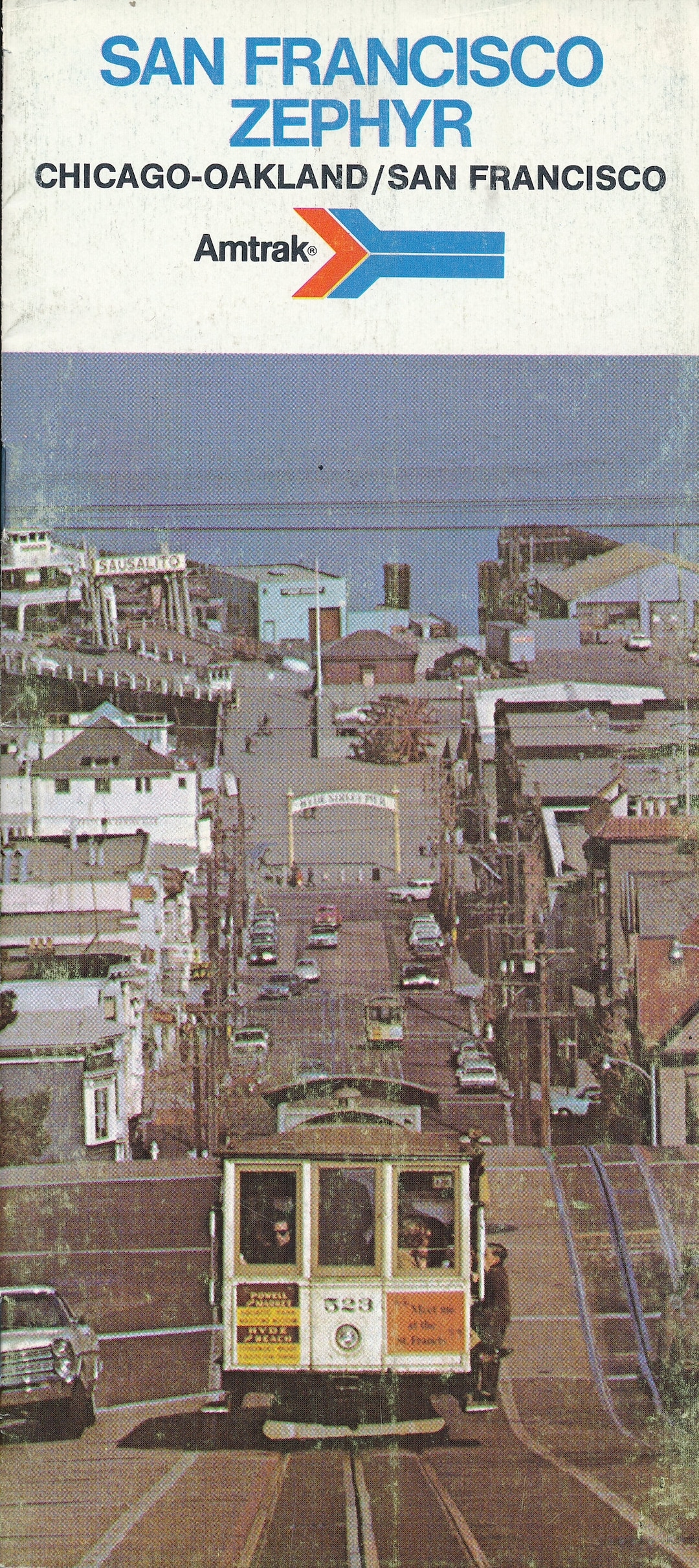
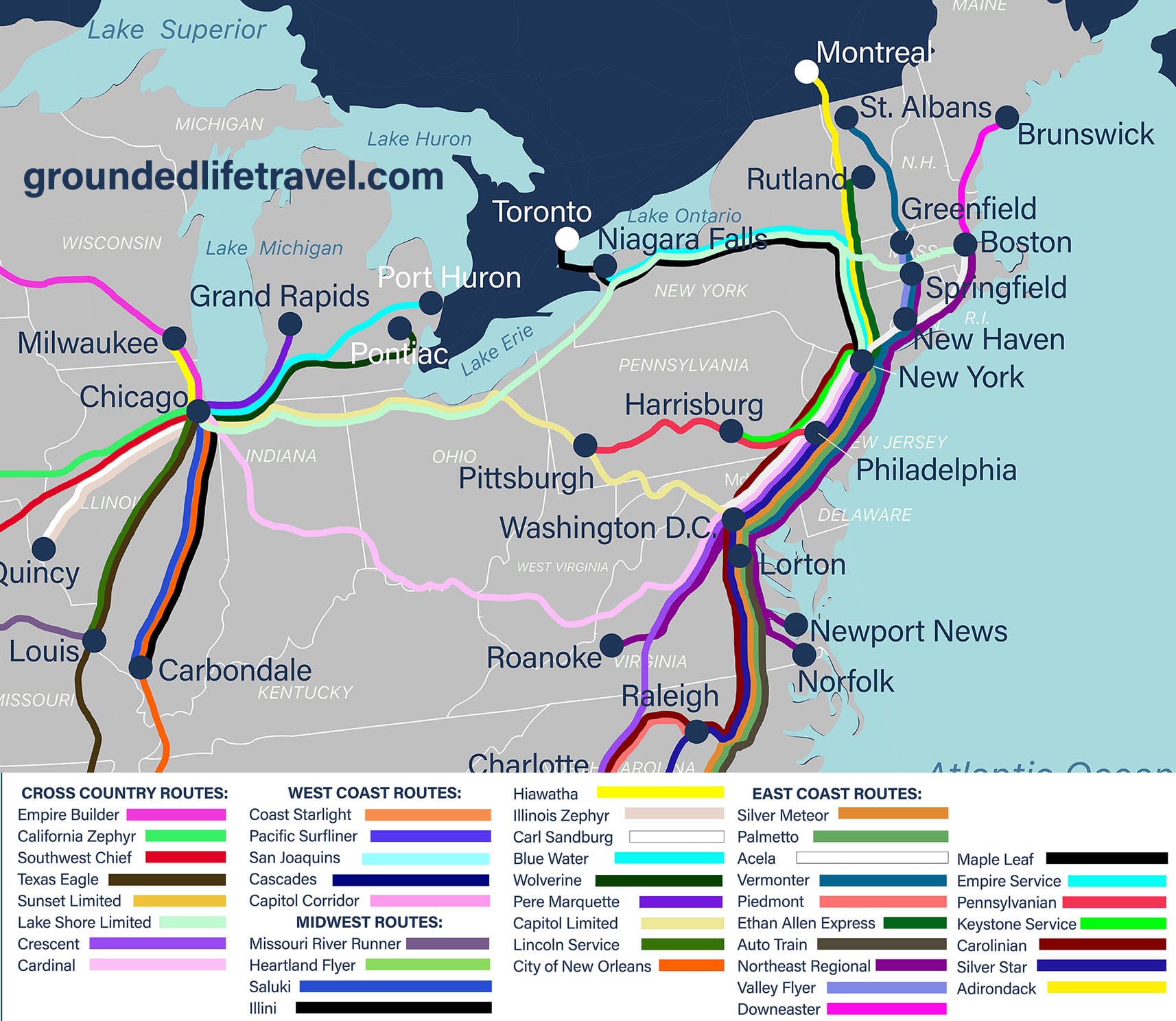
To travel from San Francisco to Chicago by Amtrak, you must board the California Zephyr at the Emeryville station, accessible via a dedicated Amtrak Thruway bus from various points in San Francisco. This legendary 2,438-mile journey takes approximately 51 hours and 20 minutes, traversing the Sierra Nevada and the Rocky Mountains before arriving at Chicago Union Station.
The journey from the Pacific Coast to the shores of Lake Michigan is widely regarded as the most scenic train route in North America. Operating daily, the California Zephyr offers a window into the American heartland that is inaccessible by interstate highways or commercial flights. In 2026, while the core route remains a timeless classic, enhancements to booking systems, onboard dining protocols, and equipment maintenance have streamlined the experience for modern travelers.
Starting Your Journey: The San Francisco to Emeryville Connection
A common point of confusion for first-time travelers is the lack of a primary Amtrak rail terminal within the city limits of San Francisco. Because the heavy rail lines terminate on the east side of the San Francisco Bay, your journey technically begins with a coordinated transfer.
The Amtrak Thruway Bus
Amtrak operates a fleet of Thruway buses that link San Francisco directly to the Emeryville (EMY) station. The most popular boarding point is the Salesforce Transit Center, though additional stops often include the Pier 39/Fisherman’s Wharf area and the Chase Center. These buses are timed to arrive approximately 30 to 45 minutes before the train’s scheduled departure, allowing ample time for luggage handling.
Alternative Transit: BART
Travelers who prefer to avoid the bus can take the Bay Area Rapid Transit (BART) from San Francisco to the Richmond station. The Richmond Amtrak station is an integrated facility where BART and Amtrak platforms are adjacent. However, for those with significant luggage or those seeking a seamless "all-on-one-ticket" experience, the Thruway bus to Emeryville is the standard recommendation.
The Emeryville Experience
Emeryville is a modern, efficient station. If you arrive early, the station offers a waiting room, restrooms, and vending machines. For those traveling in Sleeping Car accommodations (Roomettes or Bedrooms), there is no dedicated "Metropolitan Lounge" in Emeryville, but the boarding process is prioritized, and Amtrak staff are available to assist with checked baggage.
The California Zephyr Route and Scenic Highlights
The train, officially designated as Amtrak Train 6 (Eastbound), departs Emeryville in the mid-morning. The schedule is strategically designed to ensure that the most dramatic mountain passes are traversed during daylight hours.
Day 1: The Sierra Nevada and Donner Pass
Shortly after departing the Bay Area and passing through the Central Valley, the train begins its ascent into the Sierra Nevada. This segment follows the path of the First Transcontinental Railroad. Passengers should secure a seat in the Sightseer Lounge—a car with floor-to-ceiling windows—to witness the climb toward Donner Pass. You will pass through Truckee, California, before descending into the high desert of Nevada as the sun sets.
Day 2: The Heart of the Rockies
Morning of the second day typically finds the train approaching Salt Lake City, Utah. As the day progresses, you enter the Colorado River canyons. This is arguably the most spectacular portion of the trip. Between Grand Junction and Denver, the train hugs the Colorado River through Glenwood Canyon, where the walls rise thousands of feet above the tracks. The train then passes through the Moffat Tunnel, a 6.2-mile engineering marvel that cuts directly through the Continental Divide, before descending the "Big Ten" curves into Denver.
Day 3: The Great Plains and the Mississippi
After a late-night departure from Denver, the scenery shifts to the rolling prairies of Nebraska and Iowa. The final day is characterized by the crossing of the Mississippi River at Burlington, Iowa, via a massive swing bridge. The train then speeds across the flat farmlands of Illinois, arriving at the historic Chicago Union Station in the mid-afternoon.
Accommodations: Choosing Your Space for a 51-Hour Trip
Given that the journey spans two nights, the choice of accommodation is the most significant factor in both price and comfort.
Coach Class
Amtrak’s long-haul Coach class is significantly more spacious than domestic airline economy seating. The seats are wide, feature a deep recline, and include extendable leg rests and footrests. In 2026, most Superliner Coach cars have been fitted with updated upholstery and multiple power outlets at every seat.
- Pros: Most affordable; no need for advance reservations for specific seats (though the ticket itself is reserved).
- Cons: No access to private showers; sleeping upright can be difficult for some; meals are not included in the fare.
Sleeping Car Accommodations (The "Sleeper" Experience)
All private rooms on the California Zephyr include "First Class" perks: all meals in the Dining Car are included, as is the service of a dedicated Sleeping Car Attendant who handles turn-down service and luggage.
- Roomettes: These compact rooms feature two high-quality seats that face each other, which the attendant converts into upper and lower berths at night. While small (roughly 3'6" by 6'6"), they offer complete privacy. Restrooms and a shared shower are located down the hall.
- Bedrooms: Twice the size of a Roomette, Bedrooms include a sofa that converts to a lower bed and a pull-down upper berth. Crucially, Bedrooms feature an en-suite toilet, sink, and shower.
- Family Bedrooms: Located on the lower level of the car, these span the entire width of the train and can accommodate two adults and two small children. They do not have an en-suite restroom but are located steps away from the public facilities.
Dining and Onboard Amenities
The California Zephyr utilizes Traditional Dining, a service model that Amtrak has reaffirmed for its western long-distance routes through 2026.
The Dining Car
For Sleeper passengers, the Dining Car offers a chef-prepared menu for breakfast, lunch, and dinner. Dinner service typically includes a choice of steak, salmon, chicken, or vegetarian pasta, accompanied by a starter and dessert. One alcoholic beverage is usually included with dinner for Sleeper guests. Coach passengers may sometimes be allowed to purchase meals in the Dining Car, subject to availability, though prices are premium.
The Sightseer Lounge and Cafe
The Sightseer Lounge is the social hub of the train. The upper level features outward-facing swivel chairs and panoramic windows, while the lower level houses the Cafe Car. The Cafe is available to all passengers and sells sandwiches, snacks, coffee, soda, and alcoholic beverages from early morning until late at night.
Connectivity and Technology
While Amtrak has continued to upgrade its infrastructure, the California Zephyr route remains a challenge for cellular and Wi-Fi connectivity. Vast stretches of the Nevada desert and the Colorado canyons have zero cell service. In 2026, while the train may offer a basic Wi-Fi network, it is often restricted to text-based communication and is unreliable for streaming. Travelers are encouraged to download movies, books, and podcasts before departure.
Pricing, Ticketing, and 2026 Cost Considerations
Amtrak uses a dynamic pricing model similar to airlines; as the train fills up, the remaining seats and rooms increase in price.
Cost Estimates for 2026
- Coach: Typically ranges from $150 to $350 one-way.
- Roomette: Typically ranges from $650 to $1,100 (covers one or two passengers).
- Bedroom: Typically ranges from $1,200 to $2,500.
To secure the lowest "Value" or "Saver" fares, booking at least three to six months in advance is recommended. Travelers should also check for "Rail Pass" options if they plan on making multiple stops (e.g., San Francisco to Denver, then Denver to Chicago a few days later).
Comparison of Service Classes
| Feature | Coach Class | Roomette | Bedroom |
|---|---|---|---|
| Sleeping Surface | Reclining Seat | Upper/Lower Berths | Large Lower / Upper Berth |
| Meals Included | No (Available for Purchase) | Yes (Full Menu) | Yes (Full Menu) |
| Privacy | Shared Cabin | Private Room | Private Room |
| Shower Access | None | Shared (in car) | Private (en-suite) |
| In-Room Sink/Toilet | No | No | Yes |
| Luggage Allowance | 2 Carry-on + 2 Checked | 2 Carry-on + 2 Checked | 2 Carry-on + 2 Checked |
Practical Logistics: Baggage and Boarding
Checked Baggage
The California Zephyr offers checked baggage service at both Emeryville and Chicago Union Station. Passengers can check up to two bags (up to 50 lbs each) for free. Since you will not have access to your checked bags during the 51-hour journey, you must pack a "train bag" with essentials, including medications, toiletries, and a change of clothes.
Packing Essentials
- Layered Clothing: The train’s climate control can vary, and the temperature outside will shift from the 80s in the valley to potentially freezing in the mountains.
- Power Strip: While seats have outlets, a small power strip is useful if you have multiple devices.
- Noise-Canceling Headphones: Essential for Coach passengers to block out ambient noise during the night.
- Toiletries: Sleeper passengers are provided with towels and soap, but Coach passengers should bring their own "refresh" kit.
Frequently Asked Questions
Is there Wi-Fi on the Amtrak from San Francisco to Chicago? Yes, Amtrak provides basic Wi-Fi on the California Zephyr, but it is highly unreliable due to the remote mountainous terrain. It is generally sufficient for emails or light browsing but not for video streaming or large downloads. Expect several hours-long "dead zones" in the Rockies and Sierras.
Can I bring my own food and alcohol on the train? Passengers may bring their own food and non-alcoholic beverages to consume at their seats or in their rooms. However, FAA-style regulations apply to alcohol: you may only consume your own private alcohol if you are in a Sleeping Car (Sleeper) accommodation. Alcohol consumed in Coach or public areas must be purchased from the Cafe Car.
What happens if the train is delayed? Long-distance trains like the California Zephyr share tracks with freight companies (such as Union Pacific and BNSF), which can lead to delays. Amtrak accounts for some of this in the schedule, but it is not uncommon for the train to arrive in Chicago 1–3 hours behind schedule. If a major delay occurs, Amtrak provides meal vouchers or, in extreme cases, hotel accommodations if a connection is missed.
How do I get from the train station in Chicago to my final destination? Chicago Union Station is centrally located in the "Loop" area. It is a major hub for the CTA (Chicago's "L" trains) and Metra commuter rail. Taxis and rideshare services like Uber and Lyft have designated pickup zones on Canal Street and Wacker Drive immediately outside the station.
Are pets allowed on this route? Amtrak allows small dogs and cats (up to 20 pounds including the carrier) on many routes, but there are strict limitations for long-distance trips. For journeys over 7 hours, pets are generally not permitted in Coach. Always verify the current 2026 pet policy at the time of booking, as space is limited to five pets per train.
Final Recommendation for Travelers
The Amtrak journey from San Francisco to Chicago is more than a transit solution; it is a "land cruise" that offers a perspective on the American landscape that no other medium can match. For the best experience, book a Roomette if your budget allows; the inclusion of meals and a flat bed transforms the two-day trip from an endurance test into a luxury retreat. Regardless of your class of service, spend as much time as possible in the Sightseer Lounge—the views of the Colorado River and the Sierra Nevada peaks are the true value of the ticket.