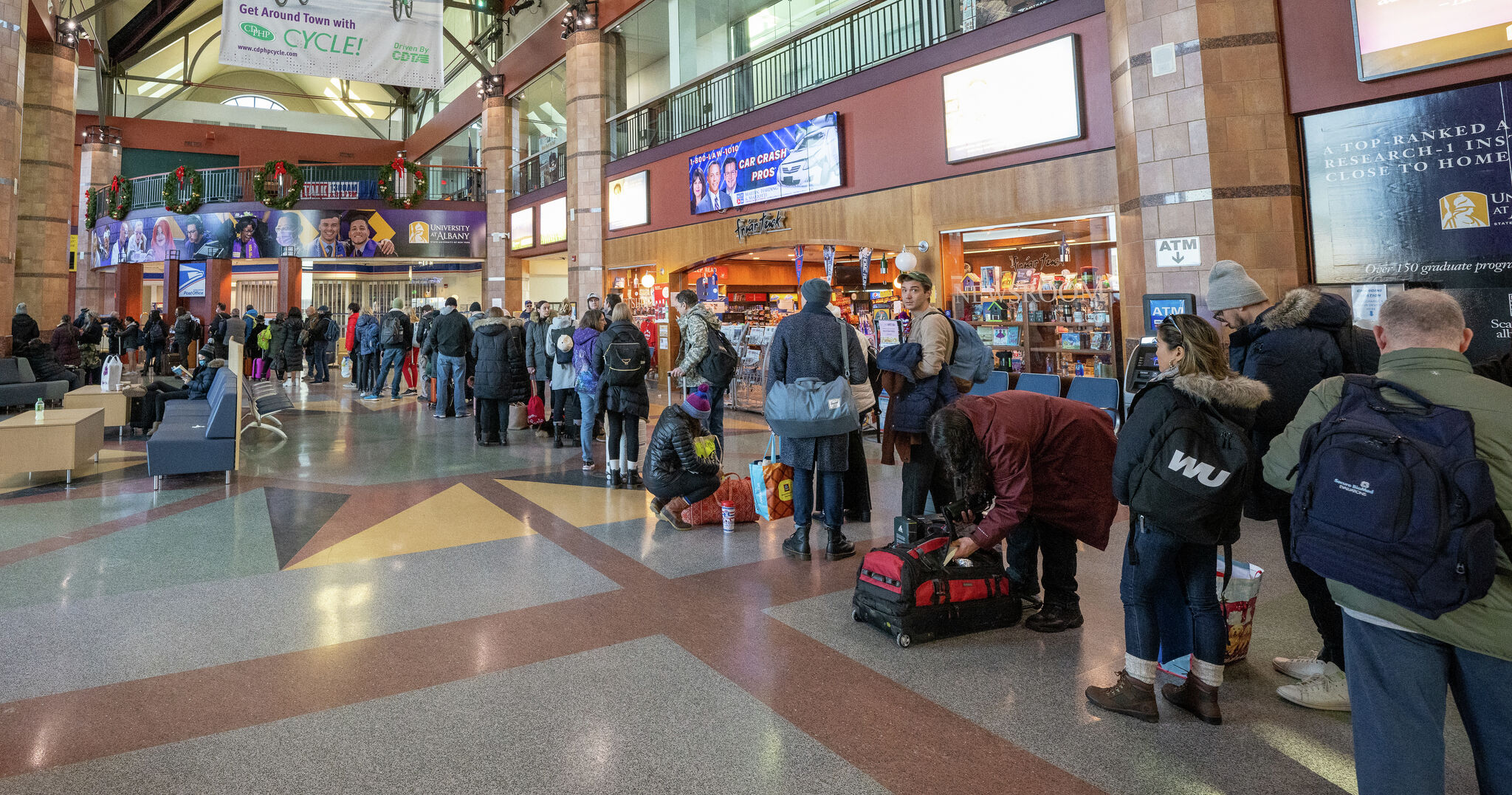
Traveling by rail from the Capital Region to New York City is a preferred method of transit for thousands of passengers daily, offering a seamless link between the historic Albany-Rensselaer station and the bustling heart of Manhattan. The primary rail corridor connecting these two hubs is served by Amtrak’s Empire Service, along with select long-distance trains, providing multiple stops that balance commuter speed with accessibility across the Hudson Valley.
The route from Albany-Rensselaer (ALB) to New York Penn Station (NYP) typically features seven intermediate stops: Hudson, Rhinecliff, Poughkeepsie, Croton-Harmon, Yonkers, and occasionally stops like New Rochelle or stations on the Northeast Corridor depending on the specific train’s final destination. Most standard Empire Service trains follow a direct path down the east bank of the Hudson River, making travel efficient for business commuters and tourists alike.
Understanding the Empire Service Route
The Empire Service is a state-supported rail line managed by Amtrak in partnership with the New York State Department of Transportation. Unlike the high-speed Acela trains that serve the Northeast Corridor, the Empire Service is designed to provide frequent, reliable transit between New York City and various points north and west.
When departing from Albany-Rensselaer, passengers are essentially embarking on a journey that follows one of the most scenic rail corridors in the United States. The track hugs the eastern shoreline of the Hudson River for a significant portion of the trip, offering expansive views of the water, the Catskill Mountains, and historic river towns. Because the service is localized, it acts as a lifeline for residents in the Hudson Valley who rely on the train for daily access to New York City’s professional and cultural hubs.
The Standard Stop Sequence
While schedules are subject to minor operational changes, the typical stops between Albany-Rensselaer and New York Penn Station are consistent. Understanding this sequence is vital for planning your arrival time and connecting transit options.
- Albany-Rensselaer (ALB): The primary station serving the capital of New York. It is a large, modern facility with ample parking, taxi access, and connecting bus services through CDTA.
- Hudson (HUD): Located in Columbia County, this stop is highly utilized by those visiting the city of Hudson and the surrounding arts-centric regions.
- Rhinecliff (RHI): Serving the historic Rhinebeck area, this station is frequently used by passengers traveling to Bard College and high-end residential communities in the Hudson Valley.
- Poughkeepsie (POU): This is a critical transition point. Poughkeepsie serves as the northern terminus for the Metro-North Railroad Hudson Line. Many passengers use this station to transfer between Amtrak and the commuter rail network.
- Croton-Harmon (CRT): Situated in Westchester County, this station serves as a major hub for Metro-North. It is a frequent stop for both local and express trains.
- Yonkers (YNY): Serving the densest city in Westchester, this stop provides a final suburban transit point before the train enters the dense urban infrastructure of New York City.
- New York Penn Station (NYP): The final destination, located in Midtown Manhattan. It offers access to the entire MTA subway system, NJ Transit, and various regional bus networks.
Operational Considerations and Travel Requirements
Navigating the Amtrak system requires more than just knowing the stops. Passengers must account for ticketing, baggage policies, and the differences between train classes. Because the Empire Service is a high-traffic route, booking in advance is strongly recommended, especially during peak travel times like holidays or Friday evenings.
Booking and Ticketing
As of 2026, Amtrak utilizes a dynamic pricing model. The cost of a ticket from Albany to NYC can fluctuate significantly based on how far in advance you purchase your seat. Prices are generally lowest when booked at least two weeks before travel. Tickets can be secured through the Amtrak website or the mobile app, which allows passengers to store e-tickets for easy scanning by conductors.
When booking, note that Amtrak often separates trains into "Coach" and "Business Class." On the Empire Service, Business Class offers additional legroom, a 25% bonus on Amtrak Guest Rewards points, and access to specific station lounges in select locations. However, the travel time and the number of stops remain identical regardless of the ticket class purchased.
Baggage and Accessibility
Amtrak maintains a generous baggage policy compared to the airline industry. Passengers are generally allowed two personal items and two carry-on bags at no extra charge. Large suitcases that exceed carry-on limitations must be checked, though passengers should verify if their specific station offers checked baggage services, as some smaller Hudson Valley stops are "unstaffed" or have limited facilities.
For passengers requiring accessibility assistance, Amtrak is highly accommodating. If you need a wheelchair lift or assistance with boarding, it is recommended to call the Amtrak accessibility line at least 24 hours before your scheduled departure. This ensures that the crew is prepared to deploy the necessary equipment at your specific stop.
Comparison of Rail Options
Choosing the right train depends on your schedule and the urgency of your travel. The following table provides a breakdown of considerations for passengers planning their transit between Albany and NYC.
| Service Type | Typical Stop Count | Best For | Frequency |
|---|---|---|---|
| Empire Service | 6–8 | General travel, commuters | Frequent daily departures |
| Lake Shore Limited | 3–5 | Long-distance travelers | Once daily |
| Maple Leaf | 6–8 | International travel to Toronto | Once daily |
Note: The Maple Leaf and Lake Shore Limited share much of the same trackage between Albany and NYC but may prioritize different stops or have different ticketing restrictions due to their long-distance nature.
Managing Transfers and Connections
A common question for travelers is how the Amtrak stop at Poughkeepsie or Croton-Harmon interacts with the Metro-North commuter line. If you are traveling to a specific destination in the Bronx or upper Manhattan, it might be more cost-effective or faster to exit at a suburban stop and transfer to a local commuter train.
However, keep in mind that Amtrak and Metro-North are separate entities. A ticket for an Amtrak train is not valid on Metro-North, and vice versa. You must purchase separate tickets if you intend to switch systems. If you miss an Amtrak connection, your ticket may not be honored on the next train unless it is a flexible fare; always check the terms of your ticket at the time of purchase.
Troubleshooting Common Issues
Travelers occasionally encounter disruptions, particularly during inclement weather or maintenance projects along the Hudson corridor.
- Train Delays: The Empire Service track is shared with CSX freight trains. This can occasionally lead to congestion-related delays. If your train is delayed, Amtrak provides real-time updates via the mobile app and text alerts. Sign up for these notifications at the time of booking to stay informed.
- Station Facilities: Remember that stations like Rhinecliff have limited indoor waiting space compared to the Albany-Rensselaer hub. During winter months, check the local weather and dress accordingly, as you may spend time on an outdoor platform.
- Wi-Fi Connectivity: While most Empire Service trains are equipped with Wi-Fi, the signal strength can fluctuate significantly due to the geography of the Hudson Valley and the presence of tunnels and rock cuts. Do not rely on high-bandwidth tasks; download any necessary work documents or entertainment content before departing the station.
Recommendations for a Smooth Experience
To ensure your trip from Albany to NYC is as seamless as possible, follow these professional tips:
- Arrive Early: Aim to reach the Albany-Rensselaer station at least 30 minutes before your departure. This provides a buffer for parking, navigating the terminal, and locating your platform.
- Verify Your Stop: Listen carefully to onboard announcements. While the stops are consistent, some trains may skip smaller, lower-volume stations during off-peak hours.
- Use the Mobile App: The Amtrak app is the single most useful tool for travelers. It provides real-time tracking, gate information, and the ability to modify your booking if your plans change.
- Prioritize Comfort: The seating in Coach is generally spacious with adequate recline. If you are traveling with a laptop, try to secure a window seat where power outlets are typically located.
Ultimately, traveling the Albany to NYC rail corridor is a reliable and comfortable experience. By understanding the specific stop sequence and preparing for the minor nuances of regional rail travel, you can optimize your transit time and enjoy the scenic passage down the Hudson River.