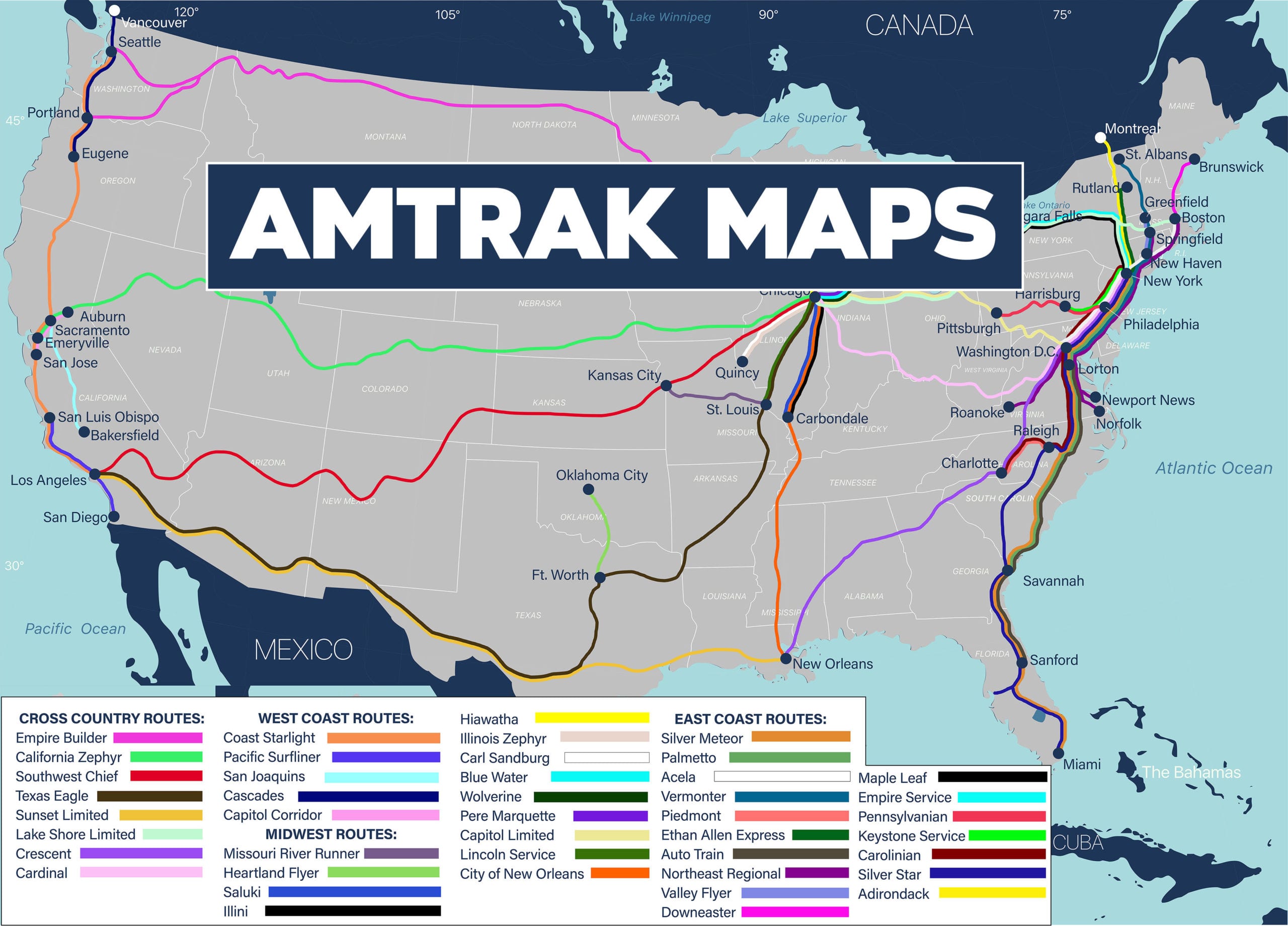
The Amtrak Chicago to St. Louis corridor, serviced primarily by the Lincoln Service and the Texas Eagle, operates as a high-frequency passenger rail route connecting the Midwest’s two largest urban centers. As of 2026, the status of this route remains stable, with daily service schedules maintained across multiple departures, providing essential transit for business travelers, tourists, and commuters through the heart of Illinois.
The Operational Landscape of the Lincoln Service
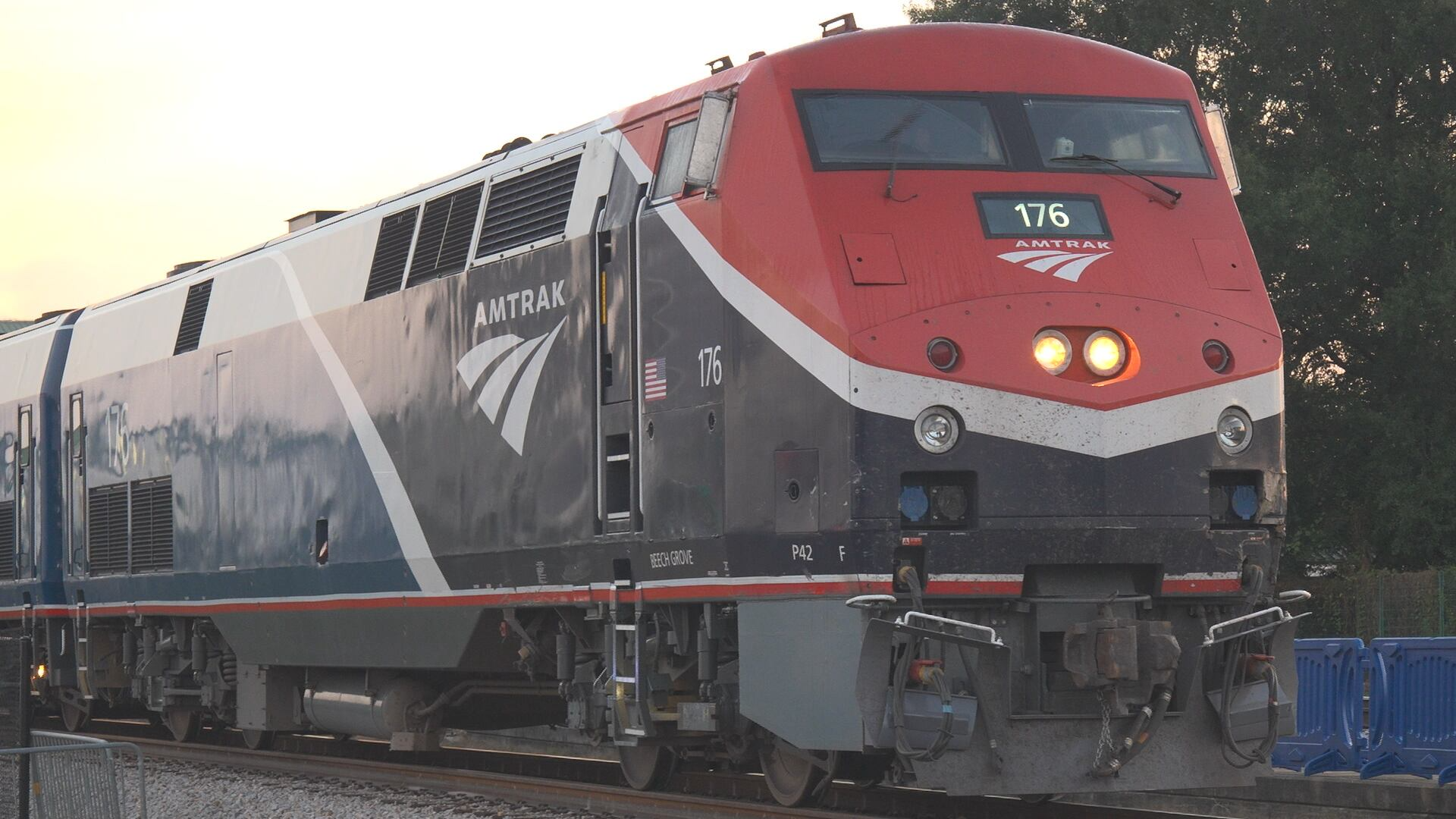
The Chicago to St. Louis route is fundamentally defined by the Lincoln Service, a state-supported corridor operated by Amtrak in partnership with the Illinois Department of Transportation (IDOT). Unlike long-distance routes that traverse the country, the Lincoln Service is designed for regional efficiency. In 2026, the service utilizes a dedicated fleet of Siemens Venture passenger cars and Charger locomotives, which were introduced to improve reliability, energy efficiency, and passenger comfort compared to the older legacy equipment.
The route spans approximately 300 miles, with intermediate stops in cities such as Joliet, Pontiac, Bloomington-Normal, Lincoln, Springfield, Carlinville, and Alton. Because the route traverses a mix of freight-heavy rail lines and state-owned infrastructure, "status" often refers to both the schedule regularity and the ongoing infrastructure improvements designed to increase track speeds. As of 2026, the majority of the corridor allows for higher-speed operations, enabling travel times that remain competitive with driving and regional air travel.
How to Verify Current Train Status and Real-Time Updates
For passengers planning a trip or meeting someone at a station, knowing the real-time status of a train is critical. Amtrak provides several digital and telephonic tools to track status.
The Amtrak Website and Mobile Application
The most authoritative source for status updates is the Amtrak website and the official mobile application. By selecting the "Train Status" tab, users can input their specific train number (e.g., 301, 305) or search by station name. The interface provides:
- Estimated Arrival/Departure Times: These are adjusted in real-time based on GPS data from the locomotives.
- Service Alerts: Major delays caused by severe weather, track maintenance, or mechanical issues are flagged with detailed descriptions.
- Station Notifications: Users can opt-in for automated email or text notifications regarding specific train movements.
Understanding Delay Definitions
It is important to distinguish between "scheduled" and "actual" status. When a train is listed as "delayed," it is usually due to one of three factors:
- Freight Interference: Because Amtrak shares tracks with freight railroads (primarily Union Pacific on this route), freight train congestion can cause localized delays.
- Infrastructure Maintenance: Planned track work by IDOT or freight carriers may result in temporary speed restrictions, which are built into the schedule but can occasionally cause cumulative delays.
- Operational Factors: This includes passenger boarding times at busy stations, crew changes, or minor mechanical adjustments.
Service Frequency and Ticket Structure
In 2026, the Amtrak Chicago to St. Louis corridor maintains a robust schedule. Understanding the cadence of these departures is essential for effective travel planning.
Frequency of Service
The route offers multiple daily round trips. The Lincoln Service operates five daily round trips, supplemented by the Texas Eagle, which provides a long-distance connection that also serves local passengers between Chicago and St. Louis. This high frequency creates a flexible travel window, with trains departing from early morning until late afternoon.
Pricing and Fare Classes
Amtrak employs a dynamic pricing model on this route. This means that ticket prices for the same seat can fluctuate based on:
- Booking Window: Tickets purchased weeks or months in advance are significantly cheaper than those bought on the day of departure.
- Day of Week: Peak travel days, typically Fridays and Sundays, carry higher price points.
- Fare Categories: Passengers can select between Coach and Business class. Business class offers extra legroom, additional Amtrak Guest Rewards points, and often, complimentary non-alcoholic beverages.
Travel Requirements and Station Amenities
Traveling between Chicago Union Station and St. Louis Gateway Station involves adherence to standard passenger protocols.
Prerequisites for Travel
- Identification: Passengers aged 18 and older must present a valid government-issued photo ID upon request by conductors.
- Boarding Procedures: Passengers are encouraged to arrive at the station at least 30 to 45 minutes prior to departure. At major hubs like Chicago Union Station, boarding calls are made approximately 15–20 minutes before the scheduled departure time.
- Connectivity: While the trains are equipped with Wi-Fi, it is provided as a convenience and is not guaranteed to support high-bandwidth tasks like video streaming or large file transfers.
Amenities and Accessibility
The Siemens equipment currently used on the corridor features improved accessibility for passengers with mobility impairments. This includes ADA-compliant restrooms, designated wheelchair spaces, and accessible boarding ramps. Travelers should notify Amtrak of any specific accessibility needs at least 24–48 hours before departure to ensure staff can provide necessary assistance.
Comparative Overview: Rail vs. Driving vs. Air
When assessing the status of this corridor, many travelers weigh the pros and cons of rail travel against alternatives.
| Feature | Amtrak (Lincoln Service) | Personal Vehicle | Regional Air |
|---|---|---|---|
| Travel Time | ~5.5 hours | 4.5–5 hours (traffic variable) | ~1 hour (plus security) |
| Cost | Fixed to Dynamic | Gas/Wear/Parking | Highly Variable |
| Productivity | High (Work, Wi-Fi) | None (Driving) | Low (Limited time) |
| Stress Level | Low | High (Traffic, Navigation) | Moderate (Security/TSA) |
The Amtrak option remains the most reliable for those looking to avoid the congestion of the I-55 corridor, which is notorious for heavy truck traffic and variable weather conditions that can significantly impact driving times.
Frequently Asked Questions
1. Is the Amtrak Chicago to St. Louis line currently experiencing construction delays? As of 2026, the corridor is fully operational. While routine maintenance is an ongoing aspect of rail management, any significant construction projects are announced well in advance through the Amtrak Service Alerts page.
2. Can I bring a bicycle on the train? Yes, the trains on this route are equipped with designated bicycle storage. However, you must reserve a bicycle space when booking your ticket, as capacity is limited and subject to availability.
3. Does the train offer food service? Yes, the Lincoln Service trains are equipped with a Café Car that offers a variety of snacks, sandwiches, and beverages. Passengers are also permitted to bring their own food and non-alcoholic drinks on board.
4. What happens if my train is significantly delayed? If a train is delayed by a substantial amount of time, Amtrak’s policy generally provides for rebooking on the next available train at no additional cost. In cases of service cancellation, refunds or travel vouchers are issued according to the fare type purchased.
5. How early should I get to the station? It is recommended to arrive at least 30 minutes before your scheduled departure. At Chicago Union Station, which is a major terminal, arriving earlier allows time to navigate the concourse and locate your specific gate.
Practical Next Actions
To ensure a smooth trip, follow these steps:
- Check the Status: Visit the official Amtrak website 24 hours before your trip to view the live status of your train.
- Book Early: Secure your tickets as early as possible to lock in the lowest fares, as pricing increases as the departure date nears.
- Download the App: The Amtrak mobile app is the most efficient way to receive instant notifications about track changes or boarding delays on the day of travel.
- Prepare Your ID: Keep your digital or printed ticket and your government-issued ID easily accessible during boarding.