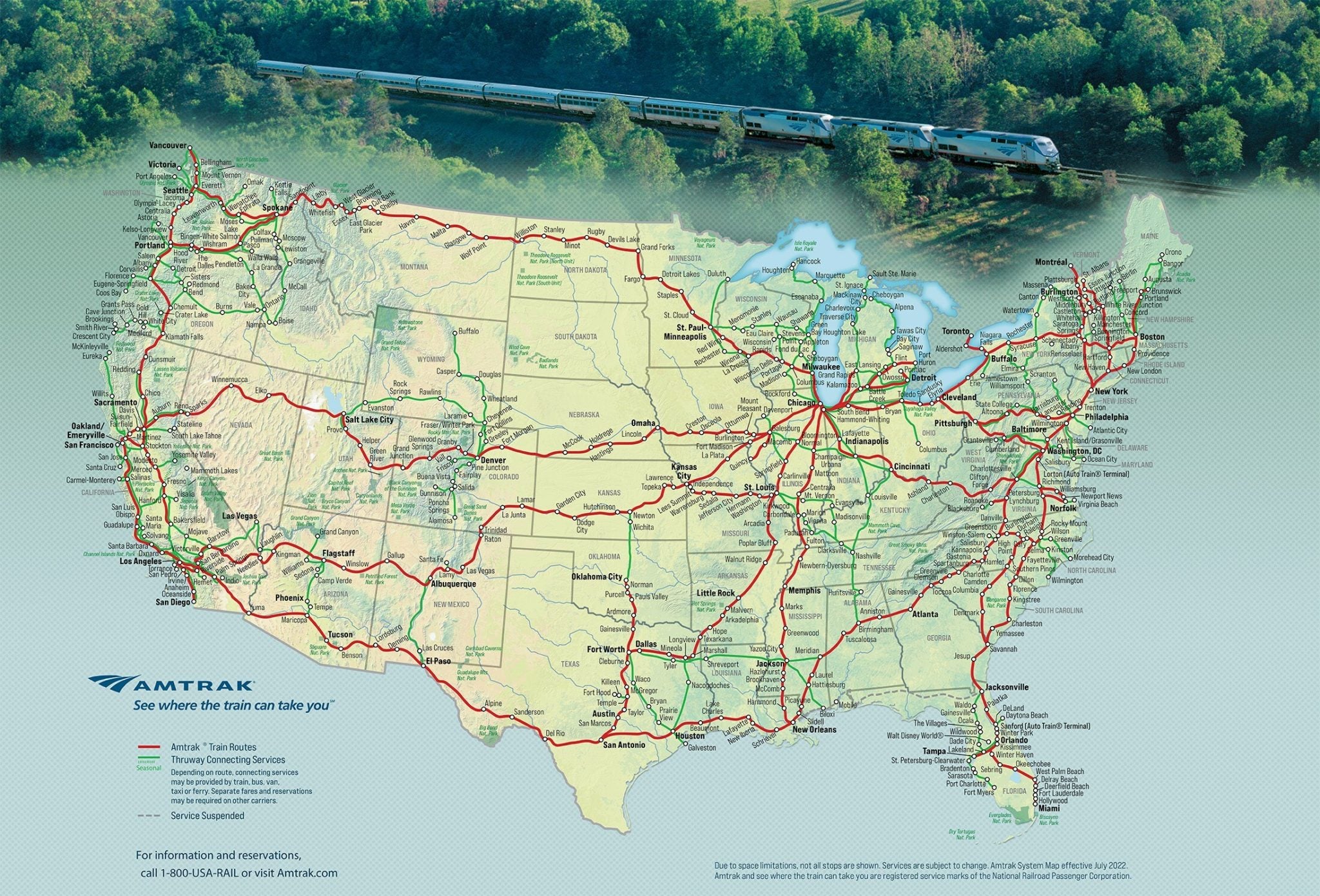
Traveling from an Amtrak train to O’Hare International Airport (ORD) requires a transfer through downtown Chicago, as there is no direct Amtrak station at the airport. The most common and reliable method is taking the CTA Blue Line "L" train from the Clinton station near Union Station, though Metra commuter rail and rideshare services offer alternative balances of speed and convenience.
Navigating the transit landscape of Chicago in 2026 involves coordinating between three distinct systems: Amtrak (the national rail carrier), the CTA (Chicago Transit Authority, which operates the "L" subways and buses), and Metra (the regional commuter rail). Because Chicago Union Station serves as the primary hub for Amtrak in the Midwest, nearly all travelers arriving by rail will find themselves in the West Loop neighborhood, approximately 18 miles southeast of O'Hare International Airport.
Successfully making this connection requires an understanding of Chicago’s layout, current transit pricing, and the logistical challenges of moving luggage through a busy urban core. This guide provides a comprehensive breakdown of every viable transfer method to ensure you reach your flight on time.
Understanding the Hub: Chicago Union Station
Chicago Union Station (CUS) is the monumental terminal where all Amtrak routes serving Chicago begin and end. Located at 225 South Canal Street, it is a bustling transit center that has undergone significant renovations leading into 2026 to improve passenger flow and accessibility.
When you arrive via Amtrak, you will typically disembark on the lower level. To reach O'Hare, you must first navigate to the Great Hall or the newer transit concourses to exit the building. Union Station is situated just west of the Chicago River, placing it within walking distance of several CTA lines, but the physical layout of the station can be disorienting for first-time visitors.
It is important to note that Amtrak does not provide a shuttle service to O'Hare. The responsibility for the final leg of the journey lies with the passenger. Fortunately, the city’s infrastructure is designed specifically to move people between these two major transportation pillars.
The Primary Method: The CTA Blue Line "L" Train
The CTA Blue Line is the most popular choice for travelers for two reasons: it is the most affordable option and it is the only rail line that runs 24/7 directly into the heart of O'Hare International Airport.
Locating the Station
The closest Blue Line station to Union Station is the Clinton station. Upon exiting Union Station via the Canal Street exits, you will walk approximately two blocks south to the intersection of Clinton Street and Tilden Street (near the Eisenhower Expressway/I-290).
- Distance: Approximately 0.4 miles.
- Walking Time: 8–12 minutes depending on luggage.
- Accessibility: The Clinton Blue Line station is equipped with an elevator, but it is wise to check the CTA Elevator Status page before arrival to ensure it is operational.
Fare and Payment in 2026
As of 2026, the standard fare for a one-way trip from the city to O'Hare is $2.50. However, if you are traveling from O'Hare to Amtrak, the fare is higher ($5.00) due to an airport departure surcharge.
You can pay using:
- Ventra Card: The local transit smart card.
- Ventra App: Available on smartphones with NFC capabilities (Apple Pay/Google Pay).
- Contactless Credit/Debit Cards: You can tap your bank card directly at the turnstile.
The Journey to O'Hare
Once on the O'Hare-bound Blue Line train, the trip takes approximately 45 to 55 minutes. The train travels through the Loop and then northwest through various city neighborhoods. The Blue Line terminates inside O'Hare between Terminals 1, 2, and 3. If your flight departs from Terminal 5 (International), you will need to take the free Airport Transit System (ATS) automated people mover from the main terminal core to Terminal 5.
The Metra Option: North Central Service (NCS)
For those who prefer a more traditional "heavy rail" experience with more space for luggage, the Metra North Central Service (NCS) provides a direct link from Union Station to the O'Hare Transfer Station.
Strategy and Limitations
The NCS line is primarily a commuter service, meaning its schedule is heavily weighted toward weekday rush hours.
- Pros: The train departs directly from Union Station, eliminating the walk to the Blue Line. It is faster (about 35 minutes) and cleaner.
- Cons: Extremely limited schedule. There is very little weekend service, and mid-day weekday options are sparse.
Reaching the Terminals
The Metra train stops at the O'Hare Transfer station, which is located on the outskirts of the airport property near the Multi-Modal Facility (MMF). From the O'Hare Transfer station, you must board the ATS (People Mover) to reach Terminals 1, 2, 3, or 5. This adds an additional 10–15 minutes to your total travel time.
Rideshare and Taxi Services
If you are traveling with a group, have heavy luggage, or are arriving late at night and prefer door-to-door service, a taxi or rideshare (Uber/Lyft) is the most direct option.
Pickup Locations at Union Station
To catch a rideshare or taxi, follow the signs within Union Station to the designated Rideshare Pickup Zones. In 2026, these are typically located on South Canal Street or within the Union Station Transit Center just south of the station.
Travel Time and Traffic
The trip to O'Hare via the Kennedy Expressway (I-90) is highly unpredictable.
- No Traffic: 25–30 minutes.
- Morning/Evening Rush: 60–90 minutes.
- Major Construction: In Chicago, roadwork is a constant. Always check a real-time navigation app before choosing this route.
Estimated Costs
A standard Uber or Lyft from Union Station to O'Hare typically ranges from $45 to $75, though surge pricing during peak hours or inclement weather can push these rates significantly higher. Taxis operate on a metered system and usually fall within a similar price range, plus a $1.00 - $2.00 airport surcharge.
Comparison of Transfer Methods
The following table compares the primary ways to get from Amtrak to O'Hare in 2026.
| Feature | CTA Blue Line | Metra (NCS) | Rideshare / Taxi |
|---|---|---|---|
| Cost (One-Way) | $2.50 | $3.75 - $6.75 | $45.00 - $80.00+ |
| Travel Time | 50–60 minutes | 35 minutes (+ ATS) | 30–90 minutes |
| Frequency | Every 6–15 minutes | Sparse (Weekday only) | On-demand |
| Luggage Ease | Moderate (Steps/Tight) | High (Ample space) | Highest (Trunk space) |
| Directness | Terminates at airport | Requires shuttle/ATS | Door-to-terminal |
Essential Tips for a Seamless Connection
1. The "Three-Hour Rule"
Amtrak trains, particularly long-distance routes like the California Zephyr or the Empire Builder, are notorious for delays. If you are booking a flight out of O'Hare on the same day as your Amtrak arrival, ensure there is at least a four-to-five-hour buffer between your scheduled train arrival and your flight departure. A three-hour window is the absolute minimum required to navigate the transfer, security lines, and terminal transit.
2. Handling Luggage
If you have multiple large suitcases, the CTA Blue Line can be challenging. The turnstiles at the Clinton station are standard width, though an ADA gate is available. During rush hour, "L" trains become very crowded, making it difficult to stand with large bags. If you have more than two pieces of luggage per person, a taxi or rideshare is strongly recommended for your sanity and the comfort of other commuters.
3. Using the Airport Transit System (ATS)
O'Hare’s ATS is a fully automated train that connects all terminals (1, 2, 3, and 5) with the Multi-Modal Facility (MMF) and the Metra station. It is free and runs 24/7. Whether you take the Blue Line (which stops at the main terminals) and need Terminal 5, or take Metra (which stops at the MMF), the ATS will be a critical part of your journey.
4. Safety and Security
Chicago Union Station and the CTA Blue Line are generally safe, but like any major urban transit system, they require situational awareness. Keep your belongings close to you, especially at the Clinton Blue Line station and during the walk along Canal Street. At night, the walk to the Blue Line is well-lit, but many travelers prefer the added security of a taxi or rideshare after dark.
Navigating from O'Hare back to Amtrak
If your journey is reversed (starting at O'Hare and heading to Union Station), the process is essentially the same but in reverse.
- Follow Signs for "Trains to City": This will lead you to the lower level of the main terminal core (Terminals 1, 2, and 3).
- Purchase Fare: Use the Ventra vending machines. Remember, the fare leaving O'Hare is $5.00.
- Board the Blue Line: Take any train; all O'Hare Blue Line trains go toward the "Forest Park" or "UIC-Halsted" destinations, both of which stop at the Clinton station.
- Exit at Clinton: Exit the station and walk north on Clinton Street, then turn east toward Canal Street to reach the Union Station entrances.
Troubleshooting Common Issues
What if the Blue Line is delayed?
The CTA occasionally experiences "track fires" or mechanical failures. If the Blue Line is stalled, your best backup is to walk to the Union Station Transit Center and look for Bus #151 (Sheridan) or Bus #124 (Navy Pier) which can take you further into the Loop where you can find alternative bus routes or taxis.
What if I miss the Metra NCS train?
If you planned on taking the Metra but missed the window, do not wait for the next one, as it may be several hours away. Immediately pivot to the CTA Blue Line or a rideshare.
Lost and Found
- Amtrak: Visit the baggage office in the Union Station Great Hall.
- CTA: Contact the Blue Line terminal office at O'Hare or use the CTA Lost and Found online portal.
- O'Hare: If you lose something in the airport, contact the Chicago Police Department’s O’Hare detail or the airport’s lost and found office.
Summary Recommendation
For most travelers in 2026, the CTA Blue Line remains the gold standard for getting from Amtrak to O'Hare. It provides a consistent, weather-protected (once on the train), and highly affordable way to reach the airport. However, if you are arriving on a weekday during business hours and your schedule aligns perfectly with the Metra North Central Service, that route offers a significantly more comfortable and faster rail experience. If time is of the essence or your luggage is unmanageable, skip the public transit entirely and opt for a rideshare—just be sure to account for the heavy traffic that defines the Chicago experience.
For the most up-to-date schedule and fare information, travelers should consult the official Amtrak website, the CTA (Transit Chicago), and O'Hare's official portal.