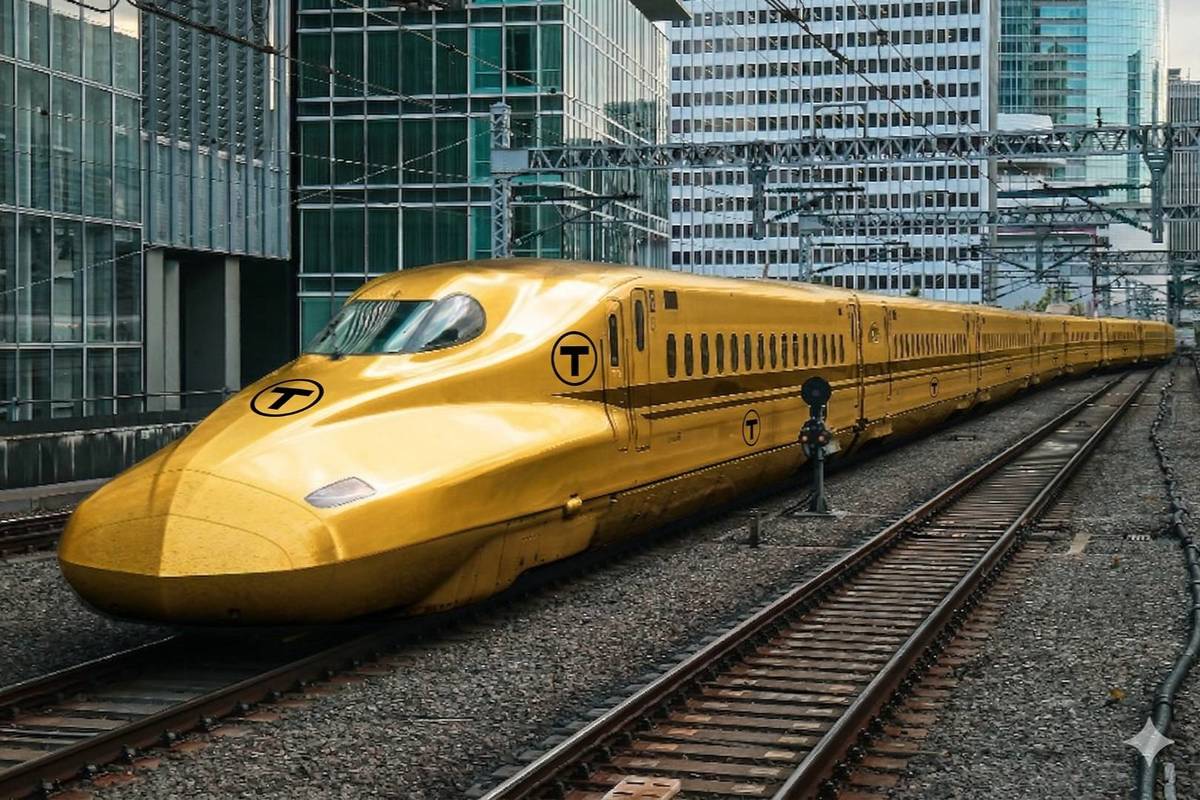
Traveling by Amtrak from Boston to Manhattan provides a direct, city-center-to-city-center transit experience that bypasses the logistical hurdles of airport security or the unpredictability of driving along the I-95 corridor. The route connects Boston’s South Station to Moynihan Train Hall at Penn Station in New York City, primarily utilizing the Northeast Regional and Acela services. This guide outlines the operational logistics, service differences, booking strategies, and travel requirements necessary to plan your journey in 2026.
Understanding the Route and Service Options
The rail corridor connecting Boston and New York is one of the busiest in the United States. Passengers have two primary options when booking their trip: the Northeast Regional and the Acela. Both depart from South Station (BOS) and arrive at Moynihan Train Hall at Penn Station (NYP), but they cater to different priorities regarding time and comfort.
The Northeast Regional
The Northeast Regional is the standard service on the Northeast Corridor. It is designed for reliability and accessibility, making more stops than the Acela, including significant stations like Providence, New Haven, and Stamford. While the travel time is longer—typically ranging from four hours and 15 minutes to four hours and 45 minutes—it remains a competitive option for travelers who prioritize cost-efficiency. In 2026, the Northeast Regional continues to offer Coach and Business class seating. Coach provides ample legroom and power outlets at every seat, while Business class includes extra legroom, leather seating, and guaranteed access to a quiet car.
The Acela Service
The Acela is Amtrak’s high-speed rail offering. It is engineered for business travelers and those looking to minimize transit time. The Acela features fewer stops, cutting the trip duration down to approximately three hours and 30 minutes to three hours and 45 minutes. The service environment is more refined, offering First Class—which includes complimentary meal service and lounge access—and Business Class. Because the Acela utilizes tilting train technology on specific segments of the track, it maintains higher speeds through curves, which is the primary driver of its time-saving advantage.
Planning Your Journey: Booking and Ticketing
Amtrak utilizes a dynamic pricing model, meaning fares fluctuate based on demand, lead time, and the specific train schedule. To secure the most favorable rates, booking your ticket at least two to three weeks in advance is the standard recommendation.
Booking Logistics
Tickets can be purchased via the Amtrak website or the mobile application. Both platforms provide real-time updates regarding gate assignments, track numbers, and potential delays. Once you complete your purchase, you receive an eTicket with a QR code. In 2026, there is no requirement to print a physical paper ticket; conductors scan the QR code directly from your smartphone screen or a digital wallet.
Comparison of Service Tiers
Selecting the right class of service depends on your need for workspace, luggage capacity, and budget.
| Service Tier | Included Amenities | Ideal For |
|---|---|---|
| Regional Coach | Power outlets, large windows, free Wi-Fi | Budget-conscious travelers |
| Regional Business | Extra legroom, assigned seating, leather chairs | Comfort-seeking commuters |
| Acela Business | Priority boarding, spacious seating, tray tables | Business travelers on tight schedules |
| Acela First | At-seat dining, lounge access, high-end service | Those desiring premium privacy/meals |
Departure and Arrival Procedures
Navigating the stations is a straightforward process, provided you understand the layout of these major transit hubs.
Departing from Boston South Station
South Station is centrally located in downtown Boston. It is recommended that you arrive at least 30 minutes before your scheduled departure. While there is no formal "security line" similar to air travel, you must be present for boarding when it is called. For those needing assistance, Amtrak offers redcap service for help with luggage. Once you enter the station, monitor the large departure boards for your specific train number; track numbers are usually announced 10 to 15 minutes before the train arrives.
Arriving at Moynihan Train Hall
Your arrival point is the Moynihan Train Hall, a modern expansion of New York’s Penn Station located across 8th Avenue. This facility serves as a transit hub with direct access to multiple New York City Subway lines (A, C, E, 1, 2, 3). The hall features modern waiting areas, retail options, and clear signage. Upon exiting the train, you are within walking distance of many Midtown Manhattan landmarks. If you are continuing your journey elsewhere in the city, the connection to the subway is integrated, though you will need a separate OMNY-enabled payment method or a MetroCard to enter the subway system.
Practical Considerations for 2026
Traveling by train requires a different set of expectations than driving or flying. Understanding the "rules of the road" ensures a seamless trip.
Luggage Policies
Amtrak’s luggage policy is significantly more flexible than airline standards. Each passenger is permitted two personal items (up to 25 lbs each) and two carry-on items (up to 50 lbs each) at no additional charge. There are no size restrictions on carry-on bags other than the ability to store them in the overhead bins or designated luggage racks at the end of each car. If you are traveling with excess baggage, Amtrak offers a checked baggage service on select trains, though you should verify that your specific train offers this service on the ticketing page before finalizing your purchase.
Connectivity and Technology
In 2026, Amtrak continues to invest in its onboard Wi-Fi network. While the service is generally sufficient for checking emails and web browsing, it may experience signal degradation in certain tunnels or rural stretches along the Connecticut coastline. It is best to download any large documents or media content before boarding. Power outlets are available at every seat in both Regional and Acela cars, allowing you to keep your devices charged for the duration of the trip.
Food and Beverage
The dining experience varies by class and service type. Northeast Regional trains offer a Café Car, which serves hot and cold snacks, sandwiches, and beverages. The Acela service offers a more robust Café Car menu and, for First Class passengers, complimentary at-seat meal service that includes curated menu options. Passengers are also permitted to bring their own food and non-alcoholic beverages on board, which is a common strategy for travelers with specific dietary requirements.
Troubleshooting Common Issues
Despite the efficiency of the rail system, delays can occur. These are usually related to track maintenance or congestion near the New York gateway.
- Service Disruptions: If your train is delayed or cancelled, Amtrak usually sends notifications via email or text if you have provided your contact information during booking. Always keep the mobile app updated to receive real-time status alerts.
- Station Connections: If your arrival at Moynihan is the start of a trip to another destination, allow for at least 45 minutes of "buffer time" between your train arrival and your next connection.
- Ticket Changes: Amtrak allows for ticket changes up to the time of departure, though fare differences may apply. If you need to switch to an earlier or later train, the mobile app is the most efficient way to manage this without needing to visit an agent at the ticket counter.
Frequently Asked Questions
Is there a security checkpoint like at the airport?
No. Amtrak does not utilize TSA-style security checkpoints. You can proceed directly from the terminal to the platform. However, be prepared for random ticket checks by the conductor once the train is underway, and carry a government-issued photo ID, as it may be requested for identity verification.
Can I bring my bicycle on the train?
Yes, but policies vary. Some trains require you to book a spot for your bike in advance, while others allow them in designated areas. You must check the specific "bike-friendly" icon on the train schedule when booking to ensure your gear can be accommodated.
Is the quiet car mandatory?
On trains equipped with a Quiet Car, passengers are expected to refrain from phone conversations and keep audio at a level that cannot be heard by others. While not mandatory to sit there, those who choose to do so are strictly expected to follow these behavioral guidelines.
How early should I arrive at the station?
For departures from South Station, 30 minutes is the recommended arrival window. This allows sufficient time to navigate the terminal, find your platform, and board without feeling rushed, especially if you have heavy luggage.
Are pets allowed on the train?
Amtrak allows small dogs and cats (up to 20 lbs including the carrier) on most Northeast Corridor trains for an additional fee. Pets must remain in their carriers under the seat for the duration of the trip, and there is a limit on the number of pets allowed per train, so book this option well in advance.
Final Recommendations for Your Trip
For the most seamless experience, download the Amtrak app before you head to South Station. If you are traveling during peak holiday periods or Friday afternoons, booking your seat as far in advance as possible is essential, as these trains sell out rapidly. If you prioritize productivity, the Acela Business class provides the best balance of workspace and transit speed. If your primary goal is to minimize costs, the Northeast Regional Coach class remains the most effective way to travel from Boston to Manhattan without the stress of navigating highway traffic. When you arrive at Moynihan Train Hall, take a moment to observe the architectural design, as the facility is one of the most significant transit updates in the region, serving as the modern gateway to New York City.