When evaluating an individual's or organization's financial standing, looking at "asset plus liabilities" is a fundamental misconception, as net worth is actually calculated by subtracting liabilities from assets. While summing them together does not yield a standard financial metric, analyzing both components side by side forms the complete foundation of personal finance, corporate balance sheets, and economic health assessments.
The Core Foundations: Defining Assets and Liabilities
To understand how assets and liabilities interact within a financial profile, one must first clearly define what each term represents. In accounting and personal finance, these two pillars sit on opposite sides of the financial ledger, dictating overall wealth, solvency, and liquidity.
What is an Asset?
An asset is any resource owned or controlled by an individual or entity that holds economic value and is expected to provide future benefit. Assets can be categorized in several ways, most commonly by their liquidity—how quickly they can be converted into cash without losing significant value.
- Liquid Assets: Cash, checking and savings accounts, money market funds, and publicly traded stocks.
- Fixed Assets: Real estate, vehicles, machinery, and equipment. These are typically long-term possessions used to generate value or support daily operations.
- Intangible Assets: Patents, trademarks, copyrights, and goodwill. While lacking physical substance, these provide substantial economic advantage.
What is a Liability?
A liability is a financial obligation, debt, or claim against an economic resource. Liabilities represent money owed to outside parties, such as banks, suppliers, bondholders, or service providers. Like assets, liabilities are typically classified by their due dates:
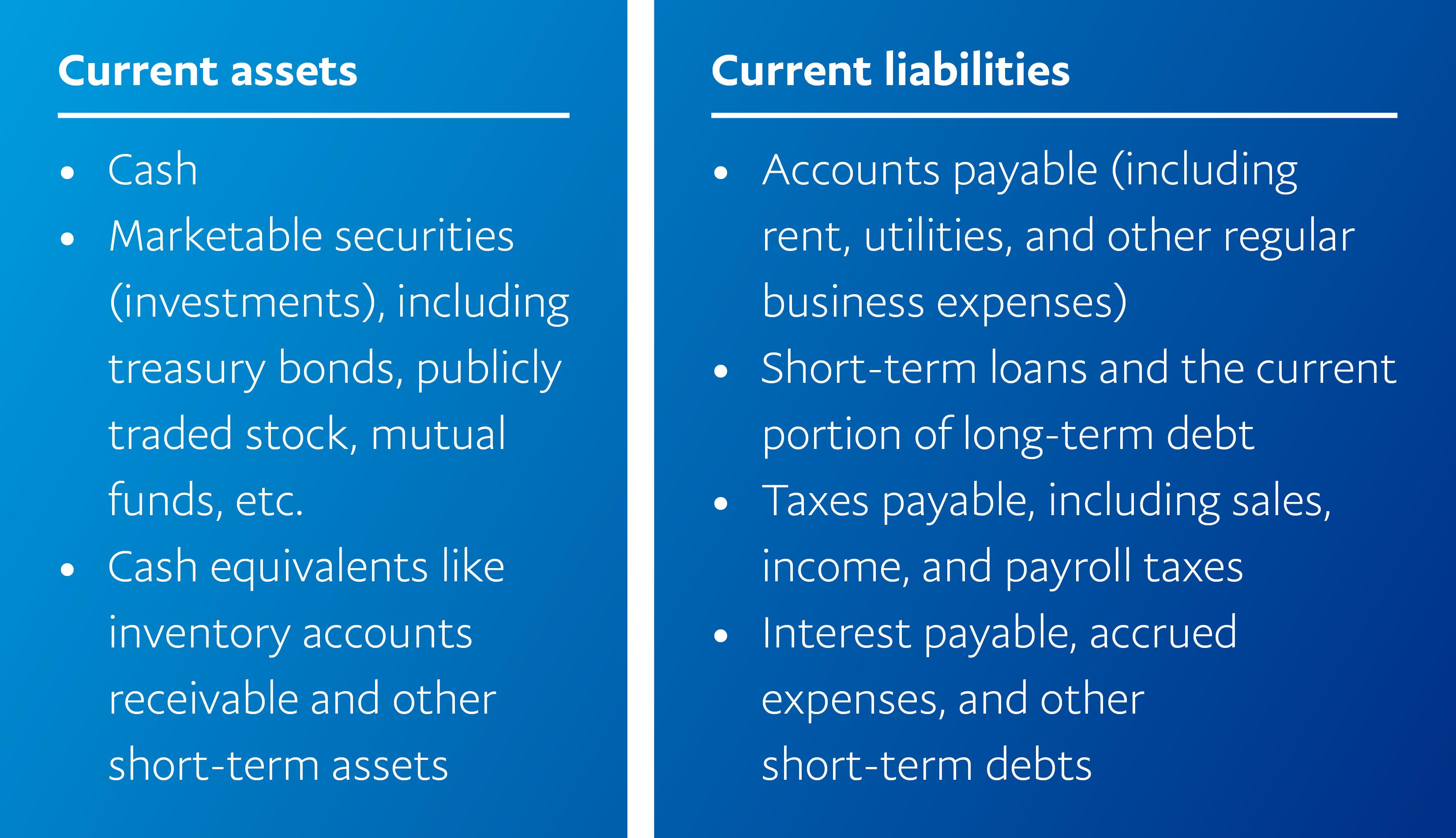
- Current (Short-Term) Liabilities: Obligations due within one year, including accounts payable, short-term loans, accrued expenses, and credit card balances.
- Long-Term Liabilities: Financial commitments extending beyond a single year, such as mortgages, long-term bonds, equipment leases, and student loans.
The Mathematical Reality: Assets Minus Liabilities
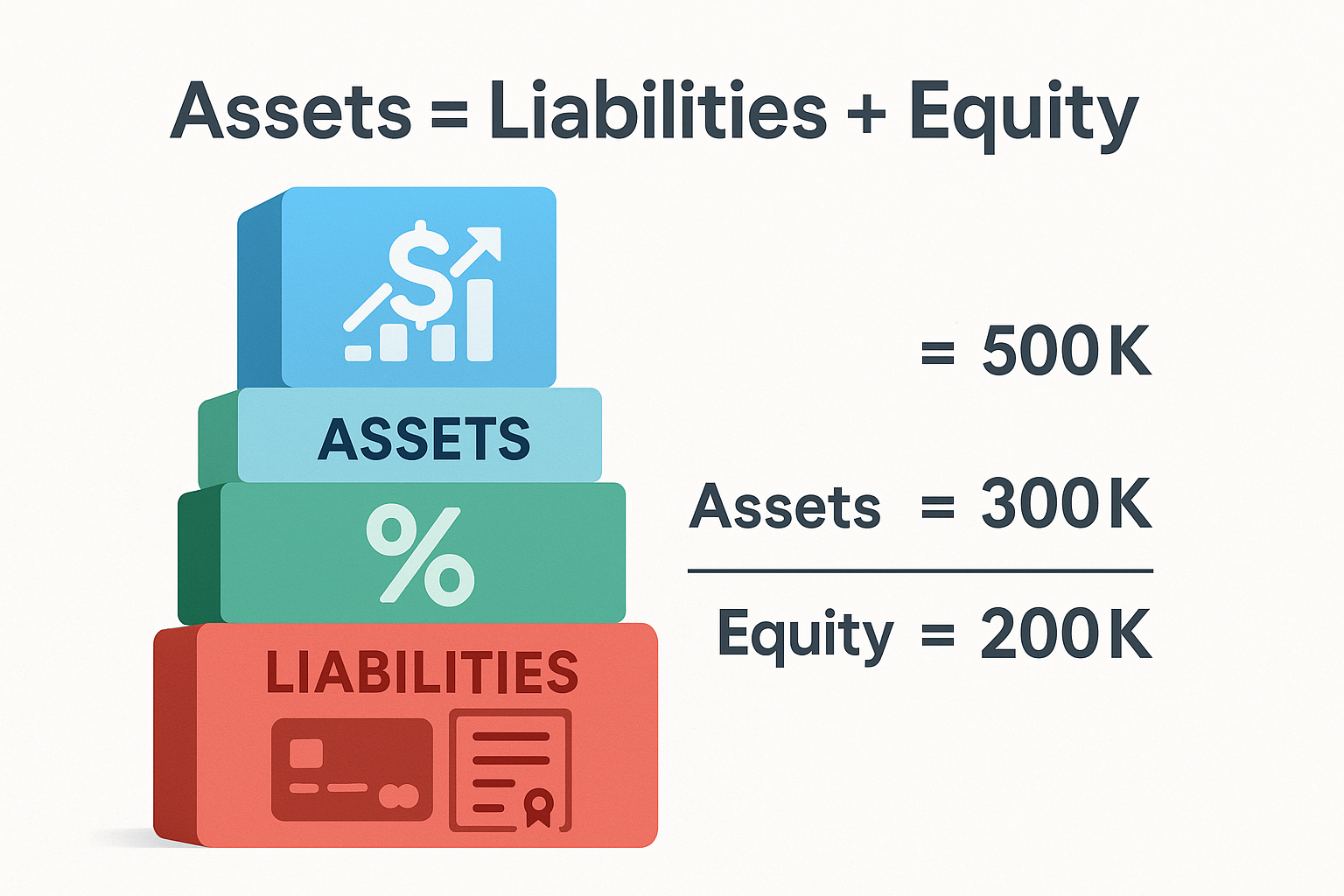
In financial accounting, the relationship between assets and liabilities is governed by the fundamental accounting equation:
$$\text{Assets} = \text{Liabilities} + \text{Equity (or Net Worth)}$$
Rearranging this equation to determine net worth gives:
$$\text{Net Worth} = \text{Assets} - \text{Liabilities}$$
Adding assets and liabilities together—rather than subtracting—does not produce a recognized financial metric for solvency. Doing so would conflate what you own with what you owe, treating a bank debt the same as a cash reserve.
However, examining both totals simultaneously is critical. A high asset value paired with an equally high liability value indicates high leverage, which can be risky if cash flow drops. Conversely, a modest asset base with zero liabilities represents a conservative, low-risk financial posture.
Personal Finance Application: Calculating Net Worth
For individuals, tracking assets and liabilities is the primary method for measuring long-term financial progress. Personal net worth provides a snapshot of economic health at any given moment.
Step-by-Step Personal Balance Sheet Creation
- List All Assets: Total the market value of your cash accounts, investment portfolios, retirement funds (such as 401(k) or IRA accounts), real estate equity, and valuable personal property.
- List All Liabilities: Total the remaining principal balances on your mortgages, auto loans, student loans, credit card debt, and personal loans.
- Perform the Calculation: Subtract total liabilities from total assets.
- Track Over Time: Repeat this calculation quarterly or annually to monitor whether your net worth is growing, stagnating, or declining.
| Financial Component | Examples | Impact on Financial Health |
|---|---|---|
| Liquid Assets | Cash, High-Yield Savings, Money Market | Provides immediate safety net and emergency funding. |
| Long-Term Assets | Real Estate, Retirement Accounts, Stocks | Builds long-term wealth and counters inflation. |
| Short-Term Liabilities | Credit Cards, Utility Bills, Personal Loans | High interest drains monthly cash flow if not paid quickly. |
| Long-Term Liabilities | 30-Year Mortgages, Large Student Loans | Represents significant commitments managed over decades. |
Corporate Balance Sheet Dynamics
In corporate finance, the relationship between assets, liabilities, and shareholders' equity is formally presented on a company's balance sheet. Publicly traded companies must adhere to strict accounting standards, such as the Generally Accepted Accounting Principles (GAAP) or International Financial Reporting Standards (IFRS), overseen by regulatory bodies like the U.S. Securities and Exchange Commission (SEC).
Solvency and Leverage Ratios
Financial analysts rarely look at assets or liabilities in isolation. Instead, they use ratios that combine both metrics to evaluate corporate stability:
- Debt-to-Equity Ratio: Total liabilities divided by shareholders' equity. This measures how much supplier and lender financing a company uses relative to shareholder investment.
- Current Ratio: Current assets divided by current liabilities. This assesses a company's ability to cover short-term obligations with short-term resources.
- Asset-to-Liability Ratio: Total assets divided by total liabilities. A ratio above 1.0 indicates that the entity is solvent, possessing more resources than obligations.
Common Misconceptions and Pitfalls
Misinterpreting the balance between what is owned and what is owed can lead to poor financial decision-making for both individuals and businesses.
- Confusing Cash Flow with Net Worth: Having high assets does not mean you have cash. A person can own a high-value home (asset) and carry a large mortgage (liability) while struggling to pay monthly utility bills due to low liquid cash flow.
- Ignoring Asset Depreciation: Assuming fixed assets retain their purchase price over time leads to inflated net worth calculations. Vehicles and technology depreciate rapidly.
- Undervaluing Low-Interest Debt: Not all liabilities are inherently bad. A low-interest mortgage used to purchase an appreciating asset can be a strategic financial tool, whereas high-interest revolving credit card debt erodes wealth rapidly.
Frequently Asked Questions
What is the difference between assets and liabilities?
Assets are economic resources that put money in your pocket or hold future value, such as cash, real estate, and investments. Liabilities are financial obligations that take money out of your pocket, such as loans, mortgages, and accounts payable.
Why shouldn't you add assets and liabilities together?
Adding assets and liabilities together combines what you own with what you owe, which provides no meaningful insight into your financial standing. True financial health is determined by subtracting liabilities from assets to find net worth.
Can liabilities ever exceed assets?
Yes. When an individual or business has liabilities greater than their total assets, they are in a state of negative net worth or insolvency. This is a common scenario for recent graduates with heavy student debt or homeowners who experience steep drops in property value relative to their mortgages.
How often should a personal balance sheet be updated?
For most individuals, updating your asset and liability totals once or twice a year is sufficient to track long-term trends. Those actively paying down debt or managing a complex investment portfolio may benefit from monthly updates.
Are all liabilities harmful to financial health?
No. Liabilities are often categorized as "good debt" or "bad debt." Good debt, such as a low-interest mortgage or a business expansion loan, helps acquire assets that appreciate or generate income. Bad debt involves high-interest borrowing for depreciating consumer goods.
Next Steps for Financial Management
To apply these principles effectively, start by drafting a personal or corporate balance sheet today. Itemize every asset at its current realistic market value and list every liability with its exact payoff amount. Monitor the resulting net worth regularly to ensure your financial strategy consistently builds long-term security.