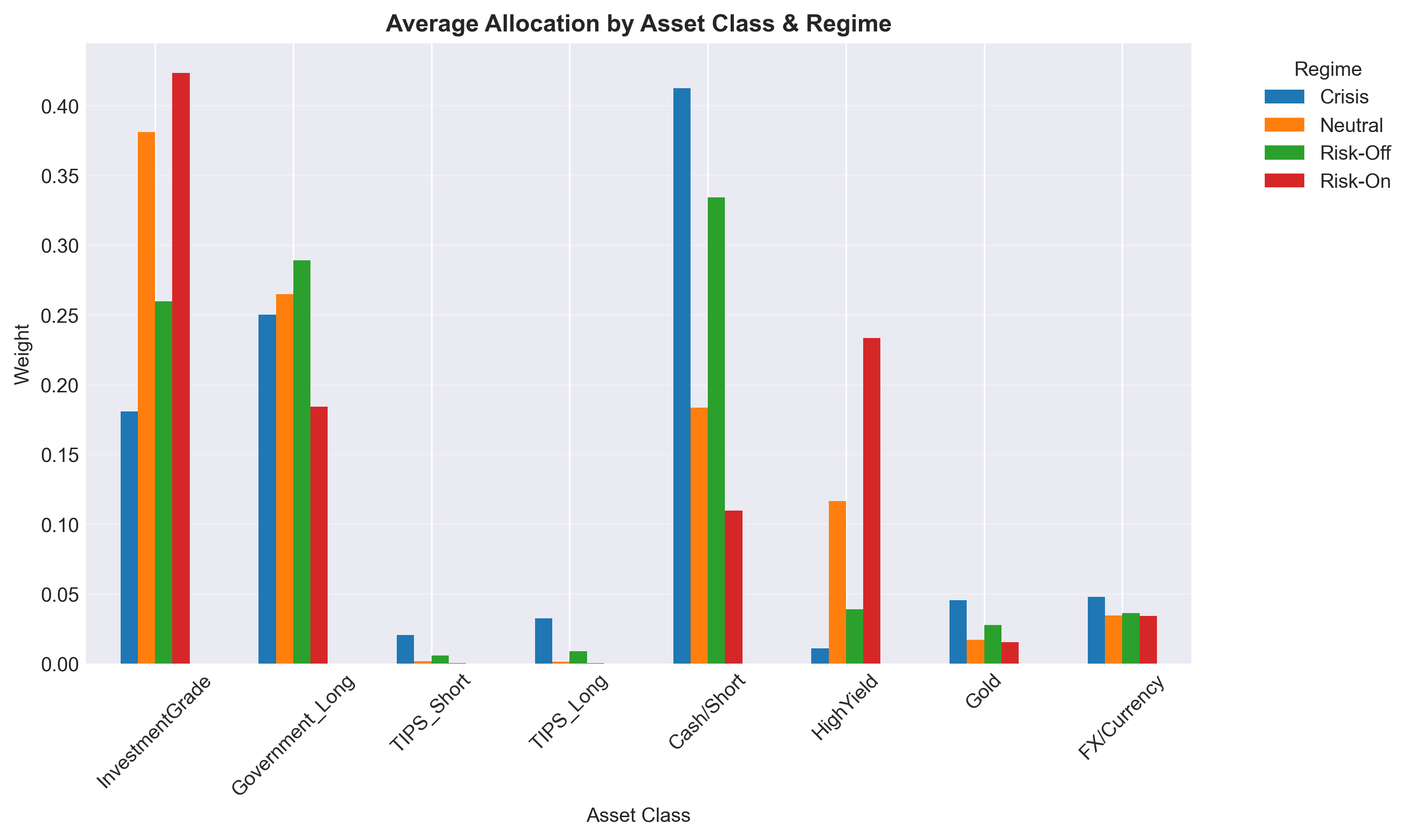
Asset allocation fixed income in modern portfolios functions as a vital anchor, designed to balance equity market volatility, generate predictable income, and preserve capital through various economic cycles. Modern portfolio construction utilizes fixed income not merely as a safe haven, but as a dynamic asset class capable of managing duration risk, enhancing liquidity, and optimizing risk-adjusted returns relative to equities.
The Role of Fixed Income in Contemporary Portfolio Construction
Fixed income securities historically served a straightforward purpose: generating regular income and providing a defensive cushion against equity market drawdowns. In modern portfolio theory, however, the role of fixed income has evolved significantly. Driven by shifting macroeconomic environments, fluctuating interest rate cycles, and the proliferation of innovative investment vehicles, wealth managers and individual investors must approach fixed income with a nuanced strategy.
The primary objectives of incorporating fixed income into a diversified portfolio include capital preservation, income generation, and risk mitigation. When equities experience severe downturns, high-quality bonds—particularly government issues—frequently exhibit a negative correlation, rallying as investors flee to safety. This flight-to-quality dynamic helps cushion the overall portfolio against catastrophic losses. Furthermore, fixed income assets provide predictable cash flows through periodic coupon payments. These distributions can be reinvested to compound wealth or utilized to meet ongoing liquidity needs without requiring the liquidation of appreciating equities at inopportune times.
Beyond these traditional attributes, modern portfolio management requires recognizing the multi-dimensional nature of fixed income. Bonds are no longer viewed as a monolithic asset class. Instead, the fixed income universe spans a broad spectrum of sub-asset classes, each carrying distinct risk and return profiles. Navigating this landscape effectively demands a clear understanding of how macroeconomic variables, such as inflation expectations and central bank monetary policies, influence bond valuations and yields.
Core Components of the Fixed Income Universe
To construct an effective fixed income allocation, investors must understand the various sectors that comprise the market. Each sector responds differently to economic shocks, interest rate shifts, and credit market conditions.
Government Bonds and Sovereign Debt
Government bonds, particularly U.S. Treasury securities, represent the benchmark risk-free rate of return within domestic financial markets. Backed by the full faith and credit of the issuing government, these instruments carry minimal default risk. Consequently, they serve as the ultimate ballast during periods of systemic financial stress. However, because of their high credit quality, they generally offer lower yields compared to corporate or high-yield debt. Investors must also remain mindful of duration risk, as long-term government bonds can suffer significant price declines when interest rates rise.
Investment-Grade Corporate Bonds
Corporate bonds are issued by corporations to fund capital expenditures, acquisitions, or ongoing operations. Investment-grade corporate bonds carry credit ratings of BBB- or higher from agencies like Standard & Poor's or Baa3 or higher from Moody's. These securities offer a credit spread—an extra yield over comparable government bonds—to compensate investors for taking on issuer-specific credit risk. In a modern portfolio, investment-grade corporates enhance overall yield while maintaining a relatively high degree of creditworthiness.
High-Yield and Emerging Market Debt
High-yield bonds (often referred to as junk bonds) and emerging market debt sit further out on the risk spectrum. High-yield corporate issuers have lower credit ratings due to higher financial leverage or business risk, necessitating higher coupon payments to attract capital. Emerging market debt involves sovereign or corporate issuance from developing economies, introducing currency volatility and geopolitical risks alongside potentially lucrative yields. While these segments can boost portfolio return, their correlation with equities tends to be much higher during market sell-offs, reducing their diversification benefits.
Securitized Products and Municipal Bonds
Securitized products, including mortgage-backed securities (MBS) and asset-backed securities (ABS), represent pools of underlying loans packaged into tradable assets. These instruments introduce prepayment risk and extension risk, requiring specialized analytical approaches. Municipal bonds, issued by state and local governments, offer tax-exempt income advantages for investors in high tax brackets, making them a staple of taxable wealth management strategies.
Evaluating Key Risks in Fixed Income Allocations
Successfully integrating fixed income into a modern portfolio requires a disciplined assessment of the risks that impact bond valuations. Ignoring these factors can lead to unintended portfolio concentration and vulnerability.
| Risk Type | Primary Impact on Fixed Income Assets |
|---|---|
| Interest Rate Risk | Bond prices fall as market interest rates rise. |
| Credit / Default Risk | Issuers fail to make scheduled coupon or principal payments. |
| Inflation Risk | Purchasing power of fixed cash flows declines over time. |
| Liquidity Risk | Difficulty executing trades without large price concessions. |
Interest Rate Risk and Duration Management
Interest rate risk is the most prominent hazard facing fixed income investors. There is an inverse relationship between bond prices and market interest rates: when rates rise, existing bond prices fall, and vice versa. Duration measures a bond's price sensitivity to interest rate changes, expressed in years. Portfolios exposed to long-duration assets will experience greater capital volatility in a rising-rate environment. Modern portfolio managers utilize duration matching and yield curve positioning to mitigate this vulnerability.
Credit Risk and Default Probability
Credit risk represents the possibility that a bond issuer will default on its financial obligations. While sovereign debt of developed nations minimizes this risk, corporate and emerging market sectors require rigorous fundamental credit analysis. Diversification across hundreds of issuers can mitigate single-company default risk, but systemic credit shocks can still cause widespread spread widening across corporate bond markets.
Inflation Risk and Purchasing Power
Fixed income assets typically feature fixed nominal coupon payments. When inflation rises faster than anticipated, the real purchasing power of those future cash flows diminishes. Investors must balance nominal yield targets against projected inflation rates, occasionally incorporating Treasury Inflation-Protected Securities (TIPS) or floating-rate notes to insulate the portfolio against inflationary shocks.
Strategic Approaches to Fixed Income Allocation
Determining the precise percentage of a portfolio dedicated to fixed income depends on individual investor constraints, time horizons, and risk tolerance. Financial planners historically relied on static rules of thumb, such as subtracting an investor's age from 100 to determine equity exposure (leaving the remainder for fixed income). Modern asset allocation, however, favors dynamic, goals-based frameworks.
Strategic vs. Tactical Asset Allocation
Strategic asset allocation establishes a long-term target mix of equities and fixed income aligned with an investor's risk profile. Rebalancing occurs periodically to maintain these target weights. Tactical asset allocation, on the other hand, allows portfolio managers to temporarily deviate from strategic baselines to capitalize on short-term market anomalies, macroeconomic trends, or valuation disparities across the yield curve. For instance, a manager might extend portfolio duration if economic indicators point toward an impending recession and subsequent central bank rate cuts.
Core-Satellite Approach
A popular methodology within modern wealth management is the core-satellite approach. The core of the fixed income allocation consists of broad-market, low-cost index funds or exchange-traded funds (ETFs) focused on high-quality government and aggregate bonds. This provides stability, liquidity, and benchmark-matching performance. The satellite portion consists of actively managed or specialized sub-asset classes—such as high-yield credit, bank loans, or emerging market debt—designed to generate alpha and enhance total portfolio yield.
Implementation Vehicles: Mutual Funds, ETFs, and Individual Bonds
Choosing the correct vehicle for fixed income exposure impacts cost, liquidity, and portfolio customization. Each vehicle possesses distinct operational characteristics.
- Individual Bonds: Purchasing individual government, corporate, or municipal bonds allows investors to hold securities to maturity, securing the par value return regardless of interim market price fluctuations. This eliminates management fees and provides precise cash-flow matching, though it requires significant capital to achieve adequate diversification.
- Mutual Funds: Open-end mutual funds pool capital from multiple investors to purchase a diversified portfolio of bonds managed by professional teams. They offer daily liquidity and professional management, though transaction costs and capital gains distributions require careful tax consideration in taxable accounts.
- Exchange-Traded Funds (ETFs): Fixed income ETFs trade on secondary exchanges throughout the trading day, combining the diversification of mutual funds with intraday liquidity and lower expense ratios. Bond ETFs generally do not mature, meaning the fund maintains a target duration by continuously rolling over holdings, exposing investors to ongoing interest rate fluctuations.
Common Missteps in Fixed Income Portfolio Management
Investors frequently undermine their portfolio performance through recurring behavioral and structural errors when allocating to fixed income.
- Treating Fixed Income as a Cash Equivalent: Investors sometimes mistake longer-term bonds for risk-free cash, only to experience unexpected capital losses during periods of rising interest rates. Cash equivalents should be restricted to short-term instruments like Treasury bills, money market funds, or high-yield savings accounts.
- Chasing Yield Without Credit Assessment: In low-rate environments, the temptation to reach for yield by concentrating in low-rated corporate or emerging market debt can expose the portfolio to severe drawdowns during economic contractions.
- Neglecting Rebalancing Disciplines: Failing to rebalance fixed income allocations after a major equity market rally or correction can leave a portfolio significantly more aggressive or conservative than intended.
Frequently Asked Questions
What percentage of a modern portfolio should be allocated to fixed income?
There is no universal percentage, as fixed income allocation depends entirely on an individual's time horizon, risk tolerance, and financial goals. Traditional guidelines suggested a 60/40 equity-to-fixed income split, but modern portfolios often customize this ratio using multi-asset optimization models and dynamic risk-parity approaches.
How does rising inflation impact fixed income securities?
Rising inflation erodes the real purchasing power of fixed coupon payments. Furthermore, central banks typically respond to high inflation by raising interest rates, which causes existing bond prices to fall. Investors concerned about inflation often allocate a portion of their fixed income exposure to inflation-indexed securities like TIPS.
What is the difference between duration and maturity?
Maturity is the exact date when a bond's principal must be repaid to the investor. Duration is a more comprehensive measure that calculates the weighted average time until all cash flows (both coupons and principal) are received, factoring in the present value of those cash flows and the bond's yield.
Can fixed income provide capital growth alongside income?
While fixed income is primarily designed for income generation and capital preservation, capital appreciation can occur. When market interest rates decline, existing bonds with higher coupon rates appreciate in price, allowing investors who trade bonds on the secondary market to realize capital gains.
Practical Next Steps for Portfolio Review
To optimize fixed income allocation within a modern portfolio, investors should conduct a comprehensive audit of their existing holdings. First, examine the weighted average duration of current fixed income assets to ensure exposure aligns with personal interest rate risk tolerance. Second, review credit quality breakdowns to verify that corporate or high-yield exposure does not introduce excessive default risk relative to return objectives. Finally, consult a qualified financial professional to align portfolio structures with overarching tax strategies and long-term financial plans.