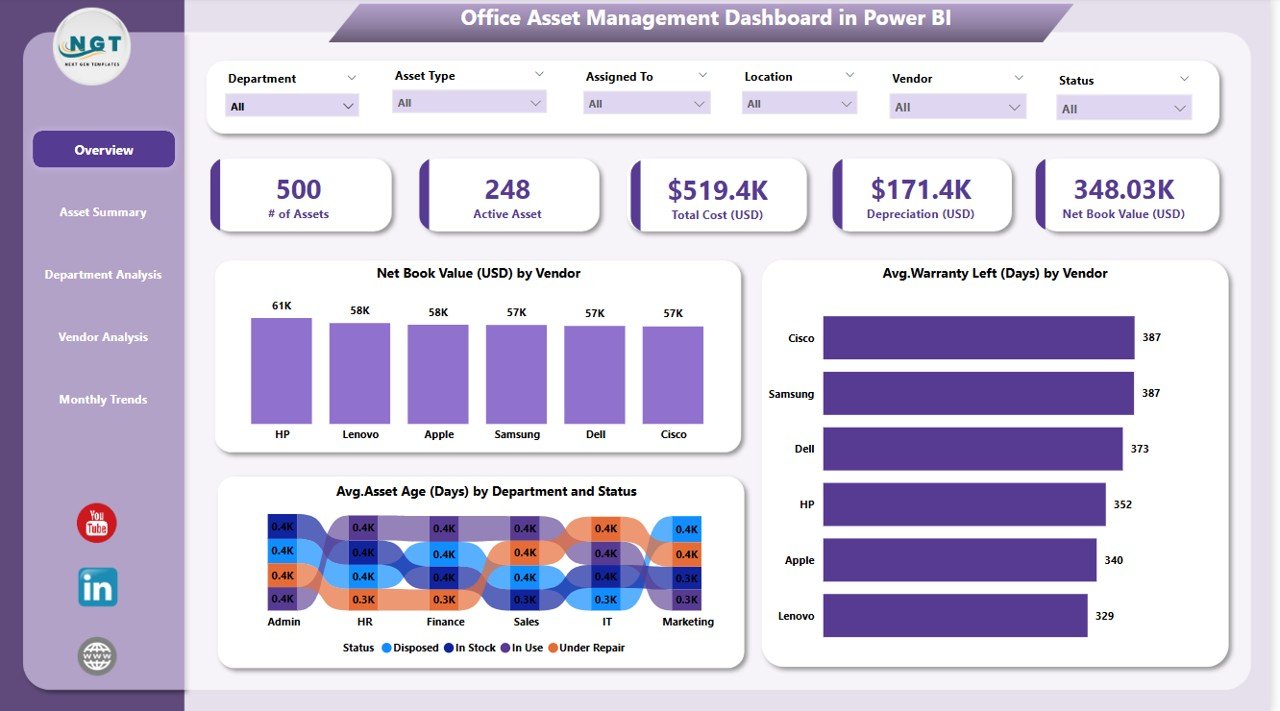
Asset management is a structured framework that businesses, financial institutions, and public agencies use to track, maintain, and optimize their valuable holdings. Whether an organization handles physical machinery, digital IT infrastructure, or financial portfolios, implementing a reliable management strategy ensures that these resources deliver maximum value over their lifecycle.
Understanding how different sectors approach this discipline requires looking at concrete asset management examples. By examining how financial wealth, enterprise IT systems, physical manufacturing equipment, and municipal infrastructure are managed, organizations can design effective strategies to mitigate risk, control costs, and improve operational efficiency.
What is Asset Management?
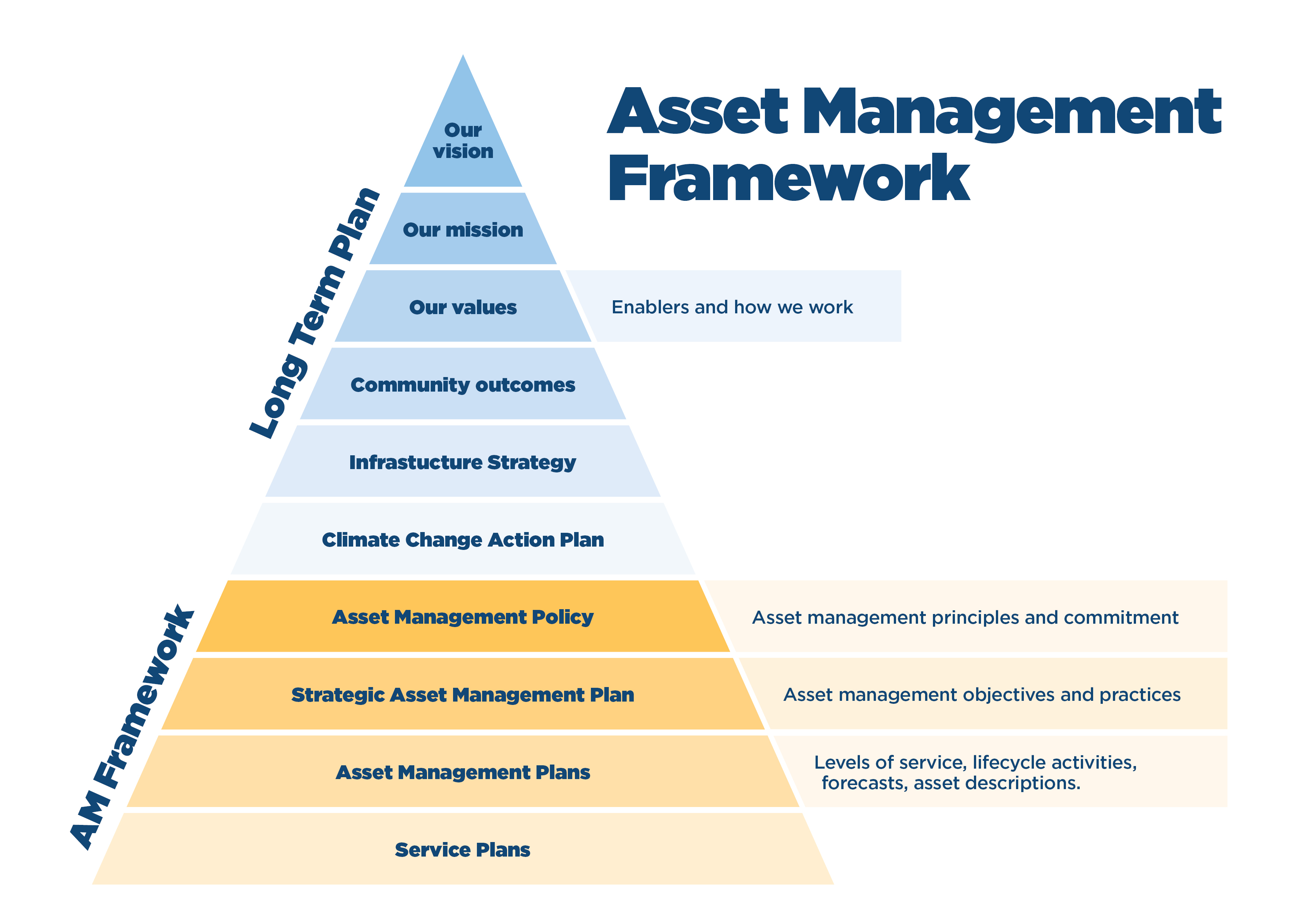
At its core, asset management is the systematic process of developing, operating, maintaining, upgrading, and disposing of assets cost-effectively. While the term frequently brings to mind Wall Street investment portfolios, the concept applies broadly to multiple industries. Every asset management example shares common objectives: maximizing the return on investment (ROI), minimizing downtime, ensuring regulatory compliance, and accurately accounting for depreciation and risk.
Organizations divide their holdings into distinct categories to apply appropriate controls. Financial assets include stocks, bonds, and cash equivalents. Physical assets encompass real estate, fleet vehicles, IT hardware, and heavy machinery. Intangible assets involve intellectual property, software licenses, patents, and brand equity. A cohesive strategy aligns the handling of these items with broader organizational goals.
Financial Asset Management Examples
In the financial sector, asset management refers to professional wealth management on behalf of individuals or institutions. Financial asset managers build, monitor, and rebalance portfolios to achieve specific financial goals while managing risk tolerance.
Individual Investment Portfolios
For a retail investor, a managed retirement account represents a classic financial asset management example. A mutual fund or exchange-traded fund (ETF) manager pools capital from thousands of investors to buy a diversified mix of equities, fixed-income securities, and alternative investments.
The manager continually reviews market conditions, buying and selling securities to maintain the desired asset allocation. For instance, if an investor targets an 80/20 stock-to-bond ratio, the manager performs quarterly rebalancing to sell appreciating assets and buy undervalued ones, mitigating portfolio volatility.
Institutional Asset Management
Large institutional entities—such as pension funds, university endowments, and sovereign wealth funds—utilize sophisticated institutional asset management frameworks. These organizations manage billions of dollars across global markets.
Their strategies often incorporate alternative asset classes, including private equity, venture capital, real estate, and infrastructure funds. The focus shifts toward long-term liability matching, ensuring that the returns generated by the asset pool match the future payout requirements of pension beneficiaries or institutional obligations.
Enterprise IT Asset Management (ITAM) Examples
In the technology space, Information Technology Asset Management (ITAM) tracks and optimizes an organization’s hardware, software, and cloud computing assets. ITAM combines financial, inventory, and contractual functions to manage the complete lifecycle of technology resources.
Software License Optimization
A global enterprise with 10,000 employees might use specialized ITAM software to manage software licensing compliance. Without a management system, the company risks paying for unused software subscriptions or facing steep vendor audit penalties for unauthorized installations.
An ITAM platform automatically discovers software deployments across all network endpoints. When an employee leaves the company or transitions to a different role, the system flags their software licenses, automatically revoking access and reallocating those licenses to incoming personnel. This prevents unnecessary software procurement expenditures.
Hardware Lifecycle Tracking
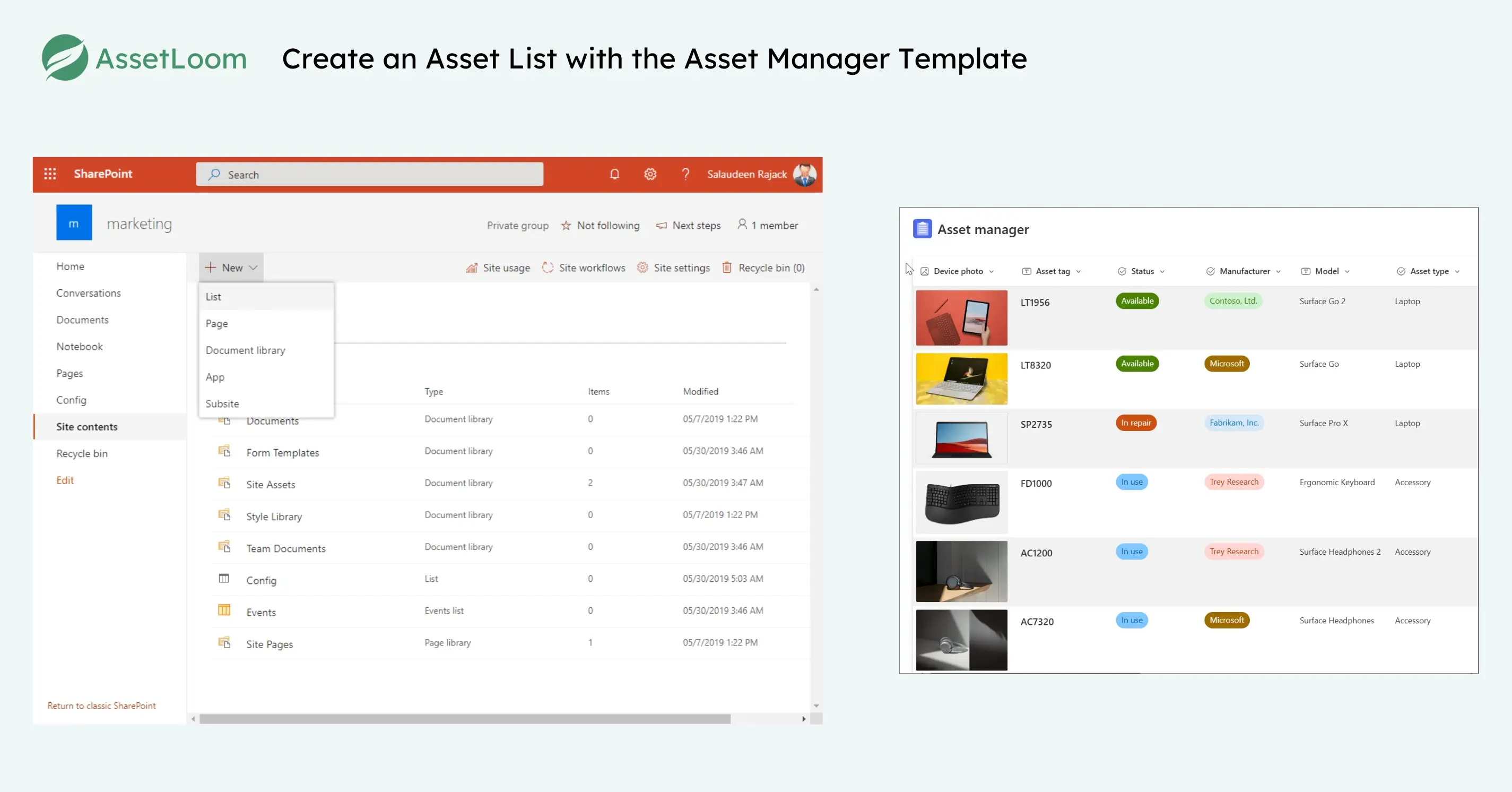
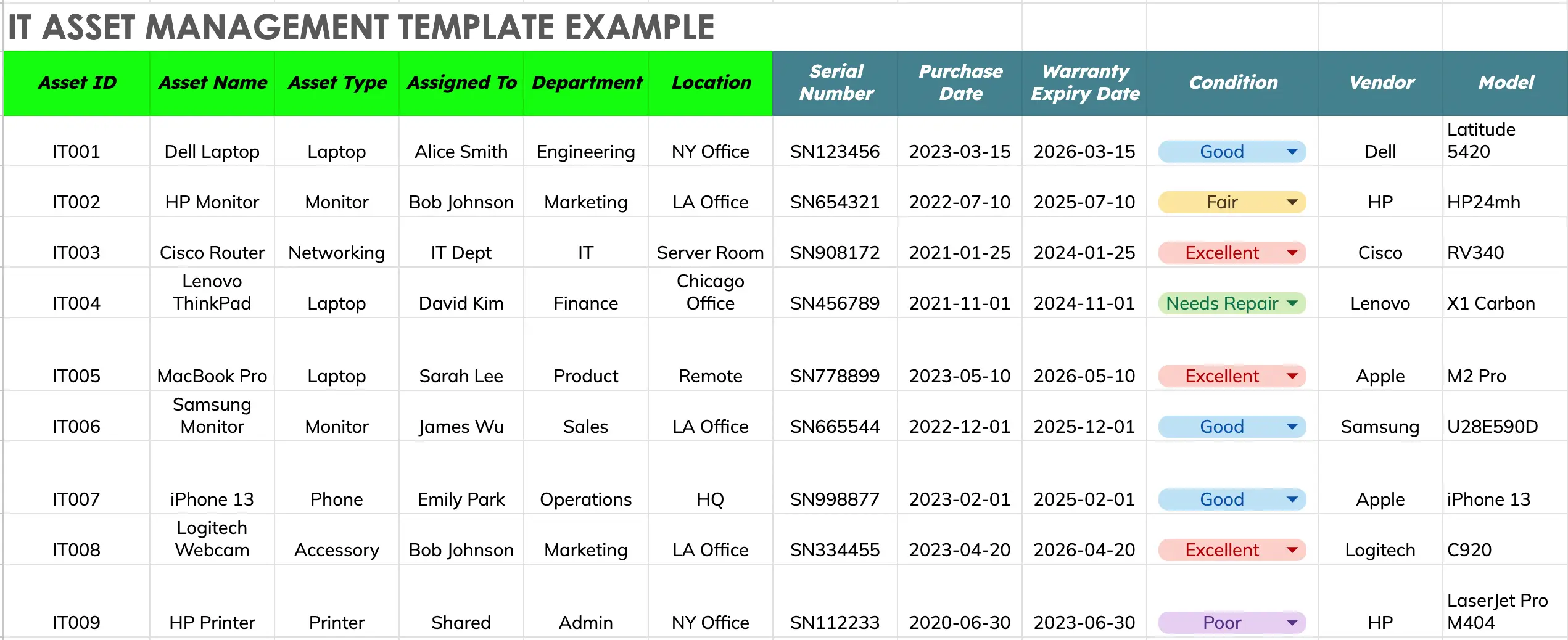
Another common ITAM example involves managing physical hardware, such as laptops, servers, and networking gear. An organization establishes a workflow that begins with procurement, continues through deployment and routine maintenance, and concludes with secure data wiping and recycling.
Tracking hardware serial numbers, warranty expiration dates, and maintenance logs ensures that laptops are replaced before hardware failures disrupt business operations, while also maintaining compliance with data privacy regulations by securely destroying data on retired hard drives.
Enterprise Asset Management (EAM) Examples
Enterprise Asset Management (EAM) focuses on physical infrastructure, manufacturing equipment, and heavy machinery. Asset-intensive industries—such as manufacturing, energy, and transportation—rely on EAM to maximize the uptime and lifespan of expensive capital assets.
Predictive Maintenance in Manufacturing
Consider an automotive manufacturing plant operating robotic assembly lines. Unplanned equipment failure halts production, resulting in substantial financial losses.
Using an EAM system integrated with Internet of Things (IoT) sensors, the plant monitors the vibration, temperature, and operating hours of critical industrial robots. Instead of relying on reactive repairs or rigid calendar-based maintenance schedules, the system triggers a work order for predictive maintenance the moment sensor data indicates abnormal wear. Technicians replace a failing bearing before it seizes, preventing catastrophic equipment damage and costly assembly line downtime.
Fleet Management in Logistics
A national freight trucking company relies on an EAM solution to manage its fleet of commercial vehicles. The software tracks fuel consumption, tire wear, driver behavior, and scheduled state inspections.
When a truck reaches a specific mileage threshold, the system automatically schedules an oil change and brake inspection at the nearest maintenance hub. This systematic approach reduces fuel costs, extends vehicle lifespans, and ensures regulatory compliance with transportation safety authorities.
Comparison of Asset Management Types
| Asset Management Type | Primary Focus | Common Technologies | Key Benefits |
|---|---|---|---|
| Financial Asset Management | Investment portfolios, wealth, equities, bonds | Portfolio management software, Bloomberg terminals | Maximized ROI, risk mitigation, wealth preservation |
| IT Asset Management (ITAM) | Software licenses, hardware, cloud infrastructure | Discovery agents, CMDB, licensing tools | Cost reduction, audit compliance, security |
| Enterprise Asset Management (EAM) | Machinery, facilities, vehicles, infrastructure | IoT sensors, Computerized Maintenance Management Systems (CMMS) | Reduced downtime, extended equipment lifespan |
| Digital Asset Management (DAM) | Media files, brand assets, imagery, videos | Cloud repositories, metadata tagging platforms | Brand consistency, rapid content retrieval, secure sharing |
Digital Asset Management (DAM) Examples
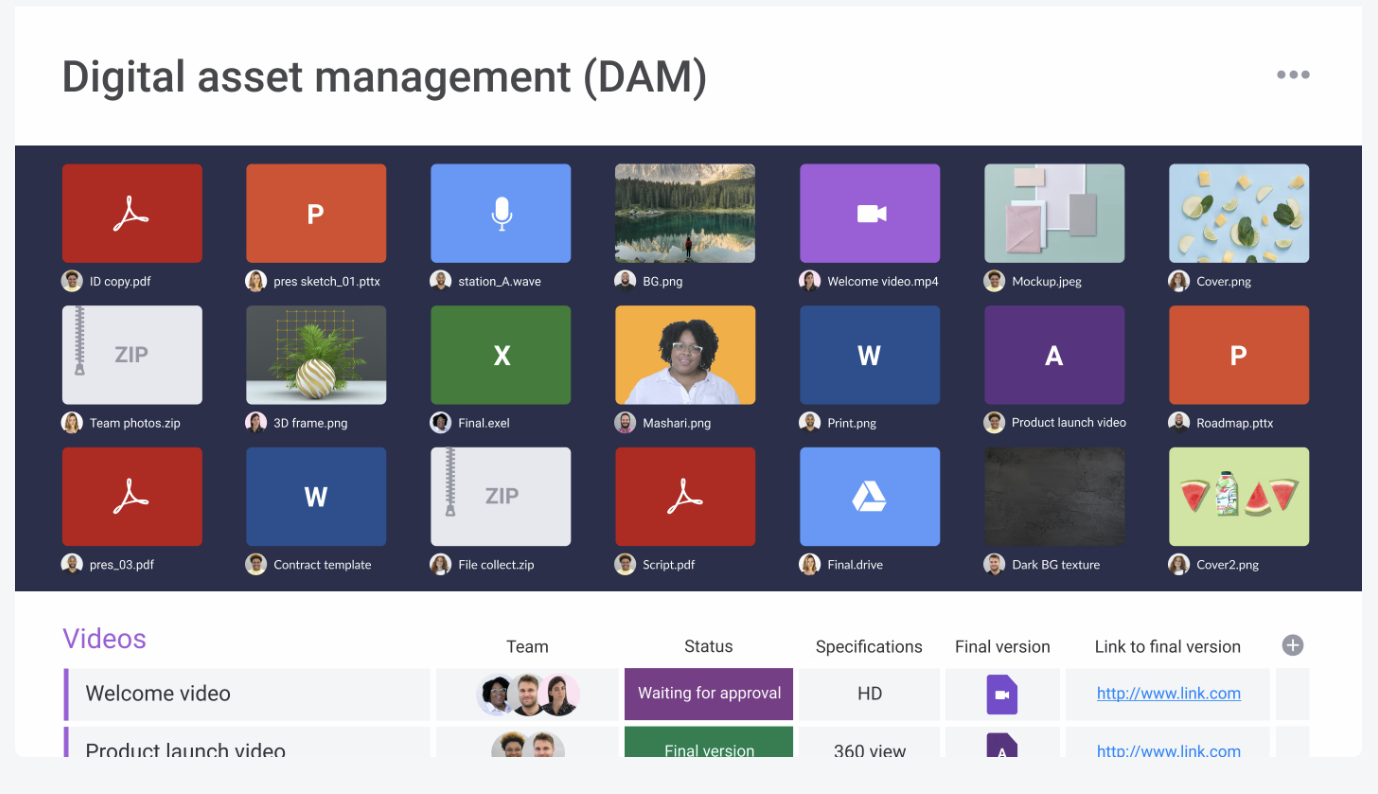
As businesses generate vast amounts of digital media, Digital Asset Management (DAM) systems have become essential for organizing, storing, and retrieving rich media files.
Marketing and Brand Asset Repositories
A multinational retail corporation maintains a centralized DAM platform to store high-resolution product photography, marketing videos, brand guidelines, and logos.
Regional marketing teams around the world access this secure cloud repository to download localized promotional materials. The DAM system enforces strict version control, ensuring that employees always use the most up-to-date brand logo rather than outdated variations, thereby protecting brand consistency across global campaigns.
Key Challenges and Best Practices
Implementing an asset management strategy across any domain introduces operational hurdles. Recognizing these challenges helps organizations design resilient workflows.
Common Challenges
- Data Silos: Different departments often maintain separate inventories, leading to duplicate data, blind spots, and inaccurate financial reporting.
- Resistance to Change: Employees accustomed to legacy manual tracking methods may resist adopting automated software platforms or barcode scanning protocols.
- Incomplete Lifecycle Data: Failing to record maintenance history or acquisition costs accurately skews depreciation calculations and investment decisions.
Implementation Best Practices
- Establish Clear Ownership: Assign designated asset managers or product owners responsible for maintaining data accuracy and enforcing compliance policies.
- Automate Data Collection: Integrate barcode scanners, RFID tags, IoT sensors, or automated software discovery tools to reduce manual entry errors.
- Audit Regularly: Conduct periodic physical and digital audits to reconcile inventory records with actual holdings on the ground or in the portfolio.
Frequently Asked Questions
What is the primary goal of asset management?
The primary goal is to maximize the value, utility, and return on investment of an organization's resources while minimizing risks and operational costs throughout their lifecycle.
How does ITAM differ from EAM?
ITAM focuses specifically on information technology assets such as software licenses, servers, and endpoints. EAM focuses on physical infrastructure, manufacturing machinery, fleet vehicles, and heavy equipment.
What role do IoT sensors play in physical asset management?
IoT sensors provide real-time operational data—such as temperature, vibration, and usage hours—allowing organizations to transition from reactive repairs to predictive maintenance models.
How often should asset audits be conducted?
Audit frequency depends on the asset type and regulatory requirements. High-value mobile IT assets and financial portfolios are typically audited continuously or quarterly, while heavy industrial machinery undergoes ongoing sensor monitoring with annual physical reviews.
What is the financial impact of poor asset management?
Poor asset management leads to unnecessary procurement expenses, regulatory penalties for non-compliance, unexpected equipment failures, and inefficient capital allocation that depresses overall profitability.
Conclusion
Effective asset management bridges the gap between operational execution and financial strategy. Whether managing financial portfolios, enterprise software, or industrial machinery, organizations that adopt structured tracking, predictive maintenance, and lifecycle optimization achieve greater resilience and profitability. To begin improving your organization's practices, audit your current inventory methods, identify critical data silos, and invest in centralized tracking tools tailored to your specific industry.