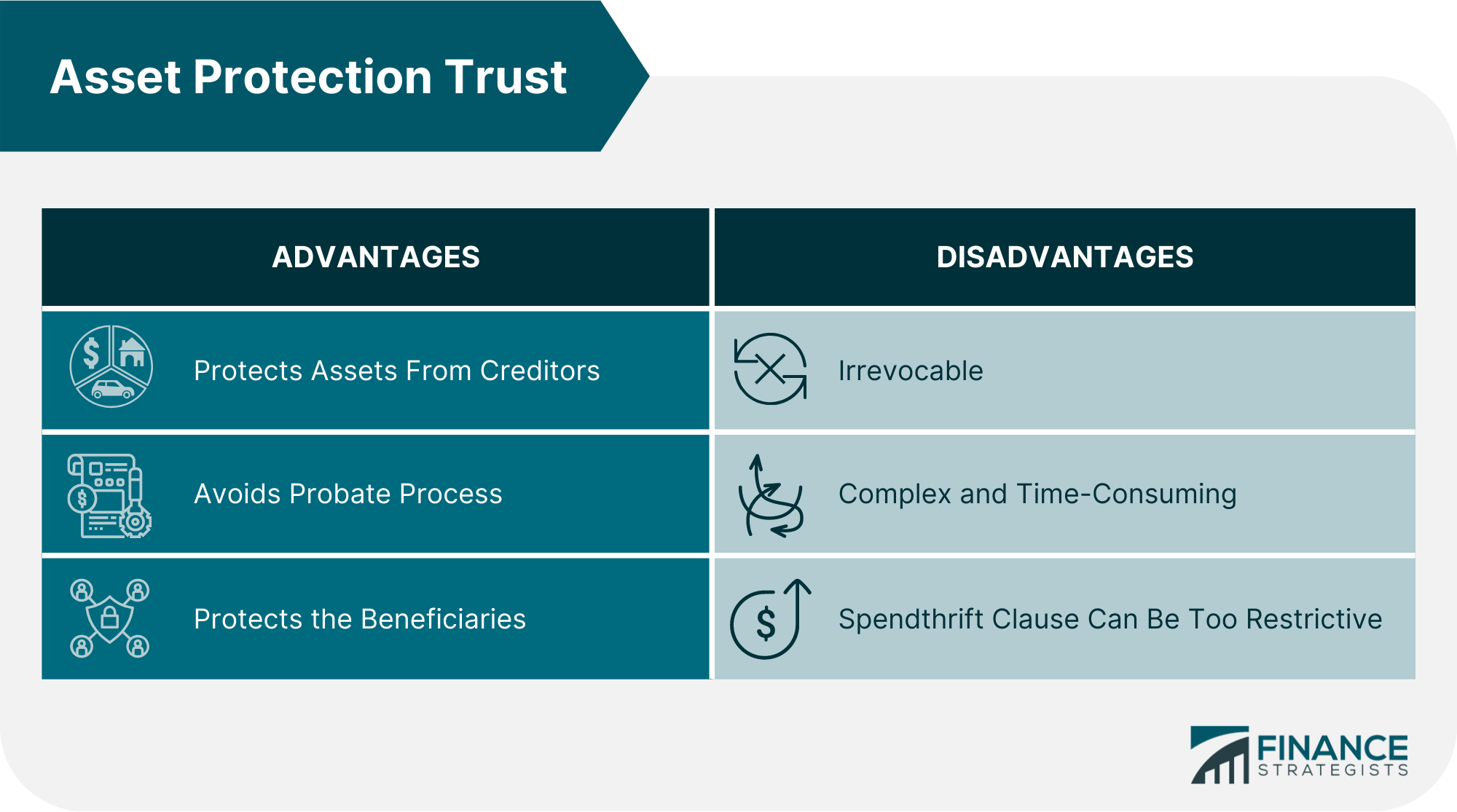
Asset protection life insurance policies combine traditional death benefits with cash-value accumulation designed to shield wealth from creditors, legal judgments, and market volatility. Evaluating these specialized financial products requires a careful look at statutory exemptions, cash-value structures, insurer financial strength ratings, and policy fees. Because state laws and contract terms heavily dictate how well these policies perform, consumer reviews often highlight a stark contrast between properly structured permanent life insurance and poorly managed contracts that fail under legal scrutiny or heavy cost pressures.
Understanding Asset Protection Life Insurance
Asset protection life insurance refers to the use of specific permanent life insurance policies—primarily whole life, universal life, or indexed universal life—to secure personal wealth away from the reach of potential future creditors. When individuals explore these products, they are typically looking for a dual-purpose financial tool: one that provides a legacy or income replacement for beneficiaries while simultaneously placing accumulated cash value behind legal shields.
In the United States, insurance products are regulated at the state level. This means the degree to which life insurance cash values and death benefits are protected from creditors depends entirely on the state in which the policyholder resides. Some states offer near-total exemptions for life insurance cash values and death benefits, while others place strict dollar caps on the amount of protected assets. Reviewing an asset protection life insurance strategy therefore requires examining both the insurance contract itself and the relevant state debtor-creditor statutes.
Furthermore, these products are not inherently bulletproof. Courts have established that if a policy is purchased with the actual intent to defraud creditors—especially if bought when a lawsuit is already pending or imminent—judges can invalidate the protection under fraudulent transfer laws. Consequently, asset protection life insurance must be implemented proactively as part of an estate plan, rather than reactively as a shield against active legal liabilities.
Core Features Examined in Policy Reviews
When financial analysts and consumer advocates review asset protection life insurance products, they generally focus on several structural components that determine long-term viability and safety.
Cash Value Accumulation and Growth Mechanics
Permanent life insurance policies feature a cash value account that grows on a tax-deferred basis. Reviews frequently analyze how this cash value is credited:
- Whole Life: Offers guaranteed fixed growth rates backed by the insurer's general portfolio, along with potential dividends.
- Universal Life: Ties growth to current interest rates set by the insurer, offering more flexibility in premium payments.
- Indexed Universal Life (IUL): Links interest crediting to the performance of an external market index, such as the S&P 500, with a guaranteed floor (often 0%) and a participation cap.
Creditor Exemptions by Jurisdiction
A comprehensive review of any policy must account for jurisdictional variations. For example, states like Florida and Texas offer robust statutory protections shielding life insurance cash values and death benefits entirely from most creditors. Conversely, states with low statutory limits leave policyholders vulnerable if a judgment creditor forces the liquidation of non-exempt assets.
Fees, Cost of Insurance, and Expenses
One of the most common criticisms found in objective policy reviews involves the high internal cost structure. Permanent life insurance policies are front-loaded with commissions, administrative fees, premium taxes, and the rising cost of insurance (COI) as the insured ages. Reviews often warn that if a policy is not properly funded or if market performance falls short of projections, the internal fees can erode the cash value, eventually causing the policy to lapse.
Examining Market Alternatives and Structuring Options
Consumers evaluating life insurance for asset protection often compare it against other legal structures designed to safeguard wealth. Understanding how life insurance interacts with these alternatives helps contextualize consumer reviews and expert recommendations.
| Structure / Tool | Primary Asset Protection Benefit | Liquidity and Access | Cost and Complexity |
|---|---|---|---|
| Irrevocable Life Insurance Trust (ILIT) | Removes death benefit and cash value from the taxable estate and shields it from personal creditors. | Low; once established, the grantor relinquishes direct control over the trust assets. | High; requires legal drafting, tax filings, and ongoing administrative oversight. |
| Exempt Permanent Life Insurance | Shields cash value and death benefits based on state statutory exemptions. | Moderate; policy loans and withdrawals allow access to cash value. | Moderate to High; high internal insurance fees and premium commitments. |
| Domestic Asset Protection Trust (DAPT) | Allows asset shielding while permitting the grantor to remain a discretionary beneficiary (in select states). | Low to Moderate; subject to state fraudulent transfer look-back periods. | High; requires specialized legal counsel and trustee arrangements. |
| Limited Liability Company (LLC) / FLP | Provides a charging order protection barrier against external creditors seeking business or real estate assets. | Moderate; managed by the general partner or managing member. | Moderate; requires annual state filings and strict corporate formalities. |
Common Criticisms and Pitfalls Highlighted in Reviews
Negative reviews and independent financial analyses of asset protection life insurance typically focus on specific operational and structural risks that catch unprepared buyers off guard.
- Overreliance on Projected Rates: Many permanent policies—particularly IULs—are sold using historical or overly optimistic crediting rate illustrations. When actual market returns underperform, the cash value lags behind projections, requiring higher out-of-pocket premium payments to keep the policy active.
- Fraudulent Conveyance Vulnerabilities: As noted by legal experts, moving large sums of money into a life insurance policy after a claim or lawsuit has arisen does not shield the funds. Courts routinely rule such transactions voidable under the Uniform Voidable Transactions Act (UVTA).
- High Surrender Charges: Policies often feature surrender periods lasting 10 to 15 years, during which withdrawing cash or terminating the contract incurs steep financial penalties. This severely limits liquidity for individuals who might need those funds unexpectedly.
- Complexity of Policy Management: Unlike term life insurance, which is straightforward, permanent policies require ongoing monitoring. Changes in interest rates, mortality charges, and loan balances can trigger unexpected policy lapses if the contract is ignored.
How to Evaluate an Asset Protection Life Insurance Proposal
For individuals considering these products, navigating the market requires a structured, skeptical approach. Reviewing a proposal effectively involves examining both the issuing insurance carrier and the specific mechanics of the contract.
- Verify Insurer Financial Strength: Check the financial ratings of the insurance company through independent agencies such as A.M. Best, Moody's, Standard & Poor's, and Fitch. Asset protection strategies rely on the long-term solvency of the insurer, often spanning decades.
- Consult State Statutory Laws: Work with a qualified estate planning attorney—independent of the insurance agent—to verify the exact asset protection limits provided by your state's insurance code.
- Request In-Force Illustrations at Lower Rates: Ask the agent or financial advisor to run policy illustrations using conservative interest assumptions (e.g., 2% to 3% lower than the current projected rate) to see how the policy performs under stress.
- Examine Loan Provisions: Review how policy loans operate, including fixed versus variable loan interest rates, to understand the net cost of accessing your cash value during an emergency.
- Separate Sales Pitch from Legal Reality: Recognize that insurance agents are often incentivized by high first-year commissions on permanent life insurance products. Independent legal counsel should always validate the asset protection capabilities of the structure.
Frequently Asked Questions
Is life insurance automatically protected from creditors?
No. While many states offer strong statutory exemptions for life insurance cash values and death benefits, the level of protection varies drastically by jurisdiction. Furthermore, if a policyholder transfers assets into a life insurance policy with the intent to defraud creditors, the protection can be undone by a court.
Can creditors seize the cash value of a whole life insurance policy?
In states with generous debtor exemption laws, creditors generally cannot seize cash values up to certain statutory limits (or entirely, in states like Texas and Florida). However, in states with weak exemptions or where federal bankruptcy rules apply without state opt-outs, cash values above statutory thresholds may be vulnerable.
What is an ILIT and how does it relate to asset protection life insurance?
An Irrevocable Life Insurance Trust is a legal entity that owns a life insurance policy. By placing the policy inside an ILIT, the insured removes the asset from their personal estate, effectively shielding both the death benefit and cash value from personal creditors and estate taxes.
Are indexed universal life (IUL) policies good for asset protection?
IUL policies offer cash-value accumulation tied to market indexes with downside floors, which can be attractive for wealth preservation. However, they also feature complex fee structures and rising insurance costs as the insured ages, meaning reviews often advise caution and thorough stress-testing before purchase.
When should someone set up asset protection life insurance?
Asset protection planning must always be done proactively—long before any legal claims, liabilities, or lawsuits arise. Implementing these strategies after a legal dispute has begun can result in the transfer being classified as a fraudulent conveyance.
Conclusion and Next Actions
Asset protection life insurance can serve as a valuable component of a comprehensive wealth preservation plan, provided it is approached with a clear understanding of its limitations, costs, and state-specific legal boundaries. Readers should avoid relying solely on marketing materials provided by insurance agents. Instead, the most prudent next step is to consult an independent estate planning attorney and a fee-only financial planner to review existing asset structures, evaluate state debtor-creditor laws, and ensure any permanent life insurance purchase aligns with broader long-term financial and legal goals.