An asset management model is a structured framework that guides organizations in acquiring, operating, maintaining, upgrading, and disposing of their physical, financial, and digital assets efficiently. By balancing costs, risks, performance, and sustainability, this strategic approach helps enterprises maximize the lifecycle value of their holdings while meeting regulatory requirements and operational goals.
Organizations across industries face an ongoing challenge: how to extract maximum value from their capital investments while minimizing operational friction and unexpected downtime. Whether managing a sprawling portfolio of physical infrastructure, enterprise IT hardware, or complex financial capital, leadership teams require a systematic way to track, evaluate, and optimize their holdings. An asset management model provides this exact blueprint. It acts as an organizational compass, aligning daily operational decisions with long-term strategic objectives to ensure that every asset delivers measurable return on investment.
The Core Concept of an Asset Management Model
At its foundational level, an asset management model is not merely a piece of software or a static checklist; it is an integrated management framework. It combines organizational policies, operational processes, data analytics, and stakeholder responsibilities to govern assets from conception to retirement.
In practice, the model establishes a continuous feedback loop. Assets are planned and procured based on rigorous need assessments, maintained through proactive and predictive strategies, and ultimately decommissioned or replaced when their total cost of ownership outweighs their utility. This lifecycle perspective prevents premature obsolescence, eliminates redundant purchases, and ensures that maintenance budgets are directed toward high-impact areas.
Financial vs. Physical vs. Digital Assets
Different types of assets require distinct operational approaches within a comprehensive management model:
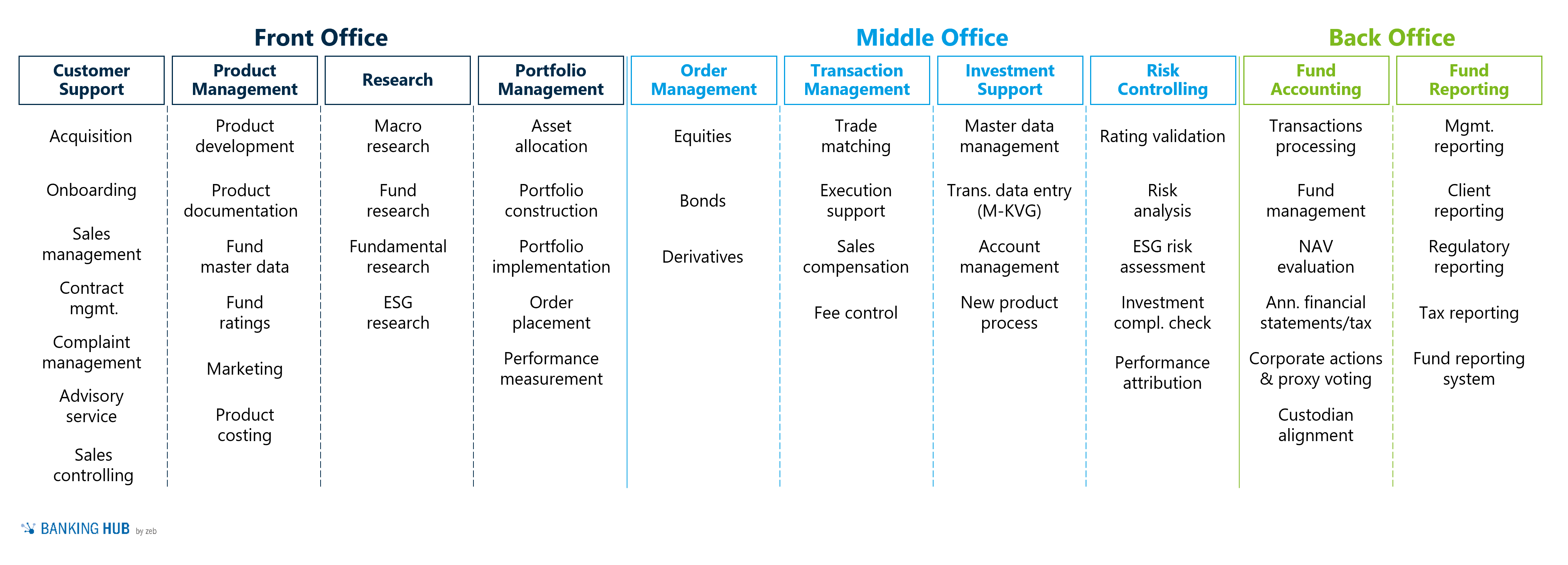
- Financial Assets: Comprising stocks, bonds, cash equivalents, and real estate investments, these models focus on yield optimization, risk management, asset allocation, and liquidity maintenance.
- Physical Assets: Encompassing manufacturing equipment, corporate real estate, fleet vehicles, and utility infrastructure, these models prioritize physical maintenance, safety compliance, uptime maximization, and depreciation tracking.
- Digital Assets: Involving software licenses, cloud infrastructure, intellectual property, and enterprise data, these models emphasize cybersecurity, access control, licensing compliance, and scalable utilization.
Key Frameworks and Industry Standards
To implement an effective asset management model, organizations frequently rely on globally recognized standards and frameworks. These standards provide a universal vocabulary, benchmark metrics, and structured guidelines that ensure compliance and operational excellence.
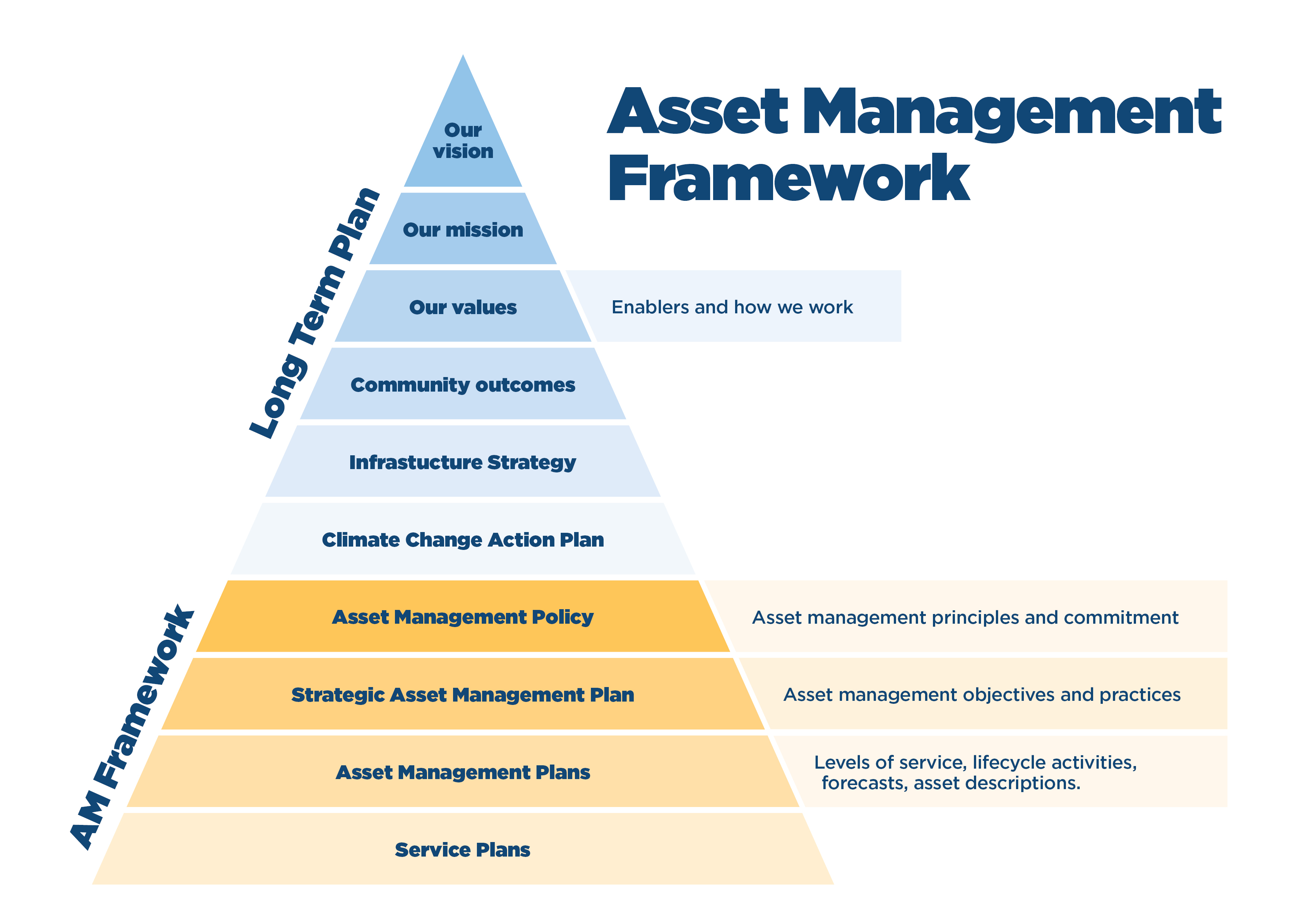
The most prominent framework for physical and infrastructure assets is ISO 55000 (along with ISO 55001 and ISO 55002). Established by the International Organization for Standardization, ISO 55000 outlines the requirements for establishing, implementing, maintaining, and continually improving an asset management system. It emphasizes leadership commitment, risk management, and alignment with corporate strategy.
For digital and IT assets, organizations frequently turn to the Information Technology Infrastructure Library (ITIL), specifically its asset and configuration management practices. ITIL provides guidance on managing the lifecycle of IT services and assets, ensuring that hardware and software deployments align with business demands while maintaining strict accountability and audit readiness.
The Asset Lifecycle Stages
A robust asset management model breaks down an asset's existence into distinct, manageable phases. Each phase requires specific governance rules, data tracking mechanisms, and performance indicators.
- Planning & Acquisition
- Deployment & Operation
- Maintenance & Optimization
- Decommissioning & Disposal
1. Planning and Acquisition
This initial phase involves identifying the operational need, conducting cost-benefit analyses, and evaluating procurement options. Decisions made during this stage dictate up to 80% of an asset's total lifecycle cost. Effective models incorporate total cost of ownership (TCO) calculations rather than focusing solely on the initial purchase price.
2. Deployment and Operation
Once acquired, the asset is integrated into the operational environment. This stage involves asset tagging, baseline performance calibration, user training, and initial data logging into centralized management systems. Operational monitoring ensures the asset is utilized according to its design specifications.
3. Maintenance and Optimization
Maintenance strategies form the beating heart of physical and technical asset management. Organizations typically progress from reactive maintenance (fixing things after they break) to preventative maintenance (scheduled servicing) and predictive maintenance (using IoT sensors and data analytics to service equipment right before failure occurs). Optimization during this phase extends asset lifespan and reduces unexpected downtime.
4. Decommissioning and Disposal
All assets eventually reach the end of their useful lives. A mature management model ensures that disposal processes are secure, environmentally compliant, and economically advantageous. For digital assets, this includes secure data wiping; for physical assets, it involves recycling, hazardous material handling, or liquidation.
Strategic Benefits of Implementing a Structured Model
Adopting a formalized asset management model yields profound operational and financial advantages for enterprises of all sizes.
First, it significantly reduces operational expenditures (OpEx) and capital expenditures (CapEx). By maintaining visibility over existing inventory, organizations avoid duplicate purchases and unnecessary rush shipping fees for replacement parts. Furthermore, proactive maintenance prevents catastrophic equipment failures that halt production and incur massive repair costs.
Second, structured models enhance regulatory compliance and risk management. Industries such as energy, healthcare, aviation, and finance face stringent oversight regarding asset safety and auditing. A documented management model provides an unshakeable audit trail, proving that equipment is inspected, maintained, and retired according to legal standards.
Third, these models improve decision-making through data-driven insights. Rather than relying on intuition, executive leadership can review historical performance data, utilization rates, and maintenance logs to make informed choices regarding capital allocation and portfolio expansion.
Comparing Asset Management Approaches
Organizations can choose from several distinct modeling styles depending on their industry, regulatory environment, and organizational maturity.
| Model Type | Primary Focus | Ideal For | Key Advantage | Potential Limitation |
|---|---|---|---|---|
| Financial Yield Model | Portfolio returns, risk mitigation, liquidity | Investment firms, wealth management, banking | Maximizes capital growth and safeguards against market volatility | Highly sensitive to macroeconomic fluctuations |
| Reliability-Centered Model | Uptime, preventive maintenance, safety | Manufacturing, aviation, utility providers | Drastically reduces unexpected equipment failure | Requires significant investment in sensor technology and data analytics |
| Compliance-Driven Model | Regulatory adherence, audit trails, safety standards | Healthcare, pharmaceuticals, nuclear energy | Ensures strict adherence to legal mandates and minimizes liability | Can become overly bureaucratic and slow down operational agility |
| IT Asset Management (ITAM) | Software compliance, license optimization, hardware tracking | Enterprise technology departments, SaaS companies | Eliminates software license waste and mitigates cybersecurity risks | Requires continuous monitoring of dynamic digital environments |
Common Implementation Challenges and Pitfalls
Despite the clear benefits, organizations frequently encounter hurdles when rolling out a new asset management model. Recognizing these pitfalls is the first step toward avoiding them.
Data Silos and Inaccurate Inventory
A model is only as good as the data feeding it. When different departments maintain independent spreadsheets or software tools, data silos emerge. Inaccurate or outdated asset registers lead to ghost assets (items that are tracked on paper but no longer exist physically or operationally), distorting financial reports and operational planning.
Cultural Resistance to Change
Transitioning from a reactive firefighting culture to a structured, predictive asset management environment requires a significant shift in employee behavior. Technicians and operators accustomed to legacy habits may resist logging maintenance data or adhering to new workflow protocols. Overcoming this requires comprehensive training, clear communication of benefits, and leadership buy-in.
Over-complication and Tool Bloat
Some organizations attempt to implement overly complex frameworks immediately, purchasing expensive enterprise software before defining their core processes. This leads to tool bloat—where the system is too complicated for everyday users, resulting in low adoption rates and poor data quality.
Best Practices for Successful Deployment
To ensure a smooth rollout and maximize the return on your management framework, consider the following evidence-based implementation strategies:
- Start with a Comprehensive Audit: Conduct a thorough physical and digital inventory audit to establish a clean baseline before configuring your management software or workflows.
- Define Clear KPIs: Establish measurable performance indicators—such as Mean Time Between Failures (MTBF), Overall Equipment Effectiveness (OEE), and Total Cost of Ownership (TCO)—to track the model's success.
- Integrate Cross-Functional Teams: Ensure that finance, operations, IT, and maintenance departments collaborate during the design phase so the model reflects the holistic needs of the organization.
- Iterate and Scale: Begin with a pilot program in a single department or facility, refine the processes based on user feedback, and then scale the model enterprise-wide.
Frequently Asked Questions
What is the primary purpose of an asset management model?
The primary purpose is to provide a structured framework for maximizing the value, efficiency, and safety of an organization's assets throughout their entire lifecycle while minimizing costs and risks.
How does ISO 55000 relate to asset management models?
ISO 55000 is an international standard that provides an overarching framework and terminology for establishing, implementing, and maintaining an asset management system, serving as a benchmark for organizational excellence.
What is the difference between ITAM and physical asset management?
IT Asset Management (ITAM) focuses specifically on digital assets, software licenses, and hardware inventory within technology environments, whereas physical asset management primarily addresses tangible infrastructure, machinery, and real estate.
How long does it take to implement an asset management model?
Implementation timelines vary widely based on organizational size and asset complexity, typically ranging from six months for a targeted departmental rollout to several years for a comprehensive, enterprise-wide ISO 55000 certification program.
What software tools are used to support these models?
Organizations typically utilize Enterprise Asset Management (EAM) software, Computerized Maintenance Management Systems (CMMS), or IT Asset Management (ITAM) platforms to automate tracking, scheduling, and reporting.
Conclusion and Next Actions
Implementing a robust asset management model transforms how an organization interacts with its physical, financial, and digital resources, shifting operations from reactive chaos to strategic control. To begin your journey, conduct an immediate review of your current asset tracking methods, identify critical data gaps, and assemble a cross-functional team to evaluate framework standards like ISO 55000 or ITIL that align with your industry requirements.