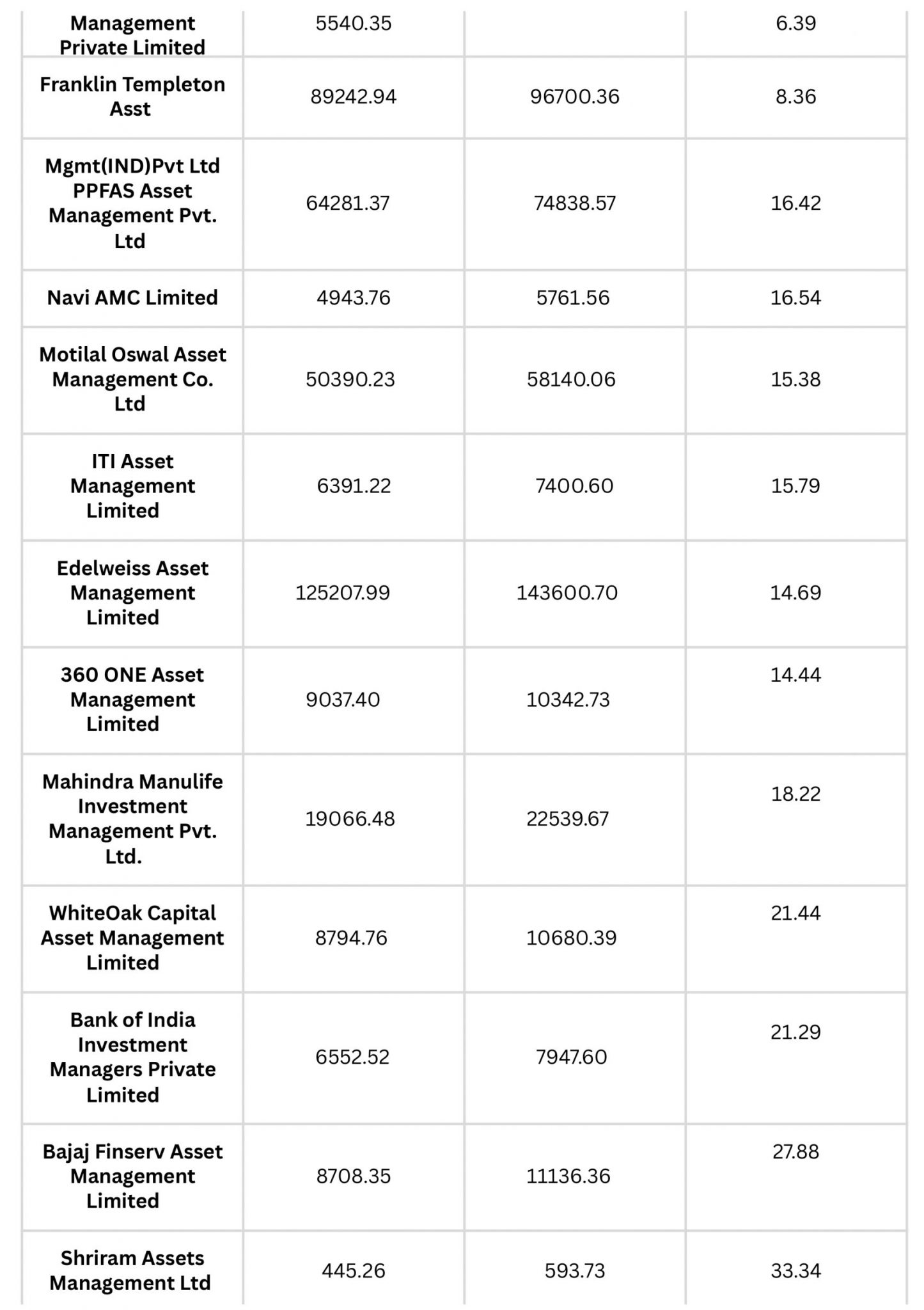
The asset under management (AUM) of life insurance companies in India represents the total market value of investments managed by these insurers on behalf of policyholders. This financial metric serves as a primary indicator of sector growth, institutional stability, and long-term capital accumulation within the country's financial services landscape.
Understanding Asset Under Management (AUM) in the Indian Life Insurance Sector
Asset under management measures the total pool of capital that life insurance companies hold, invest, and manage. Unlike banks that primarily deal with short-term deposits and loans, life insurers accumulate capital through long-term premium collections, particularly from endowment plans, whole-life policies, and unit-linked insurance plans (ULIPs).
This capital pool is not static; it grows through regular premium inflows and investment returns, and it decreases through claim settlements, surrenders, and operational expenses. In India, the expansion of AUM directly reflects the rising financial literacy of households, increased penetration of insurance products beyond tier-1 cities, and regulatory frameworks that encourage long-term contractual savings.
The regulatory architecture governing these funds is stringent. The Insurance Regulatory and Development Authority of India (IRDAI) dictates strict asset allocation guidelines to protect policyholder interests. Insurers cannot invest policyholder funds arbitrarily; instead, they must allocate capital across sovereign bonds, corporate debt, equity markets, and approved infrastructure projects based on the nature of the specific insurance product.
Structural Composition of Life Insurance Assets
The total AUM of life insurance companies in India is broadly divided into two distinct categories: participating (par), non-participating (non-par) traditional products, and Unit-Linked Insurance Plans (ULIPs). Each category carries distinct structural characteristics, risk profiles, and regulatory compliance requirements.
Unit-Linked Insurance Plans (ULIPs)
ULIPs combine investment and insurance. A portion of the premium goes toward life cover, while the remainder is invested in equity, debt, or hybrid funds chosen by the policyholder.
- Risk Bearing: The policyholder bears the investment risk.
- AUM Dynamics: The AUM fluctuates daily based on underlying market valuations in the National Stock Exchange (NSE) and Bombay Stock Exchange (BSE).
- Transparency: Insurers disclose Net Asset Values (Navs) regularly, allowing policyholders to track fund performance.
Traditional Participating and Non-Participating Funds
Traditional products comprise endowment policies, money-back policies, and term plans.
- Participating Funds: Policyholders share in the profits of the participating fund through bonuses declared by the insurer.
- Non-Participating Funds: Benefits are guaranteed at the inception of the contract, and the insurer absorbs all investment risks.
- AUM Dynamics: These funds are dominated by secure fixed-income instruments, including Government Securities (G-Secs) and high-rated corporate bonds, ensuring stability and predictability in payouts.
Regulatory Framework and Investment Guidelines by IRDAI
The deployment of life insurance AUM in India is tightly controlled by the IRDAI (Investment) Regulations. These rules are designed to balance yield generation with absolute capital safety, given that insurance liabilities are long-term and legally binding.
Insurers are mandated to invest a significant percentage of their funds in Approved Securities, which primarily include central and state government bonds. This ensures that a baseline sovereign guarantee backs a large portion of policyholder liabilities. Furthermore, exposure to corporate debt is restricted based on credit ratings, preventing insurers from parking public savings in speculative or low-grade instruments.
Equity investments are also capped as a percentage of the total fund to mitigate stock market volatility. For ULIPs, the asset allocation is dictated by the specific fund type (equity fund, bond fund, or balanced fund) chosen by the policyholder within regulatory ceilings. Regular compliance audits, concurrent audits, and mandatory filings ensure that life insurance companies maintain solvency margins well above the regulatory minimum.
| Parameter | Traditional Funds (Par/Non-Par) | Unit-Linked Insurance Plans (ULIPs) |
|---|---|---|
| Risk Bearer | Insurance Company | Policyholder |
| Primary Asset Classes | Government securities, corporate bonds, approved infrastructure debt | Equities, corporate bonds, money market instruments |
| NAV Dependency | No (Declared bonuses and guaranteed returns) | Yes (Daily market-linked valuation) |
| Regulatory Focus | Capital preservation, sovereign safety, asset-liability matching | Fund transparency, risk disclosure, switching flexibility |
Market Dynamics and Growth Drivers of AUM
Several macroeconomic and demographic factors drive the continuous expansion of life insurance AUM in India. Understanding these drivers helps contextualize why institutional capital managed by insurers forms a critical pillar of the domestic capital market.
Demographic Dividends and Rising Awareness
India’s young demographic profile, coupled with a growing middle class, provides a massive runway for long-term insurance products. Increased awareness regarding financial security, accelerated by public health events and targeted financial literacy campaigns by regulatory bodies and insurers, has transformed life insurance from a mere tax-saving instrument to a core component of household financial planning.
Shift Toward Financialization of Savings
Historically, Indian households favored physical assets like gold and real estate. Over the past decade, a structural shift toward financial assets has channeled substantial household savings into mutual funds, provident funds, and life insurance. As a result, institutional investors, led by life insurance companies, command immense liquidity, which they deploy into primary debt and equity markets, thereby supporting corporate and infrastructural growth.
Competition and Product Innovation
The presence of numerous private life insurers alongside the state-owned behemoth, the Life Insurance Corporation of India (LIC), has fostered healthy competition. Insurers continuously innovate by introducing customized riders, flexible premium payment terms, and specialized health-cum-protection products. This diversification broadens the customer base and supports steady AUM accumulation across diverse economic cycles.
Operational Challenges and Risk Management in Asset Management
Managing a multi-trillion-rupee asset portfolio entails complex operational challenges. Life insurance companies must navigate interest rate cycles, credit defaults, and liquidity management to honor claims without liquidating assets under unfavorable market conditions.
- Asset-Liability Matching (ALM): Insurers must match the duration of their assets with the duration of their liabilities. Because life insurance contracts can span decades, finding long-duration instruments matching these liabilities remains a constant hurdle in developing debt markets.
- Credit Risk Management: Corporate bond defaults can severely impact traditional fund yields. Rigorous internal credit rating assessments and diversification across sectors are essential to protect the AUM from credit shocks.
- Market Volatility: Sharp downturns in equity markets impact the fee-based income of insurers managing large ULIP portfolios and depress the market value of balanced funds.
Frequently Asked Questions
What is the difference between AUM in mutual funds versus life insurance companies?
Mutual fund AUM represents pooled capital invested primarily for capital appreciation with high liquidity, where investors can redeem units at will. Life insurance AUM represents long-term contractual savings tied to insurance liabilities, where withdrawals and liquidations are bound by policy terms, lock-in periods, and mortality obligations.
How does IRDAI regulate the investment of life insurance assets in India?
IRDAI enforces strict investment ceilings on various asset classes, requiring a high percentage of investments in sovereign and government-backed securities, setting caps on equity exposure, and prohibiting investments in speculative or unrated debt instruments to ensure policyholder security.
Why is the asset under management of life insurers important for the Indian economy?
Life insurers are among the largest institutional investors in India. Their massive AUM is systematically channeled into government borrowing programs, infrastructure development projects, and corporate debt and equity markets, providing deep liquidity and stabilizing the domestic financial ecosystem.
Do policyholders bear the investment risk for all life insurance AUM?
No. Investment risk is shared differently depending on the product. In traditional non-par and guaranteed products, the insurer bears all risks. In participating funds, risks are shared through variable bonuses. In ULIPs, the policyholder bears the complete investment risk.
How do life insurance companies generate returns on their AUM?
Insurers generate returns through interest income on fixed-income securities, dividends and capital gains from equity investments, and rental yields or capital appreciation from approved real estate and infrastructure investments, net of operational and management expenses.
Conclusion and Strategic Outlook
The asset under management of life insurance companies in India stands as a testament to the sector's scale, institutional maturity, and vital role in national capital formation. Driven by supportive demographics, regulatory safeguards, and a structural shift toward financialized savings, these asset pools will continue to expand. Stakeholders—ranging from retail policyholders to institutional regulators—must remain vigilant about risk management, asset-liability matching, and transparency to ensure the long-term integrity and resilience of these managed funds.