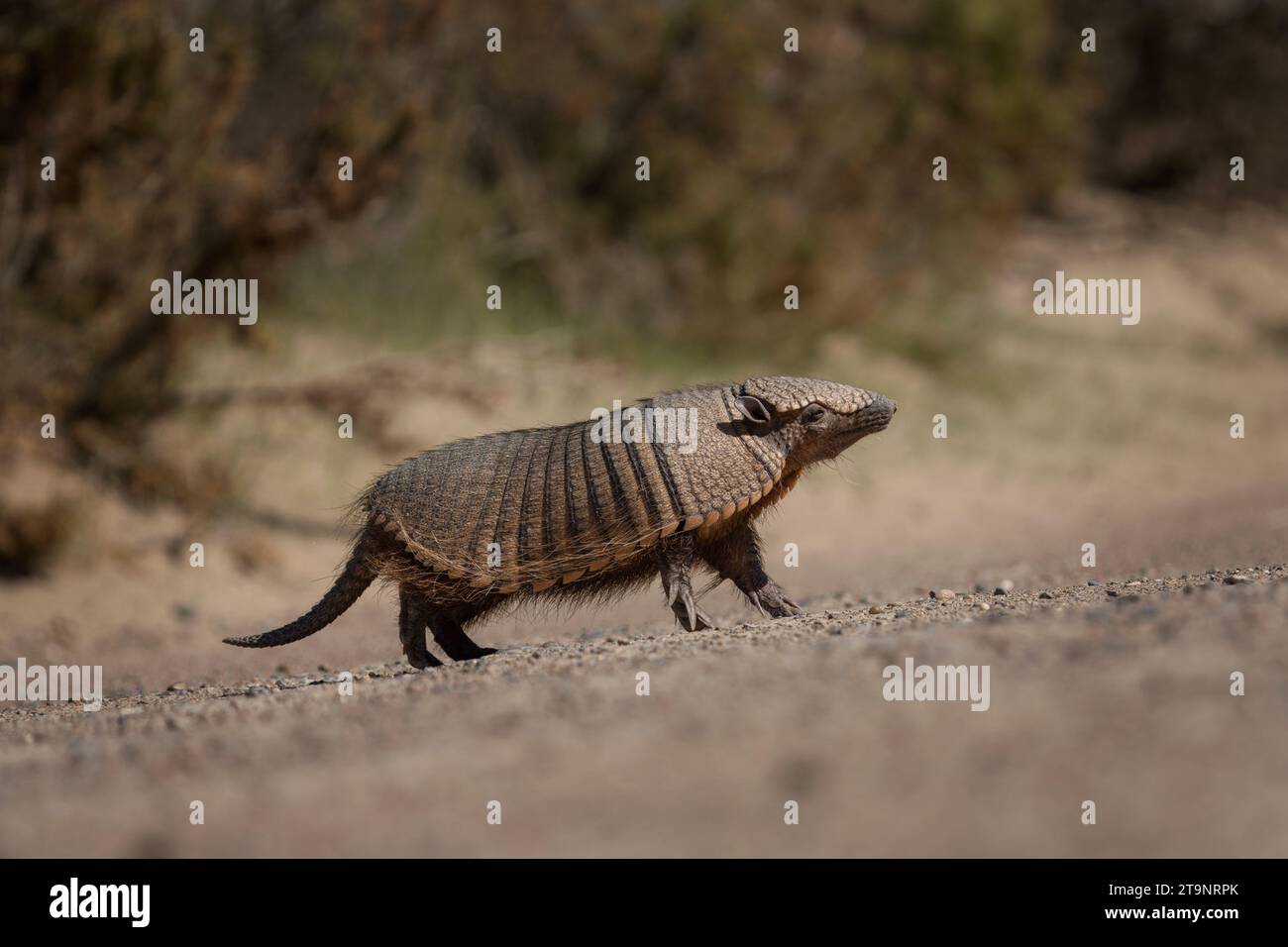
Armadillos are not considered rare animals in North America, particularly the nine-banded armadillo (Dasypus novemcinctus), which has experienced a significant range expansion over the last century. While their presence is highly localized and often tied to specific habitat requirements, they are common, and in many regions of the southern United States, they are frequently categorized as a nuisance species rather than a protected or threatened one.
The Misconception of Rarity
The perception that armadillos are rare often stems from their nocturnal or crepuscular behavior and their natural tendency to avoid human interaction. As burrowing mammals, they spend significant portions of their day underground or hidden within thick vegetation. Because they are rarely spotted during daylight hours by the average person, it is easy to assume they are scarce. However, population density studies and range expansion data indicate that the nine-banded armadillo is not only well-established but also actively colonizing new territories in northern latitudes.
Historically, the range of the nine-banded armadillo was restricted to South and Central America, with only a small presence in the southernmost tip of Texas. Over the past 150 years, they have moved northward and eastward. This spread is attributed to a lack of natural predators in new territories, their high reproductive potential, and changing climate patterns that make formerly inhospitable regions more conducive to their survival.
Factors Influencing Armadillo Distribution
To understand why armadillos might appear rare in some locations while being abundant in others, one must look at their specific biological requirements. Armadillos have a very low basal metabolic rate and very little body fat. Unlike other mammals that can survive harsh winters through hibernation or insulation, armadillos are sensitive to temperature extremes.
1. Temperature Constraints
The primary limiting factor for armadillo expansion is cold. Because they lack thick fur, they cannot easily regulate their body temperature in freezing conditions. They are most successful in regions with mild winters, such as the Gulf Coast, Florida, and parts of the South. While they have been sighted in regions as far north as Nebraska and Kansas, their populations in these areas are often fragile and can be decimated by particularly harsh winters. Consequently, if you are looking for them in high-latitude environments, they will appear rare—or entirely absent—not because of conservation status, but because of biological intolerance to the climate.
2. Soil Composition and Moisture
Armadillos are specialized foragers that rely on their sense of smell to locate invertebrates, such as grubs, worms, and beetles, within the soil. They thrive in areas with loose, moist, sandy, or loam-rich soil that is easy to excavate. If you live in an area with hard-packed clay, rocky terrain, or extremely dry, desert-like conditions, armadillos are less likely to establish a home range because the energy expenditure required to forage becomes unsustainable.
3. Food Availability
As insectivores, armadillos require an environment that supports a high density of soil-dwelling organisms. Suburban environments, which often feature irrigated lawns, provide an ideal ecosystem for armadillos. The combination of moist soil and artificial insect habitats makes residential landscapes a common destination for these animals. When homeowners encounter them, the population is anything but rare; it is often perceived as an overpopulation.
Comparing Armadillo Status by Region
The following table outlines how the perception of armadillo presence varies based on geography and climate factors.
| Region | Population Status | Primary Limiting Factors |
|---|---|---|
| Gulf Coast / Florida | Highly Abundant | Habitat availability |
| Mid-South (TN, KY, AR) | Established / Growing | Occasional hard freezes |
| Upper Midwest / Northeast | Rare / Occasional | Incompatible climate (winter) |
| Arid Southwest | Patchy / Sparse | Soil moisture requirements |
The Reality of Localized Nuisance
In states like Texas, Florida, and Louisiana, wildlife management agencies do not treat the nine-banded armadillo as a species of concern regarding scarcity. In fact, many agricultural and residential programs focus on mitigation strategies to manage their populations. Because they are prolific diggers, they can cause significant damage to residential foundations, gardens, and landscaping.
Their status as a "non-rare" animal is confirmed by the lack of legal protections afforded to them in many jurisdictions. In most of their established range, there is no closed season for hunting or trapping, and they are frequently classified as pests. This legal status is the most objective proof that these animals are not rare; they are managed as a resource or a nuisance, rather than protected as a threatened species.
Why Some Species Are Actually Rare
While the nine-banded armadillo is common, it is important to clarify that not all armadillos share this status. The order Cingulata contains approximately 20 species, most of which reside in South and Central America. Some, such as the giant armadillo (Priodontes maximus) or the Brazilian three-banded armadillo (Tolypeutes tricinctus), are classified as vulnerable or endangered due to habitat loss and hunting pressure.
If you are researching armadillo rarity in a global context, you will find a massive disparity. The nine-banded armadillo is a success story of invasive expansion, whereas its distant cousins in South America are struggling against environmental degradation. When someone asks "are armadillos rare," the answer depends entirely on the species and the geographic focus. In North America, the answer remains a definitive no.
Navigating Encounters and Living with Armadillos
For those who encounter armadillos frequently, the primary concern is usually property damage rather than preservation. Because they are nocturnal, you are most likely to see them during the dawn or dusk hours. They are not aggressive animals, but they can carry Mycobacterium leprae, the bacteria associated with leprosy, though the risk of transmission to humans through casual contact is extremely low.
Managing Property Presence
If you are dealing with a population of armadillos on your property, the following steps are standard for professional wildlife control:
- Eliminate the food source: Use nematodes or insecticides to reduce the grub population in your lawn. If there is nothing to eat, the armadillos will likely move to a more productive foraging ground.
- Physical exclusion: Fencing must be buried at least 12 to 18 inches deep, as armadillos are expert diggers and can circumvent standard above-ground barriers.
- Habitat modification: Remove brush piles, low-lying shrubs, and wood stacks that provide cover and shelter during the day.
- Professional trapping: In many areas, homeowners can set live traps. It is essential to check local wildlife regulations, as some states have specific laws regarding the transport and release of trapped animals.
Frequently Asked Questions
Are nine-banded armadillos an invasive species?
In North America, the nine-banded armadillo is often categorized as an invasive or non-native species because they naturally expanded their range into the United States from Mexico. Because they lack significant natural predators in many of their newer habitats, their populations can grow rapidly, leading to the "nuisance" label often applied by local wildlife agencies.
Do armadillos pose a health risk to humans?
While rare, nine-banded armadillos are the only known animal in the wild to carry the bacteria that causes leprosy in humans. However, the risk of infection is very low. Medical professionals advise avoiding direct handling of armadillos and wearing gloves if you must interact with areas where they have been active.
How many babies does an armadillo have?
A unique biological trait of the nine-banded armadillo is that they consistently give birth to four identical quadruplets from a single fertilized egg. This reproductive strategy contributes to their ability to quickly populate new areas once they find a habitat that satisfies their temperature and soil moisture requirements.
Are armadillos protected by law?
In most states where they are common, armadillos are not protected. Because they are not an endangered species, they are generally classified as unprotected wildlife. This means homeowners or landowners can often take steps to manage or remove them without a special permit, though it is always necessary to check the specific wildlife regulations for your county or state.
Can armadillos swim?
Yes, they are surprisingly proficient in water. They can hold their breath for up to six minutes, which allows them to walk across the bottom of small streams or ponds. Alternatively, they can ingest air into their intestines, which increases their buoyancy and allows them to swim across wider bodies of water. This ability has aided their expansion across rivers that would otherwise act as natural geographic barriers.
Conclusion and Next Actions
The armadillo is a resilient, highly adaptive creature that has successfully occupied a vast stretch of North America. If you are questioning their rarity, be assured that you are likely looking at a common, if elusive, local inhabitant. If you have concerns about armadillos on your property, your best next step is to contact a local cooperative extension service or a certified wildlife management professional. They can provide site-specific advice on whether your local population is truly causing damage or if their presence is merely a temporary fluctuation. For those interested in the broader biological implications, checking the website of your state’s Department of Natural Resources will provide the most accurate population reports for your specific area.