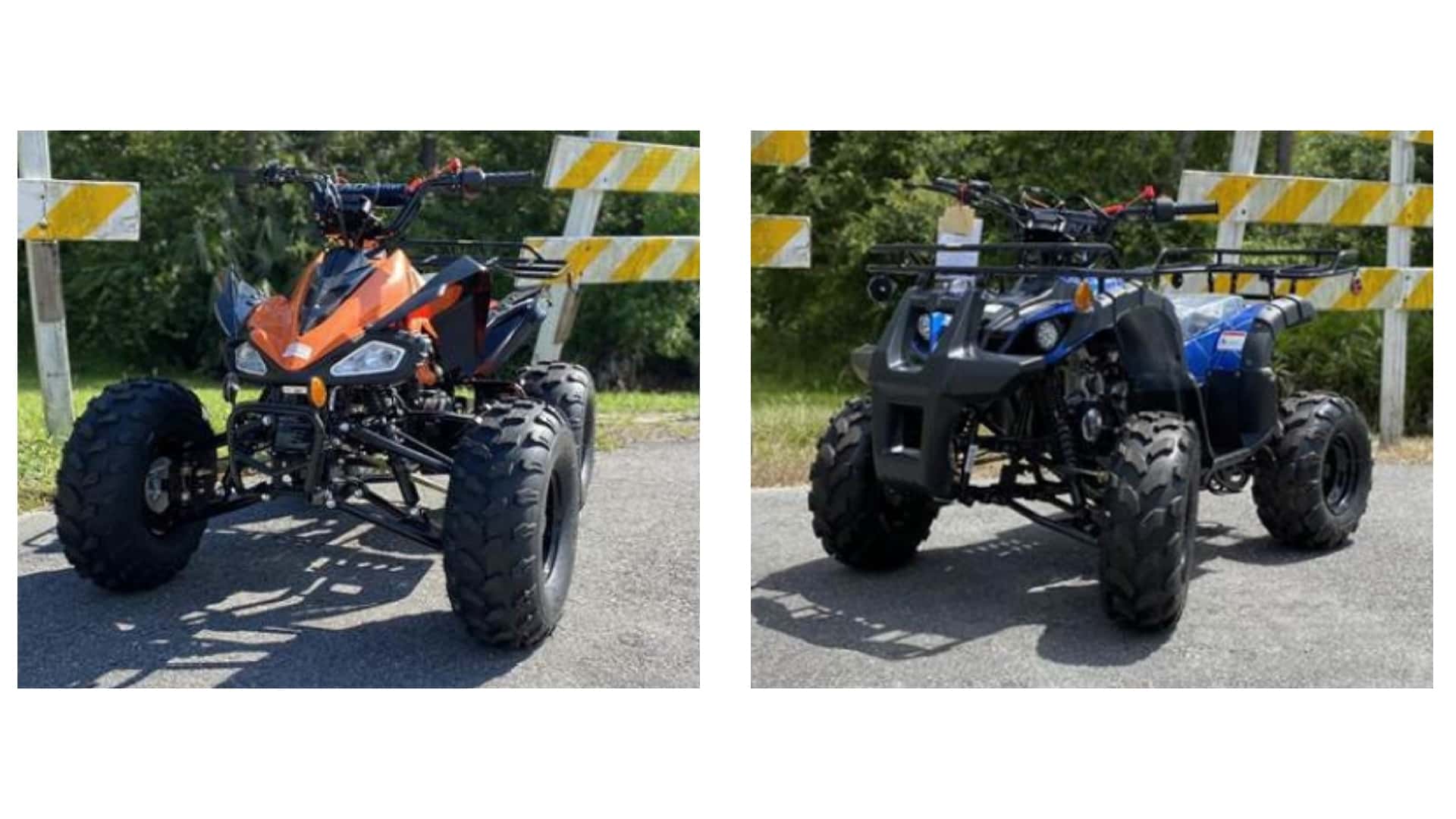
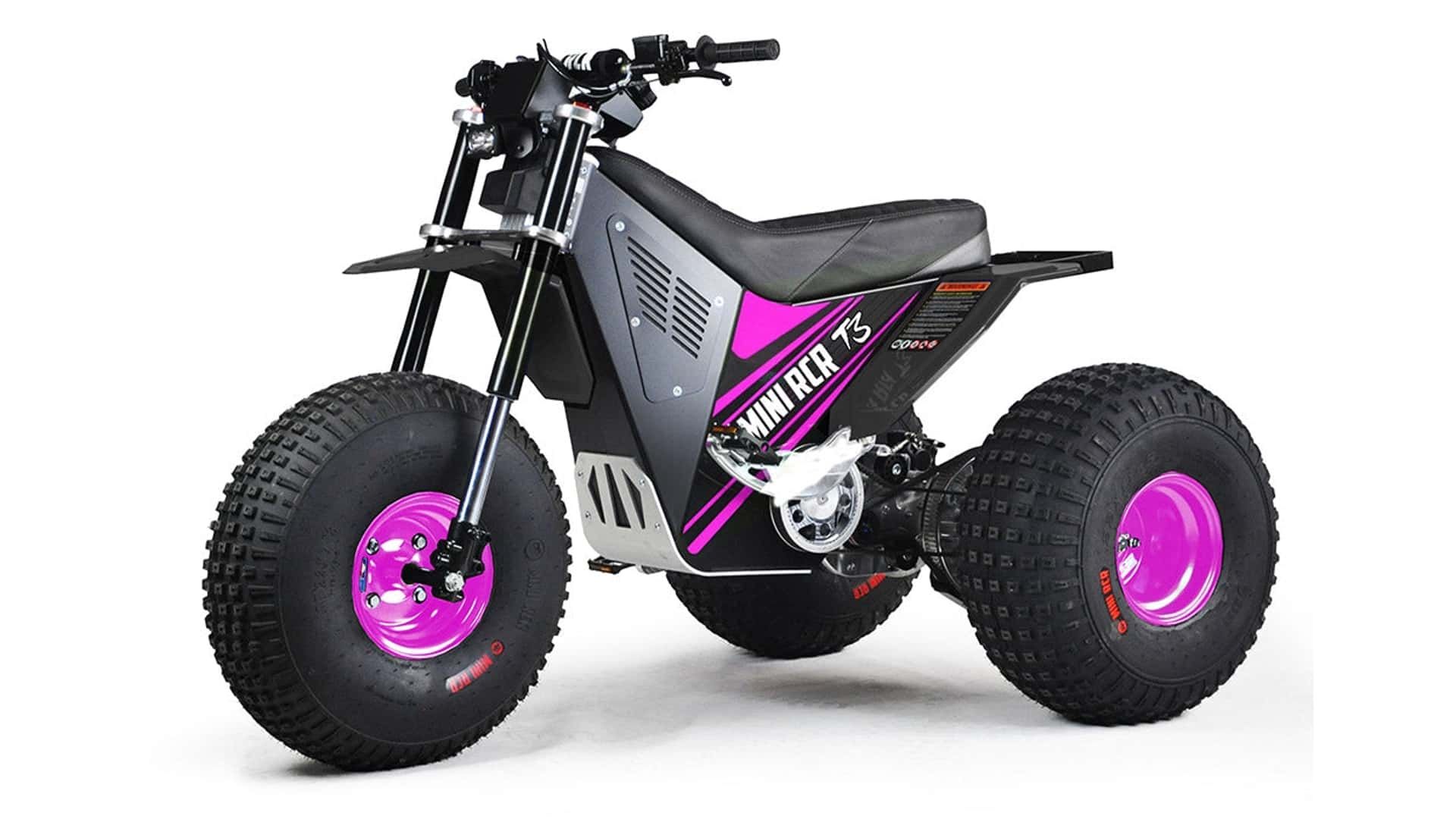
All-terrain vehicles (ATVs) carry inherent risks due to their high center of gravity, specialized tire dynamics, and off-road operational environments. While they are powerful tools for recreation, agriculture, and utility work, their safety profile is heavily dependent on operator training, adherence to age-specific guidelines, the consistent use of personal protective equipment, and strict avoidance of prohibited riding behaviors such as carrying passengers on single-seat models.
Understanding the Mechanics of ATV Risk
The perception of ATVs as dangerous often stems from the unique physics governing their operation. Unlike automobiles, which are designed with a low center of gravity and a wide wheelbase relative to their height, ATVs are engineered to navigate uneven, loose, or unpredictable terrain. This necessitates high ground clearance and aggressive tread patterns, both of which increase the likelihood of a rollover if the machine is operated improperly on high-traction surfaces like paved roads.
Furthermore, most ATVs utilize solid rear axles rather than a differential that allows for independent wheel speed. This design feature, while excellent for digging into mud or loose soil for traction, makes the vehicle prone to "skipping" or losing steering control when turning on hard-packed surfaces. When a rider attempts to turn on asphalt or concrete, the inside rear tire must travel a shorter distance than the outside tire. Because the solid axle forces both wheels to rotate at the same speed, the vehicle tends to track straight forward or oversteer, leading to potential instability.
The Role of Operator Behavior and Training
Data from organizations like the Consumer Product Safety Commission (CPSC) consistently highlight that a vast majority of severe ATV incidents are linked to operator error rather than mechanical failure. The most common risk factors include:
- Operating on Paved Roads: ATVs are explicitly designed for off-road use. Tires designed for soft dirt have minimal grip on asphalt, and the lack of a differential makes cornering on these surfaces highly unpredictable.
- Carrying Passengers: Many ATVs are engineered as "single-rider" machines. Adding a passenger shifts the center of gravity significantly, making it nearly impossible for the operator to use "active riding" techniques—shifting their body weight to counter the vehicle's lean—during maneuvers.
- Operating Under the Influence: Alcohol and drug impairment significantly reduce reaction times and decision-making capabilities, both of which are critical when navigating terrain that changes every few seconds.
- Age-Appropriate Sizing: Children and adolescents are frequently involved in accidents when operating vehicles sized for adults. Industry standards mandate that youths should only operate machines with engine displacements that match their physical size and developmental maturity.
Essential Safety Protocols for Modern Riders
To mitigate the dangers associated with off-road vehicles, riders must adopt a proactive safety mindset. This begins with the "Tread Lightly" philosophy and rigorous adherence to manufacturer guidelines.
1. Personal Protective Equipment (PPE) Wearing a DOT-compliant helmet is the single most effective way to reduce the risk of a fatal head injury. Beyond helmets, riders should wear goggles (to protect against debris), long-sleeved shirts, sturdy pants, gloves, and over-the-ankle boots. These items provide essential protection against abrasions and environmental hazards.
2. Specialized Training Hands-on training courses, such as those offered by the All-Terrain Vehicle Safety Institute (ASI), are invaluable. These programs teach operators how to handle hill climbs, descents, emergency braking, and how to read terrain to avoid hidden obstacles. Even experienced riders benefit from periodic refresher courses to unlearn bad habits.
3. Vehicle Maintenance Mechanical integrity is a pillar of safety. Before every ride, conduct a T-CLOC inspection:
- Tires: Check for proper air pressure and tread wear. Incorrect tire pressure is a leading cause of uneven handling.
- Controls: Ensure throttle and brake cables operate smoothly and return to the idle position immediately.
- Lights: Verify that headlights and taillights are functional, especially if riding near dusk.
- Oil and Chassis: Check fluid levels and inspect the frame for cracks or loose fasteners that could indicate structural fatigue.
Comparative Risk Factors of Off-Road Vehicles
Understanding the differences between types of off-road vehicles is critical for assessing risk. The following table provides a breakdown of common categories and their specific risk profiles.
| Vehicle Type | Primary Risk Factor | Ideal Environment | Safety Consideration |
|---|---|---|---|
| Sport ATV | High-speed rollovers | Tracks/Open dunes | Requires advanced body positioning |
| Utility ATV (UTV) | Increased weight/High speed | Trails/Work sites | Seatbelts are non-negotiable |
| Youth ATV | Over-speeding | Flat, controlled zones | Requires adult supervision at all times |
| Side-by-Side (SxS) | Passenger ejection | Rough terrain | Use roll-over protection systems (ROPS) |
Legal and Environmental Considerations
In many jurisdictions, the "danger" associated with ATVs is compounded by legal status. Because they are often classified as off-road vehicles, they are not held to the same safety standard (like airbags or anti-lock braking systems) as road-legal automobiles. As of 2026, many states and provinces have implemented strict legislation regarding where these vehicles can be operated. Violating these laws by riding on public highways not only incurs heavy fines but also places the rider in an environment where other traffic participants do not expect to see low-speed, high-center-of-gravity vehicles.
Furthermore, environmental regulations have evolved. Operating in restricted areas or off-trail can lead to significant ecological damage, which in turn leads to the permanent closure of riding areas. Responsible riding protects the hobby as much as it protects the rider.
Common Misconceptions
There is a common belief that "bigger is better" regarding engine size. In reality, a machine with excessive power for the rider’s skill level is a liability. An engine that accelerates too aggressively can easily flip the vehicle backward when climbing a steep incline. Riders should always choose a machine that they can physically control in a panic situation.
Another misconception is that the vehicle’s design makes it "unsinkable" or incapable of flipping. No matter how many safety features or how wide the wheelbase, an ATV will roll if pushed beyond its limits on an off-camber slope or if it hits a hidden obstacle at high speed. The rider’s body position is the primary stabilizer of the vehicle; when the vehicle leans, the rider must move their weight to the uphill side to maintain balance.
When Is an ATV Too Dangerous?
An ATV becomes "dangerous" when the gap between the vehicle’s capability and the operator’s skill level becomes too wide. If a rider is unable to perform a controlled stop on a loose surface or lacks the physical strength to steer the machine through technical terrain, the vehicle is objectively dangerous for that individual.
Furthermore, if a machine has been modified with aftermarket lift kits or oversized tires, the original safety geometry designed by the manufacturer is compromised. Modifications often shift the center of gravity higher, significantly increasing the probability of a rollover. Always consult the original owner’s manual before making any alterations to the vehicle's suspension or tires.
Next Steps for Safe Riding
If you are a prospective owner or a current rider, your next steps should focus on education and preparation.
- Seek Certification: Enroll in an accredited ATV safety course in your region. These courses provide a low-risk environment to practice the techniques that save lives.
- Verify Local Laws: Visit your local Department of Motor Vehicles or natural resources website to understand the specific rules for your area in 2026. This includes registration, insurance requirements, and trail-access permits.
- Invest in Quality Gear: Allocate a portion of your budget specifically for high-quality protective gear. Do not compromise on helmet quality; ensure it meets current safety certifications.
- Perform a Pre-Ride Inspection: Make the T-CLOC inspection a habit. Spending five minutes checking your machine before you load it onto the trailer can prevent a mechanical emergency in a remote area.
By respecting the machine, understanding its physical limitations, and committing to ongoing training, you can significantly reduce the inherent risks of ATV riding. Safety is not a one-time achievement but a continuous practice of situational awareness and disciplined operation.
Frequently Asked Questions
Are automatic transmissions safer than manual ones for beginners? Automatic transmissions (CVT) are generally considered easier for beginners because they remove the need for clutch and gear manipulation, allowing the rider to focus on steering and body positioning. However, the ease of acceleration can lead to overconfidence, so beginners should still practice throttle control.
Is it safe to ride an ATV on the beach? Riding on the beach requires specific skill sets. You must account for changing tides, soft sand that can hide obstacles, and sudden drops in elevation. Always check local regulations, as many beaches prohibit motorized vehicles to protect wildlife habitats.
What should I do if my ATV starts to tip? If the vehicle begins to tip, the general rule is to lean toward the uphill side. However, if a rollover is inevitable, the most important action is to jump clear of the vehicle. Do not attempt to hold the machine up with your body; let the machine go and move away to avoid being pinned.
How often should I service my ATV? Follow the service intervals outlined in your specific owner’s manual. As a general rule, an oil change and full mechanical checkup should be performed at least once a season or after a specific number of engine hours, depending on how aggressively the vehicle is used.
Can I use a child-sized helmet for a teenager? Never use a helmet that is not properly fitted to the user. A helmet that is too large will shift during a crash, losing its protective capability. Ensure the helmet is sized correctly and specifically designed for the type of riding you are undertaking.