Auto insurance rates for business use are generally higher than personal rates. This price gap exists because business vehicles typically face higher liability risks, travel more miles, and often require higher coverage limits to protect company assets. While a "business use" add-on to a personal policy might only cost a small premium increase, a full commercial policy can cost significantly more depending on the industry and vehicle type.
Determining whether you need a simple classification change or a completely separate commercial policy is a critical financial decision for any entrepreneur or professional in 2026. As the distinction between personal and professional life continues to blur through the gig economy and remote consulting, insurance providers have become more sophisticated in how they price these risks. Understanding the underlying factors that drive these costs is essential for maintaining adequate protection without overpaying.
The Fundamental Difference: Personal vs. Business Use
To understand why rates differ, one must first distinguish between the various ways a vehicle is used. Insurance companies categorize vehicle usage to assess risk accurately. Most drivers fall into the "pleasure" or "commute" categories.
Personal use typically covers everyday activities: driving to and from a single place of work (commuting), grocery shopping, visiting friends, and taking road trips. Standard personal auto policies are designed with these predictable, lower-risk activities in mind.
Business use, however, involves using a vehicle as a tool for work-related tasks. This might include a real estate agent driving clients to view homes, a sales representative traveling between various job sites, or a consultant visiting multiple satellite offices. When a car is used for business, the insurer views it as a higher risk because the driver is often on the road during peak traffic hours, potentially distracted by work-related calls or navigation, and likely putting more miles on the odometer than a standard commuter.
Commercial use is the most intensive category. This applies to vehicles used primarily for business purposes, such as delivery vans, heavy-duty trucks, or vehicles that transport goods or people for a fee (like taxis or specialized freight services). Commercial policies are distinct from personal ones and carry much higher premiums because the liability exposure is vastly different.
Why Business Insurance Rates Are Higher
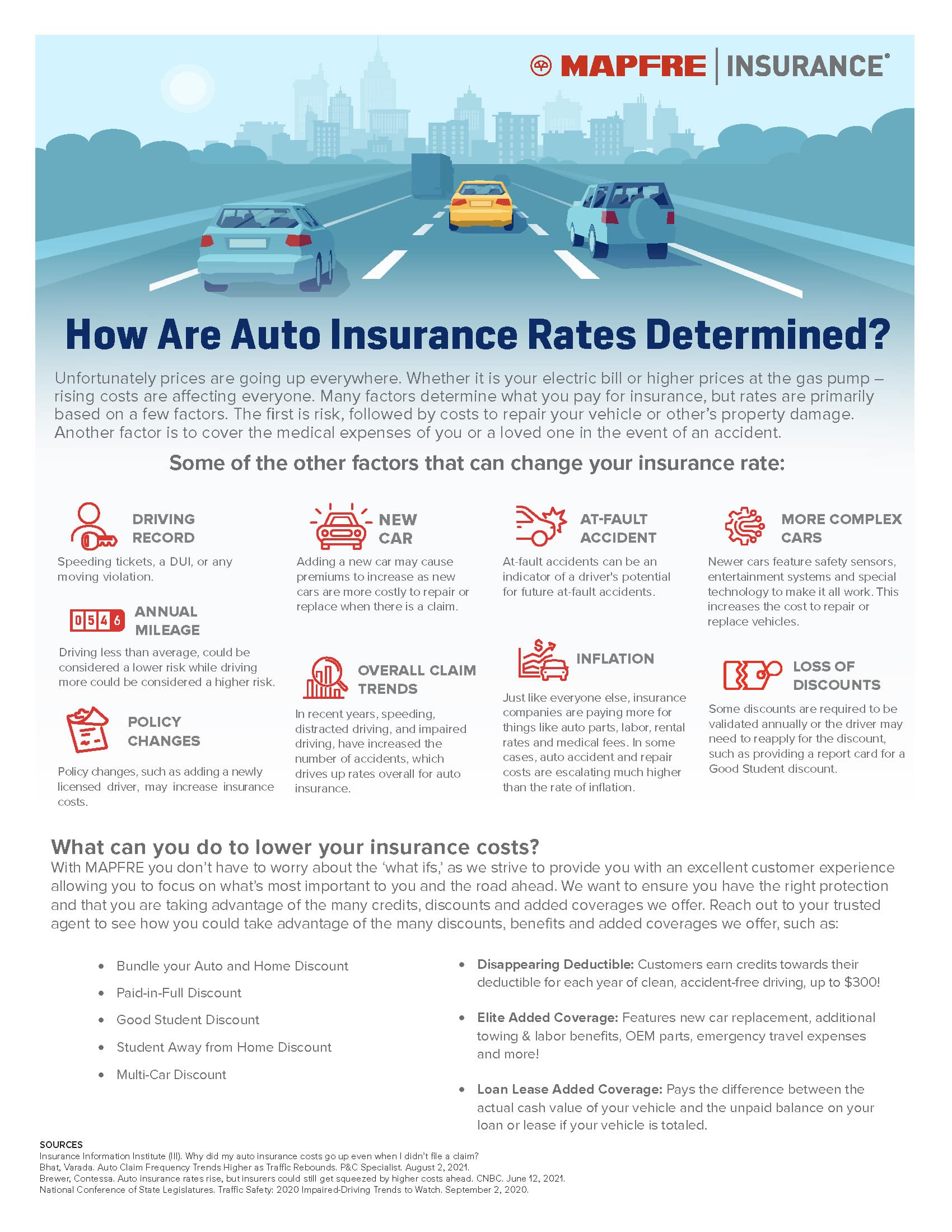
The primary reason business insurance costs more is the principle of vicarious liability. In a legal context, if an individual causes an accident while performing work duties, the business entity can be held responsible for the damages. Because businesses often have more assets than individuals, they are "deeper pockets" in the eyes of litigants, leading to higher settlement demands and more frequent lawsuits.
Increased Exposure and Mileage
Actuaries—the professionals who calculate insurance risks—base their rates on the law of large numbers. Statistically, the more time a vehicle spends on the road, the higher the probability of an accident. Business vehicles are rarely stationary. Whether it is a delivery driver making thirty stops a day or a technician traveling across state lines to service equipment, the sheer volume of "road time" necessitates a higher premium to offset the increased likelihood of a claim.
Higher Liability Limits
Personal auto policies often have liability limits that may not be sufficient to protect a business. For example, a personal policy might provide $100,000 in bodily injury liability, which could be exhausted quickly in a multi-car pileup. Most commercial policies or business-use endorsements start at $500,000 or $1,000,000 in coverage. These higher ceilings naturally drive up the price of the policy.
Multiple Drivers and Specialized Equipment
While a personal policy usually covers the policyholder and a few household members, a business policy may need to cover multiple employees. Each additional driver introduces a new set of risks based on their personal driving history. Furthermore, business vehicles often carry specialized equipment—such as ladders, tools, or sensitive electronic gear—which may require additional inland marine coverage or higher comprehensive limits, further increasing the total cost.
The Cost Spectrum: 2026 Pricing Trends
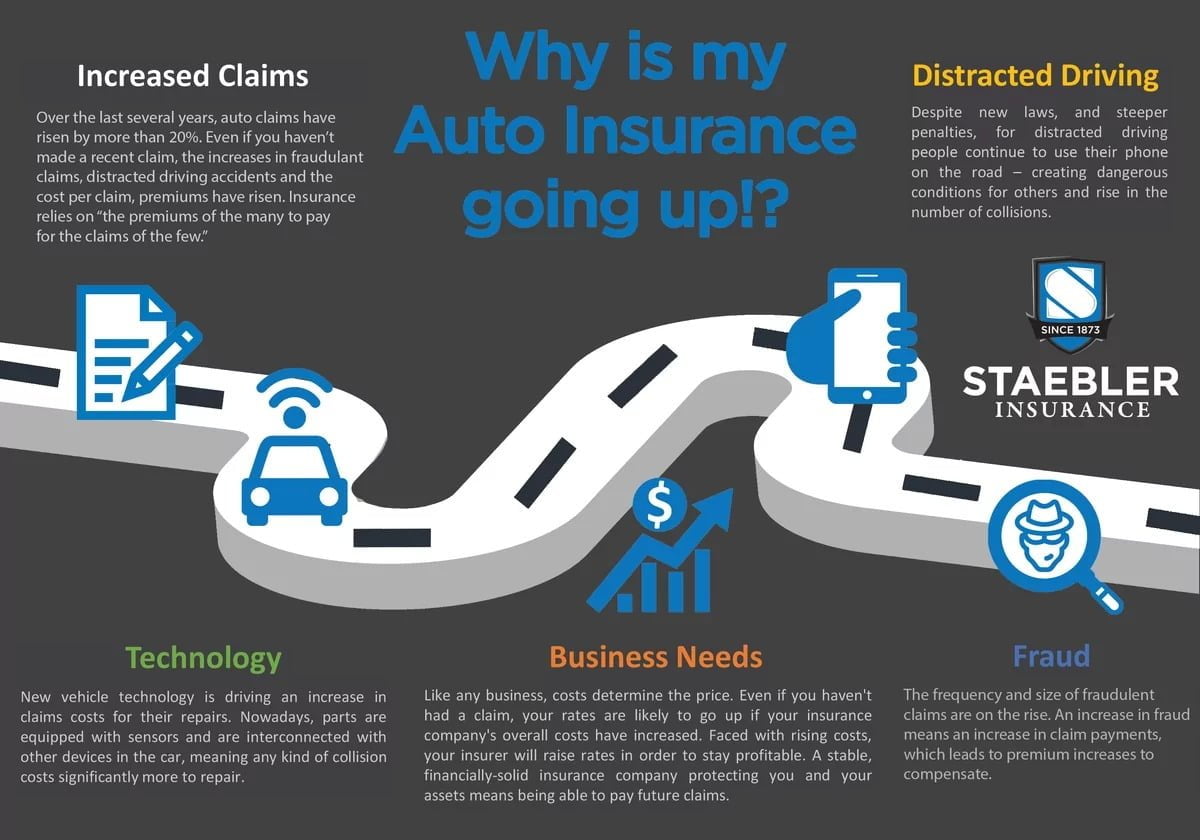
In 2026, the cost of auto insurance continues to be influenced by rising repair costs for high-tech vehicles and increased medical expenses. However, the use of telematics—tracking devices that monitor driving behavior—has allowed for more personalized pricing.
| Policy Type | Estimated Monthly Premium (Standard) | Primary Use Case |
|---|---|---|
| Personal (Commute) | $120 – $200 | Standard daily driving and commuting to one office. |
| Personal + Business Use Endorsement | $140 – $250 | Professionals (realtors, lawyers) visiting clients occasionally. |
| Commercial Auto (Small Business) | $250 – $500 | Dedicated work vans, delivery services, or heavy equipment. |
| Hired & Non-Owned (HNOA) | $50 – $100 (Add-on) | Using personal vehicles or rentals for business tasks. |
Note: These figures are averages based on 2026 market projections for drivers with clean records. Actual rates vary significantly by state, industry, and vehicle type.
Factors That Influence Your Business Premium
Several specific variables will determine exactly how much more you will pay for business-use coverage. Understanding these can help you better manage your overhead.
1. The Nature of the Work
A consultant who occasionally drives to meet a client at a coffee shop presents a much lower risk than a florist delivering fragile arrangements across a busy metropolitan area. The Standard Industrial Classification (SIC) or North American Industry Classification System (NAICS) code of your business plays a major role in your rating. High-risk industries like construction or last-mile delivery will always face higher premiums than professional services.
2. Vehicle Weight and Type
The physics of an accident matter to insurers. A heavy cargo van or a truck equipped with a crane will cause significantly more damage in a collision than a compact sedan. Consequently, insurance for heavier commercial vehicles is priced higher. In 2026, the transition to electric commercial fleets has introduced new variables, such as higher initial replacement costs for battery packs, which can influence comprehensive coverage rates.
3. Geographic Location
Where you drive is just as important as how much you drive. Business vehicles operating in dense urban environments like New York City, Chicago, or Los Angeles face higher risks of theft, vandalism, and minor "fender benders" compared to those in rural areas. Additionally, state-level regulations and "no-fault" insurance laws can impact the baseline cost of business coverage.
4. Driver History (MVRs)
For businesses with multiple employees, the insurance company will pull Motor Vehicle Reports (MVRs) for everyone authorized to drive. A single employee with a history of speeding tickets or a DUI can cause the entire business policy premium to skyrocket. Many companies now use 2026-standard continuous monitoring services that alert them to employee driving infractions in real-time.
The Risk of Denied Claims: Why You Can't Hide Business Use
A common mistake made by sole proprietors and gig workers is attempting to save money by not disclosing business use to their personal insurer. This is a high-risk gamble.
Standard personal auto policies contain specific exclusions for business activities. If you are involved in an accident while delivering a package or driving to a client site and you only have a personal policy, the insurer has the right to deny the claim entirely. This leaves you personally liable for vehicle repairs, medical bills, and potential legal judgments. In the worst-case scenario, the insurer may even cancel your policy for "material misrepresentation," making it difficult and expensive to find coverage elsewhere in the future.
How to Lower Business Auto Insurance Rates in 2026
While rates for business use are higher, there are several strategies to mitigate these costs without compromising your protection.
- Implement Telematics: In 2026, most insurers offer significant discounts (often 10% to 25%) if you agree to share driving data. Monitoring speed, braking, and cornering can prove to the insurer that your business use is low-risk.
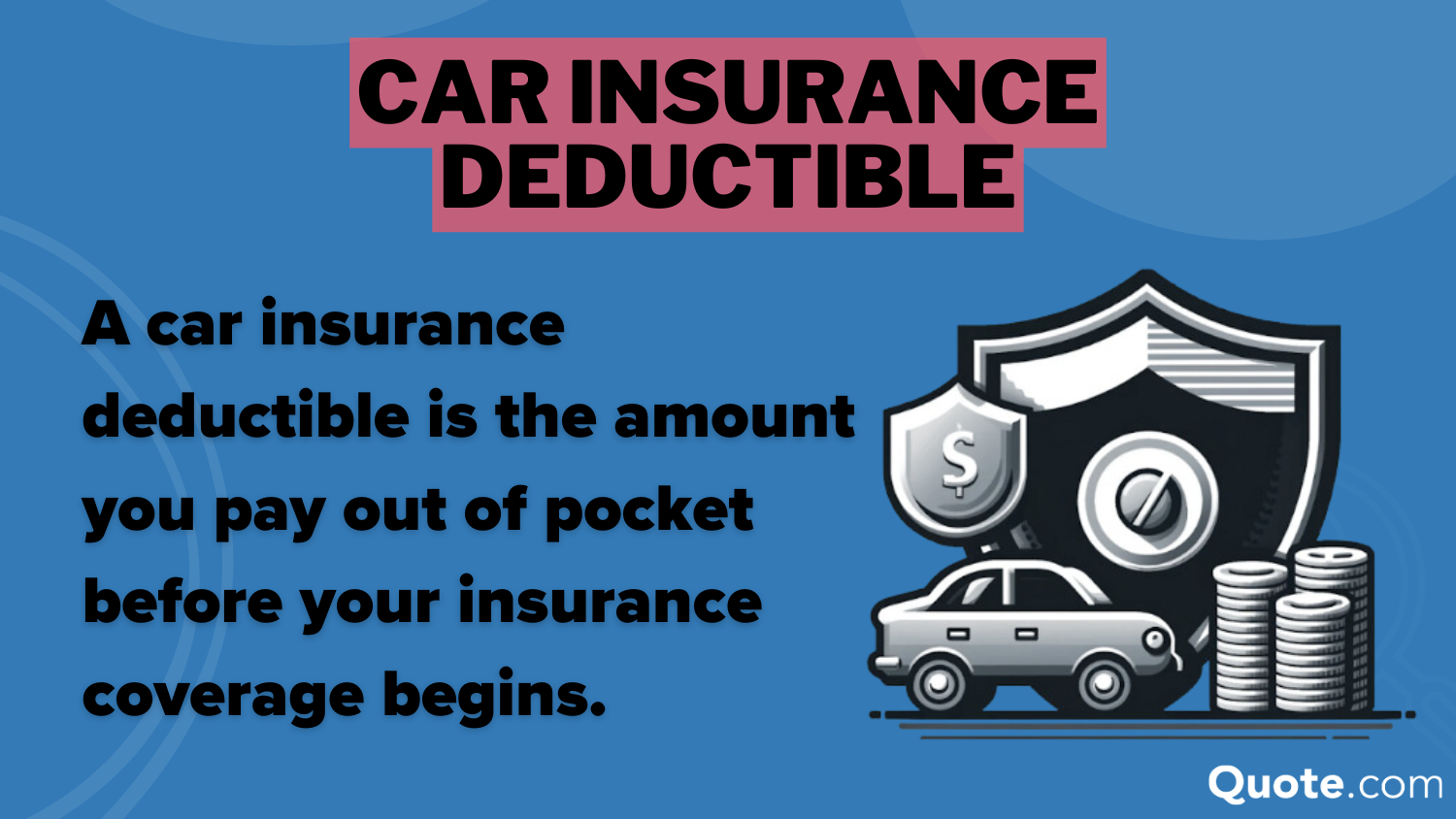
- Increase the Deductible: If your business has a healthy cash flow, opting for a $1,000 or $2,500 deductible instead of $500 can substantially lower your monthly premium.
- Bundle Policies: Most providers offer discounts if you purchase your commercial auto insurance from the same company that provides your General Liability or Business Owner’s Policy (BOP).
- Safety Training: Documenting that your employees have completed certified defensive driving courses can lead to premium credits.
- Hired and Non-Owned Auto (HNOA) Coverage: If your employees use their own cars for your business, you don't necessarily need a full commercial policy for them. HNOA coverage is an affordable way to provide liability protection for the business entity during those trips.
FAQ
Is commuting to work considered business use?
No, commuting from your home to a regular place of employment is generally covered under a personal auto policy. However, if you travel between different job sites during the day, or if your "office" changes daily, you may need a business use classification.
Does a personal umbrella policy cover business auto accidents?
Usually, no. Most personal umbrella policies specifically exclude any liability arising from business pursuits. If you need extra liability protection for business driving, you should look into a Commercial Umbrella Policy.
I am a gig worker for a ride-sharing app; do I need business insurance?
Most major ride-sharing companies provide some coverage while you are on an active trip, but there is often a "gap" when the app is on but you haven't accepted a passenger yet. In 2026, most personal insurers offer a specific Rideshare Endorsement that fills this gap for a relatively low fee, which is cheaper than a full commercial policy.
Can I deduct business insurance premiums from my taxes?
In most jurisdictions, if you use your vehicle for business, the portion of the insurance premium related to that business use is a deductible business expense. Consult with a tax professional to determine how to calculate this based on your 2026 mileage and usage records.
Do I need business insurance if I only use my car for work once a month?
Even occasional use can lead to a denied claim if an accident occurs during that time. You should inform your insurer; they may add a "Business Use" class to your personal policy, which is often very inexpensive compared to a commercial policy, but provides the necessary legal protection.
Practical Recommendation
If you use your vehicle for anything other than commuting and personal errands, the first step is to contact your current insurance agent and provide a clear description of your work-related driving.
For consultants and professionals who only travel to meetings, a "Business Use" endorsement on your personal policy is likely the most cost-effective solution. However, if you are transporting goods, carrying heavy equipment, or have employees driving your vehicles, you must secure a dedicated Commercial Auto Insurance policy. The higher cost of the premium is a minor expense compared to the potentially devastating financial impact of an uncovered multi-million dollar liability claim. Always compare quotes from at least three different providers, as the 2026 market remains highly competitive for businesses with clean safety records.