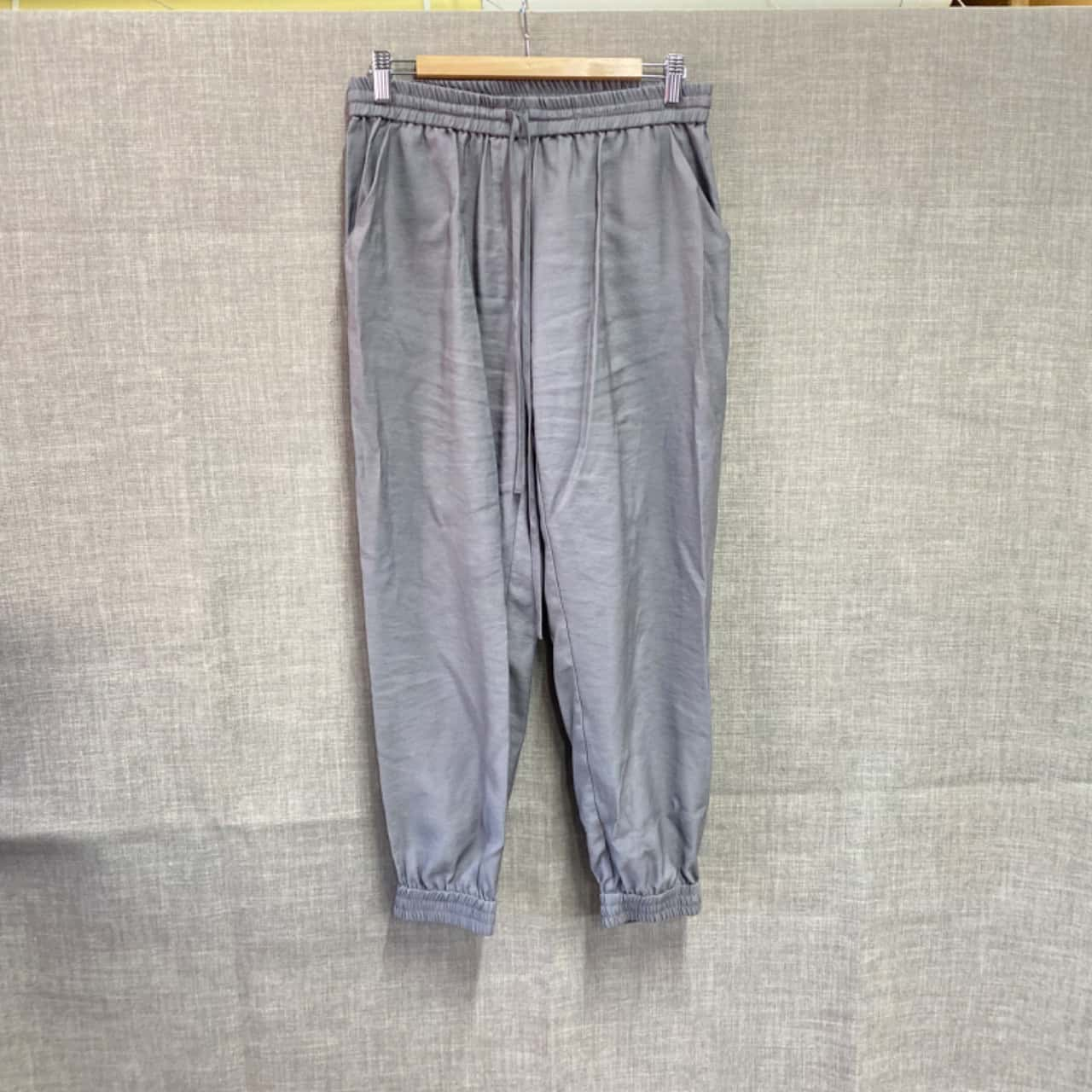
Bamboo women’s pants are generally worth the investment if you prioritize exceptional softness, moisture-wicking performance, and thermal regulation. While they carry a higher price tag than standard cotton or synthetic alternatives, their longevity and specialized comfort justify the cost for consumers seeking sustainable, high-performance loungewear and professional basics in 2026.
Understanding the Bamboo Fabric Market in 2026
The landscape of textile manufacturing has evolved significantly, and by 2026, bamboo has solidified its place as a premium staple in the "slow fashion" movement. When asking if bamboo pants are worth the price, it is essential to first understand what you are actually buying. Most "bamboo" clothing is technically bamboo viscose or bamboo lyocell.
The price discrepancy between a $20 pair of polyester leggings and an $85 pair of bamboo joggers stems from the complex transformation of raw bamboo timber into a wearable, silk-like thread. Bamboo is a grass that can grow up to three feet per day without pesticides or heavy irrigation. However, the mechanical or chemical processing required to soften those woody stalks into the fabric we recognize is labor-intensive and requires specialized facilities, especially those adhering to the strict environmental standards expected by 2026 consumers.
The Evolution of Bamboo Processing
In the past, bamboo was often criticized for the harsh chemicals used in the "viscose" process. In 2026, the market has shifted toward closed-loop systems. These systems capture and reuse 99% of the water and solvents used during production. When you pay a premium for bamboo pants, you are often paying for this cleaner technology, which ensures that the fabric is as kind to the planet as it is to your skin.
The Performance Benefits: Why the Premium Price?
To determine if the cost is justified, we must examine the functional benefits that bamboo offers over traditional textiles like cotton or polyester.
1. Superior Thermal Regulation
Bamboo fiber possesses a unique cross-section filled with micro-gaps and micro-holes. This physical structure allows for better moisture absorption and ventilation compared to other fibers. In 2026, as climate unpredictability becomes a larger factor in clothing choices, bamboo's ability to keep the wearer two degrees cooler in summer and noticeably warmer in winter provides a level of versatility that saves money over time by reducing the need for season-specific wardrobes.
2. Moisture Management and Hygiene
Bamboo is naturally more absorbent than cotton. It wicks moisture away from the skin and evaporates it into the air quickly. For women’s pants—particularly activewear or work trousers—this means staying dry and comfortable throughout the day. Furthermore, the "Bamboo Kun" (a natural bio-agent found in bamboo) provides inherent antimicrobial properties. This helps the fabric resist odors, meaning you can wear the pants more times between washes, which preserves the garment’s life and reduces water usage.
3. Tactile Comfort and Skin Sensitivity
For individuals with eczema, psoriasis, or sensitive skin, bamboo is often a medical necessity rather than a luxury. The fibers are naturally smooth and round without chemical treatment, meaning there are no sharp spurs to irritate the skin. The "hand-feel" of high-quality bamboo is often compared to silk or cashmere but at a significantly lower price point than those ultra-luxury materials.
Comparing Bamboo to Other Common Materials
The following table breaks down the key differences between bamboo and its main competitors in the 2026 women’s apparel market.
| Feature | Bamboo (Viscose/Lyocell) | Organic Cotton | Polyester (Synthetic) | Merino Wool |
|---|---|---|---|---|
| Tactile Softness | Exceptional (Silky) | Moderate | Varies (Can be scratchy) | High (Soft but textured) |
| Breathability | Excellent | Good | Low | Excellent |
| Odor Resistance | High (Natural) | Moderate | Low | Very High |
| Durability | Moderate (Requires care) | High | Very High | Moderate |
| Environmental Impact | Low (if closed-loop) | Moderate | High (Microplastics) | Low (Renewable) |
| 2026 Price Range | $60 - $140 | $45 - $95 | $15 - $60 | $90 - $200 |
The "Cost Per Wear" Analysis
A critical metric for 2026 shoppers is Cost Per Wear (CPW). A pair of $90 bamboo trousers that lasts for three years of weekly wear has a much lower CPW than a $30 pair of fast-fashion synthetic pants that pills, thins, or loses its shape after six months.
Durability and Shape Retention
High-quality bamboo pants are typically blended with a small percentage of spandex or elastane (usually 5-8%). This blend allows the bamboo to maintain the drape of a luxury fabric while providing the "rebound" necessary for pants to keep their shape at the knees and seat. While bamboo is more delicate than polyester, a well-constructed pair from a reputable brand uses reinforced stitching and higher GSM (grams per square meter) fabric to ensure they do not become "see-through" over time—a common complaint with cheaper alternatives.
Maintenance and Longevity
The primary "hidden cost" of bamboo is the care required. To make your investment worth it, you must avoid high heat. Bamboo fibers can weaken when wet and can shrink or lose their silky texture if blasted in a high-heat dryer. By 2026, most luxury bamboo brands recommend cold water washing and line drying. If you are someone who prefers to "toss everything in the dryer," the price of bamboo might not be worth it for you, as the garment’s lifespan will be significantly shortened.
Environmental and Ethical Considerations
In 2026, "value" is no longer just about the price tag; it's about the supply chain. Bamboo is one of the most sustainable raw materials available, provided the brand is transparent.
- Pesticide-Free: Bamboo requires no pesticides to thrive, unlike conventional cotton which uses a significant portion of the world's insecticides.
- Carbon Sequestration: Bamboo forests absorb approximately 35% more carbon dioxide than an equivalent stand of trees.
- Labor Standards: Brands charging $80+ for bamboo pants are more likely to undergo third-party audits (such as Fair Trade or B-Corp certification) compared to ultra-fast-fashion retailers. Paying the higher price often covers the "living wage" premium for the workers in the manufacturing chain.
Common Pitfalls: When Bamboo Is NOT Worth the Price
Despite the benefits, there are instances where bamboo pants may not be the right choice:
- High-Impact Athletics: While bamboo is great for yoga or hiking, it lacks the extreme compression and abrasion resistance of nylon-based synthetic gear. If you are doing heavy barbell work or obstacle course racing, bamboo may snag or wear through too quickly.
- Ultra-Cheap "Bamboo": If you find bamboo pants for $15 in 2026, they are likely either a very low-quality rayon or a blend with mostly polyester. These items will not offer the breathability or odor-resistance of genuine high-GSM bamboo.
- Strict Formal Wear: Bamboo has a natural "drape" that leans toward the casual or "athleisure" side. While bamboo trousers exist, they rarely have the stiff, crisp structure of a wool suit or a heavy linen pant.
How to Verify Quality Before Buying
To ensure you are getting your money’s worth, look for these three markers:
- Fabric Weight (GSM): For leggings or loungewear, look for a GSM of at least 250-300. Anything lower may be too thin and prone to holes.
- Certification Labels: Look for the OEKO-TEX Standard 100 (ensuring no harmful chemicals remain in the fabric) or FSC Certification (ensuring the bamboo was sourced from sustainably managed forests).
- Seam Construction: Check for flatlock stitching. This is a sign of high-quality construction that prevents chafing and ensures the seams won't pop under stress.
FAQ
Does bamboo fabric shrink after the first wash?
Bamboo can shrink up to 5-10% if washed in hot water or dried on high heat. To prevent this, always use cold water and either air dry or use the lowest heat setting on your dryer. Most premium brands in 2026 pre-shrink their fabric, but caution is still recommended to maintain the integrity of the fibers.
Are bamboo pants better than organic cotton?
It depends on your needs. Bamboo is softer, more moisture-wicking, and better at temperature regulation. Organic cotton is generally more durable, easier to care for (it handles heat better), and provides more structure. For lounging or sensitive skin, bamboo wins; for rugged daily wear or heavy work, organic cotton may be the better value.
Why do some bamboo pants pill?
Pilling occurs when short fibers break and tangle into small balls on the surface of the fabric. This is more common in lower-quality bamboo viscose. To minimize pilling, wash your bamboo pants inside out and avoid washing them with "rough" items like denim or towels, which can abrade the soft bamboo fibers.
Is bamboo really "antibacterial"?
The raw bamboo plant contains a substance called "Bamboo Kun," which is naturally antimicrobial. While the chemical process of turning bamboo into viscose can reduce this effect, many 2026 textile studies suggest that bamboo fabric still retains a significantly higher resistance to odor-causing bacteria compared to cotton or polyester.
Can you wear bamboo pants in the winter?
Yes. Because of the micro-gaps in the fiber, bamboo acts as an excellent insulator. It traps a thin layer of warm air near the skin. Many women find that bamboo leggings are warmer than cotton ones during the winter months, especially when used as a base layer.
Final Recommendation: Are They Worth It?
For the average consumer in 2026, bamboo women's pants are worth the price if you plan to use them for yoga, lounging, travel, or as a high-comfort work-from-home uniform. The combination of skin-health benefits, moisture management, and environmental sustainability provides a level of value that cheaper synthetics cannot match.
However, to maximize your investment, you should focus on purchasing from brands that utilize closed-loop lyocell processing and commit to proper garment care. If you are looking for rugged outdoor gear or items that require zero maintenance, you may find better value in high-performance synthetics or heavy-duty organic cotton.