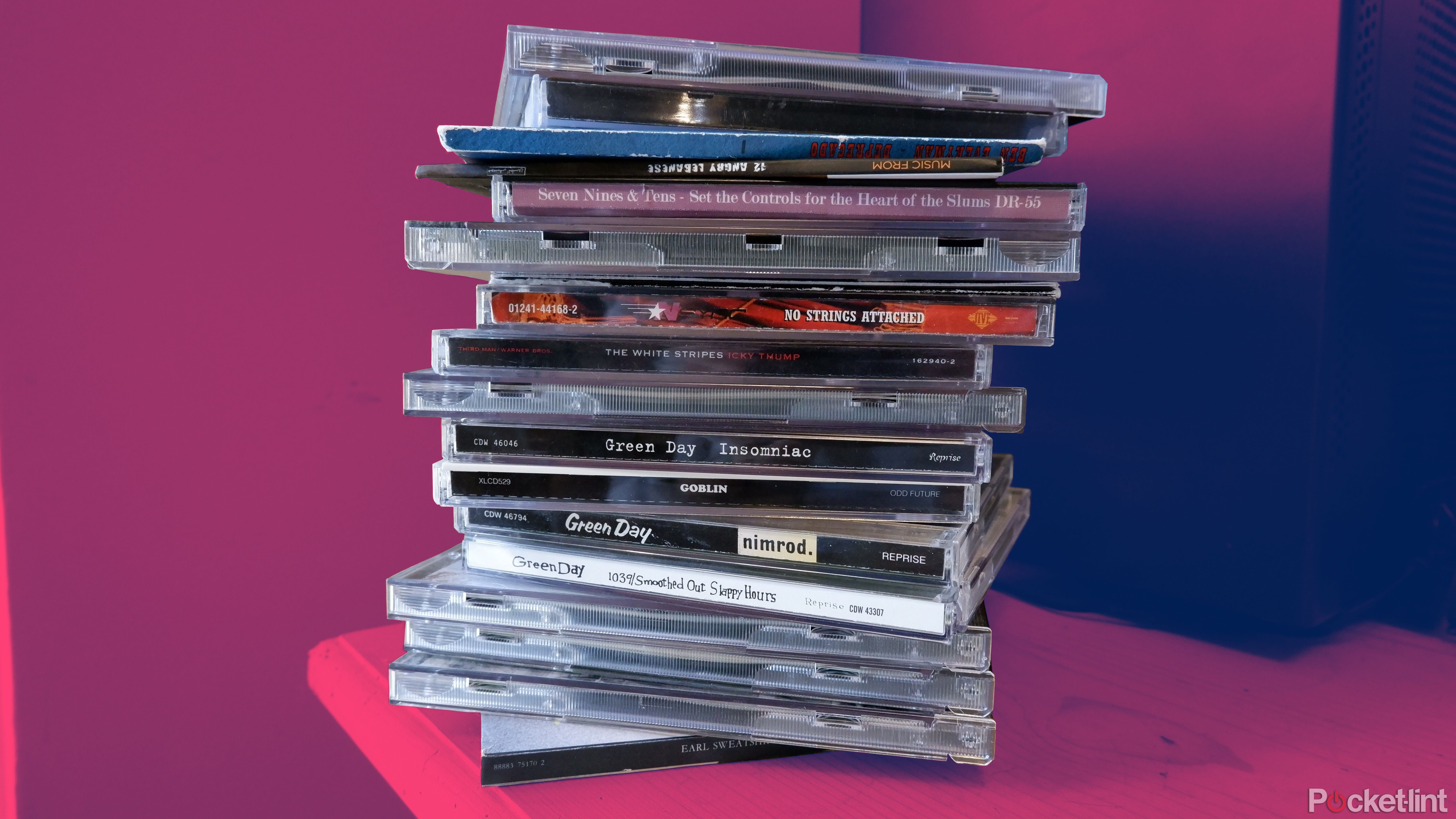
Audiobooks on CD remain a viable, high-quality, and reliable format for specific audiences, despite the dominance of digital streaming services. While they lack the convenience of cloud-based synchronization, they offer tangible ownership, offline reliability, and physical archival value. For those who prioritize sound quality, avoiding digital platform lock-in, or minimizing screen time, physical discs remain a practical and rewarding choice.
The Evolution of the Audio Format
The trajectory of the audiobook industry has shifted dramatically toward digital downloads and subscription-based streaming models. As of 2026, services like Audible, Spotify, and various library-linked apps such as Libby dominate the market. These platforms provide instant access to massive libraries, algorithmic recommendations, and seamless transitions between devices. In contrast, the Compact Disc (CD) represents a linear, hardware-dependent medium.
However, labeling the format "obsolete" ignores the persistent utility of physical media. A CD is a self-contained unit of data. Once purchased or borrowed, it requires no internet connection, no subscription fee, and no proprietary app. For many users, this absence of complexity is not a disadvantage but a feature. It provides an "analog" experience in a digital-first world, grounding the act of listening in a deliberate, tactile process.
Advantages of Retaining Physical Audiobooks
The primary argument for the continued relevance of audiobooks on CD centers on control and permanence. When you purchase a digital audiobook, you are often buying a license that can be revoked if a platform shutters, updates its terms of service, or suffers a licensing dispute with a publisher. A CD, conversely, remains in your possession indefinitely.
Offline Reliability
Digital services rely heavily on stable network connectivity. While many apps allow for local downloading, users are still beholden to the DRM (Digital Rights Management) constraints of the platform. If your credentials expire or an app update introduces a bug, your library can suddenly become inaccessible. Audiobooks on CD function in any standard optical drive—whether in a vehicle, a dedicated home stereo system, or a portable CD player—regardless of your internet status or subscription account standing.
Audiophile Sound Quality
While many digital formats utilize compressed audio to minimize file size and maximize bandwidth, the CD format uses uncompressed or lightly compressed pulse-code modulation (PCM), providing a higher fidelity listening experience. For listeners who use high-end audio equipment, the clarity of a CD is superior to the lossy MP3 or AAC files typically found in streaming libraries. This distinction becomes particularly noticeable on high-fidelity car audio systems or home sound bars.
Tactile Ownership and Giftability
There is a psychological satisfaction in physical media that digital files cannot replicate. Curating a shelf of favorite audiobooks provides a visual record of your interests. Furthermore, because physical CDs lack the copy-protection shackles of digital files, they are inherently "shareable." You can lend a set of audiobooks to a friend or relative without having to worry about app compatibility or account sharing policies.
Comparing Audio Formats: A Practical Breakdown
| Feature | Audiobooks on CD | Digital Streaming |
|---|---|---|
| Connectivity | None required | Required (often) |
| Ownership | Perpetual (physical) | License-based (digital) |
| Audio Quality | High (Uncompressed) | Variable (Compressed) |
| Portability | Bulky (discs/cases) | Excellent (cloud-based) |
| Cost | One-time purchase | Subscription or per-unit |
| Equipment | CD Player required | Smartphone/Computer |
The Role of Public Libraries in 2026
Public libraries remain one of the most significant champions of the physical audiobook format. In many municipalities, budget allocations still favor the purchase of CD collections because they serve segments of the population that may be technology-averse or those living in areas with unreliable high-speed internet.
When you borrow a CD from a library, you are engaging in a system that promotes community access without the friction of digital queues or waiting lists that are sometimes plagued by technical glitches. Furthermore, the library CD collection often includes rare or out-of-print recordings that have not been digitized for modern streaming services. If you are researching specific historical lectures, older unabridged narrations, or niche educational content, physical library archives are often the only way to access these materials.
Challenges and Limitations
To determine if the format is "worth it" for your specific lifestyle, you must also consider the significant limitations of CDs in 2026.
- Hardware Scarcity: Many modern vehicles are no longer manufactured with internal CD players. If your car lacks an optical drive, you would need to use a portable player connected via an auxiliary input or convert the CDs to digital files yourself.
- Physical Degradation: Discs are prone to scratching, warping, and data rot. Unlike a cloud library that is mirrored on redundant servers, if a physical disc is damaged, the data is lost.
- Convenience Gap: Modern listeners are accustomed to "cross-device sync." Starting a chapter on your commute in the car and picking up exactly where you left off on your phone at home is a standard expectation. CDs are linear; you must manually track your progress, which is cumbersome for long-form literature.
- Storage Space: A library of 100 audiobooks on CD occupies significant shelf space compared to the thousands of hours of audio that can be stored on a single smartphone.
Making the Decision: Is It Right for You?
The decision to continue using audiobooks on CD is usually based on lifestyle requirements rather than technological necessity.
Consider sticking with CDs if:
- You live in an area with inconsistent internet access.
- You are an audiophile who demands the highest possible clarity for spoken word.
- You prefer to avoid subscription fatigue and the "renting" model of media ownership.
- You find physical media helps you focus better by reducing screen-based distractions.
- You frequently commute in an older vehicle that is already equipped with a high-quality, reliable CD head unit.
Transition to digital streaming if:
- You prioritize portability and the ability to switch between devices instantly.
- You lack the physical space for large media collections.
- You prefer the "all-you-can-consume" model provided by services like Spotify or Audible.
- You find the process of swapping discs while driving to be a safety or convenience hazard.
Frequently Asked Questions
Are CD audiobooks disappearing from retailers? Major retailers have significantly reduced shelf space for physical audiobooks, shifting inventory to digital codes. However, they remain available through secondary markets, specialty collectors' shops, and through your local library system, which continues to maintain these collections for public use.
Can I rip my CDs to my computer to keep the digital quality? Yes. You can use free software to convert your CDs into lossless files (like FLAC or ALAC). This allows you to retain the high audio quality while gaining the convenience of digital playback on your modern devices. This effectively bridges the gap between physical ownership and digital utility.
Is it cheaper to buy CDs or pay for a subscription? It depends on your consumption rate. For a casual listener, a monthly subscription is usually cheaper. For a heavy listener, buying used CDs from library sales or thrift stores can be drastically cheaper than paying a monthly subscription fee for years.
Do CD players still exist for purchase in 2026? Yes, though they have become niche items. You can still purchase high-quality portable CD players and home component systems from audio electronics manufacturers. While they are no longer mass-market commodities, they remain available for enthusiasts and those who value the format.
Final Recommendation
If you have a collection of CDs or access to a robust library archive, there is immense value in continuing to use them. They offer a level of permanence and fidelity that digital services strive to approximate but rarely match. If you are starting from scratch, however, it is likely more practical to utilize digital platforms for the bulk of your listening, perhaps supplemented by physical copies of your absolute favorite works. The format is not dead, but it has shifted from a general-purpose medium to a specialized, enthusiast-driven experience.