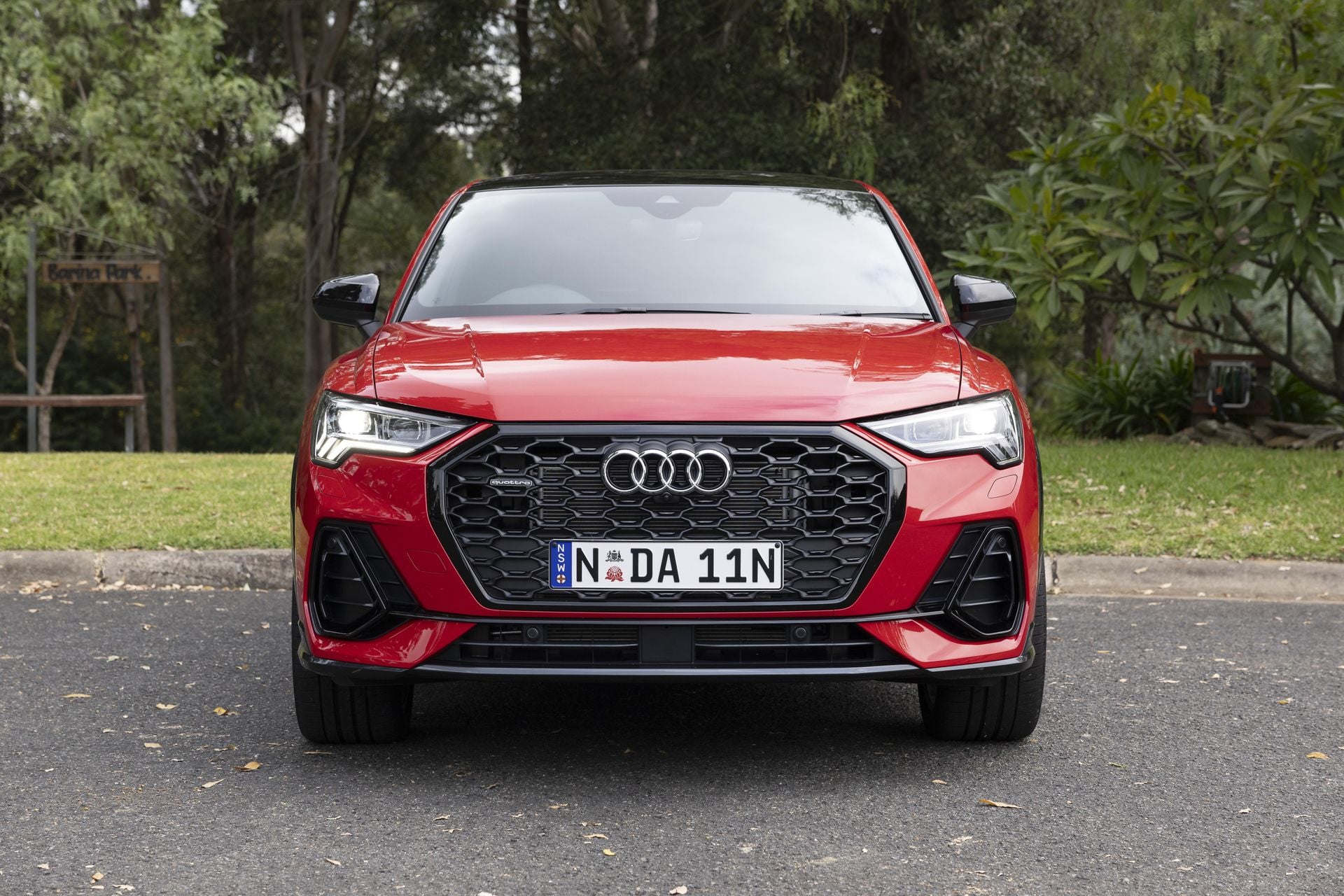
The Audi Q3 is generally more expensive to maintain than mass-market competitors like the Toyota RAV4 or Honda CR-V, but it is competitively priced within the premium compact luxury SUV segment. Owners should anticipate higher-than-average costs for specialized German engineering, labor at premium service centers, and the necessity of high-quality synthetic fluids and proprietary components.
Understanding the True Cost of Audi Q3 Ownership
When prospective buyers ask if an Audi Q3 is expensive to maintain, they are often comparing it to non-luxury vehicles. It is essential to shift the frame of reference: the Q3 is a sophisticated machine built on the Volkswagen Group MQB platform, sharing engineering DNA with other premium vehicles. Maintaining a luxury vehicle requires a different financial commitment than maintaining an economy car.
"Expensive" is a subjective term, but in automotive terms, it refers to the total cost of ownership (TCO) over the life of the vehicle. For the Audi Q3, this includes routine maintenance, premature component wear, and potential out-of-warranty repairs. As of 2026, the Q3 remains a popular choice for those seeking entry-level luxury, but the "entry-level" status only applies to the purchase price—not the upkeep.
Routine Maintenance Requirements
To keep an Audi Q3 running reliably, owners must adhere to the manufacturer’s recommended service intervals. Ignoring these intervals is the most common cause of premature mechanical failure in European vehicles. Audi recommends a service check-up every 10,000 miles or once per year, whichever comes first.
The 10,000-Mile Service Schedule
The "minor" and "major" services alternate to ensure that all systems remain within factory specifications.
- Minor Service: Typically involves an engine oil and filter change, a comprehensive multi-point inspection, and a reset of the service interval indicator. This service focuses on the lifeblood of the engine and identifying wear on major chassis components.
- Major Service: This is significantly more comprehensive. It includes the minor service items plus replacement of the cabin dust and pollen filter, inspection of the transmission, checking the brake system for thickness and fluid degradation, and a detailed examination of the drive axles and suspension bushings.
The Role of High-Performance Fluids
Unlike domestic or Japanese vehicles that may accept various aftermarket fluids, the Audi Q3 engines (typically the 2.0L TFSI) are tuned to precise tolerances. They require specific oil certifications (such as VW 508.00 or 504.00 standards). Using generic, improper oil can cause carbon buildup in the direct-injection system or premature turbocharger failure, turning a routine oil change into a multi-thousand-dollar repair.
Common Repair Costs and Predictable Failures
Beyond routine maintenance, owners must account for the inevitable wear-and-tear items that characterize high-end European SUVs. While modern Q3 models have addressed many of the electrical and water pump issues found in earlier generations, several areas remain points of financial focus.
Cooling System Components
The Q3 utilizes a complex cooling system designed to regulate temperatures in the turbocharged engine. Components like the thermostat housing and the water pump often require replacement between the 60,000 and 90,000-mile marks. Because these components are often integrated into the engine block or require significant labor to access, the cost can be high compared to non-luxury brands where these parts are easily accessible.
Brake Systems and Rotors
Audi vehicles are known for their exceptional stopping power, achieved through the use of performance-oriented brake pads and rotors. These materials are softer than those found on economy cars, providing superior bite but faster wear. It is common for an Audi Q3 to require a full set of pads and rotors simultaneously, as the rotors are designed to wear down alongside the pads to maintain surface integrity.
DSG and Automatic Transmission Service
If your Q3 is equipped with a dual-clutch transmission (DSG), it requires a specialized fluid change typically every 40,000 miles. Failing to perform this service can lead to rough shifting, "mechatronics" unit failures, or total transmission replacement. The labor cost is higher for these services because they require precision pumping and temperature-sensitive filling procedures.
Comparing Maintenance Costs Across Segments
The following table provides a high-level comparison of annual maintenance expectations for the Audi Q3 versus typical competitors. Please note that these figures represent estimated averages for standard dealer-performed service in the United States as of 2026.
| Vehicle Class | Typical Annual Maintenance Cost | Complexity of Service |
|---|---|---|
| Compact Economy SUV | $450 – $600 | Low |
| Audi Q3 (Luxury) | $850 – $1,200 | Moderate/High |
| Performance Luxury SUV | $1,200 – $1,800 | High |
| Exotic/High-End SUV | $2,500+ | Very High |
Note: Estimates reflect dealer service pricing, which includes factory-trained labor rates and OEM parts.
Factors That Influence Your Maintenance Budget
Your actual cost of ownership will depend heavily on several variables. Understanding these can help you mitigate financial surprises.
Dealer vs. Independent Specialist
You are not legally required to have your Q3 serviced at an Audi dealership to maintain your warranty, provided you use an independent shop that adheres to factory-recommended procedures and uses OEM-quality parts. Independent shops that specialize in German or European vehicles often charge 20% to 30% less for labor than official dealerships. However, the cost of the parts remains roughly the same.
The Impact of Driving Style and Environment
The "Cost of Driving" is not just about miles; it is about how those miles are accumulated.
- City Driving: Frequent idling and stop-and-go traffic place higher thermal stress on the engine and transmission, leading to faster degradation of oil and brake components.
- Climate: Extremes in temperature (intense heat or harsh winters) require more frequent checks of the battery, cooling system, and rubber seals.
- Driving Style: Aggressive driving habits, such as hard braking or sustained high-RPM driving, will accelerate the wear of tires and suspension bushings significantly.
The "Extended Warranty" Dilemma
Many Q3 owners consider third-party extended warranties. If you choose to keep your vehicle past the standard factory warranty, an extended warranty can act as a financial hedge against catastrophic electronic failure. However, you must carefully read the contract; many policies exclude "wear items" like brake pads, fluids, and filters, meaning they only cover major internal failures.
Proactive Maintenance: The Best Financial Strategy
The most effective way to keep an Audi Q3 from becoming a financial burden is to practice proactive, rather than reactive, maintenance.
- Follow the Booklet: Never deviate from the service schedule provided in the Audi Maintenance Manual.
- Monitor Fluid Levels: Turbocharged engines consume small amounts of oil as part of their standard operation. Check your oil level between changes—a low oil condition can ruin a turbocharger in minutes.
- Address Warning Lights Promptly: In an Audi, a check engine light or service warning is rarely a false alarm. Sensors are highly accurate; ignoring a minor issue (like a vacuum leak) often leads to a major issue (like a catalytic converter failure).
- Use OEM Parts: While it is tempting to purchase cheaper, non-branded components, these often lack the specific material specifications required for Audi’s tight tolerances. Saving money on a water pump today often results in an engine overheating event tomorrow.
Frequently Asked Questions
Does the Audi Q3 require premium fuel?
Yes, the Audi Q3 is designed to run on high-octane (premium) gasoline. Using a lower grade of fuel can lead to "knocking" or "pinging," which forces the engine management computer to retard ignition timing. This results in decreased fuel economy and a loss of power, and over time, it can cause damage to the fuel injection and combustion systems.
Are Audi Q3 parts hard to find?
No. Because the Q3 shares its platform and many engine components with the Volkswagen Tiguan and other VW Group vehicles, parts are readily available. You will rarely wait for a part to be shipped from Germany, as most domestic regional warehouses carry a deep stock of common wear-and-tear items.
Is the Q3 considered reliable?
The Audi Q3 has historically tracked with the middle of the luxury segment for reliability. It is not as trouble-free as a Japanese vehicle, but it is not prone to the catastrophic electrical gremlins that plagued European cars in the early 2000s. Its reliability is highly dependent on the quality and consistency of the maintenance it receives.
Can I do my own maintenance on an Audi Q3?
If you are an experienced mechanic with access to the correct diagnostic tools (such as VCDS or an OBD-II scanner capable of resetting service intervals), you can perform basic tasks like oil changes and filter replacements. However, because modern Audi systems are heavily integrated with onboard computers, specialized diagnostics are often necessary to clear codes or bleed brake lines properly.
Recommendation for Current and Prospective Owners
If you prioritize the driving dynamics, interior refinement, and build quality of an Audi, the Q3 is a rewarding vehicle. To ensure that your ownership experience remains positive, budget an average of $1,000 per year for maintenance beyond the factory warranty period. Treat this amount as a set-aside expense rather than a surprise.
If you are purchasing a used Q3, always prioritize a model with a comprehensive, verified service history. If a previous owner cannot provide documentation of regular oil changes and transmission fluid services, the vehicle represents a higher financial risk. A well-maintained Audi Q3 will provide years of reliable service, provided you respect the engineering requirements of the brand.