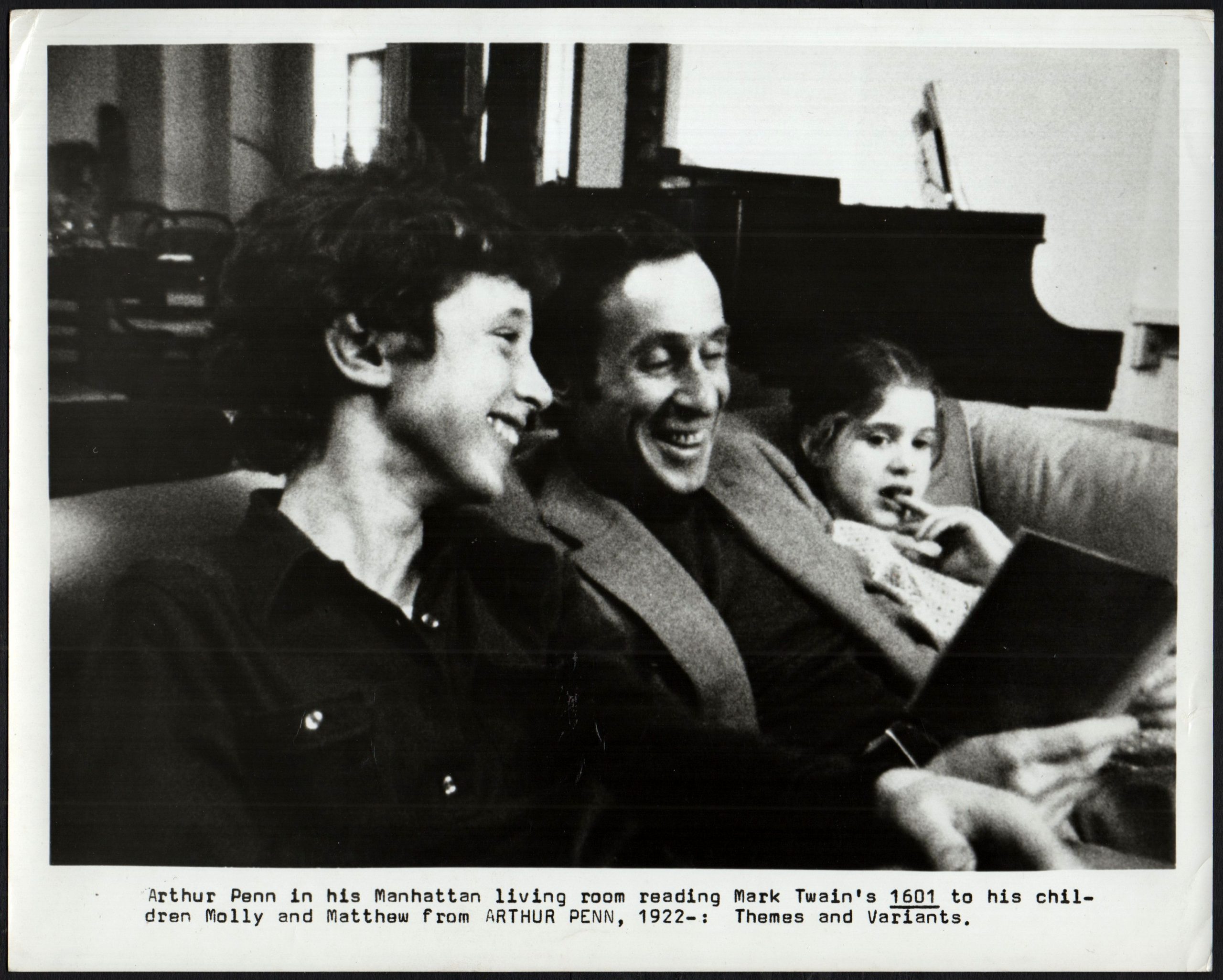
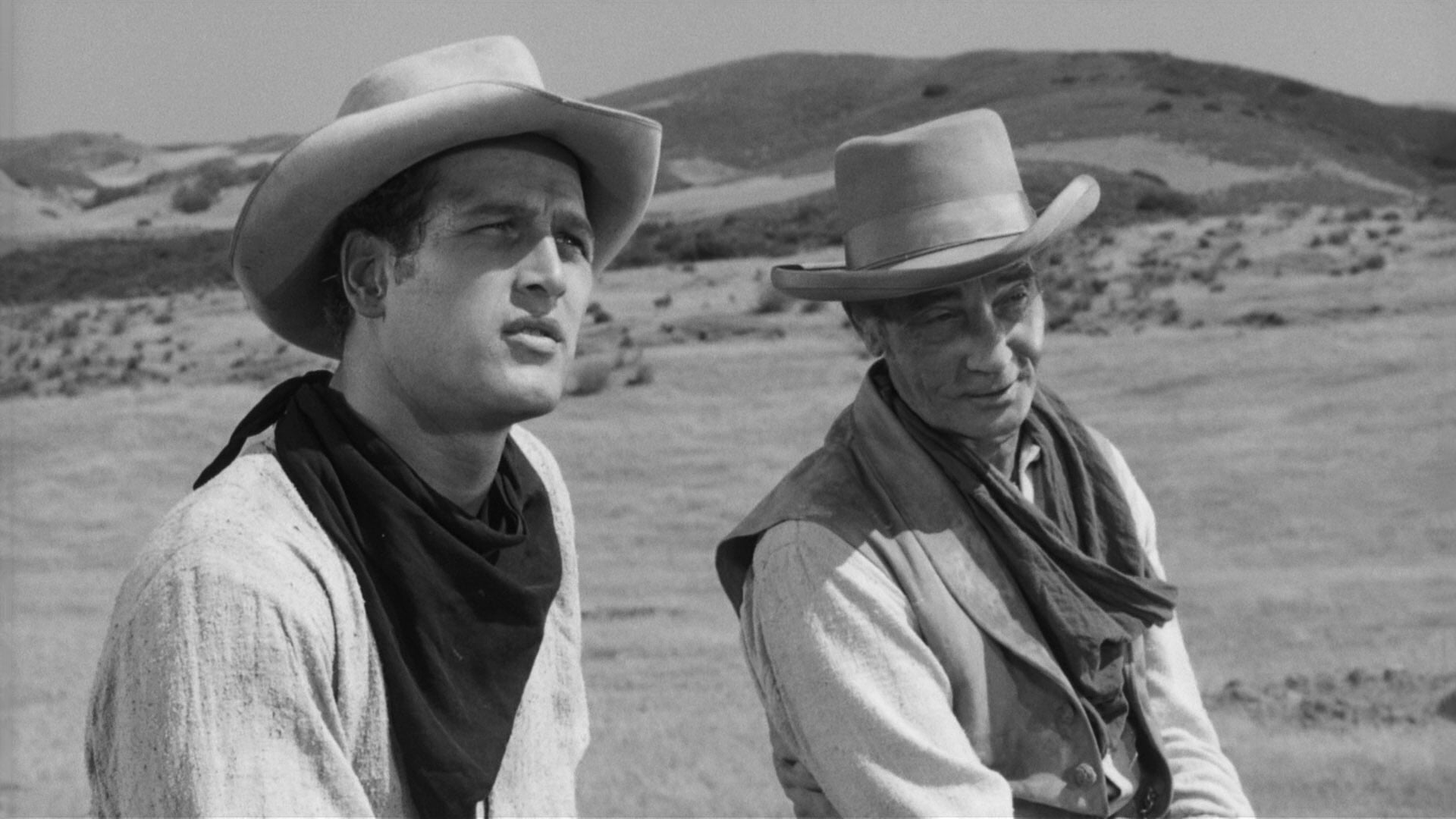
Arthur Penn and Sean Penn are not related, despite sharing a famous surname that has long been a staple of the American film industry. While both individuals have left indelible marks on cinema—Arthur Penn as an influential director and Sean Penn as an acclaimed actor and filmmaker—they belong to entirely different family lineages with no documented ancestral connection.
The Distinct Lineages of Two Iconic Figures
In the vast ecosystem of Hollywood, it is common for audiences to assume that individuals sharing a prominent last name belong to the same family tree. The prevalence of "dynasties" in the entertainment industry—such as the Barrymores, the Fondas, or the Hustons—often leads to the heuristic assumption that shared surnames imply kinship. However, the case of Arthur Penn and Sean Penn provides a clear example of how distinct paths can lead to the same professional pinnacle without the interference of familial ties.
Arthur Penn, born in 1922 in Philadelphia, Pennsylvania, was the son of Russian-Jewish immigrants. His father, Harry, was a watchmaker, and his mother, Sonia, was a nurse. Arthur’s upbringing was centered on the East Coast, and his early professional trajectory was defined by his work in television and theater before transitioning to a groundbreaking career as a film director, most notably remembered for Bonnie and Clyde (1967).
In contrast, Sean Penn, born in 1960 in Santa Monica, California, descends from a lineage deeply entrenched in the entertainment industry, but one that is entirely removed from Arthur Penn’s. Sean is the son of Leo Penn, an actor and director, and Eileen Ryan, an actress. His family roots are primarily of Irish, Lithuanian, and Russian-Jewish descent, yet they share no genealogical overlap with the Philadelphia-based family of Arthur Penn.
Examining Arthur Penn’s Background and Contributions
Arthur Penn’s career was pivotal in shifting the landscape of American cinema during the 1960s. He was a key figure in the "New Hollywood" movement, a period characterized by directors taking creative control away from the traditional studio system. His films often explored themes of anti-establishment sentiment, violence, and the disillusionment of the American Dream.
His family background does not feature any connection to the entertainment industry of the West Coast where Sean Penn’s career was fostered. Arthur served in the United States Army during World War II, an experience that heavily influenced his later artistic sensibilities. After the war, he studied at Black Mountain College, an experimental liberal arts institution, before beginning his career in television. His development as a director was marked by his work with the Actors Studio and his early stage direction on Broadway. These foundations were deeply tied to the intellectual and artistic circles of New York, distancing his origins from the Hollywood studio environment in which Sean Penn grew up.
Examining Sean Penn’s Background and Contributions
Sean Penn’s path into the limelight was, by comparison, facilitated by his upbringing in the heart of the film industry. His parents, Leo and Eileen, were active participants in the Hollywood community. Leo Penn, who was also a director, faced the challenges of the blacklist era, an experience that profoundly shaped his son's worldview and career path.
Sean Penn’s emergence as an actor in the early 1980s was not a matter of shared inheritance with other "Penns" in the industry, but rather a result of his development within the Los Angeles acting culture. His career, ranging from intense dramatic roles in Mystic River to his own directorial works like Into the Wild, is a testament to his distinct artistic vision. There is no historical documentation, biographical record, or genealogical survey that links his father, Leo, or his grandfather to any member of Arthur Penn’s family.
Why the Confusion Persists
The confusion surrounding the potential relationship between Arthur and Sean Penn is primarily a byproduct of the "celebrity surname" phenomenon. In the public consciousness, a surname as recognizable as "Penn" functions as a brand. When multiple individuals of high status share a name, the brain naturally seeks a pattern of association.
This phenomenon is frequently observed with other industry figures, such as the various prominent families of the same name who are not related (e.g., the multiple unrelated prominent families named "Smith" or "Jones"). Because both Arthur and Sean attained such high levels of cultural recognition, the assumption of a familial connection becomes a shorthand for understanding their proximity to each other in the industry. However, analyzing their biographies shows that their similarities are entirely professional—a shared affinity for gritty, realistic, and character-driven storytelling—rather than biological.
Comparative Summary of the Two Figures
To clarify the differences in their origins, professional focus, and legacy, the following table breaks down the essential facts distinguishing the two men.
| Attribute | Arthur Penn | Sean Penn |
|---|---|---|
| Primary Role | Director | Actor, Director, Producer |
| Birthplace | Philadelphia, Pennsylvania | Santa Monica, California |
| Birth Year | 1922 | 1960 |
| Family Background | Russian-Jewish immigrants (Watchmaker) | Hollywood family (Leo Penn and Eileen Ryan) |
| Cultural Era | New Hollywood (1960s–70s) | Post-New Hollywood to Present |
| Connection to Other | None | None |
Debunking Common Misconceptions
In the age of digital information, rumors regarding family ties often spread through speculative forum posts, social media conjecture, and clickbait articles that rely on the assumption of shared names. It is important to note that:
- No Shared Ancestry: Genealogists and biographers have never identified a common ancestor between the two. The surnames arise from different lineages with no crossing point.
- Geographical Separation: Arthur Penn’s career was rooted in the New York theatrical and television scene, while Sean Penn’s trajectory is firmly grounded in the California film industry.
- Professional Autonomy: Neither man ever cited the other as a relative or mentor in any official interview, biography, or public statement.
Understanding these points is essential for students of film history who aim to analyze the evolution of American cinema accurately. Attributing their work to a single "family" overlooks the individual struggles and unique environments that shaped each man’s artistic output.
The Role of Biographical Accuracy in Film History
When analyzing film history, precision regarding the personal lives of directors and actors is more than just trivia; it is crucial for understanding the context of their work. Arthur Penn’s films reflect the postwar intellectual shifts of the 1950s and 60s, while Sean Penn’s career is indicative of the late 20th and early 21st-century exploration of fame, politics, and raw human performance.
By separating these two figures, we can better appreciate the unique conditions that allowed each to excel. Arthur Penn’s success was, in many ways, an outsider’s revolution against the established Hollywood system. Sean Penn, while also a nonconformist, entered the industry during a period where he could leverage his connections to establish a voice as an actor-director. Misattributing their backgrounds masks the reality of how these individuals entered the industry and how they sustained their careers over decades.
Frequently Asked Questions
1. Was Sean Penn related to the director Arthur Penn through his mother’s side? No. Sean Penn’s mother is the actress Eileen Ryan (born Eileen Annucci). There is no record of any connection between the Annucci or Ryan families and the family of Arthur Penn.
2. Are there any other famous "Penns" in Hollywood related to them? There are other individuals named Penn in the entertainment industry, such as Christopher Penn, who was Sean Penn’s brother. However, none of these individuals are related to Arthur Penn.
3. Did Arthur Penn ever direct Sean Penn? Arthur Penn, who passed away in 2010, and Sean Penn never collaborated on a film. Their professional paths did not overlap in a director-actor capacity during their overlapping active years in the industry.
4. Is the surname "Penn" common enough to imply no relationship? "Penn" is a relatively common surname, which increases the statistical likelihood of two successful individuals sharing the name without having any genealogical link. It is similar to other common surnames like "Miller" or "Wilson" in the film industry, where many high-profile figures share the name despite having no shared heritage.
5. How can I verify celebrity family trees? For accurate information, always refer to reputable biographical databases, such as the Internet Movie Database (IMDb) for professional credits, and verified historical biographies for familial connections. Avoid relying on speculative genealogy sites or social media threads.
Final Recommendation for Further Research
If you are interested in the history of American cinema and the influence of these two figures, focus your research on their individual bodies of work. For Arthur Penn, explore his contributions to the transition from the "Golden Age" of Hollywood to the "New Hollywood" era through films like The Miracle Worker and Bonnie and Clyde. For Sean Penn, study his evolution from a rising star in the 1980s to a serious, politically active filmmaker.
Distinguishing between these two legends allows for a more nuanced understanding of how American film has developed. Rather than looking for a nonexistent familial bridge, view their careers as distinct chapters in the broader story of cinema. By keeping their histories separate, you ensure a more accurate representation of their respective, and entirely unique, contributions to the arts.