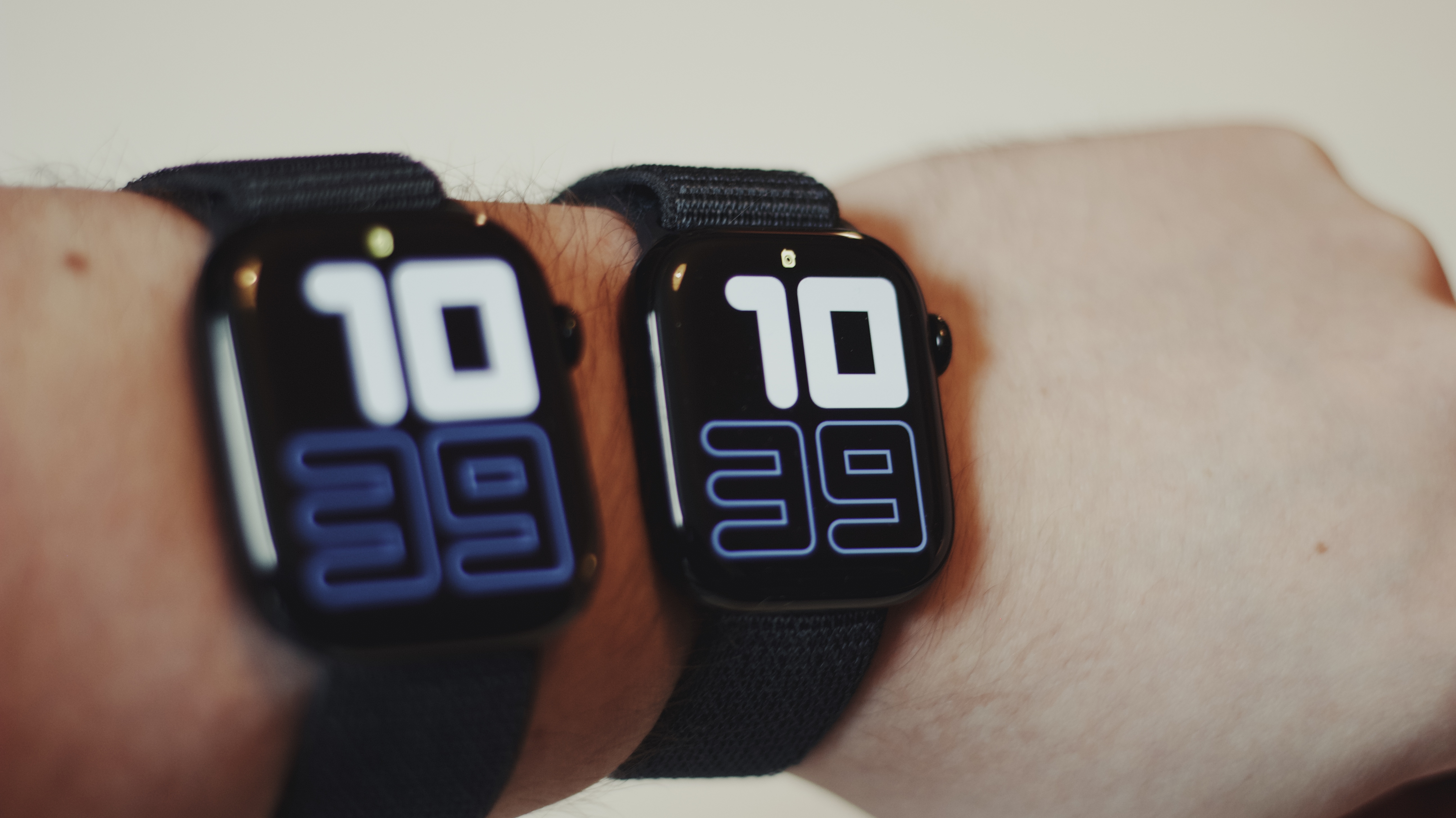
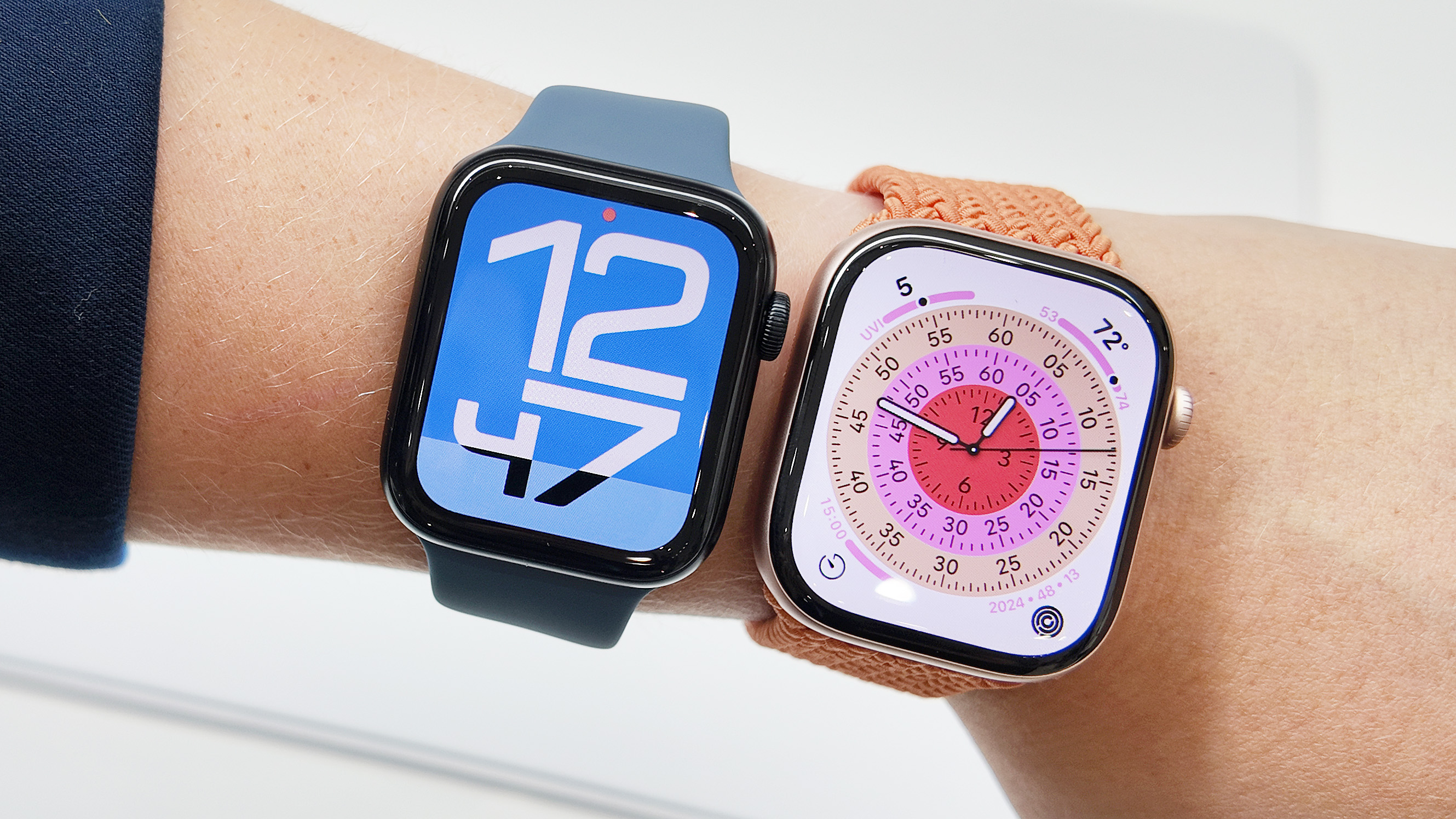
The primary difference between the 42mm and 44mm Apple Watch models is the screen-to-body ratio and display technology. While the 44mm case (introduced with Series 4) is only 2mm larger physically, it offers nearly 30% more screen area than the legacy 42mm case (Series 3 and earlier) due to significantly thinner bezels and rounded corners.
Choosing between the 42mm and 44mm Apple Watch is a decision that often spans across different generations of Apple's wearable technology. In 2026, as we look back at the trajectory of the Apple Watch, the "42mm vs 44mm" debate remains one of the most common points of confusion for those shopping the secondary market or comparing legacy hardware to the refined form factors of the mid-2020s.
While 2mm might seem negligible on paper, it represents one of the most significant architectural shifts in Apple’s hardware history. This comparison explores the physical dimensions, display capabilities, band compatibility, and technical nuances that define these two iconic sizes.
The Architectural Evolution: Form Factor and Chassis
To understand the difference between 42mm and 44mm, we must first look at the eras they represent. The 42mm size was the "large" option for the original Apple Watch (Series 0) through Series 3. The 44mm size took over as the "large" standard from Series 4 through Series 6, and continues to exist today in the Apple Watch SE (2nd Generation).
The Legacy 42mm Design (Series 0–3)
The 42mm chassis is characterized by its rectangular, boxy aesthetic. It features a display with sharp, 90-degree corners and substantial black borders (bezels) around the screen. In the context of 2026, this design feels distinctly "retro." The thickness of these bezels means that despite the case being 42mm tall, the actual viewing area is relatively cramped by modern standards.
The Modern 44mm Design (Series 4–6, SE)
The 44mm design was a total reimagining of the watch's face. By pushing the screen further toward the edges and rounding the corners of the display to match the curve of the case, Apple managed to fit a much larger screen into a body that is only marginally larger. The 44mm case is slightly thinner than the older 42mm models, allowing it to sit flatter against the wrist despite its larger footprint.
Display Real Estate and Visual Performance
The jump from 42mm to 44mm is less about the case and more about the "active area" of the screen. This is where users notice the most significant day-to-day difference.
Resolution and Pixel Density
The 42mm Apple Watch features a resolution of 312 by 390 pixels. In contrast, the 44mm model boasts 368 by 448 pixels. This increase in resolution allows for more information to be displayed simultaneously. On the 44mm model, text is crisper, and complications (the small widgets on the watch face) can contain more detail.
Corner Radius and UI Optimization
The rounded corners of the 44mm display aren't just for aesthetics; they changed how software is designed. Newer watchOS versions (specifically those released after 2020) are optimized for the rounded displays. Elements "hug" the edges of the 44mm screen, whereas, on the 42mm screen, the interface often feels boxed in by the thick black borders.
LTPO OLED Technology
Starting with the 44mm Series 5, Apple introduced LTPO (Low-Temperature Polycrystalline Oxide) technology. This allowed for the Always-On Display, a feature never found on any 42mm model (with the exception of the 2024 Series 10, which we will disambiguate later). If you are comparing a Series 3 42mm to a Series 5 or 6 44mm, the ability to see the time without raising your wrist is a massive functional advantage for the 44mm.
Technical Specifications Comparison
| Feature | Apple Watch 42mm (Legacy) | Apple Watch 44mm (Modern) |
|---|---|---|
| Case Height | 42.5 mm | 44.0 mm |
| Case Width | 36.4 mm | 38.0 mm |
| Case Depth | 11.4 mm | 10.7 mm |
| Display Area | 740 sq mm | 977 sq mm |
| Display Type | OLED Retina | LTPO OLED Retina |
| Always-On | No | Yes (Series 5, 6) / No (SE) |
| Weight (Aluminum) | ~32.3g | ~36.5g |
The Band Compatibility "Secret"
One of Apple’s most consumer-friendly decisions in the wearable space is band compatibility. Many users believe that a 42mm band will not fit a 44mm watch, but the opposite is true.
Apple categorizes its bands into two size clusters:
- Small Cluster: 38mm, 40mm, 41mm, and the "small" 42mm (Series 10).
- Large Cluster: 42mm (Legacy), 44mm, 45mm, 46mm, and 49mm (Ultra).
If you have a collection of bands from an old 42mm Series 3, they will fit a 44mm Apple Watch SE or Series 6 perfectly. The "lug" (the metal piece that slides into the watch) is identical in width for all "large" size watches. This makes upgrading from a 42mm to a 44mm model seamless if you have invested in premium bands like the Link Bracelet or Milanese Loop.
Performance and Longevity in 2026
When deciding between these two sizes in 2026, the internal hardware is just as important as the external dimensions.
The 42mm Longevity Gap
The legacy 42mm models (Series 0-3) are largely obsolete in 2026. They no longer receive watchOS updates, which means they lack modern security patches and cannot run current apps. The Series 3, while a bestseller for years, struggles with modern performance demands, often experiencing lag when navigating the interface.
The 44mm Efficiency
The 44mm models, particularly the Series 6 and the Apple Watch SE (2nd Gen), remain highly functional in 2026. These models feature 64-bit dual-core processors that are significantly faster than the S3 chip found in the old 42mm. This translates to faster Siri responses, quicker app launches, and smoother animations.
Health and Sensor Capabilities
The transition from the 42mm era to the 44mm era marked a turning point in health monitoring.
- Heart Rate Monitoring: While the 42mm Series 3 has an optical heart sensor, the 44mm Series 4 and later introduced the Electrical Heart Sensor (ECG). This allows users to take an electrocardiogram directly from their wrist, a feature that has been credited with detecting atrial fibrillation (AFib).
- Fall Detection: Introduced with the 44mm Series 4, this feature uses the improved accelerometer and gyroscope to detect if a user has taken a hard fall and can automatically contact emergency services.
- Blood Oxygen (SpO2): Available on the 44mm Series 6, this sensor provides insights into overall wellness and respiratory health—a feature entirely absent from the 42mm legacy lineup.
Disambiguation: The 2024 Series 10 "42mm"
It is crucial to note that in 2024, Apple released the Series 10, which reintroduced a 42mm size. However, this is not the same as the legacy 42mm.
- The Legacy 42mm was the "Large" watch of its time.
- The Series 10 42mm is the "Small" watch of the modern lineup (paired with a 46mm large version).
In 2026, if you are looking at a "42mm vs 44mm" comparison, ensure you are not comparing the newest small watch (Series 10 42mm) with an older large watch (Series 4-6 44mm). The Series 10 42mm actually has a larger screen area than the legacy 44mm because its bezels are even thinner. However, for the purpose of the secondhand and refurbished market, most "42mm vs 44mm" searches refer to the Series 3 vs Series 4/5/6/SE comparison.
Battery Life and Charging Realities
Battery life remains a sticking point for all Apple Watches, but there are nuances between these sizes.
- Capacity: The 44mm models generally have larger physical batteries than the 42mm models.
- Efficiency: Despite having a larger screen to power, the more advanced processors in the 44mm models are more energy-efficient.
- Fast Charging: If you are looking at the 44mm Series 6 or SE, you get better power management than the old 42mm Series 3. The Series 7 and later (which moved to 45mm) introduced true fast charging, but the 44mm Series 6 is notably faster to top up than the aging 42mm models.
In 2026, a used 42mm Apple Watch is likely to have significant battery degradation. Because Apple Watch batteries are difficult to replace, the 44mm models—being newer—are much more likely to have a healthy battery state of health (SoH).
Wrist Size and Ergonomics
Choosing the right size is a matter of wrist circumference and personal style.
- Small to Medium Wrists (140mm – 180mm): The 42mm legacy watch fits well, but the 44mm modern watch is designed to be thinner, which often prevents it from feeling "bulky" even on smaller wrists.
- Large Wrists (180mm – 210mm): The 44mm is almost always the better choice. The 42mm can look somewhat undersized on larger wrists, especially with its smaller screen and thicker bezels.
The 44mm case's curved underside also allows the sensors to make better contact with the skin for more accurate heart rate readings, which can be an issue on the flatter 42mm models if they don't sit perfectly on the wrist bone.
Common Mistakes to Avoid
- Ignoring Software Support: Buying a 42mm Series 3 in 2026 is generally discouraged. It is no longer supported by Apple, and many apps will simply not work.
- Confusing Screen Protectors: Screen protectors and cases for the 42mm will not fit the 44mm. The curvature of the glass is different.
- Assuming All 44mm Are Equal: Remember that the 44mm Apple Watch SE does not have the Always-On Display or the ECG sensor found in the 44mm Series 5 and 6.
Final Recommendation: Which Should You Choose?
In 2026, the 44mm Apple Watch is the clear winner for almost every user. The 42mm (legacy) models are now part of Apple's history, best suited for collectors or those who only need the most basic time-keeping functions without any app connectivity.
The 44mm form factor represents the "sweet spot" of Apple's design language. It offers a modern, expansive display, access to vital health sensors like ECG and Fall Detection, and compatibility with a vast ecosystem of bands. Whether you are looking at a refurbished Series 6 or a 2nd Generation SE, the 44mm size provides a significantly better user experience than the 42mm models of the past.
FAQ
Can I use my 42mm Apple Watch bands on a 44mm Apple Watch? Yes. Apple has maintained band compatibility across all "large" watch sizes. Any band designed for the 42mm (Series 0-3), 44mm (Series 4-6/SE), 45mm (Series 7-9), 46mm (Series 10), or 49mm (Ultra) will fit the 44mm case perfectly.
Is the 44mm Apple Watch too big for a woman's wrist? Not necessarily. Because the 44mm model is actually thinner (10.7mm) than the legacy 42mm (11.4mm), it often feels less bulky. It depends on personal preference and wrist circumference, but many women prefer the 44mm for its screen legibility.
Does the 44mm Apple Watch have better battery life than the 42mm? In practical terms, yes. While both are rated for "up to 18 hours," the 44mm models feature more efficient processors and larger battery cells. Furthermore, because 42mm models are older, their batteries are more likely to have degraded over time.
Are cases for the 42mm and 44mm interchangeable? No. Protective cases and "bumpers" are size-specific. A 42mm case will not fit a 44mm watch due to the differences in case height, width, and the placement of the Digital Crown and side button.
Which 44mm model is the best value in 2026? The Apple Watch SE (2nd Generation) 44mm is typically the best value for those who don't need Always-On Display. For those who want more health features, a refurbished Apple Watch Series 6 44mm offers the best balance of sensors (ECG, SpO2) and performance.