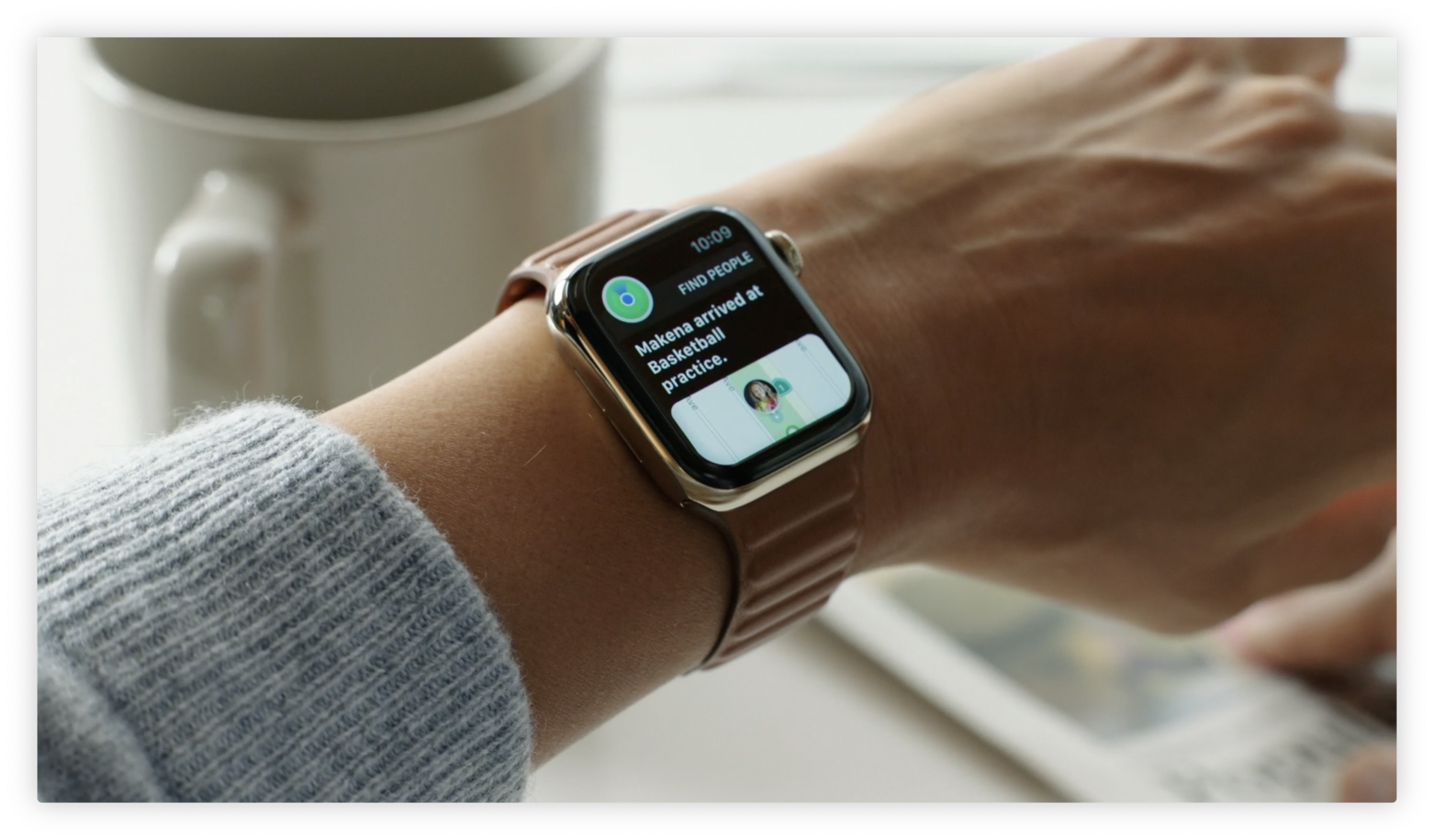
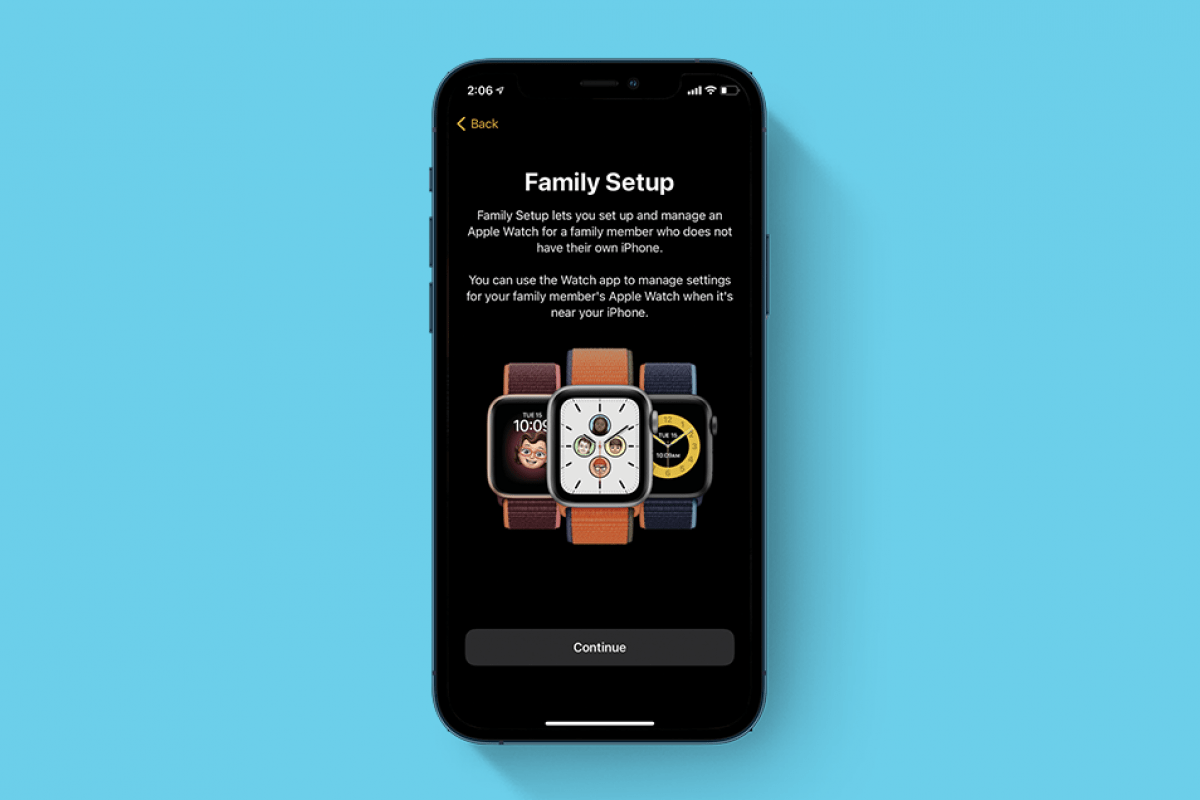
Apple Watch Family Setup allows family members who do not own an iPhone—such as children or elderly relatives—to use a cellular-enabled Apple Watch for communication, location tracking, and health monitoring. Managed through a primary user's iPhone, it provides independence for the wearer while maintaining safety controls for the administrator.
Apple Watch Family Setup represents a significant shift in how wearable technology integrates into the family ecosystem. Historically, an Apple Watch was strictly a "companion device," meaning it required a dedicated iPhone nearby to function fully. With the introduction and maturation of Family Setup, Apple decoupled this requirement, allowing a single iPhone to manage multiple watches, each with its own independent phone number and account. In 2026, this feature has become a staple for households seeking a middle ground between "no connectivity" and the complexities of a full smartphone.
What is Apple Watch Family Setup?
At its core, Family Setup is a configuration mode within the watchOS ecosystem. When you set up a watch for a family member, it creates a unique environment for that individual. The watch does not mirror the "Parent’s" phone calls or messages; instead, it functions as a standalone communication tool.
For children, it serves as a "starter" device, offering the safety of GPS tracking and messaging without the distractions of a web browser or social media apps. For seniors, it provides a vital safety link with features like Fall Detection and Emergency SOS, without requiring them to learn how to navigate a modern smartphone interface.
The setup relies heavily on Family Sharing, an Apple service that links different Apple IDs under one "Organizer." The organizer is responsible for the billing and management of all devices in the group. By using Family Setup, the organizer can control who the watch wearer talks to, what apps they download, and when the device should be in a "do not disturb" state for school or rest.
Hardware and Software Requirements in 2026
To use Family Setup, you cannot use just any Apple Watch or iPhone. The technical requirements are specific because the watch must be capable of independent cellular communication.
Required Hardware
- The iPhone: You need an iPhone 8s or later (running the latest iOS 19 or iOS 20) to act as the management hub. While older iPhones might support older versions of the feature, the most stable performance and latest security features in 2026 require contemporary hardware.
- The Apple Watch: The watch must be a Cellular + GPS model. GPS-only models cannot be used for Family Setup because they lack the hardware to connect to a mobile network independently. Compatible models include:
- Apple Watch Series 4 or later.
- Apple Watch SE (all generations).
- Apple Watch Ultra (all generations).
- The Cellular Plan: The watch requires its own wireless service plan. This is distinct from the primary iPhone's plan, though it is usually added as a sub-line on the same carrier account.
Required Software and Accounts
Each family member needs their own Apple ID. If you are setting this up for a child, you can create a child Apple ID during the setup process. Two-factor authentication must be enabled on the organizer's Apple ID for security. Furthermore, the Family Sharing group must be established beforehand or during the initial configuration.
Step-by-Step Configuration Guide
Setting up a watch for a family member is slightly different from the standard pairing process. Follow these steps to ensure the device is correctly provisioned.
1. Initial Pairing
Power on the Apple Watch. If it is not new, ensure it has been erased and is at the "Start Pairing" screen. Bring the watch close to your iPhone. A prompt will appear on the iPhone saying, "Use your iPhone to set up this Apple Watch." Tap Continue.
2. Selecting the Mode
You will be presented with two options: "Set Up for Myself" or "Set Up for a Family Member." Choose Set Up for a Family Member. This selection is critical; choosing the wrong one will require a full factory reset to fix later.
3. Pairing and Security
Hold your iPhone over the animation on the Apple Watch screen to pair them. Once paired, you will be asked to set a passcode for the watch. For children, choose a code they can remember, but emphasize that they should not share it with friends.
4. Assigning the Family Member
The iPhone will ask who will be using the watch. You can select an existing member of your Family Sharing group or tap Add Family Member to create a new Apple ID for a child. This step links the device to that specific person's digital identity.
5. Enabling Cellular Data
This is the most technical part of the process. Since the watch doesn't have a tethered iPhone, it needs its own eSIM profile. Follow the on-screen prompts to sign in with your carrier. If your carrier does not support Family Setup (which is rare among major providers in 2026 but common among discount MVNOs), you will not be able to proceed with cellular activation.
6. Configuring Safety and Health Features
You will be prompted to enable features like Find My, Location Sharing, and Emergency SOS. It is highly recommended to enable all of these. For seniors, make sure to enable Fall Detection. For children, you can choose whether to share their location with all family members or just the organizer.
7. Finalizing Settings
The last steps involve setting up Wi-Fi, turning on Screen Time, and enabling Schooltime. Once finished, the watch will take a few minutes to sync, after which the family member can begin using it.
Key Features for Parents: Control and Safety
The primary reason parents choose Family Setup over a standard phone is the level of granular control it provides.
Schooltime Mode
Schooltime is a feature designed to help children stay focused. When active, the watch face changes to a specific, simplified yellow circle, and all apps and notifications are blocked (except for emergency calls). Parents can schedule Schooltime from their iPhone, ensuring the watch isn't a distraction during classroom hours. If the child exits Schooltime manually, the parent receives a report on their iPhone showing exactly when and for how long the mode was deactivated.
Communication Safety
Through the Screen Time settings on the parent's iPhone, you can manage the child’s contacts. You can restrict them to "Contacts Only," preventing unknown numbers from calling or messaging the watch. In 2026, these protections also extend to filtering sensitive content in Messages, providing an extra layer of digital safety.
Apple Cash Family
Parents can send "allowance" to a child’s watch via Apple Cash. The child can use Apple Pay at retail stores that accept contactless payments. Parents receive real-time notifications of every transaction and can view the child's spending history directly from the Wallet app on the primary iPhone.
Key Features for Seniors: Health and Accessibility
Family Setup is not just for kids; it is an excellent tool for aging adults who may not want the burden of a smartphone but need the safety of a wearable.
Health Monitoring
The organizer can view the wearer’s health data (with permission). This includes activity trends, heart rate data, and even mobility metrics. While the ECG app and Irregular Heart Rhythm Notifications are available, they have specific age requirements (usually 22+) and may not be available if the watch is set up for a younger child.
Emergency SOS and Fall Detection
If the watch detects a hard fall, it can automatically call emergency services and notify the emergency contacts (the organizer). In 2026, this feature has become highly refined, reducing false positives while maintaining a high degree of reliability in actual emergencies.
Cost Analysis and Comparison
While the functionality is impressive, Family Setup comes with ongoing costs that differ from standard Apple Watch usage.
| Feature | Standard Setup (For Yourself) | Family Setup (For a Member) |
|---|---|---|
| iPhone Requirement | Must have an iPhone paired at all times. | iPhone needed only for setup/management. |
| Phone Number | Shares the iPhone's number. | Has its own unique phone number. |
| Cellular Plan Cost | Typically $5-$10/month (Add-on). | Typically $10-$20/month (Standalone). |
| Battery Life | 18–36 hours (standard use). | 12–24 hours (higher cellular drain). |
| App Availability | Full App Store access. | Managed/Restricted by Organizer. |
| Health Features | All features enabled. | Limited (No Sleep Tracking for kids). |
The hardware cost is also a factor. Since you must buy the cellular model, you are looking at a higher upfront price (usually a $50-$100 premium over the GPS-only model). Additionally, because the watch is using cellular data more frequently (not relying on the iPhone's Bluetooth), the battery tends to deplete faster.
Troubleshooting Common Setup Issues
Despite Apple's streamlined process, users often encounter hurdles during the initial configuration.
Carrier Compatibility
The most common error is "Carrier Not Supported." Not every cellular provider supports the specific "Standalone" eSIM profile required for Family Setup. Before purchasing a watch, verify with your provider that they support Apple Watch Family Setup. Major carriers like Verizon, AT&T, and T-Mobile have supported this for years, but smaller prepaid brands often do not.
Apple ID Verification
If the family member’s Apple ID is not part of the Family Sharing group, the setup will fail. Ensure that you have sent and accepted the "Family Sharing" invitation on the child's or senior's behalf (if you manage their account) before you start the pairing process.
Software Mismatch
If your iPhone is running a beta version of iOS or an outdated version, it may fail to communicate with a brand-new Apple Watch running the latest watchOS. Always update your primary iPhone to the latest public release before attempting a Family Setup.
Limitations to Consider
While robust, Family Setup is not a 1:1 replacement for a paired iPhone experience. Some features are notably absent or restricted:
- Health Sensors: Certain features like Blood Oxygen monitoring or ECG might be disabled depending on the user's age and the specific region's regulations.
- Third-Party Apps: Many third-party apps still require a companion iPhone app to function. If there is no iPhone for the watch wearer, those apps may not work or may offer limited functionality.
- Battery Performance: Since the watch is constantly searching for cellular towers rather than using the iPhone’s low-energy Bluetooth, users should expect to charge the watch every night without fail.
Frequently Asked Questions
Can I switch a watch from a personal setup to a Family Setup?
Yes, but it requires a complete factory reset of the watch. You must unpair it from the current iPhone, which wipes the data, and then begin the pairing process again, selecting "Set Up for a Family Member" from the start.
Does the child need their own iPhone to use the watch?
No. That is the primary benefit of Family Setup. The child only needs the Apple Watch. The parent’s iPhone is used only for the initial configuration and for ongoing management of settings, contacts, and Schooltime schedules.
Can two parents manage the same child’s watch?
The "Organizer" is the primary manager, but if the other parent is part of the same Family Sharing group and is designated as a "Guardian," they can see the child's location and receive alerts. However, only the primary organizer typically manages the specific watch settings.
Will the watch work if the organizer's iPhone is turned off?
Yes. Once the setup is complete, the watch is an independent device. It will continue to make calls, send messages, and track location as long as it has cellular reception and battery life, regardless of the status of the organizer's iPhone.
Is the phone number on the watch the same as the parent's?
No. In Family Setup, the watch is assigned its own unique phone number by the carrier. This allows the child to receive calls specifically meant for them, rather than sharing the parent's incoming call stream.
Practical Recommendation
For most families in 2026, the Apple Watch SE (Cellular) remains the most logical choice for Family Setup. It provides the essential safety and communication features without the high price tag of the Ultra or Series models. If you are setting this up for a child, invest in a durable, adjustable sport loop band, as the standard bands can often be too large for small wrists. For seniors, ensure that "Share My Location" is set to "Indefinitely" to provide peace of mind for the entire caregiving team.