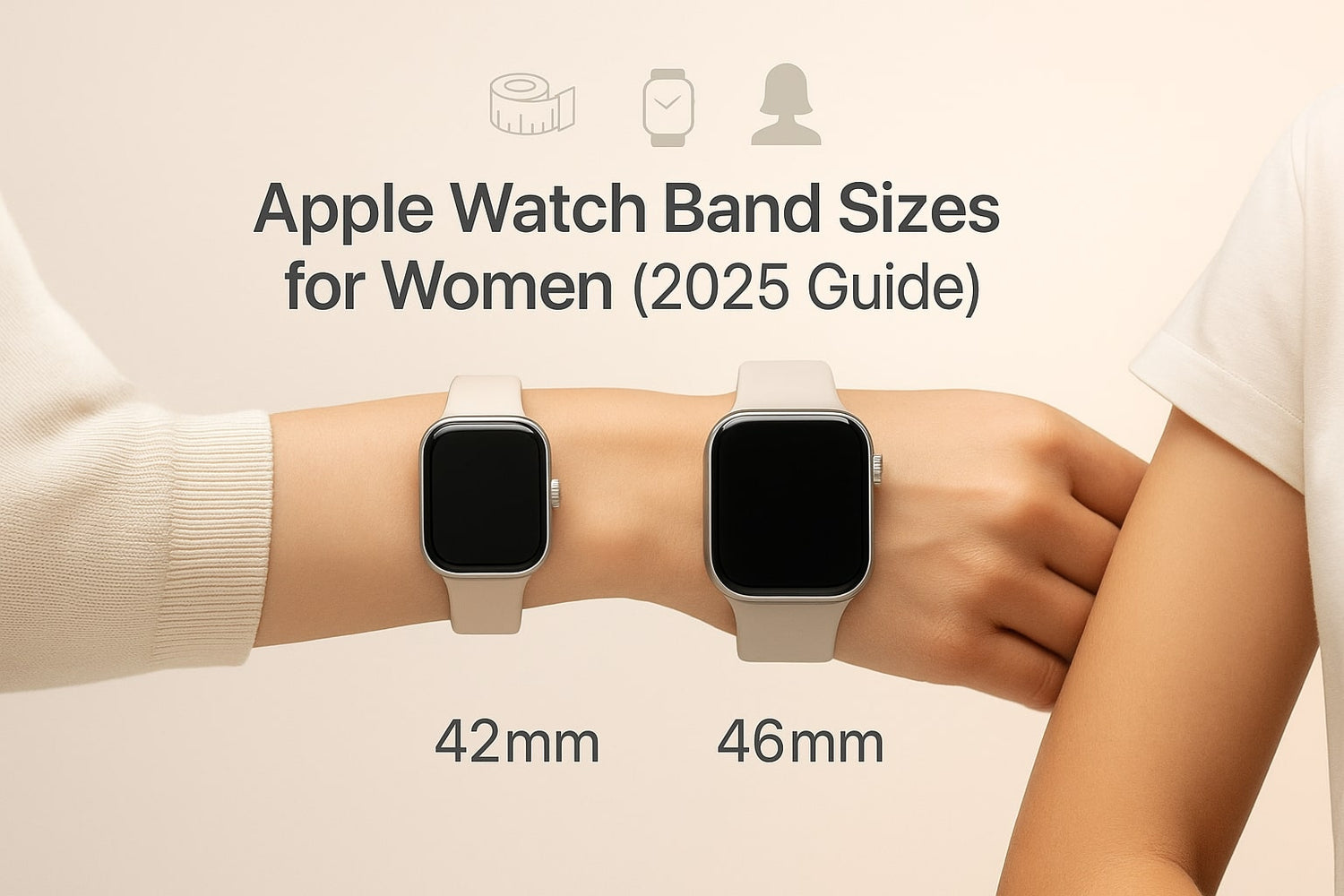
Selecting the correct Apple Watch SE size and band depends on your wrist circumference and your intended use. For the Apple Watch SE (2nd Generation), you must choose between the 40mm and 44mm case sizes. Generally, the 40mm fits wrists measuring 130–200mm, while the 44mm is designed for wrists between 140–220mm, though band styles significantly impact final comfort and sensor accuracy.
Understanding the Apple Watch SE Case Dimensions
The Apple Watch SE serves as the entry point into the Apple ecosystem, offering a balance of essential health tracking and connectivity. As of 2026, the SE continues to utilize the classic design language established with the Series 4, which means it is available in two distinct vertical heights: 40mm and 44mm.
When choosing a case size, it is a common misconception to look only at the screen. While the 44mm provides roughly 25% more screen area than the 40mm, the physical footprint on your wrist affects ergonomics and how the watch interacts with your clothing. The 40mm case is approximately 34mm wide and 10.7mm thick, whereas the 44mm case is roughly 38mm wide with the same thickness. Because the SE is constructed from lightweight aluminum, the weight difference is negligible for most users, but the "overhang" on smaller wrists can lead to discomfort or inaccurate heart rate readings if the sensors cannot maintain consistent skin contact.
For those with a wrist circumference under 150mm, the 40mm is almost always the superior choice. It sits flush against the radius and ulna bones without protruding. Conversely, if your wrist exceeds 175mm, the 44mm provides a more proportional aesthetic and makes interacting with on-screen buttons—especially the keyboard and passcode entry—significantly easier.
How to Measure Your Wrist for the Perfect Fit
Before purchasing an Apple Watch SE or a new band, you must have an accurate measurement of your wrist. Unlike traditional jewelry where a loose fit might be preferred, a smartwatch requires a snug but comfortable fit to ensure the photoplethysmography (PPG) sensors—the green lights on the back—can accurately measure blood flow for heart rate monitoring.
The Tape Measure Method
The most reliable way to measure is using a flexible tailor’s measuring tape. Wrap the tape around the part of your wrist where you usually wear a watch—typically just behind the "knob" of the wrist bone (the ulnar styloid process). Note the measurement in millimeters. Ensure the tape is flat against your skin but not squeezing it; you should be able to slide a pinky finger barely under the tape.
The Paper Strip Method
If you do not have a flexible measuring tape, use a strip of paper or a piece of string. Wrap it around your wrist, mark the point where the ends meet, and then lay the string flat against a standard ruler. This measurement will serve as your baseline when navigating Apple’s band sizing charts, particularly for non-adjustable options like the Solo Loop.
Navigating Band Compatibility and Sizing Clusters
One of the most confusing aspects of the Apple Watch ecosystem is the cross-compatibility of bands. Apple organizes its bands into two size "clusters." Understanding these clusters is vital because it determines which bands will physically lock into your Apple Watch SE.
- The Small Cluster: Includes 38mm, 40mm, and 41mm cases.
- The Large Cluster: Includes 42mm, 44mm, 45mm, and 49mm (Ultra) cases.
If you choose the 40mm Apple Watch SE, you can use any band ever made for the 38mm or 41mm models. If you choose the 44mm Apple Watch SE, you can use bands designed for the 42mm, 45mm, or the 49mm Apple Watch Ultra. While a "small cluster" band will technically slide into a "large cluster" watch, the connectors (lugs) will not reach the edges, leaving a gap that looks unfinished and may compromise the security of the connection.
Choosing the Right Band Style for Your Lifestyle
The band you choose is just as important as the case size. Different materials provide varying levels of adjustability, which can compensate for a case that might feel slightly too large or small.
The Sport Band and Sport Loop
The standard Sport Band is made of high-performance fluoroelastomer. It is durable, waterproof, and uses a pin-and-tuck closure. However, it offers fixed adjustment holes. If your wrist size falls exactly between two holes, the watch may be too tight or too loose.
In contrast, the Sport Loop is made of woven nylon and uses a hook-and-loop (velcro) fastener. This allows for "infinite" adjustability. For users who find their wrist size fluctuates due to heat or exercise, the Sport Loop provides the most precise fit for the Apple Watch SE, ensuring the sensors stay in place without restricting circulation.
The Solo Loop and Braided Solo Loop
The Solo Loop is a single piece of stretchable liquid silicone rubber. Because there are no buckles or overlaps, it is incredibly comfortable but requires the most precision when choosing a size. Apple provides a specific sizing guide ranging from 1 to 12.
- Tip: If you are using the Apple sizing tool for a Solo Loop, and you are between two sizes, always choose the smaller size. The silicone and braided yarn naturally stretch over time, and a loose Solo Loop will cause the watch to slide, leading to frequent passcode prompts as the watch loses contact with your skin and "thinks" it has been removed.
Professional and Metal Bands
Bands like the Milanese Loop or the Link Bracelet add a significant weight to the Apple Watch SE. Because the SE is aluminum (and thus very light), a heavy metal band can make the watch feel "top-heavy" if not fitted correctly. The Milanese Loop uses a magnetic closure, which, like the Sport Loop, offers high adjustability. The Link Bracelet requires the removal of individual links, making it a more permanent sizing choice that may not accommodate daily wrist swelling as effectively.
Case and Band Sizing Reference Table
This table summarizes the official sizing recommendations as of 2026 to help you match your wrist measurement to the correct Apple Watch SE configuration.
| Case Size | Wrist Circumference | Compatible Band Cluster | Best For |
|---|---|---|---|
| 40mm | 130mm – 200mm | 38mm, 40mm, 41mm | Smaller wrists, discrete profile, sleep tracking. |
| 44mm | 140mm – 220mm | 42mm, 44mm, 45mm, 49mm | Larger wrists, better readability, larger touch targets. |
| Solo Loop (Size 1-6) | 126mm – 169mm | Small Cluster (40mm) | Fixed sizing; requires precise measurement. |
| Solo Loop (Size 7-12) | 170mm – 210mm | Large Cluster (44mm) | Fixed sizing; check for stretch over time. |
| Sport Loop | One Size (Adjustable) | Respective Cluster | Fitness, daily wear, fluctuating wrist sizes. |
Common Mistakes to Avoid When Sizing
Even with the correct measurements, many users encounter issues during their first few weeks with an Apple Watch SE. Avoiding these common pitfalls will ensure long-term satisfaction with your device.
1. Ignoring the "Lug" Width: Some third-party bands marketed as "universal" may not fit the Apple Watch SE properly. Ensure any band you buy explicitly states it is for the 40mm or 44mm size. Using a band from the wrong cluster puts stress on the locking mechanism of the watch.
2. Wearing the Watch Too Low: The Apple Watch SE should sit approximately one finger's width away from your wrist bone, toward your elbow. If the band is sized so the watch sits directly on the wrist bone, the bone will push the watch away from the skin, causing gaps that interfere with heart rate and sleep tracking data.
3. Overestimating the Need for a Large Screen: Many buyers choose the 44mm SE because they want the "best" display. However, if the watch lugs extend past the edges of your wrist, the band will pull straight down rather than wrapping around your arm. This creates "air gaps" at the sides, making the watch feel unstable and bulky. If your wrist is on the border (around 145-150mm), the 40mm often looks more integrated and professional.
4. Not Cleaning the Band Regularly: Fit is also affected by hygiene. Salt buildup from sweat or soap residue under the band can cause skin irritation, often mistaken for a "tight fit." A clean band ensures the material maintains its intended grip and flexibility against your skin.
Impact of Fit on Health Features
The Apple Watch SE relies heavily on its sensor array to provide the data users expect. A poorly fitted band doesn't just look bad—it degrades the functionality of the device.
The PPG sensor works by flashing green LED lights hundreds of times per second and using light-sensitive photodiodes to detect the amount of blood flowing through your wrist. If the band is too loose, external light leaks in, "washing out" the sensor's ability to see your pulse. Conversely, if the band is too tight, it can restrict blood flow in the superficial capillaries the watch is trying to measure, leading to falsely low heart rate readings during intense exercise.
For features like Fall Detection and Crash Detection, a secure fit is equally important. These features use high-G accelerometers and gyroscopes. If the watch is flopping around on your wrist, the sudden impact of a fall might be muffled by the movement of the watch case against your arm, potentially delaying a life-saving emergency call.
Practical Recommendation for 2026 Buyers
When choosing your Apple Watch SE size and band, the most versatile combination for the average user is the 40mm or 44mm case paired with a Sport Loop.
Because the Sport Loop uses a breathable, adjustable weave, it allows you to tighten the watch during workouts for maximum sensor accuracy and loosen it during the day for comfort. If you have a wrist circumference of 160mm or less, choose the 40mm case. If your wrist is 165mm or greater, the 44mm case is usually the better fit. For those in the 160mm to 165mm range, visit an Apple Store to try both, but remember that a smaller watch is generally more comfortable for 24/7 wear and sleep tracking.
Frequently Asked Questions
Can I wear a 45mm band on a 44mm Apple Watch SE? Yes. The 44mm Apple Watch SE belongs to the "large" cluster. Apple designed the 42mm, 44mm, 45mm, and 49mm bands to be interchangeable. A 45mm band will fit perfectly into the 44mm SE's slots without any overhang or gaps.
Is the Apple Watch SE band size the same for 1st and 2nd generations? Yes, the physical dimensions for bands have remained identical across all Apple Watch SE generations. If you are upgrading from an original SE to a 2022 or later model, all your existing bands will remain fully compatible as long as you stay within the same size category (e.g., staying with the 40mm or 44mm size).
How tight should the Apple Watch SE band be? The band should be tight enough that the watch does not slide up or down your arm when you move, but not so tight that it leaves deep indentations in your skin or feels restrictive. A good rule of thumb is that the watch should stay in place when you shake your wrist, but you should still be able to comfortably fit a finger under the band.
Does the band size affect the battery life of the Apple Watch SE? No, the band itself does not affect battery life. However, a poorly fitted band that causes the watch to lose contact with your skin may result in the watch constantly trying to re-acquire a heart rate signal or prompting for passcodes, which can marginally increase battery drain compared to a stable, well-fitted connection.
What is the best Apple Watch SE band for swimming? The Sport Band (silicone) or the Ocean Band are the best choices for swimming. While the Sport Loop is comfortable, it is made of fabric and will absorb water, staying damp on your wrist for a significant amount of time after you leave the pool. The fluoroelastomer Sport Band can be wiped dry instantly.